
The Ariston washing machine fills with water and drains it immediately.
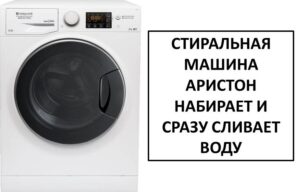 Sometimes, Ariston washing machine users may experience a strange behavior: the machine fills with water and immediately drains it down the drain. This process can continue indefinitely until the power is turned off. After turning the machine back on, the problem usually repeats. What's the cause of this malfunction, and how can you get your "home assistant" back up and running? Let's take a closer look.
What could have happened?
It's easy to notice that your washing machine is filling and then immediately draining water. First, the machine won't move to the next cycle. Second, you'll hear a constant gurgling sound as liquid drains into the drain. This malfunction can be caused by:
- incorrectly positioned drain hose;
- incorrectly functioning pressure switch;
- broken heating element;
- damaged drain valve;
- failed control module.
If the drain hose is connected below the required level, water will drain from the tank by gravity. Therefore, it's important to position the hose as directed in the instructions, at a specific angle. The outlet point should be 60-80 cm from the floor.
A faulty level sensor will transmit incorrect information to the "brain." For example, if the tank is empty, the pressure switch will signal an overflow, triggering the flush. Consequently, water will fill and immediately go down the drain.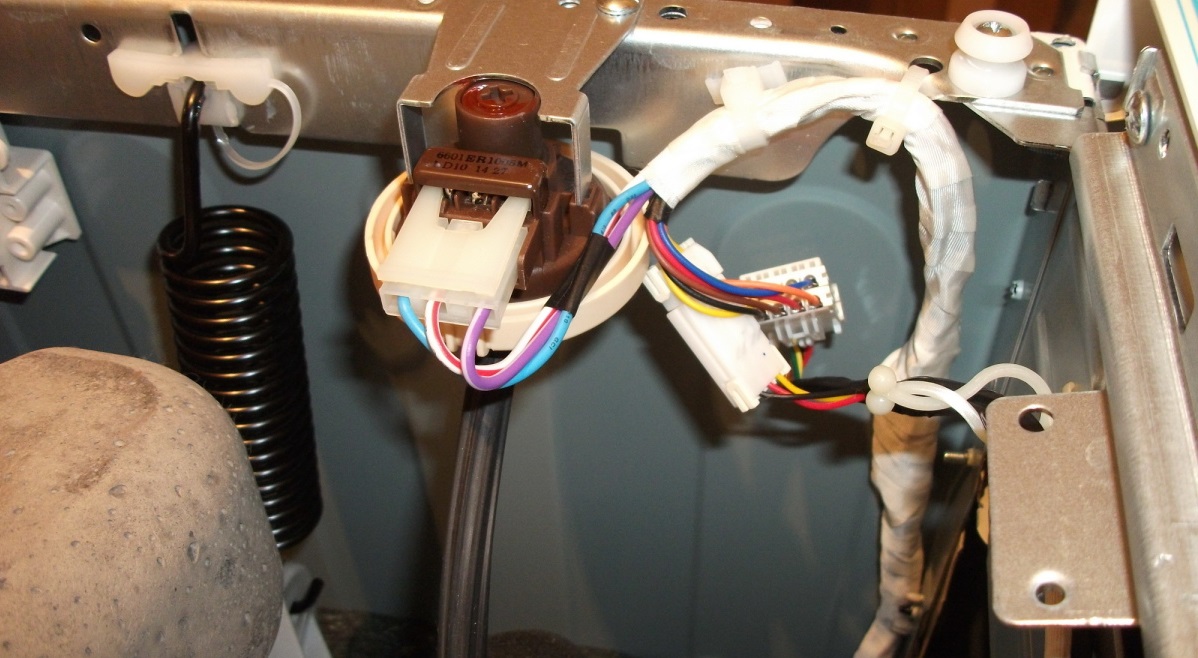
The electronic unit controls all processes. If the control module fails, the washing machine will begin to behave erratically and may even fill and immediately drain water. In this case, a thorough diagnostic of the circuit board will be required.
According to statistics, it is on Ariston models that endless draining and water filling are most often observed due to improper connection of the drain hose or a faulty heating element.
We'll tell you what to do if your washing machine isn't washing. We'll also explain where to begin troubleshooting your Ariston washing machine. The problem of constantly filling and draining water needs to be addressed immediately, without putting it off.
Testing the heating element yourself
When the machine fills with water and immediately drains it, rule out the problem with the drain hose. If the drain hose is not connected correctly, the liquid will start to drain away by gravity. The pressure switch will again give the command to fill the tank and the process will continue indefinitely.
You can find recommendations for connecting the drain hose in the Ariston washing machine manual. It should be located 60-80 cm from the floor. The hose should also be positioned at a certain angle.
As strange as it may seem, a broken heating element can cause uncontrolled water draining and filling in Ariston washing machines. And very often, the heating element itself is the culprit. To check the heating element, you'll need a special device – a multimeter. The procedure is as follows:
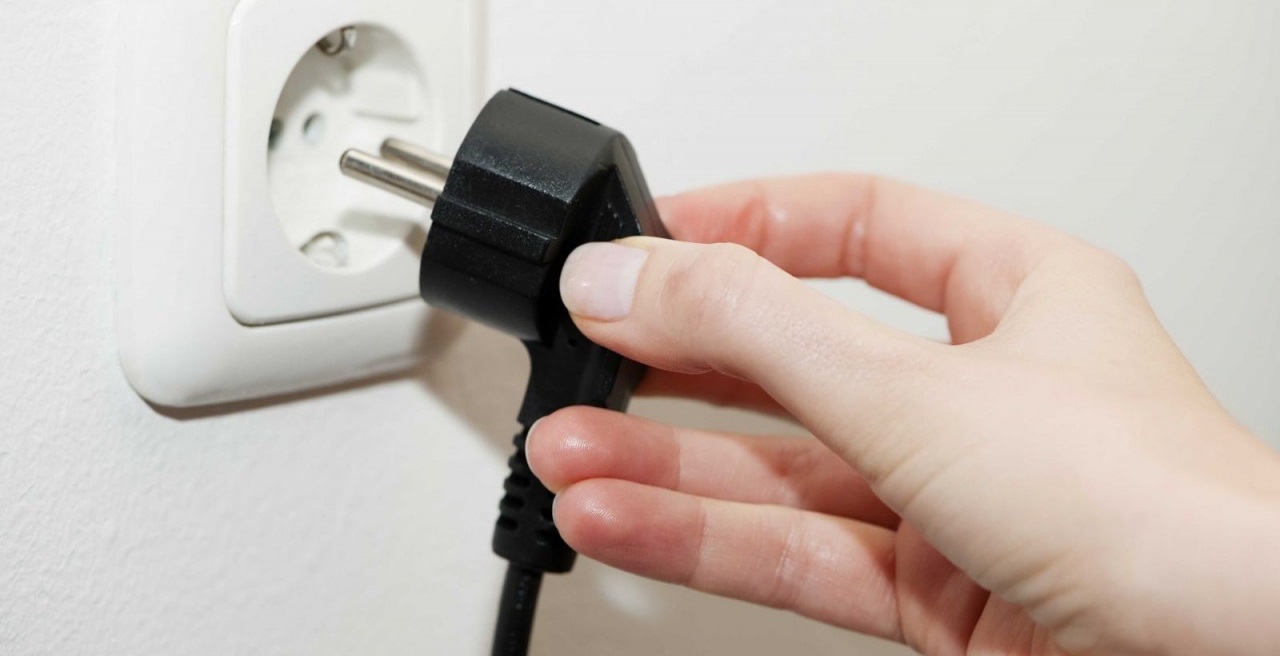
- de-energize the machine;
- Unscrew the screws holding the back panel of the washing machine and move the wall to the side;
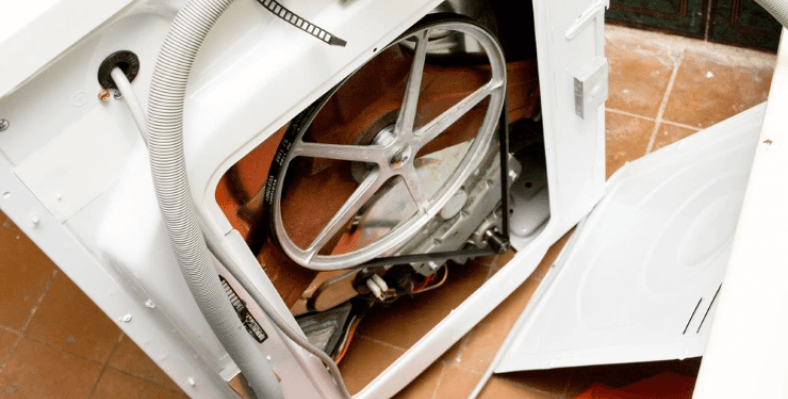
- find the heating element – it is located in the lower corner;
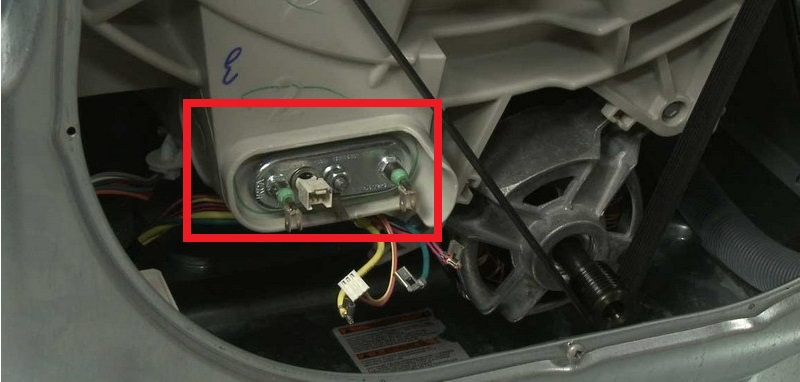
- remove the wiring from the heater;
- set the multimeter to resistance measurement mode by setting the selector to the 200 Ohm position;
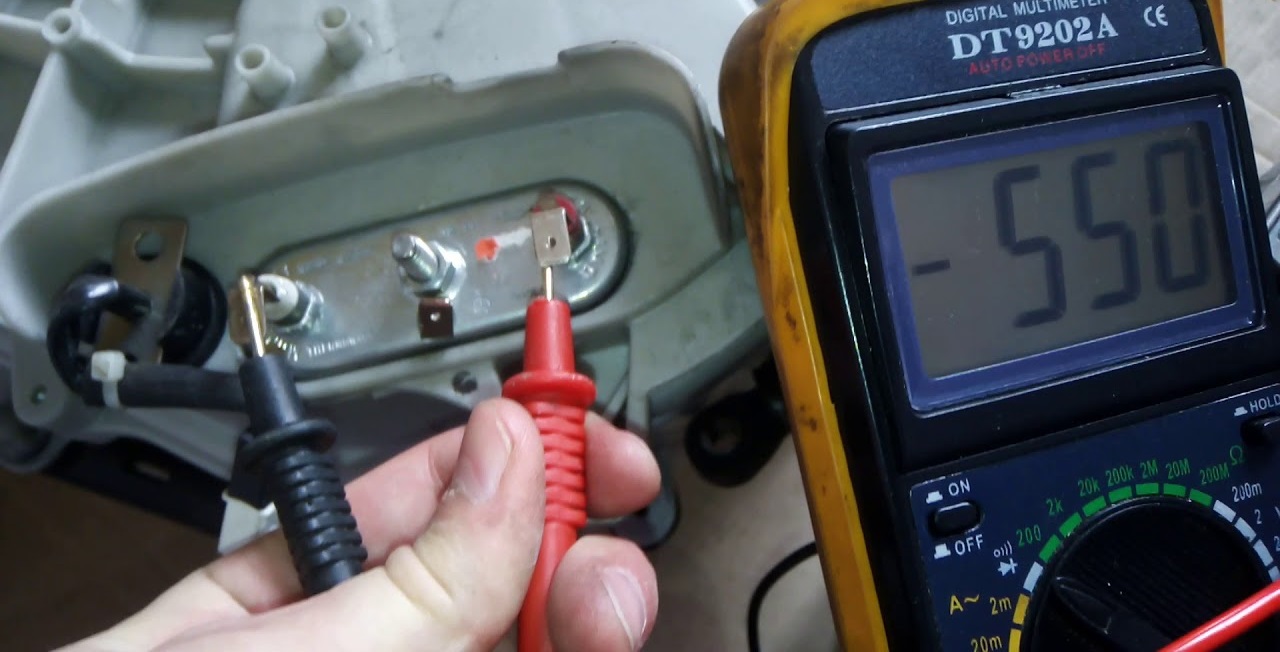
- attach the multimeter probes to the heating element contacts;
- measure the resistance.
Take a photo of the wiring diagram for the heating element contacts to avoid making mistakes during reassembly.
Normally, the readings should be between 20 and 60 ohms. After this, the heating element is tested for breakdown. To do this, set the multimeter to the maximum permissible resistance value (in megaohms). Then, place one tester probe on the heating element body, and the other probe on each contact of the element, one at a time.
When a breakdown occurs, the multimeter screen will display a number other than one. If a fault is detected, the heating element will need to be replaced. The heating element cannot be repaired.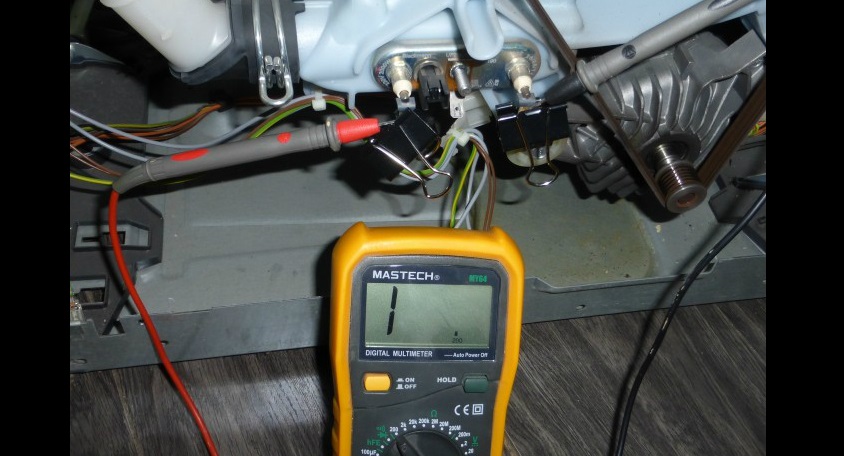
If your multimeter readings indicate the element is fully functional, but your machine still won't wash, try turning on the washer after turning off the heating element. Most Ariston models operate smoothly without a heating element. Perhaps in this case, your "home helper" will quickly fill up and the drum will begin spinning.
If your machine starts washing without a heating element, you'll need to replace the tubular element. When purchasing components, pay attention to your Ariston washing machine model and the wattage of the old heating element. You can replace it yourself, without the help of a technician.
We are troubleshooting the problem
First, you'll need to remove the old heater. It's already accessible, so loosen the central nut—a socket wrench will do the trick. Don't unscrew the screw all the way, otherwise it will be difficult to remove the heating element.
After loosening the nut, push the bolt inward. This will slightly displace the other half of the heating element, releasing the clamp on the black rubber seal. Next, take a pair of slotted screwdrivers and use them to pull the heating element cover out of the tank.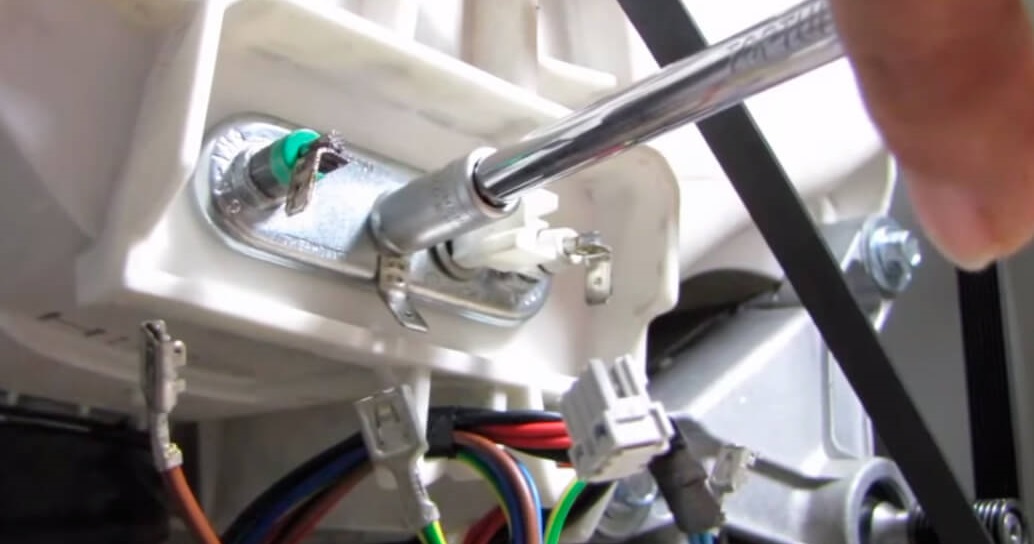
Removing the heating element will not be easy. On one side, the heating element holds the tank mount, on the other, a rubber seal. Therefore, during the dismantling process you will have to make an effort.
After removing the element, all that's left to do is remove the temperature sensor to install it on the new heater. The thermostat is a very reliable component and rarely breaks. Connect the thermistor to the working heating element in the same way.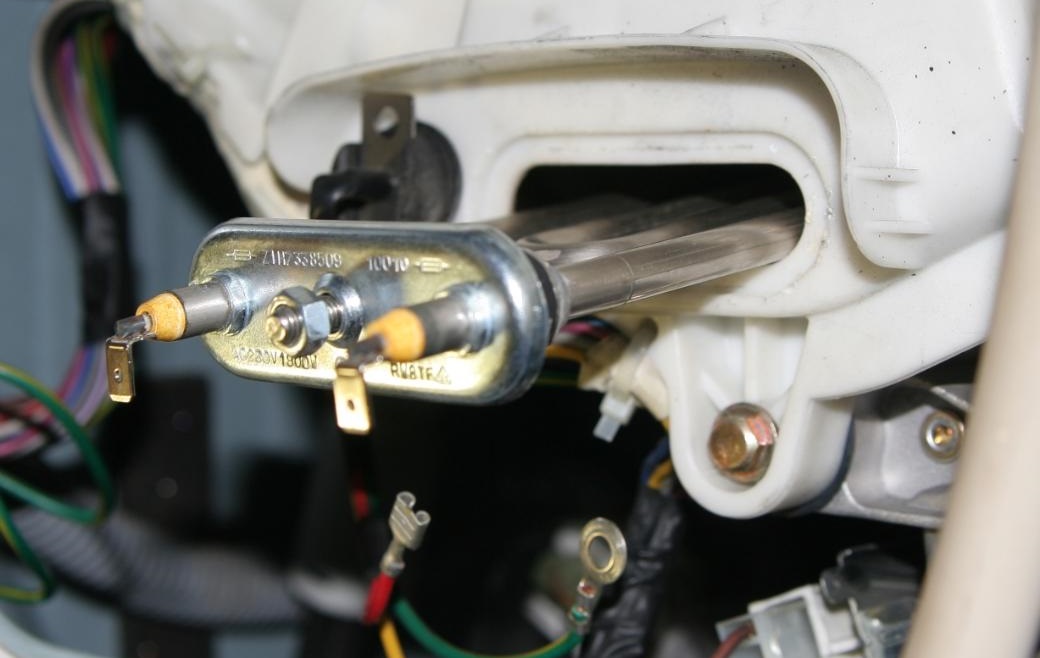
Now you can begin installing the new tubular element. Clean the seat of scale and debris, and insert the heating element into its "socket." Then secure it with the bolt and nut. Be careful not to overtighten it—if it's too tight, the heating element may pop out of the drum during the wash cycle.
Now all that's left is to connect the wiring to the heater contacts. Refer to the photo you took during disassembly to avoid confusing the connector locations. Once finished, reattach the back panel of the washing machine. Then run a test wash. The problem of uncontrolled water intake and drainage should be resolved.
Interesting:
Readers' comments
Headings
Washing machine repair




For buyers




For users


Dishwasher




Add a comment