
Why doesn't my Ariston washing machine heat water during washing?
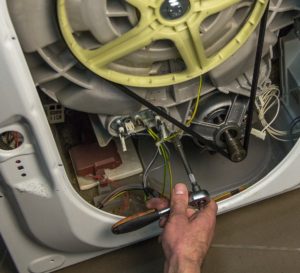 It's frustrating when your washing machine doesn't heat the water during a wash cycle. Firstly, the wash quality suffers, and secondly, the machine signals a malfunction. However, blaming the heating element alone for a fogged-up door window is wrong. The lack of heating can be caused by anything from simple carelessness to a faulty thermistor, pressure switch, or even the control board. The culprit is determined during a comprehensive diagnosis of the washing machine.
Potential culprits of the malfunction
If your Ariston washing machine doesn't heat up to the set temperature of 30-90 degrees, it's not necessarily the heating element that's at fault. Several other devices and sensors also contribute to the heating process, and their failure can result in low water temperatures. Furthermore, there's often no real problem—it's likely that the user has selected the wrong wash cycle.
If you notice a lack of heating, don't immediately start disassembling the washing machine. First, check the machine's control panel and the selected mode. Many programs, for example, “Delicates”, “Sportswear”, “Silk”, “Quick”, “Economy”, “Silk”, according to the factory settings, should not bring the water to high temperatures. Most Ariston models even have a standard wash cycle at 30-40 degrees.
Many washing programs on the Ariston machine do not require heating the water above 30 degrees.
If the "hot" program is enabled, you should double-check the set heating temperature. Modern Ariston washing machines offer the option to change the factory settings to save energy or speed up the cycle. It's likely that you accidentally pressed a button, causing the temperature to drop to the minimum setting. Or, conversely, the system didn't register the changed settings because the selector didn't work. It's best to move the dial forward a few positions and restart the machine. It's possible that a so-called "technical glitch" has occurred.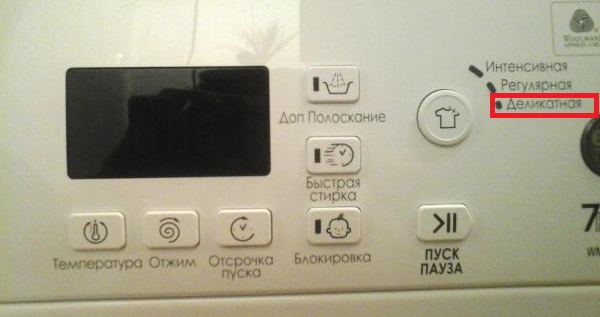
In any case, it's recommended not to ignore suspicious machine behavior and instead conduct a quick test. Cold laundry after washing is not an argument against a heating element, as the final rinse occurs in cold water. To dispel or confirm suspicions, it's better to use a more reliable diagnostic method:
- turn on a program that heats the machine to 60-90 degrees (you can also choose 45 degrees, but the difference will not be so obvious);
- set a timer for 20-30 minutes from the start of the wash (it is important that the washing machine does not switch to rinsing);
- place your hand on the glass door;
- estimate the surface temperature.
When using the “hot” washing mode, the glass of the Ariston door should be warm 20-30 minutes after starting the cycle.
If the sunroof glass is hot or warm, there's no problem with the water heating—the system is working perfectly. A cool surface, on the other hand, indicates a malfunction. In the latter case, it's important to respond to the signal as quickly as possible and determine the cause and extent of the problem.
What parts could have failed?
Owners of modern Ariston models have it easier: an advanced self-diagnostic system automatically detects the problem and displays a code indicating the nature of the malfunction. Furthermore, the system will not start washing until the heating is restored or the user changes the program to "cold." However, many washing machines from this brand are unable to detect temperature discrepancies and continue washing without warming up the drum.
In any case, you shouldn't use a washing machine that doesn't heat. This will affect both the washing quality and the machine itself, as the problem will worsen over time and lead to a major breakdown. It's best to quickly determine the cause of the problem. It could be:
- The pressure switch isn't working. It's simple: the sensor can't measure the water level, the board isn't receiving information about the tank's full state, and it's not signaling the heating element to start heating. In this case, the wash cycle won't start.
- The wiring connecting the heater to the electronic unit is damaged. The module is unable to send a command to the heating element to increase the temperature.
- A broken heating element. The most obvious problem, as a faulty heating element doesn't heat the machine. Limescale buildup (due to hard water) or mechanical damage (poor repair, drum imbalance) can cause this. As a result, the machine overheats or shorts out.
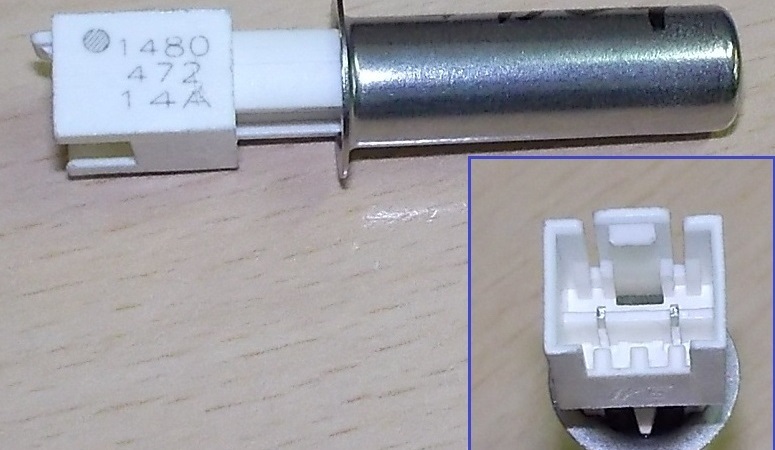
- A faulty thermistor. This is a sensor that monitors the water heating temperature. If it fails, the heating element stops functioning.
- The board is faulty. One of the resistors probably burned out, or the contacts connecting the module to the heating element have come loose.
The Ariston washing machine does not heat water if the pressure switch, heating element, circuit board, thermistor, or wiring is faulty.
It is logical that in order to restore the washing machine to full operation, it is necessary to identify the malfunction and carry out the necessary repairs. If the problem is not related to the control board, the user will be able to resolve the problem without calling in service center specialists. The main thing is not to forget about safety precautions and follow the instructions below.
Let's start with the heating element
We recommend starting diagnostics and repairs with the heater. The heating element is located behind the rear panel of the housing, at the bottom of the washing machine, under the drum. To locate the element, you'll need to turn the machine over, unscrew the retaining bolts from the back panel, and set it aside. Then, locate the heating element and the thermistor and begin diagnostics.
Before disassembling the Ariston washing machine, it is necessary to de-energize and disconnect it from the water supply!
- Carefully disconnect the wiring from the heating element, having first photographed all connections.
- Turn on the multimeter, select the “Resistance” mode and set the value to “200”.
- We connect the tester wires to the corresponding contacts.
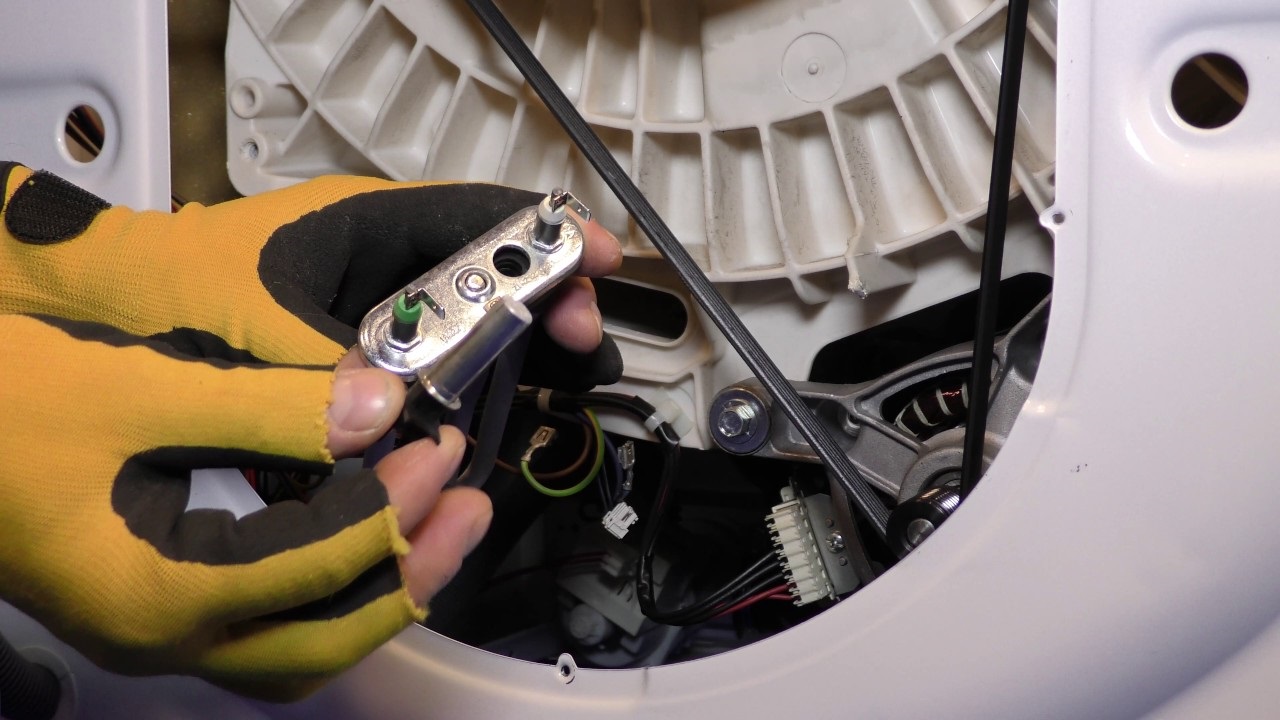
- Let's evaluate the test results. Normal values range from 26-28 ohms. A "1" indicates an internal open circuit in the heating element, while a "0" indicates a short circuit. In the latter case, repairs won't help—the heater must be replaced.
- We check the heating element for breakdown. Set the tester to "Buzzer" mode and connect the probe to the contact. If a signal sounds, the device needs to be replaced.
It is recommended to record all your actions on camera to facilitate reassembly and avoid errors when connecting contacts.
To replace the heater, you need to remove it. The process is simple, but is often complicated by the gasket, which expands over time and blocks the washing machine. To deal with the rubber, you should generously treat it with WD-40, wait 10-15 minutes, then remove the thermistor, unscrew the bolt, swing the heating element and easily remove it from the housing.
The new heating element can be found using the old one or the serial number stamped on the housing. Before installation, it's important to thoroughly clean the heater seat. Reassembly is then done in reverse order.
Level sensor
Next up is the pressure switch. This is a level sensor located under the top cover of the housing, near the back wall on the right. It consists of two parts: a round plastic "box" and a long hose that extends into the washing machine's tub.
Sensor diagnostics are quick and easy: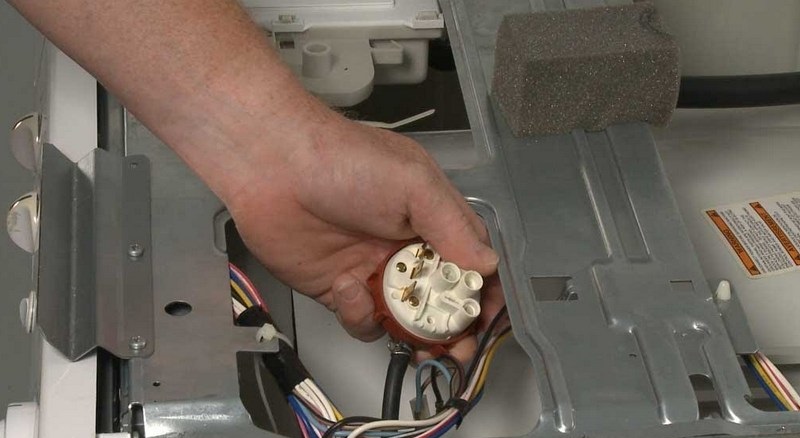
- we select a tube proportionate to the diameter of the pressure switch fitting;
- loosen the clamp on the hose and unhook it;
- we place the tube against the nozzle and lightly blow into it;
- listen; if there are 1-3 clicks, then the sensor is working properly.
Ideally, you should continue the test by inspecting the pressure switch components and testing them with a multimeter. In the latter case, turn on the ohm tester, connect the probes, and evaluate the results. Changing readings will indicate the device's functionality.
The question of what to do with a faulty pressure switch usually does not arise. Repairing the sensor is time-consuming and pointless – it’s easier to buy a new one, which costs no more than $5. To replace, remove the broken device by loosening the clamp, removing the connector and disconnecting the “box”.
Interesting:
3 reader comments
Add a comment
Headings
Washing machine repair




For buyers




For users


Dishwasher




Who blew it? Did they just check it with a tester and that's it? You have to blow until it clicks.
Yeah, the HotPoint is a real problem. So we bought it. They swindled us, tempted us. I don't argue—it's a good machine. But the water doesn't get hot. What's a 30-degree wash?! HotPoint's nonsense. The laundry didn't wash, the detergent didn't dissolve. And if you choose 60 degrees, you have to wait 2-30 hours. Nonsense from the developers. They said it was the latest model, and possibly from abroad. Then it's understandable why the temperature was lowered. After all, they're saving on water, heating, and living expenses because of the sanctions. And now they've foisted it on us. Nonsense from both the developers and the sellers.
How to check an inductive pressure switch?