
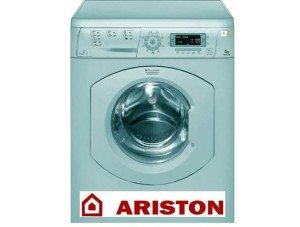
My Ariston washing machine is noisy during spin cycle.
 If you notice your Ariston washing machine making noise during the spin cycle, it's best to be wary. There may be no reason to panic, and your washing machine is simply too loud. However, there's another side to this: loud noise can sometimes indicate a serious malfunction. Let's look at what steps a washing machine owner should take.
What could have happened to the machine?
There are several possible causes of loud noise during operation. Experts well versed in Ariston washing machines have identified the main causes of loud humming during the spin cycle. Let's explore them.
- The transport bolts required to secure the drum during transportation of the equipment have not been removed from the washing machine.
- The drive bearings are unsuitable for further use.
- A foreign object has entered the space between the wall of the washing machine tank and the drum.
- The drum pulley locking nut has come loose.
- The counterweights are not fully secured.
- The door seal is not the correct size.
- The automatic machine was installed incorrectly.
To determine which direction to take, it's worth listening to technology. It's important to understand at what point the washing machine starts making noise: immediately after starting the program, before starting the spin cycle, or when draining waste water from the system. This information is necessary for an accurate diagnosis.
There is something stuck between the tank and the drum.
Sometimes foreign objects get caught in the space between the drum and the tub. This could be a paper clip or a coin that fell out of a pocket during washing, or even a bra underwire. That's why it's so important to check for any small items before loading them into the drum, and it's best to wash underwear in special bags. What could be the consequences of such an oversight?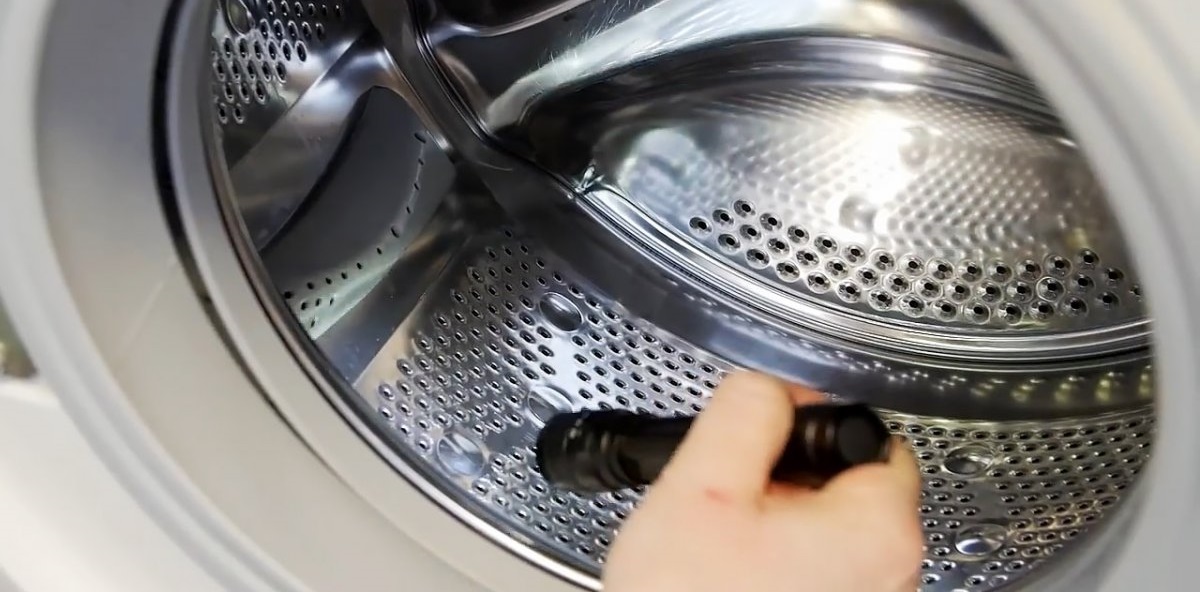
When the washing machine is running at low speeds, it doesn't vibrate, and a coin, for example, that gets stuck inside, rests peacefully in the drum without touching the walls. During the spin cycle, the machine begins to vibrate, causing the stuck item to bounce and eventually become lodged between the drum and the rotating element. This is why the machine starts making noise and creaking.
What should you do in this situation? It's easy to remove foreign objects from inside yourself. To do this, remove the heating element, reach into the resulting hole, and pull out whatever's stuck inside. This will stop the knocking.
Bearings or transport fasteners
In some cases, washing machine users make a serious mistake: they forget to remove the shipping bolts before installing and using the machine. These fasteners are designed to ensure the safety of the washing machine during transportation. The bolts provided by the manufacturer secure the drum dampers.
If you do not remove the shipping screws and start a wash cycle, the drum will make a loud banging noise as it spins.
The solution is very simple: simply remove the four shipping bolts located near the center of the washing machine's rear panel. It's important to remove these bolts before starting the machine, otherwise, such an oversight could have serious consequences.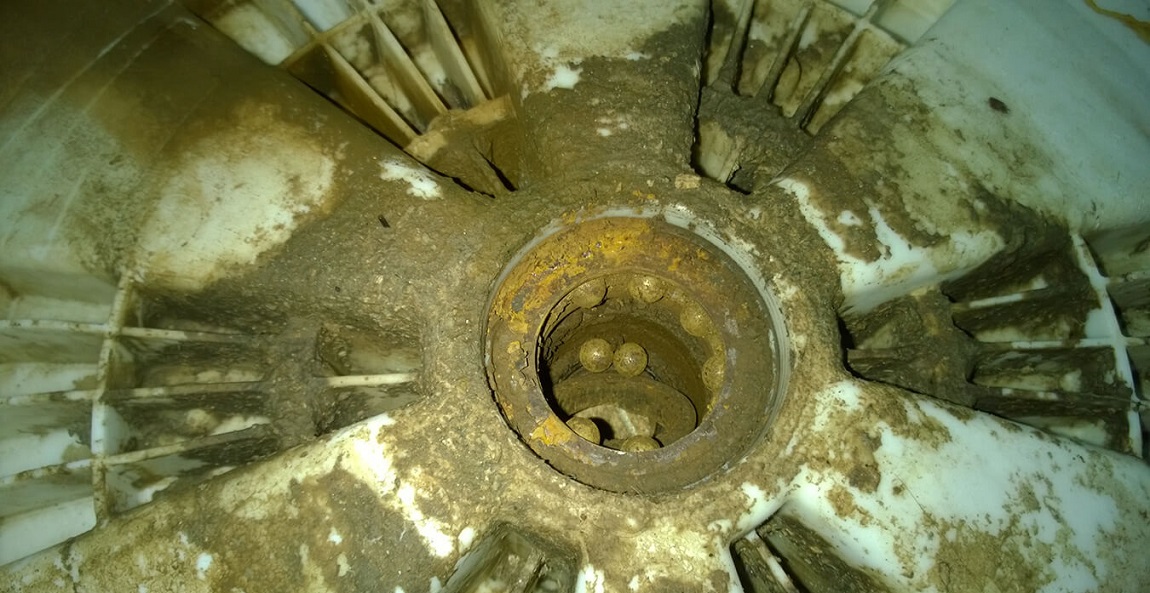
The problem may lie in damaged drum bearings in your Ariston washing machine. When they're damaged, the machine makes a loud humming noise, especially when running at maximum speed. How can you tell if a worn bearing is the culprit? It’s easy to check your guess: you need to turn off the power to the washing machine and turn the drum by hand first to the right, then to the left. If you hear a crackling or whistling sound, it means that the bearings really need to be replaced.
Pulley or counterweights
To confirm the pulley issue, run a test wash cycle. In this mode, the washing machine drum rotates at low speeds, alternately in one direction and then the other. Listen to the washing machine as it spins. Any noticeable clicking sounds during operation should prompt a pulley check. To adjust the wheel, remove the rear panel and tighten the pulley retaining nut.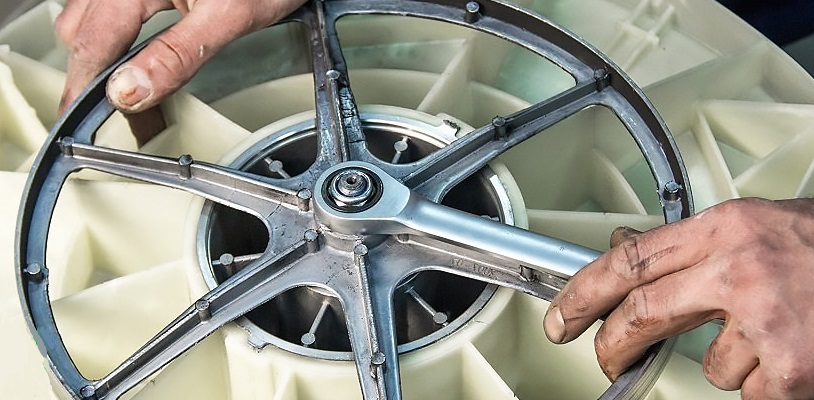
Loose counterweights can also cause excessive noise during the spin cycle. These elements surround the washing machine's drum and ensure stability, preventing it from rocking. Counterweights can become loose after prolonged use. This could also be due to a manufacturing defect. To remedy this, simply tighten the loose fasteners holding the concrete blocks in place.
The legs have untwisted
The body of your Ariston automatic washing machine may wobble due to loose feet. The washing machine should be level on the floor to prevent the feet from coming loose. The flooring underneath the machine should also be level, firm, and secure. Failure to follow these guidelines can result in noise from the machine.
During the spin cycle, the drum rotates at maximum speed, up to 1600 rpm. This can cause imbalance. A washing machine placed unevenly or on a sagging floor will: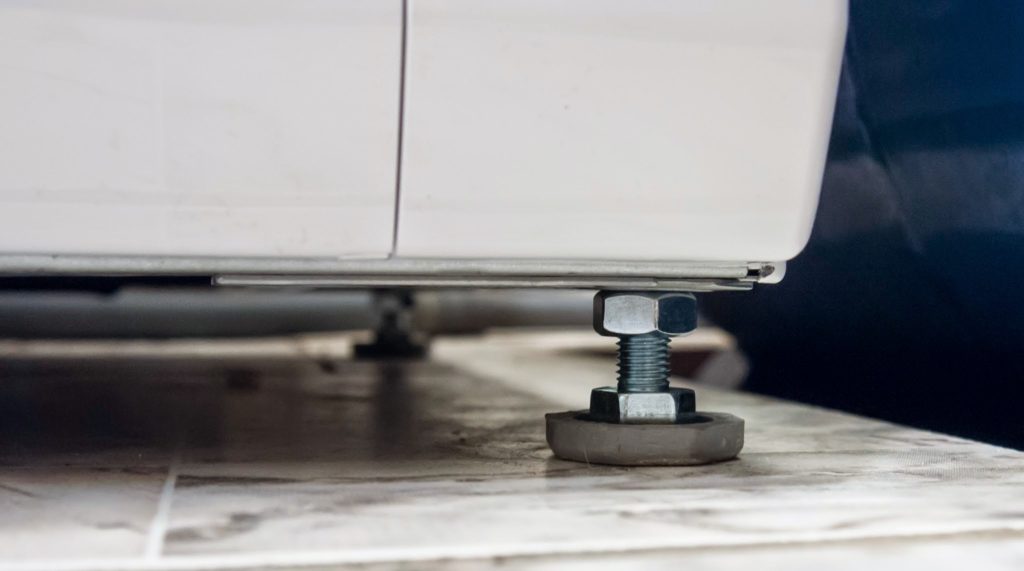
- knock and grind;
- vibrate strongly;
- swing in different directions, “jump” around the room.
What can be done to solve this problem? It is important to install the washing machine strictly level and strengthen the floor covering in the area where the equipment is located.To do this, you need to unscrew each of the washing machine's feet just enough so that the machine body "stands" level.
It's all in the cuff
The build quality of inexpensive Ariston models is far from impressive. Sometimes, the door seal simply doesn't fit properly. This can be indicated by a creaking or knocking noise heard throughout the washing machine's operation. Also, at the end of the cycle, rubber shavings will be visible on the drum walls and door—a sure sign of a problem with the seal.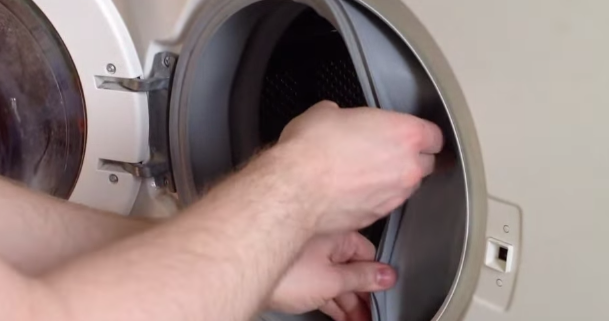
The problem can be easily resolved. Take a piece of sandpaper of a suitable size and place it between the rubber seal and the front panel of the washing machine. Then, run a quick wash cycle with the drum empty. The sandpaper will smooth out the seal in just half an hour. When the machine stops, simply remove the sandpaper and run the rinse cycle. This will flush out any remaining rubber shavings. After this process, it's a good idea to clean the dust filter, which will collect all the debris.
If the washing machine makes a rattling noise when draining waste water from the tank, the pump may be faulty.
The car is brand new
If your washing machine makes a loud humming noise during the first use, it may be easy to explain this by the technical characteristics of the specific model. High noise level of the washing machine Ariston may be included by the manufacturer. Therefore, before conducting diagnostics and looking for the cause of loud operation, study the washing machine's passport.
In the technical data sheet, the manufacturer describes the decibel level of noise produced by the washing machine during its most intensive operation (specifically, the spin cycle). But even after knowing the standard level, how can the average user determine whether this noise level is appropriate or, conversely, excessively loud? You can measure the noise level emitted by the machine using a sound level meter. If such a device is available, it's great to have one available; then you can easily determine the audible decibels.
A relatively inexpensive noise meter can be ordered from China; it will also help in the fight against neighbors who are too loud at night.
If purchasing specialized equipment isn't in your plans, you can take a different approach. You can measure noise levels using associative methods. It's very simple – you can find numerous examples of sounds with their dB values online. For example, a conversation at an average volume is rated at 50 dB, a truck engine is 80 dB, a loud car horn from 5 meters away is 100 dB, and an airplane taking off is 150 dB. Try to roughly estimate the noise level of a washing machine by comparing it to sounds you're familiar with. This will help you determine whether the actual values correspond to the standards.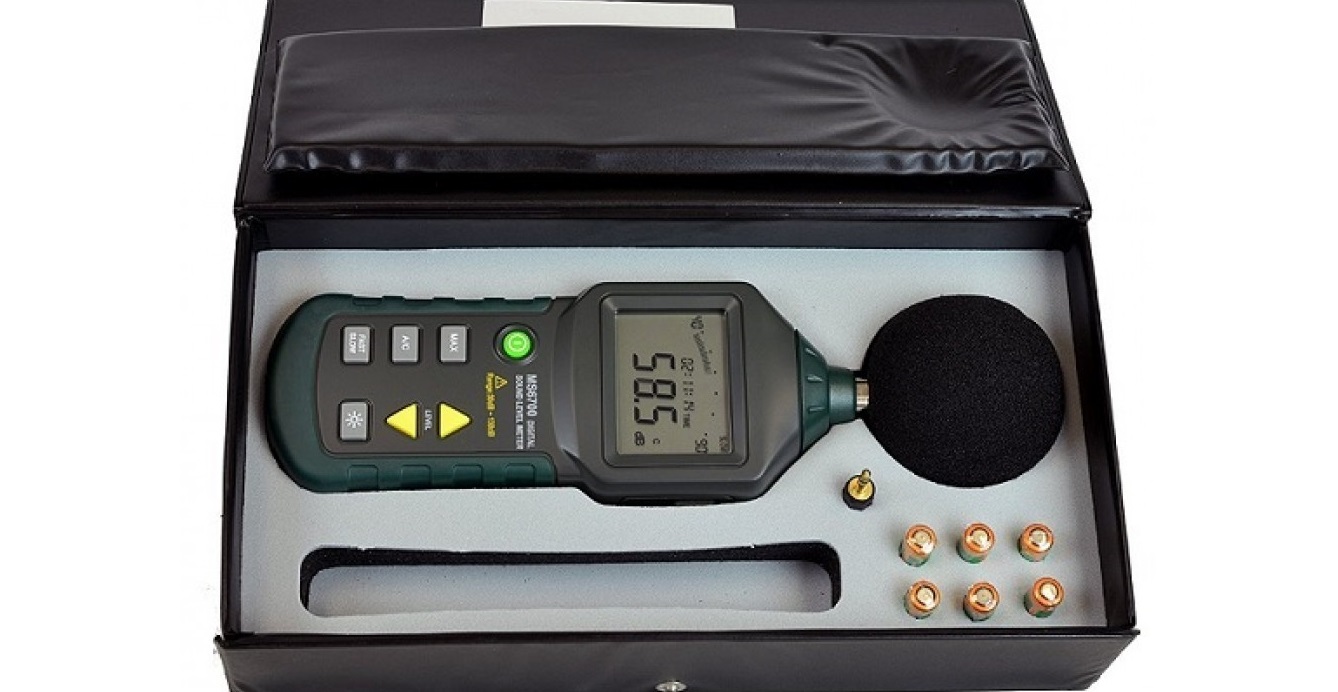
It's crucial to pay attention to the nature of the noise. If the loud, monotonous operation of the motor is interrupted by knocking or grinding sounds, this clearly indicates a faulty washing machine, requiring diagnostics and repairs.
Prevention of breakdowns
Careful use of the washing machine will help avoid various breakdowns and damage to the system. If you use your washing machine carefully and provide it with the necessary care, you can prevent the occurrence of “noise problems”. The following rules are involved:
- Do not exceed the maximum load capacity. Cramming too much laundry into the drum can cause damage to individual components of the machine.
- Use high temperature washing programs only when necessary;
- It is better to avoid spinning at maximum speed so as not to overload the washing machine;
- wash the debris filter regularly;
- Be sure to inspect items before loading them into the drum. It's important to ensure there are no small foreign objects left in pockets.
- use special bags for washing clothes;
- turn items inside out before loading into the washing machine;
- Use a water softener to soften hard tap water. This will help prevent scale buildup on the machine's internal components.
Excessive use can damage washing machine components. Avoid running the machine several times a day. Allow the machine to dry thoroughly between cycles.
So, there could be several reasons why your Ariston washing machine makes a loud noise during operation. It could be damaged bearings or a loose drum pulley. In some cases, the problem is simply due to loose parts. counterweightsWhatever the cause, it's important to carefully inspect the washing machine, identify the problem, and fix it as soon as possible.
Interesting:
Readers' comments
Headings
Washing machine repair




For buyers




For users


Dishwasher




Add a comment