
The Atlant washing machine does not drain water and does not spin.
 A washing machine that always functions properly can suddenly freeze mid-cycle. For example, it might stop mid-cycle, full of soapy water. What should you do if your Atlant washing machine fails to drain? What could cause this? Let's look at the probable causes.
Let's "dismiss" the simplest reasons
If your washing machine isn't draining or spinning, you should begin troubleshooting as soon as possible. There's no need to call a technician right away; even the most basic causes can be easily ruled out on your own. After assessing the situation, you might understand why the drain isn't working. What should you do first?
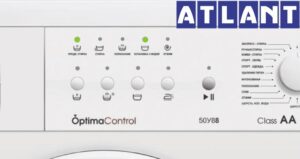
- Check to see if the correct wash cycle is selected. Any Atlant washing machine model has a wash cycle option, such as "drain and spin." If you run this cycle, don't be surprised if water remains in the drum. This isn't a malfunction; the machine will simply wash the items according to the user settings. If this is the case, and you accidentally set the delicate cycle, simply use an emptying cycle, such as "Drain + Spin."
- Check the drain hose. The drain hose may be deformed, kinked, or pinched by a heavy object. If this happens, water will not drain into the sewer because the pressure will be either absent or extremely weak.
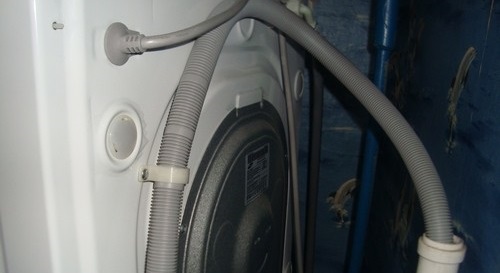
- Make sure the drain pipe or trap isn't clogged. This is another likely cause of the drum not draining. The drain hose may also be clogged. Disconnect the hose from the machine and clean it out.
If no external factors prevent the Atlant washing machine from draining water from the system, you will have to look for a fault inside the unit.
Let's look at typical faults that lead to this result. We'll tell you which components and assemblies of the machine should be checked.
What could have happened?
In most cases, it's no big deal if your washing machine stops with a full tank of soapy water. You can fix the problem yourself without calling a professional. If your Atlant washing machine's drain and spin cycles aren't working, suspect one of the problems described below.
- Clogged drain. First, you might find a lot of debris in your machine's drain filter. If it's severely clogged, it will be difficult to drain water from the drum. A single coin left in your pocket can disrupt the drainage system. You'll have to unscrew and rinse the part. Second, the drain hose might be clogged. This will require partially disassembling the washing machine to clear the hose.
- Pump failure. It plays a vital role in pumping water out of the tank and directing it into the sewer. If the pump is burned out, it must be replaced; it cannot be repaired. The pump may simply be clogged, and cleaning the volute and impeller will suffice.
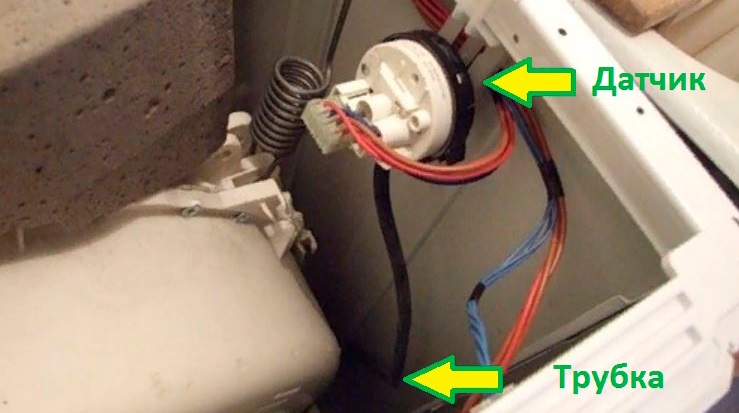
- Control module malfunction. In this situation, the "brain" won't be able to signal the pump to start draining. The machine will stop working. The solution is to repair the control board.
- Damaged pressure switch. The level sensor will transmit incorrect information to the module about the amount of water in the tank. For example, it may indicate that the tank is empty when it is not. In this case, the machine will not drain.
Such breakdowns are the most common. If you notice that the machine does not drain water or spin, clean the debris filter, check the pump and pressure switch. If all elements are in good working order, call a technician to diagnose and repair the control board.
Let's check the hose and filter
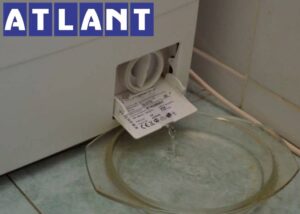
Before beginning diagnostics, drain the water from the drum. This can be done through the waste filter opening. Prepare a container to collect the liquid, unplug the machine, and cover the floor under the machine with dry rags. Next, carefully unscrew the plug and collect the water in a basin. Once the washer is empty, you can open the door and remove your clothes.
Inspect the hole created by removing the debris filter. It may be clogged with dirt, threads, or other foreign objects (coins, buttons, paper, etc.). Wipe the walls with a damp sponge and remove any debris. Rinse the filter itself under running warm water and replace it.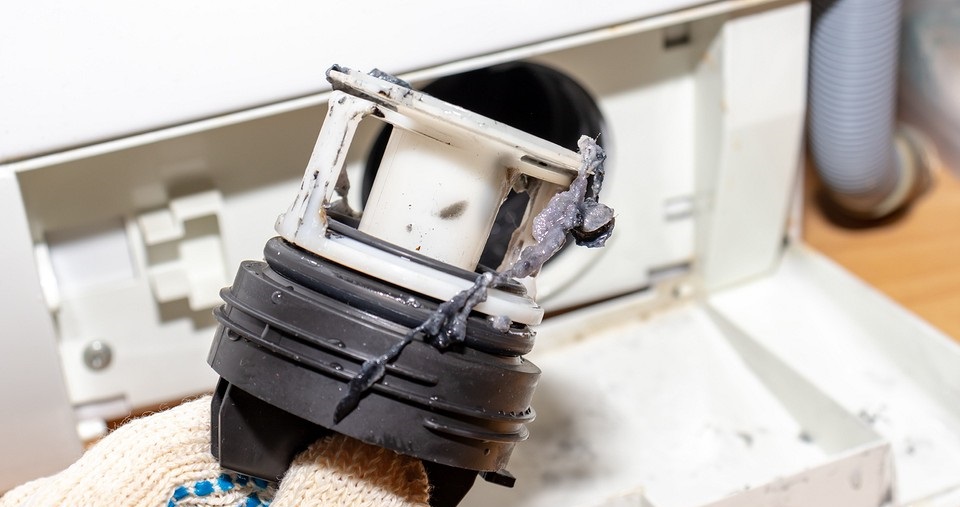
Afterwards, you can disconnect the drain hose from the machine and check the hose for any blockages. If there is a blockage, clear the hose with a special cable and reconnect it.
It is recommended to clean the waste filter every 2-3 months to avoid problems with water drainage from the tank into the sewer.
Is the drain pump working properly?
If the pump is clogged, the first signs of a problem may have been noticeable a few washes before the machine stops pumping liquid altogether. The pump, clogged with threads, lint, and hair, makes strange noises while running. If you hear a quiet, abnormal hum when draining, you may suspect a blockage or a broken drain pump.
You can repair your washing machine yourself. Access the pump, remove it from the housing, and inspect it thoroughly. If you notice threads wrapped around the impeller, be sure to clean the blades. It's also important to thoroughly rinse the volute and wipe away any accumulated dirt.
It is advisable to check the drain pump with a multimeter.
If the tester screen displays 0 or 1, the pump motor is burned out and needs to be replaced. A three-digit number displayed on the device indicates the problem lies not with the pump, but with the control module. In this case, a more detailed diagnosis is required.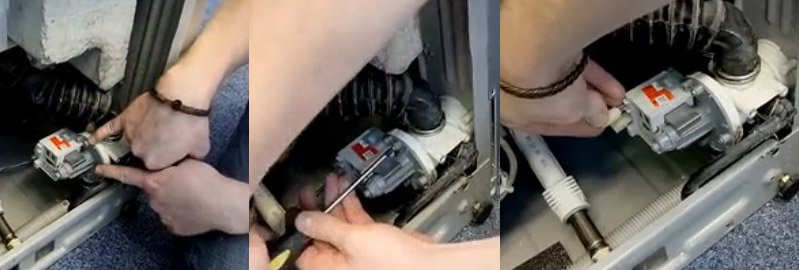
What is the condition of the wiring?
The pump may be receiving no power. This could be due to faulty electronic components or damaged wiring. Before troubleshooting, it's important to unplug the Atlant washing machine. You can also check the wires running from the machine's "brain" to the drain pump for damage.
The washing machine will likely only be repaired after the control module is repaired. Messing with the machine's electronics without knowledge and experience is not recommended. This could result in complete failure of the control module and significantly increased repair costs. It's best to seek professional help from a service center.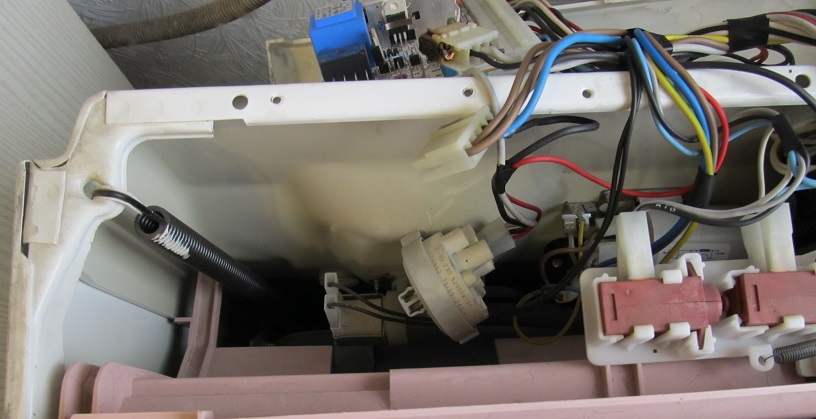
Don't be upset if your Atlant washing machine isn't draining or spinning properly. In most cases, you can fix the problem yourself at home. Checking the filter, hose, pipes, and pump doesn't require any special tools or skills. The most difficult case is when the electronic module is faulty, and you'll need to trust the experts.
Interesting:


Readers' comments
Headings
Washing machine repair




For buyers




For users


Dishwasher




Add a comment