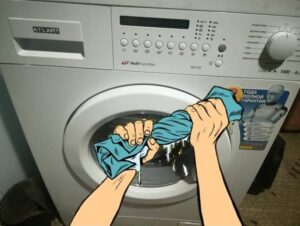
What should you do if your Atlant washing machine isn't spinning properly? The cycle seems to be working properly, but wet laundry is waiting at the machine's exit. There could be several reasons for this behavior. Often, the problem is a simple user error, but sometimes it's a malfunction that requires repair.
Why does the equipment not spin properly?
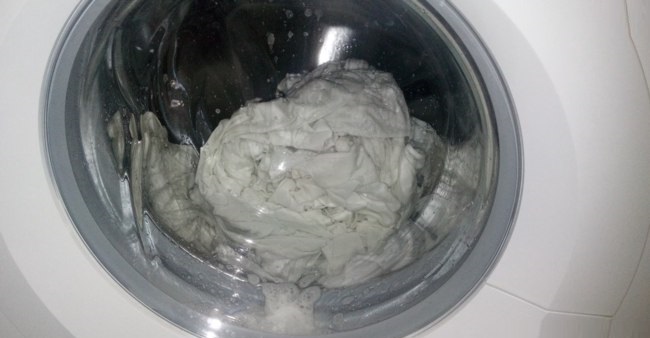
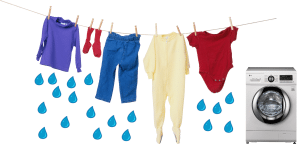
Finding wet clothes in the drum is unpleasant. Removing excess moisture from clothes manually is difficult, especially since it takes a long time. Therefore, housewives are frustrated when they realize their washing machine hasn't spun their clothes.
Monitoring how well the washing machine spins clothes during the cycle is impossible. The only way to check the results is at the end of the program. But then it's too late to take action. You'll have to remove the wet laundry from the drum and investigate the cause of the problem.
The laundry may remain damp in the following cases:
The maximum load capacity was exceeded. If you cram 8 kg of laundry into the drum instead of the recommended 6 kg, the washing machine simply won't be able to spin the laundry properly;
the user mistakenly launched a program that does not include spinning, or where it is performed at minimum speed (for example, in the “Silk” mode, items remain wet, and this is normal);
the drum is loaded with clothes made from fabric of different thicknesses (in this case, only some of the items will be damp);
There's a blockage in the drainage system. This will leave water inside the machine after washing, and even well-spun laundry will become wet again. The problem is usually with the drain hose—it becomes clogged with debris and stops draining.
The washing machine's bearing assembly has worn out. Characteristic symptoms of this problem include knocking and grinding sounds during operation, rusty stains on the back of the drum, and looseness in the drum.
The tachometer sensor is faulty. A broken element cannot control the engine speed, making the spin cycle ineffective;
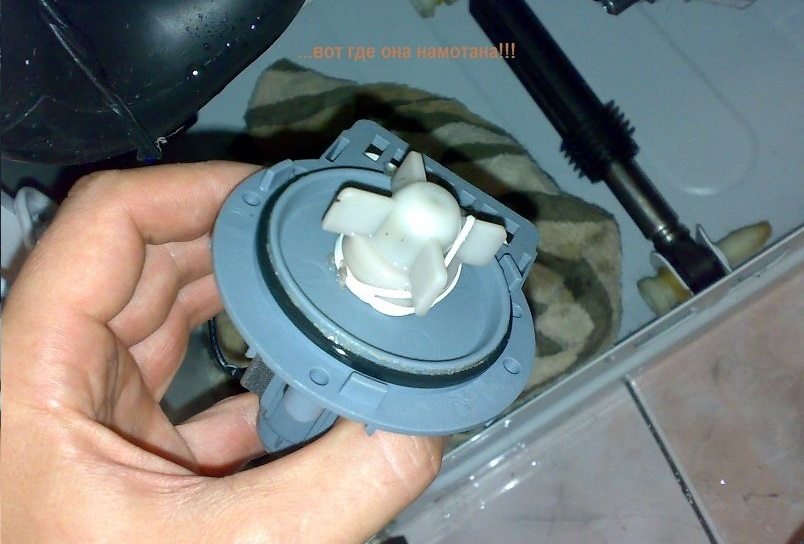
The drain pump is damaged. It can't pump water from the tank to the drain in a timely manner, causing the laundry to become wet.
In rare cases, the machine stops spinning the laundry due to a breakdown of the main control module.
The electronic unit is responsible for the operation of all washing machine components. Therefore, the possibility of module failure should not be ruled out. The contacts on the circuit board may oxidize or the semiconductors may burn out.
Washing machine repairs aren't always necessary. For example, if the problem is overloaded, simply removing some items and restarting the spin cycle may be sufficient. If the problem is due to an incorrectly selected program, activate the appropriate algorithm.
Let's test the machine ourselves
If spin problems are persistent, rather than just a one-off, you need to find the cause. You might be able to fix the problem yourself. Calling a service technician is rarely necessary.
It's best to start troubleshooting with the simplest issues. Try removing some laundry from the drum and restarting the spin cycle. If the problem is simply overloaded, the machine will complete the task, and you'll get semi-dry items. Going forward, it's enough to more carefully monitor the amount of laundry you load into the washing machine.
Check what items were loaded into the drum. If you washed rough and light fabrics together, sort the items and spin them separately. Sometimes this can help resolve the issue.
If the machine isn't overloaded, remember which cycle you ran. It's likely that the program doesn't include spinning, or its speed is set to the lowest. In this case, you'll need to restart the washer, set the spin speed to 800-1000 RPM, and see if it can handle the task.
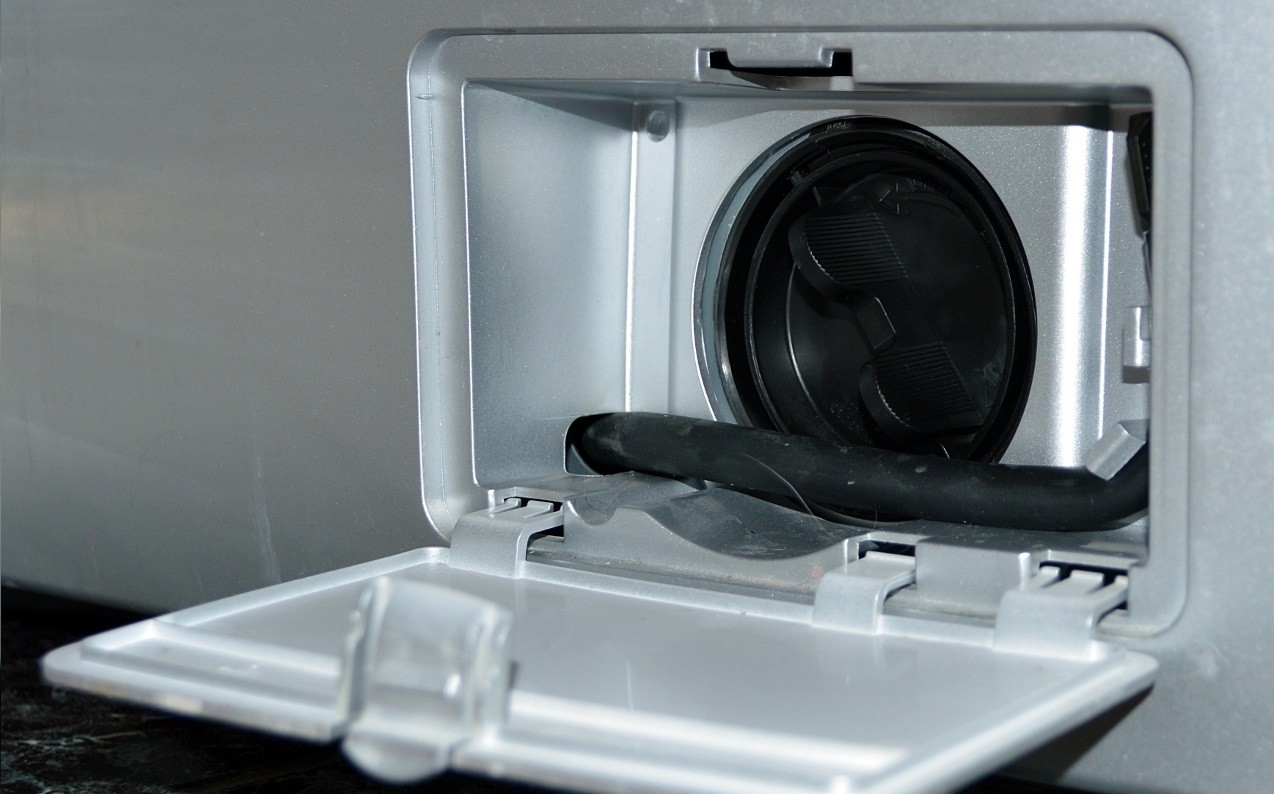
When, during the restart, it turns out that the machine still does not spin the laundry, you will have to take further action. Check the drainage system for blockages; water may remain in the drum, causing semi-dry items to become wet again. Unscrew and clean the debris filter, rinse the drain hose.
If none of these assumptions are confirmed, a more in-depth diagnosis will be required. The problem may be worn bearings. When the bearings wear out, the machine begins to knock and grind during operation, and the drum rotates with noticeable play. Only replacement of the components will solve the problem.
You also need to check the tachometer, drain pump, and engine. Diagnostics of washing machine elements is performed using a multimeter. If necessary, the faulty part is replaced with a similar one.
Repairs will require disassembling the Atlant washing machine body. If it's the pump, simply remove the powder receptacle, debris filter, and bottom tray. If the problem is with the bearings, you'll need to remove the tank and separate it in half. If you're unsure of the job, it's best to call a service technician.
Safety rules
Many washing machine failures can be prevented by following the manufacturer's operating instructions. Users who ignore these tips will quickly encounter problems. Be sure to:
do not exceed the maximum permitted loading weight;
do not allow the drum to become unbalanced;
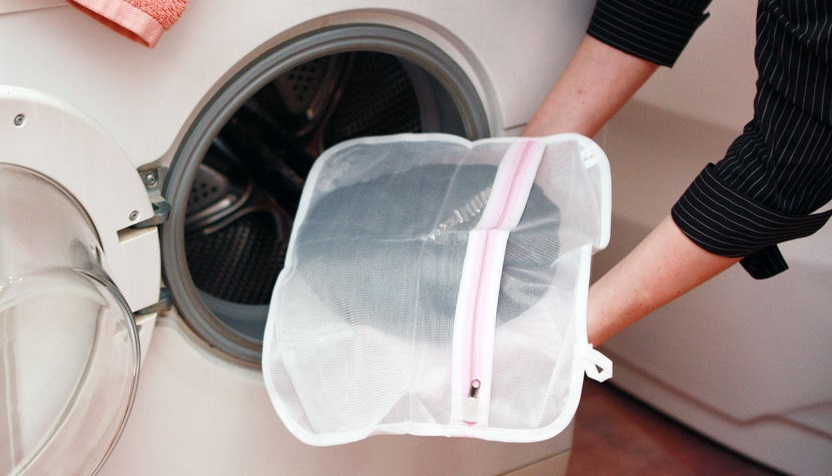
wash small items in special bags;
Empty your clothing pockets before loading items into the washing machine;
Clean the debris filter periodically (once every 3 months).
To avoid problems with the spin cycle, it is important not to overload the washing machine, distribute items evenly in the drum, and clean the drainage system components promptly.
These recommendations will help avoid spin cycle problems. Careful use of the washing machine will prevent many malfunctions. Therefore, it is important to use the machine with care.

 What should you do if your Atlant washing machine isn't spinning properly? The cycle seems to be working properly, but wet laundry is waiting at the machine's exit. There could be several reasons for this behavior. Often, the problem is a simple user error, but sometimes it's a malfunction that requires repair.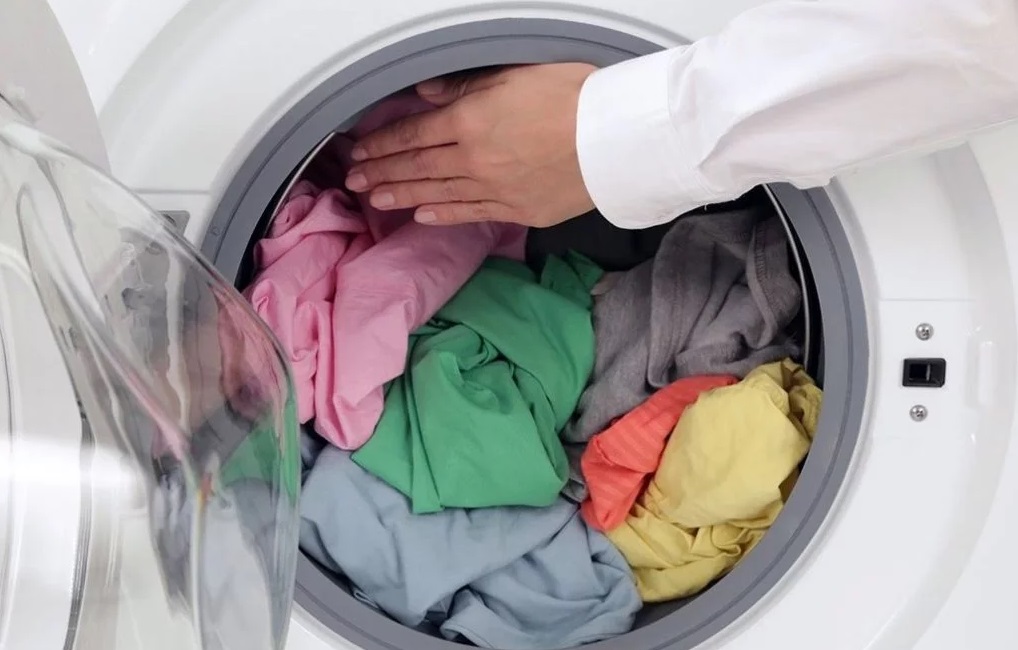


















Add a comment