
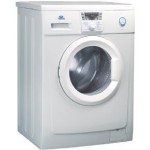
The Atlant washing machine is jumping
 Almost all Atlant washing machines can reach speeds of 800-1000 rpm during the spin cycle. The centrifugal force generated at this speed is absorbed by counterweights and shock absorbers, but some of the load results in vibration—this is normal. If a gentle hum develops into a "jumping" sound throughout the room, the machine is malfunctioning. When a washing machine starts jumping, it's recommended to immediately begin diagnostics. The problem must be identified and resolved as quickly as possible.
Why does the car jump?
In normal operation, the Atlant washing machine is capable of absorbing the lion's share of centrifugal force through counterweights and shock absorption. This allows the machine to operate virtually silently, with minimal vibration, and its power only increases during the spin cycle. If a slight vibration develops into a frightening shaking, then there are obvious problems.
Excessive shaking doesn't always indicate a serious problem with your washing machine. In fact, some issues can be quickly resolved at home. However, first, let's review a list of all possible malfunctions:
- incorrect installation of the machine;
- imbalance;
- failure to comply with loading standards (both excess and shortage);
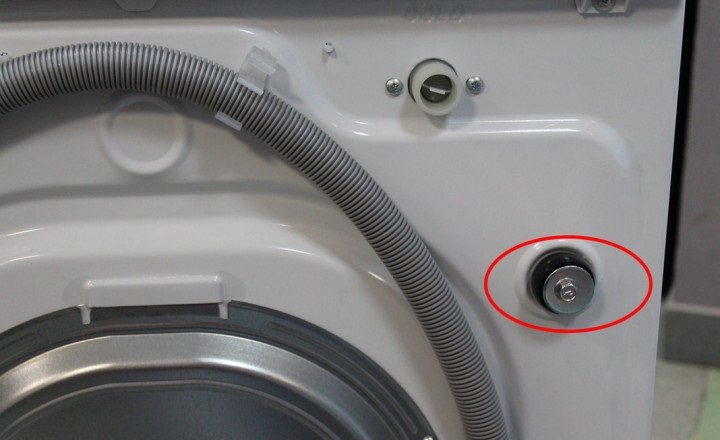
- unremoved transport bolts;
- foreign objects (keys, small change, bobby pins, bra underwires) getting between the tank and the drum;
- damaged shock absorption system (springs or dampers have weakened);
- worn bearings;
- damaged counterweights (loosening of the retaining bolt or crack in the concrete);
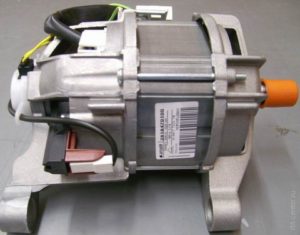
- failed electric motor.
If you read the manufacturer's instructions, follow safety precautions, and follow the recommendations, most problems can be resolved quickly and effectively. The key is to not delay repairs or allow the machine to make the problem worse.
We are looking for the source of the problem
There's no point in immediately contacting a service center—most problems can be resolved on your own. To determine who's at fault and what to do, you'll need to conduct a comprehensive diagnostic of the machine. We'll work from the simplest to the most complex.
One of the most common and easily remedied problems is imbalance. The name itself speaks for itself: the drum becomes unbalanced, falling out of alignment and slamming into the wall. This results in loud jumping and banging sounds.
An imbalance occurs in the following situations:
- the clothes are crumpled in one place, for example, they got stuck in the duvet cover;
- the maximum load weight has been exceeded or, on the contrary, there are too few items placed in the drum;
- the weight is insufficient or excessive for the program included.
If there is an imbalance, the Atlant diagnostic system will stop the machine and display the error code UE or UB on the screen.
The second common cause of abnormal shaking is unremoved shipping bolts. This only occurs on machines being used for the first time. Incidentally, the instructions strictly prohibit operating the washing machine with the drum locked. Furthermore, starting the machine without removing the fasteners can cause severe internal damage, automatically voiding the free warranty.
A washing machine can also bounce due to improper installation. It's easy to check the stability of the machine: just try rocking the housing. If the machine moves with gentle pressure, the installation is the issue, and you'll need to adjust the machine's position with a spirit level.
The next step is to ensure that no foreign objects have gotten inside the machine. Open the hatch and rotate the drum by hand, shining a flashlight into the tank. Most likely, keys or a coin are stuck somewhere, jamming the machine, preventing acceleration, and causing an imbalance.
Now we move on to the more complex issues. First on the list is shock absorption, which is designed to smooth out shaking and vibration. Over time, the dampers wear out and the springs weaken, which causes the drum to become “lost” and hit the walls of the housing, causing jumping and knocking. Similar symptoms occur when counterweights become loose or damaged. If, instead of a dull tapping sound, the machine produces a loud grinding or clanking noise, the bearing assembly should be checked.
It is forbidden to open the case while the warranty is valid; only a service center employee can troubleshoot and repair the faults.
So, it's simple: remove the top cover of the washing machine and inspect all possible problem areas. If there's no imbalance or stuck object, the shipping bolts are removed, the machine is level, and the bearings and shock absorbers are all in good condition, then the motor or a manufacturing defect is to blame. Once the cause is identified, proceed to correct the situation using the instructions below.
We solve the problem ourselves
Once we've determined why the Atlas is jumping, we begin repairs. The procedure and tools depend on the nature and extent of the problem. If imbalance is to blame, then the following steps are necessary:
- stop a running cycle;
- de-energize the equipment;
- start the drain (if the “Drain” button does not work, then use the trash filter);
- open the drum and fix the problem.
Typically, an imbalance occurs due to too much or too little laundry. In this case, it's necessary to remove some items or make up for the extra space. If the clothes have become clumps, simply break them up and distribute them evenly along the walls of the drum. Afterwards you can continue the interrupted wash.
An unstable washing machine needs to be readjusted. Place a spirit level on the lid and, using the level as a guide, adjust the machine's feet. For best results, consider using special anti-vibration pads.
Items inside the drum are more difficult to retrieve. You can try to hook the item with a wire hook through the hole between the drum and the body. Another option is to unscrew the back panel, remove the heating element, and then feel for the lost item through the empty hole.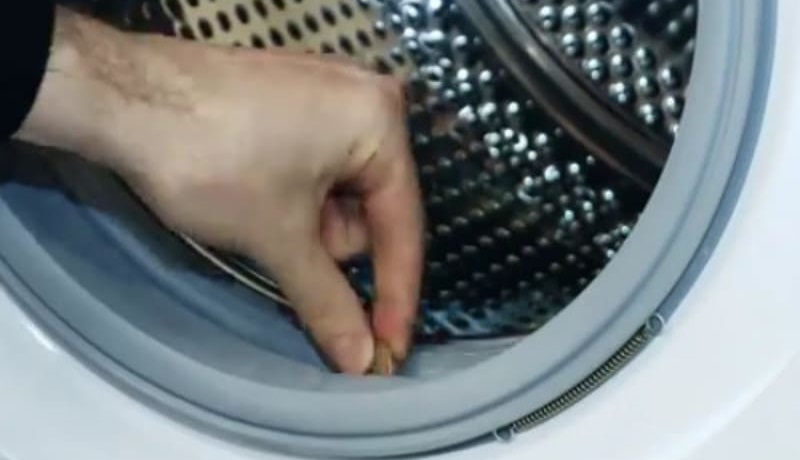
Deteriorated shock absorbers will require more serious intervention, specifically replacement. Dampers and springs are replaced only in pairs, even if one appears to be completely intact. However, the process is quite complex and labor-intensive. Detailed installation details are described in a separate instruction manual.
Damaged counterweights will also require some work. Remove the top cover of the housing and carefully inspect the concrete blocks. The screws holding them in place need to be tightened, and any small cracks or chips repaired with PVA glue. If there are too many defects, it's safer to replace them entirely.
Often, the Atlant jumps due to worn bearings. In this case, the only solution is replacement, which requires almost complete disassembly of the machine. It's best not to approach the bearing assembly unprepared: either contact a service center or study the detailed instructions.
It is recommended to change bearings at least once every 7 years.
It's even worse when the engine is to blame for the surges. Few are capable of diagnosing and repairing the engine themselves, and replacing it is expensive. It's often cheaper and easier to buy a new washing machine.
What do the experts advise?
A bouncing washing machine is no joke, it's an SOS. If you don't react promptly, the machine will bounce around, causing irreparable damage. Preventing vibrations from escalating into shaking is much easier than dealing with the consequences. Moreover, you can minimize the risk of breakdown by following certain rules:
- leave a distance of 3-5 cm around the body;
- monitor the drum loading;
- Do not place foreign objects on the lid of the washing machine;
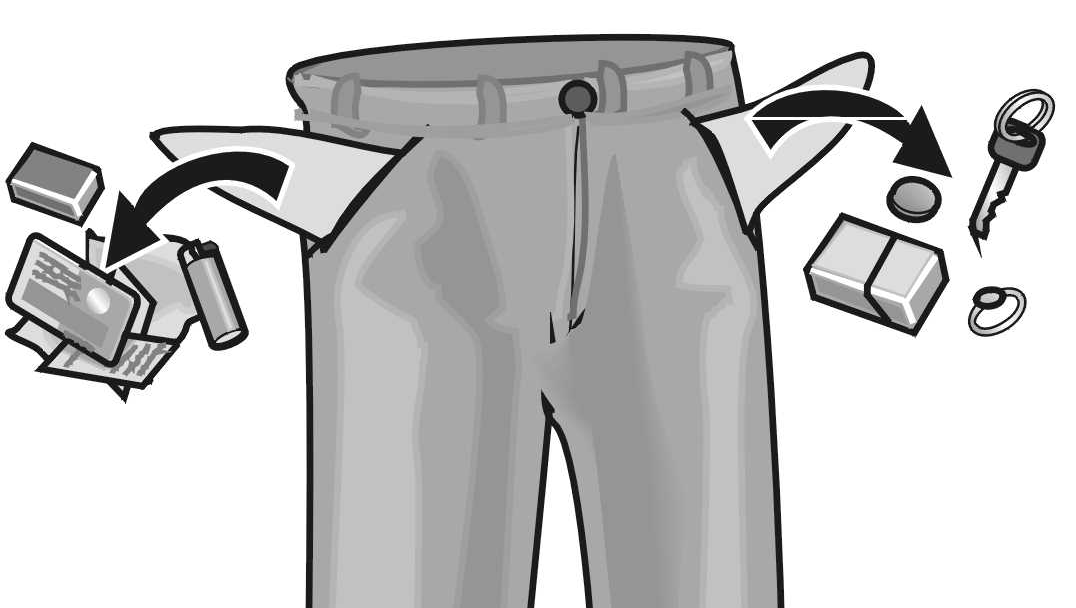
- check pockets carefully before washing;
- Do not start washing without removing the transport bolts;
- sort things by fabric type;
- respond to malfunctions in a timely manner.
Don't ignore your washing machine's bouncing. It's better to protect yourself and your appliance by fixing the problem yourself or calling in a professional.
Interesting:




Readers' comments
Headings
Washing machine repair




For buyers




For users


Dishwasher




Add a comment