
The Beko washing machine takes a very long time to wash
 Depending on the selected program, washing can last anywhere from 15-20 minutes to three hours. Washing machines with a display show the remaining time on the screen. Machines without a display require you to monitor the cycle time manually. What should you do if your Beko washing machine is taking a very long time to wash? For example, you set the cycle to 45 minutes, but it's been running for an hour and a half? Let's figure out what might be causing the problem and where to begin troubleshooting.
Why did this happen?
The machine may continue to wash longer than the specified time due to various factors. It is quite difficult to immediately determine the exact cause of a breakdown; you need to observe the operation of the equipment and identify the "symptoms" of the malfunction. Usually the failure is explained by:
- Overloading the drum. If you violate the manufacturer's restrictions and add too many items, the machine will spend additional time distributing the clothes inside the drum. This can cause the cycle to be extended by several minutes;
- Problems with water intake. If the washing machine's inlet filter or inlet hose is clogged, the solenoid valve is defective, or the water pressure in the pipes is weak, you can expect a prolonged cycle. The machine will take a very long time to fill the tank at all stages of the wash cycle, significantly increasing the program run time;
- A prolonged drain. The washing machine's "brain" drains the water from the drum for about a couple of minutes. Liquid is removed from the system several times, at least during the main wash, rinse, and spin cycles. Adding 5-7 minutes to each drain will significantly increase the overall cycle time. This can be caused by a clogged drain hose, debris filter, or drain pump.
- A faulty heating element or thermostat. This type of malfunction causes the water to heat up to the required temperature much longer than usual, resulting in a longer cycle. It's likely that scale has built up on the tubular heater, reducing its performance. Another possibility is a faulty thermostat; the sensor isn't registering the correct water temperature, preventing the wash cycle from starting.
- A faulty control module. In this case, the washing machine freezes mid-program, then starts working again, and so on in a loop.
In general, washing times can increase for various reasons. A step-by-step diagnostic of your washing machine will be necessary. We'll discuss what to do first and what to check last below.
No water coming in, too many things
If you load a Beko washing machine with too much laundry, more than the instructions allow, it will be more difficult for the machine to distribute the items across the drum. It will also have a hard time getting up to speed. The program will start, but it will take longer than usual. A lumpy load can also slow down the cycle.
It is important not to overload the Beko washing machine, carefully place the laundry into the drum, distributing it evenly over the surface.
Another factor that can cause washing times to become longer is slow water intake. This can occur due to:
- weak water pressure;
- inlet valve not fully open;
- clogging of the inlet mesh filter;
- intake valve defect;
- clogging of the inlet hose.
If the problem is insufficient water pressure, wait until the water in the pipes returns to normal flow. The blockage can be cleared by cleaning it, but the inlet valve will need to be replaced. Troubleshooting should begin with the simple and work its way up. First, check the water pressure, then inspect the shut-off valve, and then the inlet hose. Then you can dig deeper to get to the filter mesh and the solenoid valve.
There is too much water, no drainage
Your washing machine may take longer than usual due to a slow drain. Therefore, if you notice that the machine is slowing down while draining water from the drum, it's important to inspect the drainage system. This could be due to:
- The drain filter is clogged. It's located at the front, bottom of the washing machine. Be sure to remove the element, rinse it, clean the area, and replace the plug.
- Impeller failure. By unscrewing the debris filter and shining a flashlight into the hole, you can see the impeller blades. Use a long stick to spin them. If they don't rotate properly, the part will need to be replaced.
- The drain hose is clogged. This is the tube that runs from the washing machine's tank to the pump. This element will need to be cleaned;
- The drain hose is defective. The machine drains water through it into the sewer. Blockages often form inside the cavity. Clearing the hose may help. Also, check that the drain hose isn't pinched.
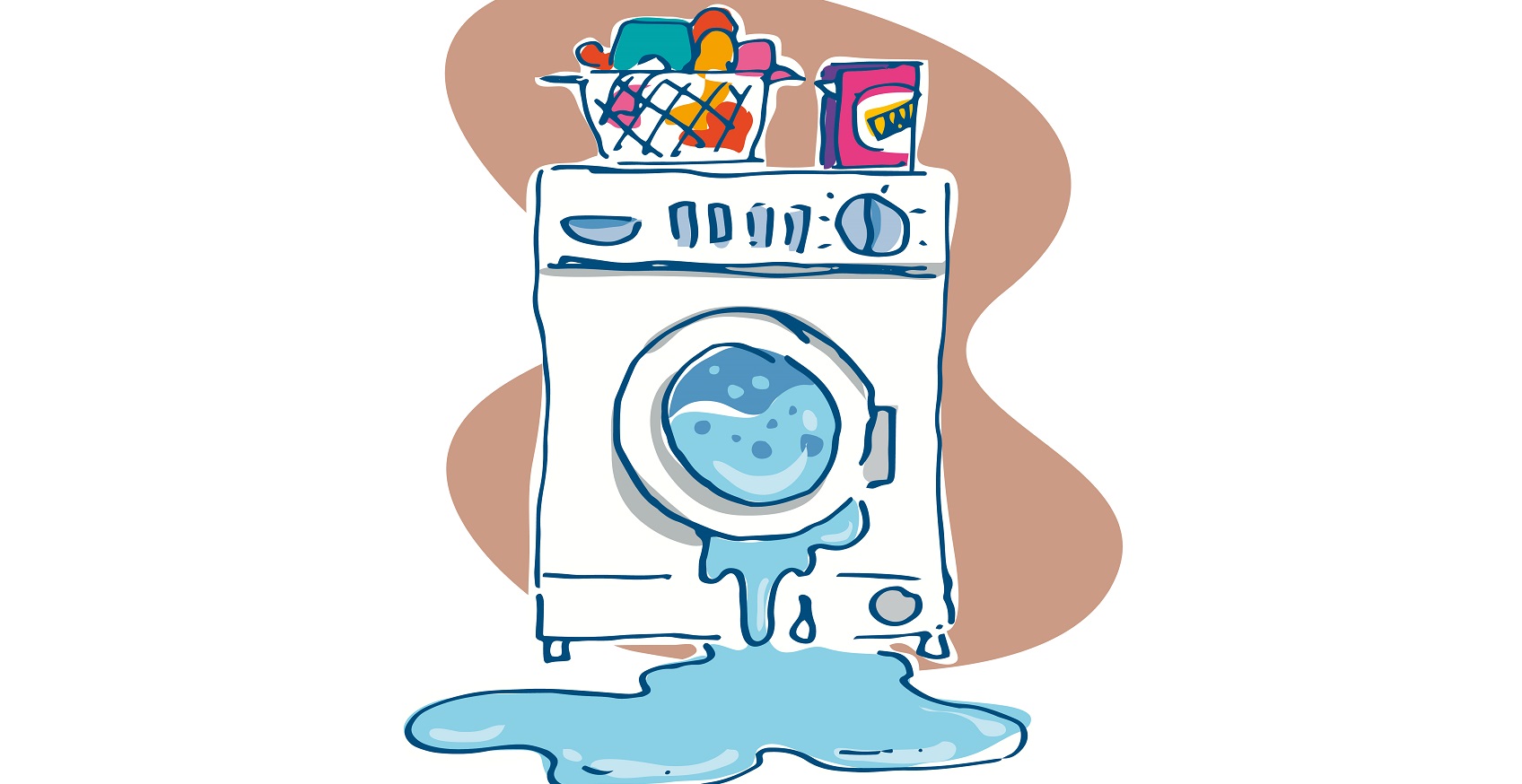
It's not just a slow drain that can affect the runtime of a Beko washing machine. Water draining too quickly, uncontrolled by the machine's intelligent system, can also be the cause. This can be a result of:
- Incorrect connection of the unit. If the drain hose is simply left on the floor, water will drain from the tank by gravity. The "brain" will command the unit to fill, but it will immediately flow back down the drain. The cycle can drag on indefinitely. Check that the drain hose is connected properly, 50-60 cm above the floor;
- Incorrect operation of the pressure switch. The sensor signals the main module when the drum is full, indicating the ability to proceed to the next wash cycle. If the element is faulty, it may signal the "brain" that there is too much water. The liquid will drain, then the drum will refill, and so on in a vicious cycle. Replacing the pressure switch will solve the problem.
Washing time increases with slow drainage or, conversely, uncontrolled removal of water from the machine.
What should you do in this case? You can repair the machine yourself. Even a novice can clean the drain system. Replacing the pressure switch is also easy; the main thing is to follow the instructions.
The water does not heat up well or does not heat up at all
Washing is completed on time when all components of the Beko washing machine are functioning properly. The cycle may be extended due to a breakdown of the heating element or temperature sensor. If it is not possible to bring the water to the required temperature, the machine will operate longer than intended.
Often, the heating element fails to heat the water within the allotted time due to a thick layer of limescale. Hard water contains various impurities that settle on the tubular heater. This causes the element to become coated with scale, which impairs its heat-transfer properties. The water heats up very slowly. There is a solution: you can try cleaning the heating element or installing a new one. If the element is "burned out," the Beko washing machine won't even spin the drum; only replacing the heating element will solve the problem.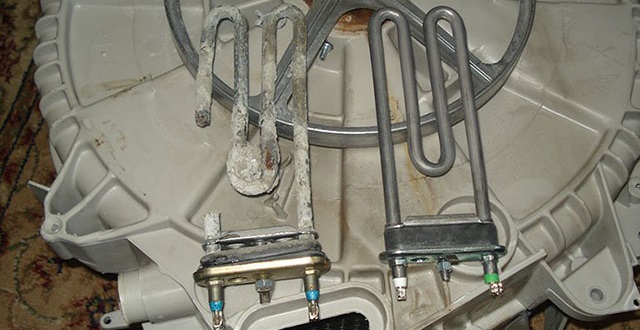
A slow cycle can also occur if the thermostat is faulty. In this situation, the sensor sends incorrect signals about the water temperature in the tank to the "brain." The brain waits for the thermostat to transmit the "right" temperature. This "waiting" process can take a couple of hours. Replacing the thermistor can solve the problem.
Modern Beko washing machines notify you of a malfunction in the event of a heating element or thermostat failure by displaying a corresponding error code on the control panel.
You can diagnose the problem yourself. Remove the heating element and check for scale buildup on its surface. If there is no scale buildup, check the part with a multimeter. The heating element or temperature sensor cannot be repaired; the entire element will have to be replaced.
Electronic board
The worst case scenario is when the cycle is slowed down due to problems with the main module. Damage to the control board is a serious problem that requires professional attention. If the controller is faulty, the Beko washing machine will operate intermittently freezing until the user terminates the cycle.
Fixing the problem isn't easy. In some cases, reflashing the washing machine's firmware may help, in others, replacing the triacs or re-soldering the tracks on the control board may help, and in others, reinstalling the module may be necessary. To avoid damaging the appliance, don't attempt to tinker with the electronics yourself unless you have sufficient skills and experience. A thorough diagnostic of the washing machine will be required, which is impossible to perform without specialized tools and equipment. In this case, it's best to entrust the repair to a professional.
Interesting:
2 reader comments
Add a comment
Headings
Washing machine repair




For buyers




For users


Dishwasher




I have a Beko washing machine. I washed my load, but it won't finish. What should I do?
VEKO automatic washing machine. When set for a 4-minute wash cycle, it washes clothes in 2.5 hours.