
Beko washing machine won't drain
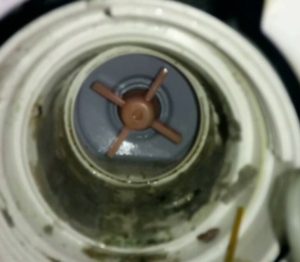 If your Beko washing machine isn't draining, the cycle will have to be terminated early. A full tank of waste liquid will prevent the machine from spinning and rinsing the laundry in clean water. Furthermore, the machine's safety system will attempt to "reset" the machine several times, and if unsuccessful, it will display an error message and halt operation. In any case, you won't be able to continue using the machine. A diagnostic will be required to identify the problem and fix it.
Filter element
To understand what caused the drainage problem, you will have to analyze the behavior of the washing machine. It is important to understand when exactly the system “froze,” how much water was “pumped out” of the tank, and how noisy the machine was before the incident. Only by diagnosing the equipment can you figure out who is to blame and what to do.
Typically, drainage problems on a Beko occur in two situations: a clogged waste filter or a faulty pump. In either case, it's best to start with the waste filter. Here's how:
- we de-energize the machine;
- disconnect from the water supply;
- remove all items that cannot stand moisture (powder, mats) from the machine;
- We protect the area around the machine from water by covering it with oilcloth, rags or newspapers;
- prepare a container to collect water;
- We use a flat-head screwdriver to pry open the door of the technical hatch, located in the lower right part of the case, and remove it;
- we find the trash filter – a black round cover;
- tilt the washing machine backwards until the front legs are 3-8 cm off the floor;
- we place a container under the filter.
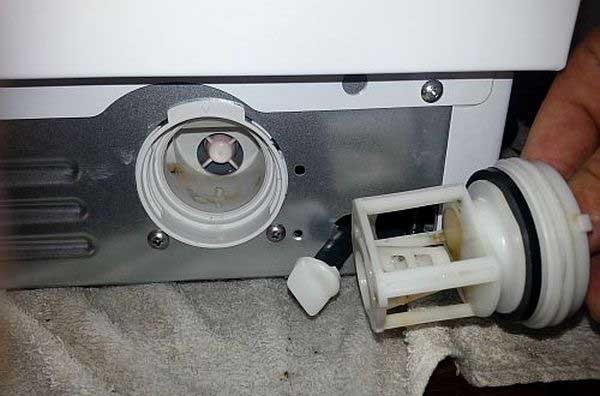
Once prepared, we begin removing the filter. The process is simple: grasp the protruding part of the filter and turn it clockwise. Once the coil loosens, pull it toward you, removing it from its seat. Be extremely careful—water will begin to flow out of the tank under high pressure, splashing.
The removed filter should be carefully inspected and cleaned. First, remove any heavy dirt, stuck-on debris, and tangled hair. Then, thoroughly rinse the coil under running warm water. If the surface of the "filter" is covered in scale or other deposits, you'll need to soak the part. Dissolve citric acid in warm water and soak the plastic part for 5-8 hours. Avoid boiling water, as the material can easily deform at high temperatures.
Do not remove the waste filter if there is hot water in the drum – this will cause burns!
Another cause of slow drainage could be a dirty filter seat. Therefore, after removing the filter, it's recommended to shine a flashlight into the newly exposed hole and remove any foreign objects. It's also a good idea to wipe the interior surfaces with a damp cloth. If the problem persists after cleaning, you'll need to inspect the washing machine's pump.
Dismantling the pump
The pump is often to blame for a drain problem. It's the pump that's supposed to pump dirty water out of the drum, so when it stops working, the washing machine can't empty the drum. To correct the situation, it is necessary to diagnose and repair the pump. But first you have to get it out of the machine.
On Beko washing machines, the pump can be accessed through the bottom. You'll need a wrench, screwdrivers, and a container to collect the water, then disconnect the machine from the power supply and begin disassembling. Follow these steps.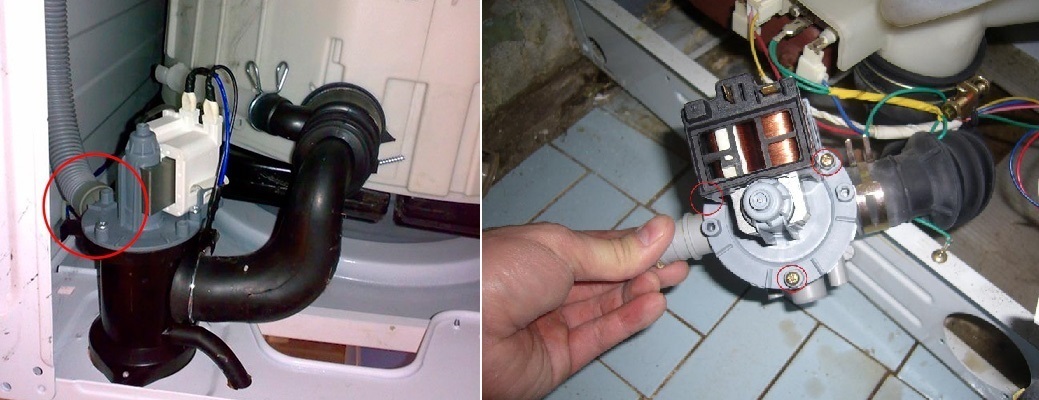
- Using a flat-head screwdriver, pry up the technical hatch and unclip it.
- We unscrew the trash filter.
- We release the pump from the retaining bolt.
- We disconnect all connected wires and pipes.
- We turn the pump counterclockwise, simultaneously pushing the pump deeper.
- We put our hand through the bottom and pull out the pump.
- We place the part on a dry surface and begin searching for the fault.
Before disassembling the washing machine, it is necessary to disconnect it from the power supply!
To make it easier to reach the pump yourself, you can lay the Beko on its left side. This way, you won't have to feel it, which will speed up the pump removal. Remove the detached pump and begin the diagnostics.
Let's take the part apart and see
Repairing a drain pump means cleaning it. More specifically, the pump impeller needs to be cleaned. To do this, the rotating part needs to be removed. This is done simply: use a screwdriver to unscrew all the screws on the housing, separate the housing, and locate the "head" with the impellers.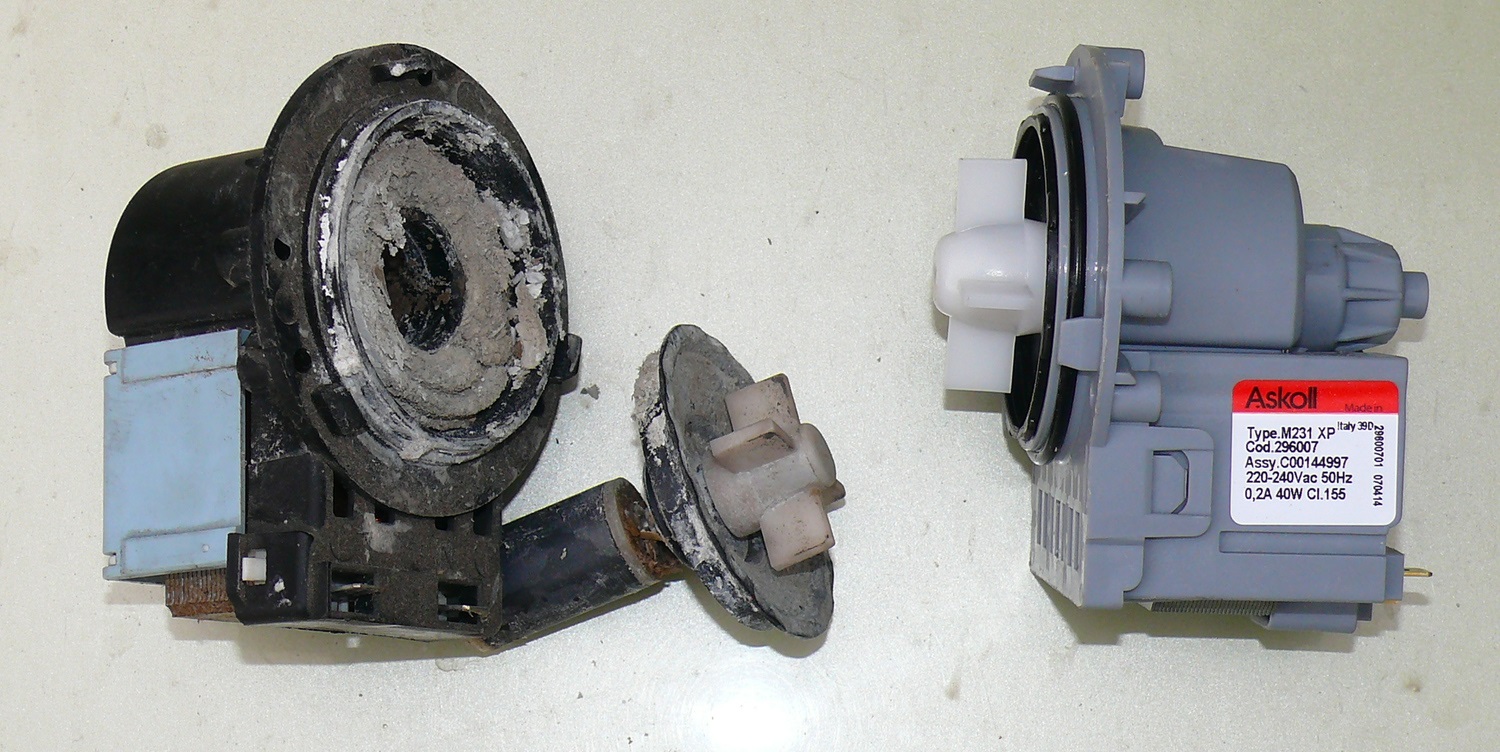
The impeller should rotate, but not too freely. If the "wheel" slips off the mounting axis, the part needs to be secured tighter. Once the blades are locked, we proceed differently: we clean off all interfering debris, hair, and threads. At the same time, we clean the pump and volute.
The manufacturer recommends performing a comprehensive cleaning of the washing machine at least once a year.
The cleaned parts are returned to their original positions: the impeller is reattached to the pump, which is then reattached to the volute. Reassembly is performed in reverse order. Upon completion, it is recommended to run a test wash to evaluate the machine's performance. If the cycle runs silently, the water drains smoothly from the drum, and the self-diagnostic system detects no malfunction, the problem has been resolved. Otherwise, a replacement will be needed.
Let's test the pump coil
It's best to play it safe and check the pump's functionality with a multimeter. Set the tester to "Resistance" mode, connect the probes to the pump terminals, and note the reading on the display. Normally, the device should show a reading of 150-260 ohms.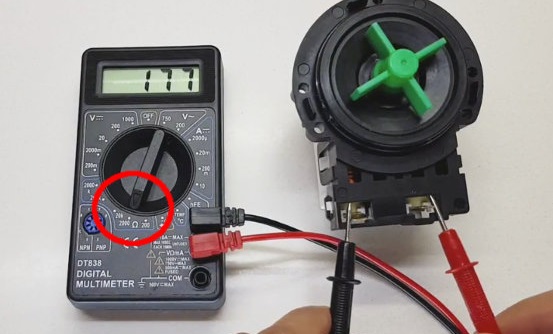
If the display shows "0," the pump is faulty due to a short circuit. If the resistance is over 120 ohms, it's likely a broken winding. Repairing a damaged wire is difficult and expensive; it's easier and cheaper to buy a new pump.
Repairing a pump is difficult and unprofitable – it’s better not to waste time and replace the pump completely!
It is not difficult to replace a faulty pump at home. The main thing is to purchase a suitable analogue, based on the serial number of the existing model. BekoAnother option is to dismantle the old device and bring it to the store consultant as a sample.
If cleaning the debris filter and replacing the pump doesn't resolve the drain, the problem lies with the control board. We don't recommend attempting to repair the module yourself; it's best to contact a professional.
Interesting:



1 reader comment
Add a comment
Headings
Washing machine repair




For buyers




For users


Dishwasher




What if the machine only drains after you blow into the drain hose?