Modern washing machines can accelerate the drum to 1200-1600 rpm during the spin cycle. To dampen the resulting centrifugal force, counterweights and shock absorbers are incorporated into the design. However, completely eliminating drum vibration at this speed is impossible.
Therefore, a slight vibration of the machine body at the end of the cycle is perfectly acceptable. But what if your Beko washing machine bounces during the spin cycle? This shouldn't happen. Let's figure out what to do in this situation. We'll explain what kind of malfunction this behavior of your "home helper" might indicate.
Why doesn't the car stand level?
Any automatic washing machine will vibrate during the wash cycle, especially during the spin cycle. Shock absorbers and counterweights cannot completely dampen the resulting centrifugal force. Therefore, a slight vibration is perfectly understandable—it doesn't disturb the peace of the household and doesn't raise any concerns.
It's a different matter when the machine jumps around while spinning, making a loud noise. This symptom doesn't always indicate a malfunction. Sometimes the cause is improper installation.
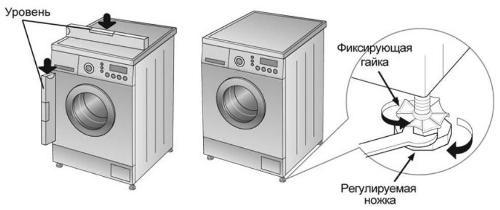
Therefore, first of all, use a spirit level to check that the washing machine is level. The flooring underneath the washing machine should be firm and durable. If the machine is uneven, adjust the feet.
Also, incorrect behavior of the Beko washing machine during spinning may be caused by:
the emergence of imbalance;
overloading the machine or, conversely, underloading it (it is important to strictly adhere to the maximum permissible weight established by the manufacturer);
transport bolts that have not been unscrewed from the washing machine body (typical for the first cycle of new machines);
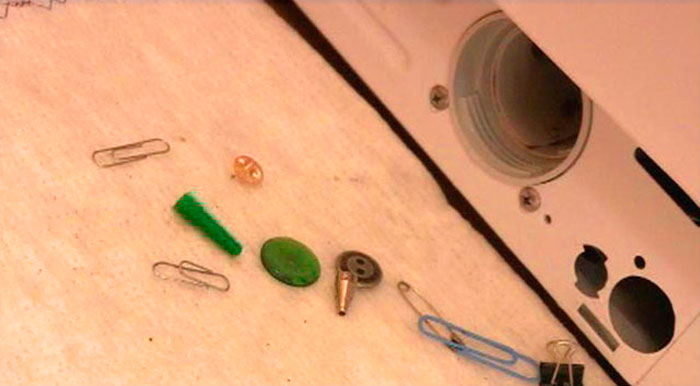
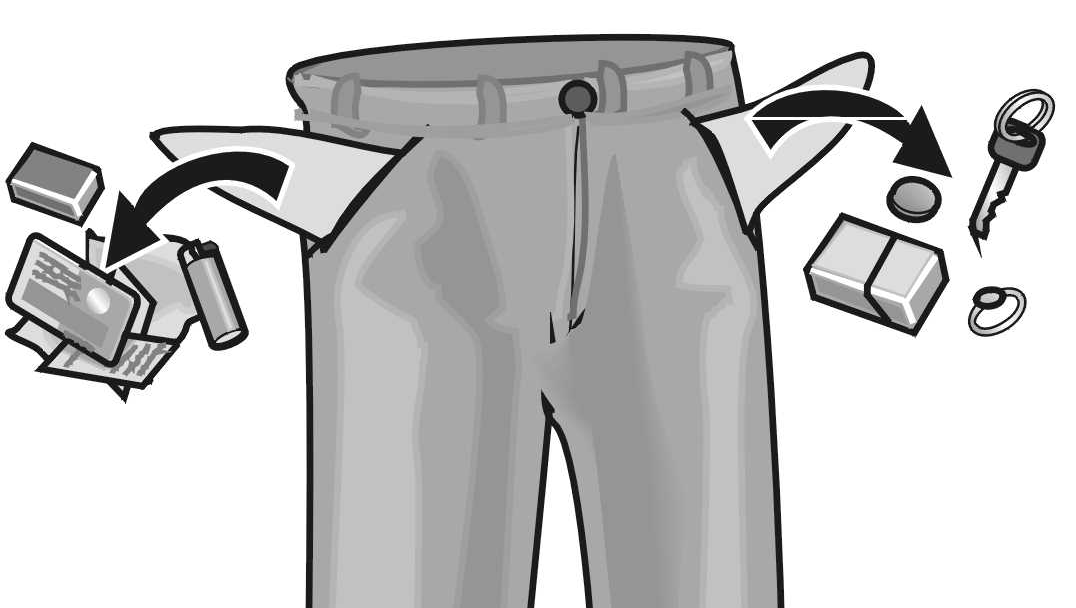
a foreign object that has entered the space between the tank and the drum of the machine (this could be a coin, a hairpin, a key, a bra underwire);
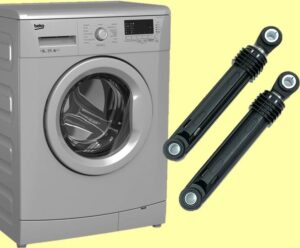
wear of shock-absorbing elements (springs or dampers);
damage to counterweights or weakening of their fastenings;
breakdown of the electric motor;
wear of the bearing unit.
If you notice that your Beko washing machine is jumping during the spin cycle, do not delay diagnostics and repairs.
In most cases, you can fix the problem yourself. Therefore, don't delay diagnostics. Continuing to use the jumping machine will only make the situation worse. We'll tell you where to start checking your "home assistant."
How do we find the cause of the problem?
Don't attempt any DIY repairs if your washing machine is still under warranty. In this case, it's best to contact a service center immediately. Specialists will diagnose the problem and repair it free of charge (unless, of course, the breakdown was caused by improper use).
If the warranty period has long expired, you can try to fix the problem yourself. First, observe the washing machine. Notice at what point in the cycle it starts making noise/knocking/jumping.
Diagnostics are performed from elementary to more complex problems. Sometimes a typewriter Beko starts jumping due to drum imbalance. The container deviates from its trajectory and begins to hit the walls. This can easily cause knocking, jumping, and strong vibration. Why imbalance usually occurs:
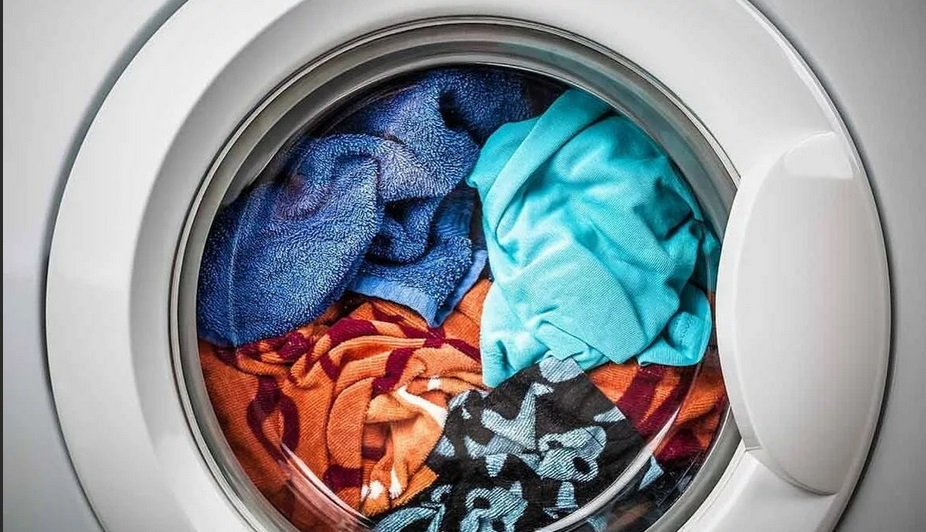
the laundry in the drum gets bunched up into one lump (for example, small items get stuck in the duvet cover);
The recommendations regarding the permissible load weight of the washing machine have been violated (this applies not only to the overall indicator, but also to the permitted weight of laundry for each washing mode).
Each washing program has its own load recommendations. For example, the maximum load is allowed for the "Cotton" cycle. When using the "Wool" cycle, the drum can hold no more than 1-1.5 kg of items.
If your new Beko washing machine is jumping and banging, it could be because the shipping bolts haven't been removed. These are designed to secure the drum so it doesn't wobble during transport. The machine's manual states that these bolts must be removed from the machine before using it for the first time.
It is strictly prohibited to start the washing machine without removing the transport bolts.
The purpose of the bolts is to hold the drum in place. When the cycle starts, the bolts will prevent the drum from rotating. This will cause the motor to run at maximum speed, which can lead to motor failure. Remembering that the bolts are still in place, immediately stop the cycle, unplug the washing machine, and remove them from the washing machine.
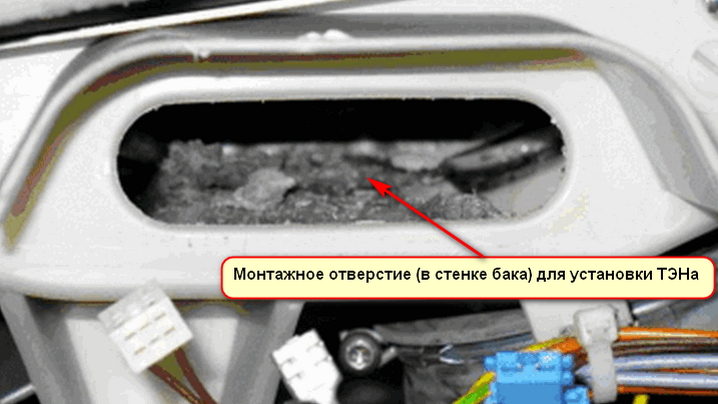
Sometimes the problem is a foreign object lodged in the space between the tub and the drum. In this case, the machine will make a knocking noise throughout the entire cycle, not just during the spin cycle. The foreign object can be removed through the hole under the heating element or by completely disassembling the washing machine.
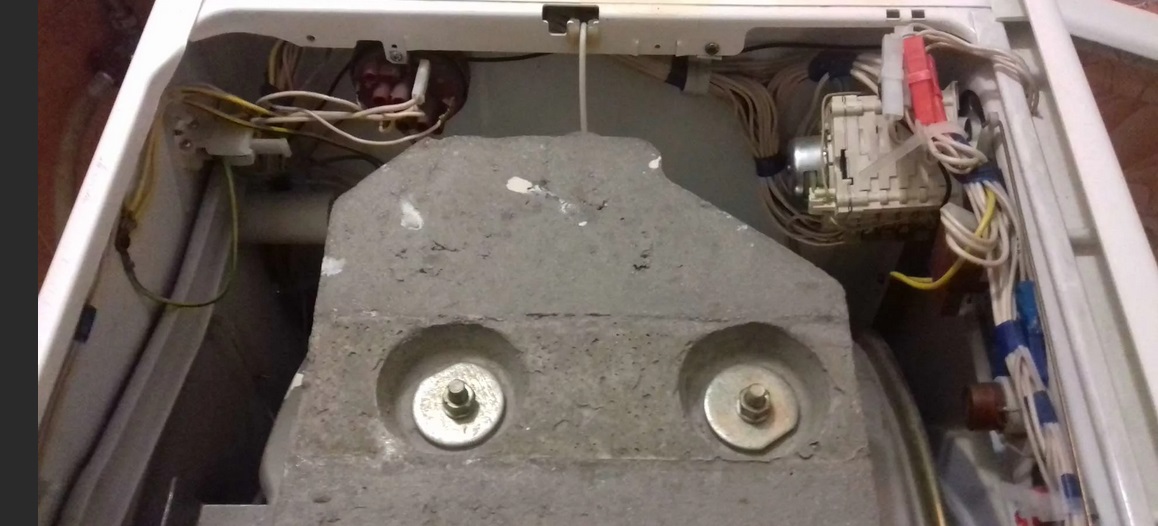
Next we will have to proceed to a more in-depth diagnosis. Often SMA Beko jump during spinning due to wear of shock absorbers or damage to counterweights. Sometimes loosening of the concrete weight fasteners is observed; in this case, it is sufficient to tighten the fasteners more tightly.
Checking the shock absorbers is very simple. To do this, remove the top cover of the Beko washing machine and press firmly on the tank, lowering it. Then, quickly remove your hands – the tank should immediately return to its original position. If the tank bounces up and down for a long time, it means the springs and dampers are not performing their functions.
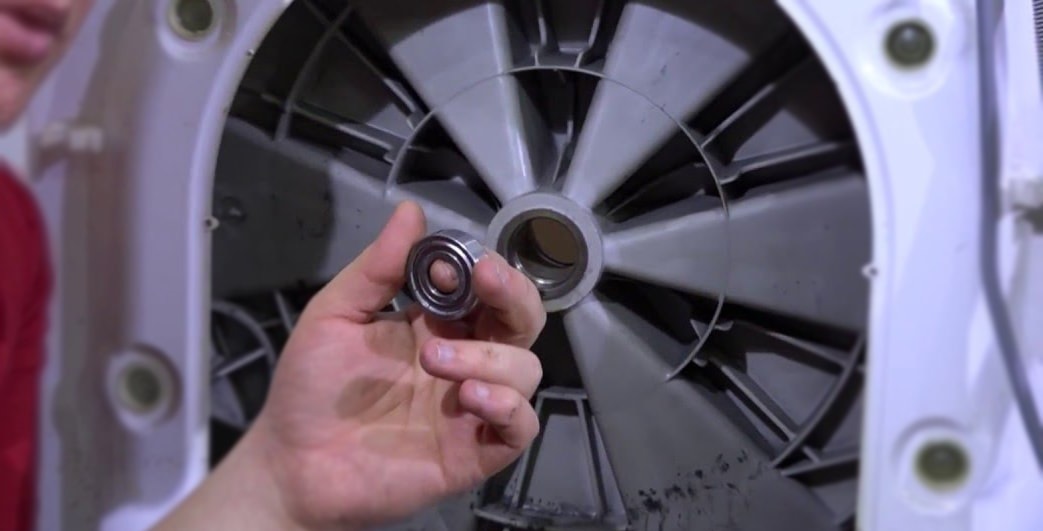
If your washing machine not only bounces during the spin cycle but also makes a loud grinding or even clanking noise, the drum bearings are clearly the culprit. The metal rings are breaking and no longer performing their job. In this situation, a complete disassembly of the machine will be necessary.
If all the above issues have been ruled out, a manufacturing defect is likely. This typically occurs during the first year of use, when the machine is still under warranty. Therefore, in this case, it's advisable to contact a service center for assistance.
How to "calm down" the machine?
All the probable causes of this washing machine behavior have been identified. What should you do if you discover the problem? What should you do as a user?
The course of action will depend on the nature of the breakdown. In any case, before starting diagnostics and repairs, de-energize the washing machine and disconnect it from the water supply and sewerage system. Only then can you disassemble the case and check the operation of the internal components of the washing machine.
If the problem is imbalance, fixing it is easy. Just:
end the current washing program by pressing the “Off” button;
de-energize the washing machine;
drain the water from the drum (through the emergency hose);
Open the hatch door and spread the items evenly in the drum.
An imbalance typically occurs when there's too little or too much laundry. Therefore, the user will either have to remove some items or add more. If the items are bunched up, simply straighten them out. After that, the cycle starts over.
If the problem is due to improper installation, the solution is also easy. Align the washing machine body. The machine's feet can be adjusted so that the washing machine is level.
It is advisable to place a special anti-vibration mat under the body of the Beko washing machine during installation.
If a foreign object gets into the washing machine tank, you'll have to deal with some trouble. You can remove it:
through the hole into which the heating element is inserted;
using a homemade wire hook (it fits through the holes between the tank and the drum).
It's easier to remove a foreign object through the heating element opening. To do this, remove the top and back panels of the washing machine and remove the heating element. The resulting opening is large enough for a human hand to fit through.
To inspect the counterweights, you'll need to remove the top cover of the Beko washing machine. Concrete blocks are located directly beneath the panel. If the counterweights have significant chips or cracks, they will need to be replaced. If the components appear intact, check that they are securely tightened.
Complex work awaits if the shock absorbers wear out. The springs or dampers will need to be replaced; they cannot be repaired. Therefore, it is necessary to remove the old parts, purchase replacements, and install them in their original locations.
In this case, you'll need to almost completely disassemble the washing machine: remove the top panel and dashboard, pull out the detergent drawer, reinsert the drum seal, and remove the front panel. After that, lay the machine on the floor and begin replacing the shock absorbers.
It's frustrating when the problem lies with the electric motor. Diagnosing the motor yourself is very difficult. Repairing the engine without any experience is even more challenging. Therefore, you'll either have to hire a specialist or buy a new part and install it in place of the damaged one.
Broken bearings can cause jumps during the spin cycle. Replacing the metal rings and seal requires almost complete disassembly of the washing machine. The drum will need to be removed and split in half. Once the repair is complete, the washing machine is reassembled in reverse order.
Recommendations from experts
It's important to respond promptly to any inappropriate behavior from your "home assistant." It's much easier to fix the problem at an early stage than to deal with the consequences of a breakdown. A simple imbalance, repeated constantly (if the user does not follow the loading rules), can lead to failure of the shock absorbers and damage to the bearings.
When using a washing machine, it is important to follow a few simple rules:
install the equipment strictly level, on a hard floor;
Place a rubber anti-vibration mat under the machine;
leave gaps of 3-5 cm between the walls of the washing machine and any other surfaces;
control the drum loading, do not exceed the maximum permissible weight;
Always check the pockets of items before loading them into the machine – this will prevent foreign objects from getting into the drum;
don't forget about the transport bolts (this applies to new machines that are being started for the first time);
Always sort the laundry you load into the washing machine;
do not forget about the need to clean the washing machine’s debris filter every 2-3 months;
Do not store dirty laundry in the washing machine.
Don't operate a washing machine with any malfunctions. It's best to fix even the most minor issue immediately. Otherwise, it could lead to more serious problems that will require much more money, effort, and time to resolve. Especially if the machine is new—diagnostics under warranty are free.

 Modern washing machines can accelerate the drum to 1200-1600 rpm during the spin cycle. To dampen the resulting centrifugal force, counterweights and shock absorbers are incorporated into the design. However, completely eliminating drum vibration at this speed is impossible.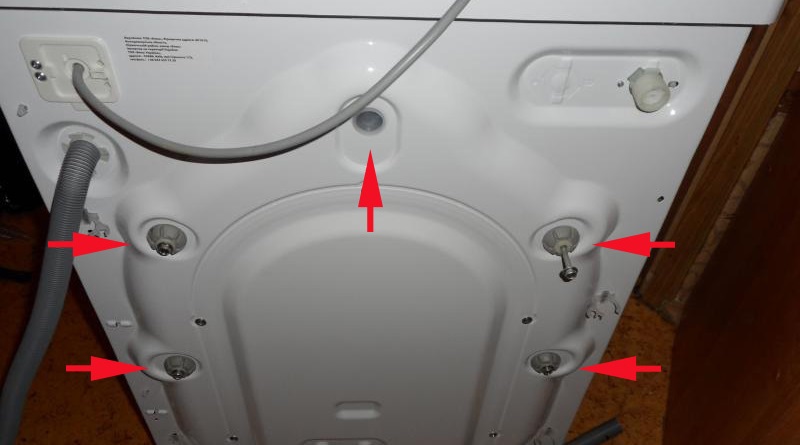


















Add a comment