
Which is better: Bosch or Candy washing machine?
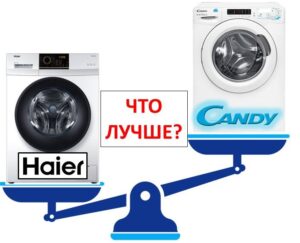
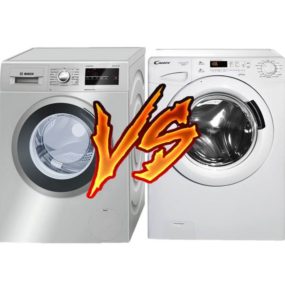 When searching for new household appliances, buyers often have to choose between quality and affordability. The former is embodied by the long-established and reliable Bosch brand, while the latter is represented by the budget Candy, made of cheap plastic and easily broken parts. Opinions differ: some extol the high-quality German appliances, while others point to the Chinese quality-price ratio. However, the question of which washing machine to buy, a Bosch or a Candy, remains open. We invite you to find out what experts think and which models are better.
Consolidated opinion of the masters about Kandy
If you look at Candy through the eyes of the masters, you can see all the strengths and weaknesses of this manufacturer. On average, Candy washing machines last 3-5 years, but repairability is low—in 40% of cases, the first breakdown becomes permanent. Washing machine parts are inexpensive, but the repair itself will cost the owner a significant amount. For example, replacing the drum-tub assembly is equivalent to purchasing a new machine. Therefore, this brand's units are not repaired and are immediately disposed of after a breakdown.
Another weak point is the electronics, which are sensitive to even the slightest voltage fluctuations. Due to the low-quality plastic used, water often leaks from the tank and dispenser through the welds. The poor stability of the housing adds to the bleak picture. Candy's light weight results in poor resistance to centrifugal force during spin cycles, bouncing, increased vibration, and noise.
The average service life of Candy washing machines is up to 5 years.
So, Candy is a good choice for those looking for a "home helper" for a maximum of 3-5 years. This popular budget model will not let you down in difficult times, and if it breaks, you can replace it with a new one. However, if you want a less demanding, reliable, and easy-to-repair washing machine, it's better to choose a different manufacturer.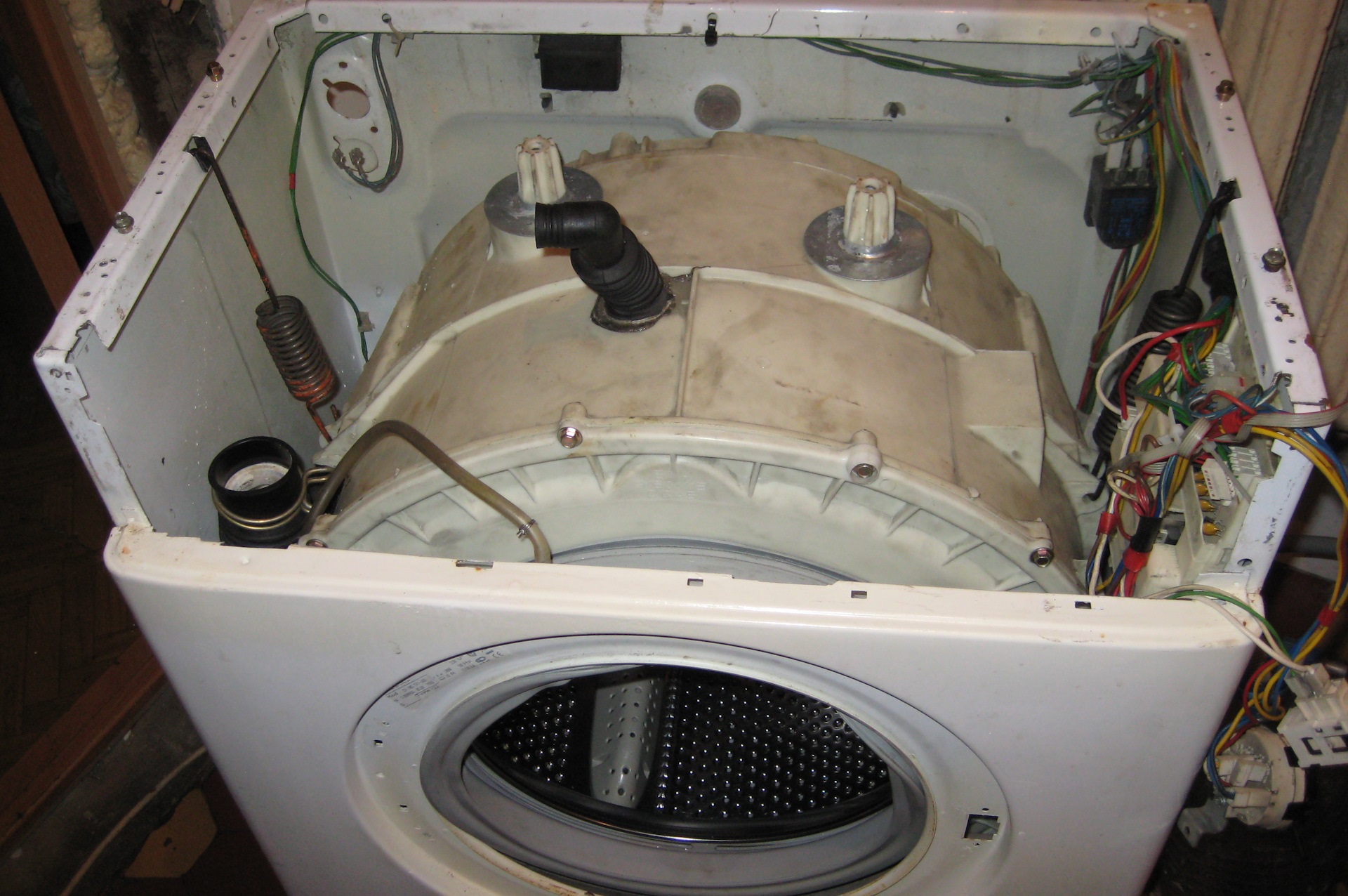
What do the pros say about Bosch?
In terms of build quality and reliability, Bosch is far ahead of Candy. As a rule, the average trouble-free service life of German cars exceeds 7-10 years, which is twice as long as that of the “Chinese” ones. If the main criterion is the strength of metal parts and electronics, then the choice is obvious.
Interestingly, all Bosch models, both expensive and more affordable, are of equal quality. The bearing assembly wears out more slowly, so owners rarely seek repairs. Technicians also note that other components, such as pressure switches, filler valves, heaters, and pumps, perform better and last longer.
On average, a Bosch washing machine works reliably for 7-15 years.
Bosch also has several disadvantages.
- High prices for spare parts. Only genuine parts manufactured in Germany are used for repairs. Naturally, failure of any non-standard component, such as a waste filter or access panel, will be more expensive, and the wait will extend to several days.
- Need to replace brushes? Bosch brushes are equipped with carbon brushes, which wear out very quickly and therefore need to be replaced regularly.
- Water quality is crucial. Water that's too hard or dirty will negatively impact the washing machine's performance, causing it to become capricious and slow. It's better not to risk the machine and instead install a filtration system, which will come at a price.
- Russian assembly. Recently, consumers have been giving negative reviews to cars assembled in St. Petersburg. But there's a solution: choose fully German-made units.
So, we conclude: Candy can't compare to Bosch in terms of quality and reliability. The former has only one advantage – price, but the latter is ready to fully earn its money.
The best technology of both brands
What is better: quality or low price – everyone decides for themselves. In any case, before purchasing, you need to evaluate not only the brand, but also the specific washing machine. We offer an overview of the most popular Candy and Bosch models.
Let's start with the German brand Bosch, specifically the WLT 24560 model. This is a freestanding front-loading washing machine with a capacity of up to 7 kg. It features electronic controls, a text display, and a white exterior. This washing machine will cost between $290 and $320. Specifications include:
- energy efficiency class – A+++;
- washing efficiency level A;
- delay timer – up to 24 hours;
- maximum speed mode – 1200 rpm;
- safety – partial leak protection, child lock, automatic control of imbalance and foaming;
- Number of modes – more than 15, including direct injection, mixed, stain removal, preliminary.
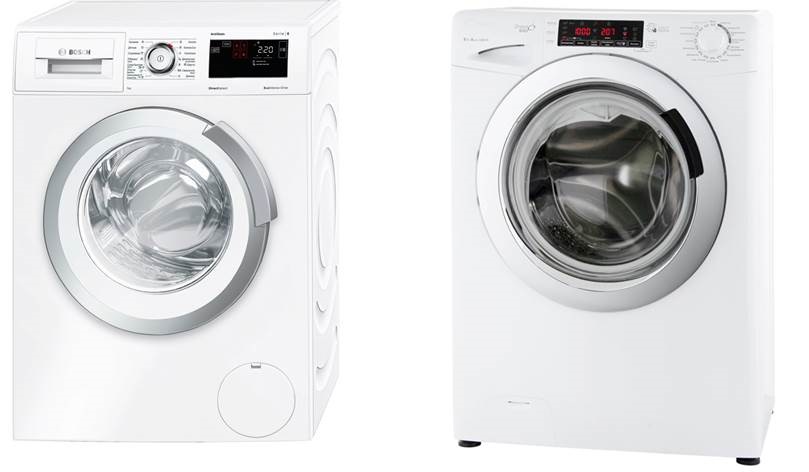
The Bosch WLT 24560 also impresses with its technological features. Thanks to the unique EcoSilence Drive, AntiStain, EcoSilence Drive, and VarioPerfect innovations, the machine not only cleans efficiently but also optimizes water and energy consumption.
A less expensive Bosch washer is also worth considering: the WLL 20166, priced at $200–$220. This freestanding front-loading washer offers excellent value. Its clear advantages include a digital display, touch controls, and a 6 kg capacity. It also scores highly in terms of efficiency and energy consumption: an "A" rating for the former and an "A++" rating for the latter. As for spin speed, the machine reaches a maximum of 1000 rpm. Safety is also excellent, as the body is partially leak-proof, features a panel lock, and includes balance and foam level monitoring. In addition to the basic set of modes, there are several additional programs, as well as a delayed start, sound feedback, and support for unique Bosch technologies.
If you're looking for the most affordable options, the Candy GVS44 138TWHC washing machine is one of the first to catch your eye. It costs an average of $100–$130. For this price, you'll get:
- Front-mounted free-standing machine with a white body;
- capacity up to 5 kg;
- Electronic control with a display and the ability to give commands via a smartphone;
- low electricity consumption class A+;
- spin speed up to 1000 rpm (can be varied up to cancellation).
! The average cost of a Bosch washing machine is $200–$450, while a Candy washing machine is $100–$120.
The Candy GVS44 138TWHC also offers partial leak protection, a panel lock to prevent accidental operation, and an expanded range of programs. A 24-hour delayed start timer is also a plus, allowing you to remotely start the washing machine at a preset time. Additional features include free temperature selection, a self-cleaning function and a Shiatsu drum.
Another Candy model, the GVS44 138TWHC, is slightly more expensive, starting at $180. However, the price is justified by its larger capacity, as this model's drum holds 8 kg of dry laundry. Also a plus is its higher energy efficiency rating (A+++) and the ability to spin at up to 1300 rpm. A bonus is the washing machine's full protection against water leaks, which further enhances its safety. child lock, balance control, and foam control. The manufacturer also generously offered around 15 programs, including steam, anti-crease, and stain removal. Users will appreciate the 180-degree hinged door, 24-hour delayed start, reduced noise, and Smart Touch technology.
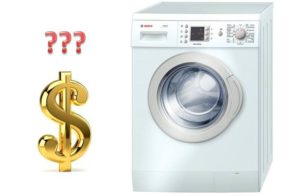
You'll pay a premium for Bosch quality, but the washing machine will last for years without breakdowns or problems. Its competitor, Candy, is less expensive but can fail at any time. The key is to make the right choice.
Interesting:
Readers' comments
Headings
Washing machine repair




For buyers




For users


Dishwasher




Add a comment