
Bosch washing machine not filling with water
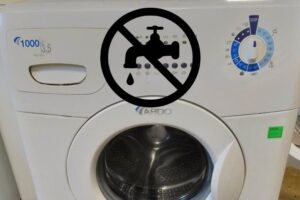
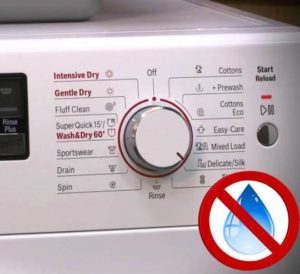 It's easy to notice that your washing machine isn't filling with water: the machine doesn't hum, the drum doesn't fill, and the cycle doesn't start. This all indicates a malfunction, which must be corrected before the wash cycle can begin. Several faults can cause the machine to fail to fill. To resume washing, you'll need to run a Bosch diagnostic, determine the nature of the fault, and fix the problem. A list of possible errors and step-by-step instructions will help.
What kind of problems caused this?
An empty Bosch washing machine won't wash clothes, so it's important to remedy the situation quickly. First, check to see if there's water in the pipes—it's possible the central water supply is shut off. Second, ensure the door is securely closed, as an unlocked drum won't activate the door lock and won't prompt the drum to fill.
If the water supply and door are OK, we begin an extended diagnosis. Several faults can cause problems with water intake: from a pinched hose to damage to the control board. It is not difficult to determine the “culprit” if you know the main “symptoms” of typical failures and breakdowns.
- Broken filling valve. If you've previously noticed that the powder isn't being completely flushed out of the dispenser, there's a good chance the component is faulty. Checking its functionality is easy: simply plug the element into the power outlet and apply 220V. A functioning valve should close and click, but if there's no response to voltage, it needs to be replaced. We'll check both devices at once.
- Clogged strainer. The machine won't fill with water if the inlet filter system is clogged. The machine will take a long time to fill the tank and make a distinctive buzzing noise. This can be resolved by removing and cleaning the strainer.
- Clogged filter. A dirty coarse filter often blocks the filling. The nozzle needs to be cleaned.
If the Bosch display shows “F17” or “E17”, the board has detected that the water filling time has been exceeded.
- A faulty pressure switch. If the level sensor is faulty, the control board cannot monitor the tank's fill level and, for safety reasons, does not begin filling. To confirm the malfunction, remove the top cover of the machine, locate the device, disconnect the connected pipe, insert a hose of a suitable diameter, and blow. A working pressure switch will click, while a faulty one will remain silent. In the latter case, the part must be removed from the housing, inspected, and cleaned. The fitting is likely clogged, but will return to its original shape after blowing through it.
- The inlet hose is pinched. It's possible the rubber seal is pinched and preventing water from reaching the Bosch.
- Damaged pressure switch hose. Over time, it loses its seal, wears out, and leaks air, causing problems with pressure and the level sensor.
- Defective drain pump. If the circuit board detects a pump failure, water will not be drawn in. This part must first be repaired or replaced.
- Broken board. If there's a problem with the "brain," the washing machine won't work at all, and won't fill with water.
If your Bosch washing machine has a display, then if the kit is missing, you should pay attention to the error code that appears. By decoding the combination using the factory instructions or the internet, you can narrow down the range of problems and quickly identify the "culprit" of the malfunction.
Is it worth getting into the machine's body?
We don't recommend repairing a newly purchased washing machine yourself. Remember, all Bosch models come with a one-year warranty, so it's cheaper and more reliable to contact a service center for professional help. Opening the case before calling a specialist will automatically void the warranty.
If the washing machine is under warranty, diagnostics and repairs are carried out only by specialists at a service center.
It's a different matter when the machine isn't covered by warranty. In this case, it's best to try to fix the problem yourself to avoid overpaying a technician for repairs. First, check to see if the central water supply is shut off, then make sure the shutoff valve is open. Next, inspect the inlet hose for damage or kinks. If there are no visible problems, you'll have to open up the machine and perform a more comprehensive diagnosis.
Let's start looking for the problem
To restore your washing machine to working order, you need to understand what to do and in what order. First, unplug the washing machine and turn off the water supply. These are mandatory safety requirements, and violating them can have dire consequences.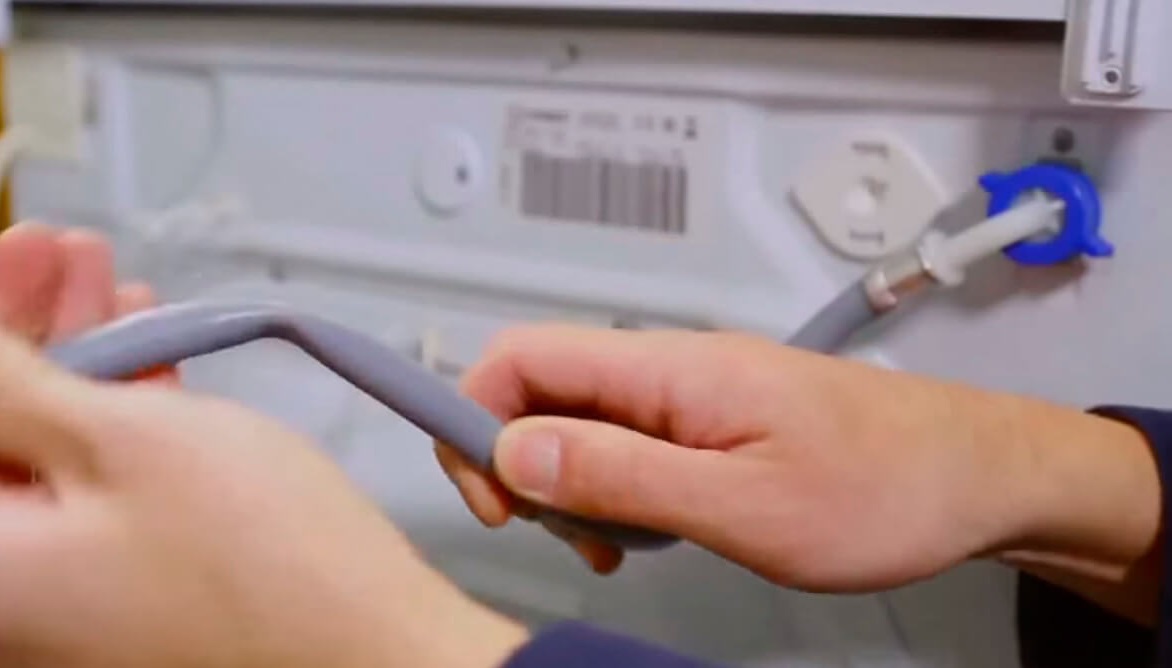
Now we can begin searching for the cause. Let's start with the basics:
- we make sure that the water supply tap was previously open;
- we detach the inlet hose from the water pipe and drain the remaining water from it;
- We inspect the rubber, trying to notice defects, cracks, blockages or pinching.
Before any manipulation, you must disconnect the washing machine from the power supply!
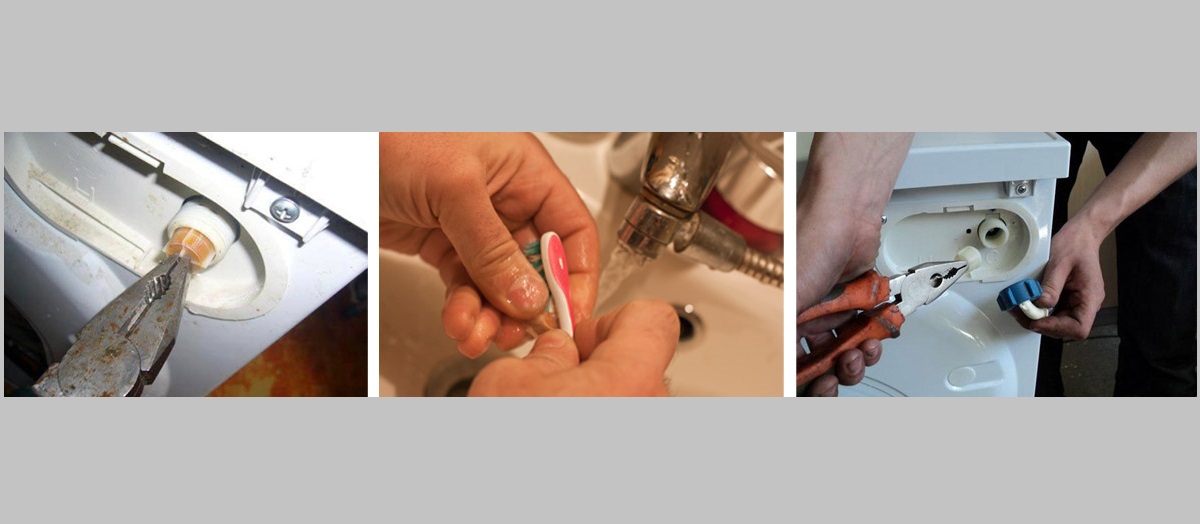
If the initial step doesn't reveal any problems, we move on. Next in line is the mesh filter. The filter attachment is installed in the inlet hose and, if clogged, prevents water from “passing” into the machine. To ensure its cleanliness, you must:
- detach the hose from the machine body;
- find the mesh;
- Use pliers to grab the provided protrusion and pull the filter out;
- rinse the mesh under water, clean it with a toothpick or toothbrush if necessary;
- Return the nozzle to its place using pliers.
The coarse filter is also a must-check. This element is installed after the faucet, so cleaning it requires a couple of wrenches. One is used to hold the connection with the valve, and the other is used to loosen the retaining screw. Be prepared for water to gush out when you completely unscrew it, so place a basin underneath it beforehand. The filter can be cleaned under high pressure—just wait a minute and then tighten the screw.
We climb under the top cover
Most often, a faulty inlet valve is to blame for a missing kit. To solve the problem, simply remove the old valve and install a new one in its place. The only question is the price: a repair at a service center will cost $40–$50, while a DIY replacement will cost a maximum of $5. You can stay within the last amount even when purchasing a high-quality spare part.
The work ahead won't intimidate even a beginner—everything is simple, quick, and risk-free. Just follow the instructions.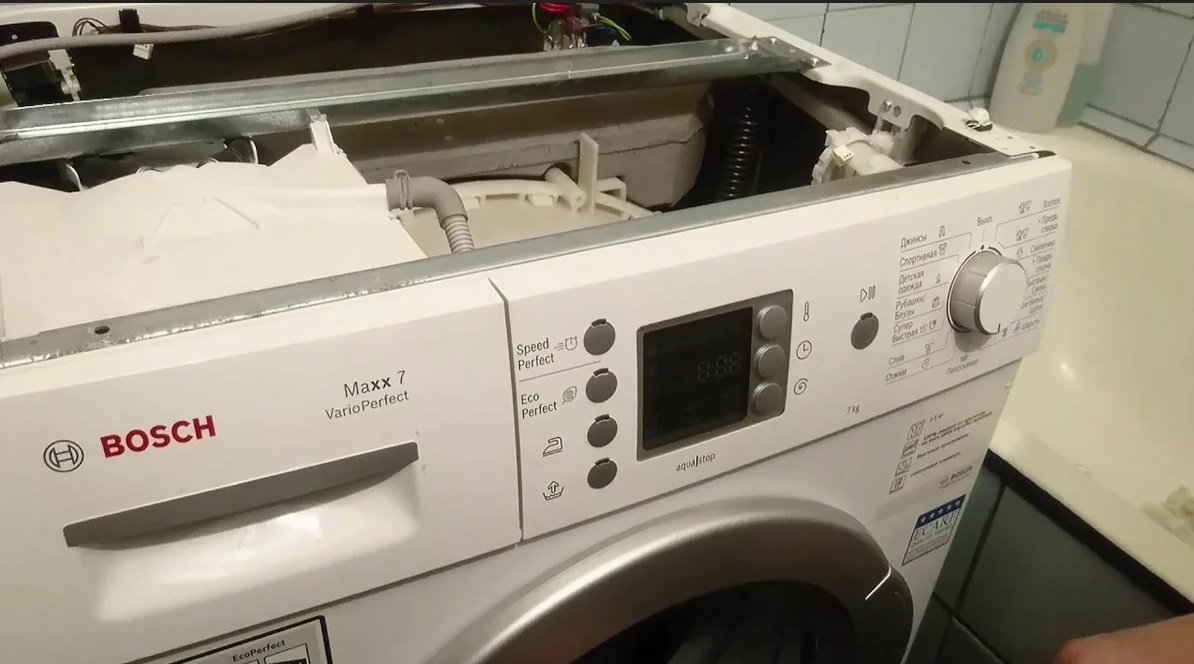
- Disconnect the washing machine from the power supply and water supply.
- Disconnect the inlet hose from the body (don’t forget about the residual water, which is best drained into a pre-prepared container).
- Unscrew the retaining clips top cover bolts and remove the panel.
- Find the valve and take a photo of the connected supply line (this will help avoid problems when reconnecting).
- Disconnect the wiring.
- Release all 4 hoses connected to the valve.
- Unscrew the valve retaining bolt.
- Remove the part from the housing.
- Install a new valve in the vacated space.
- Secure the part with a bolt, connect the previously removed hoses, tighten with clamps and connect the wiring.
- Put the lid back in place.
To avoid making mistakes when connecting the wiring to the intake valve, it is recommended to take photographs of the terminals before dismantling.
All that's left to do is reattach the inlet hose to the Bosch and turn on the tap. Then, plug in the washing machine and select any quick program. If the drum starts filling, the replacement was successful.
Interesting:

Readers' comments
Headings
Washing machine repair




For buyers




For users


Dishwasher




Add a comment