
Bosch washing machine won't stop
 Usually, the washing machine obediently follows the user's commands: it washes, rinses, spins, and notifies when the process is complete. An abnormal situation occurs when the washing machine doesn't stop, even though the program should have finished long ago. What should you do if you notice your "home assistant" is frozen? What could be the problem, and how can you help the machine finish the wash?
Why doesn't the equipment finish working?
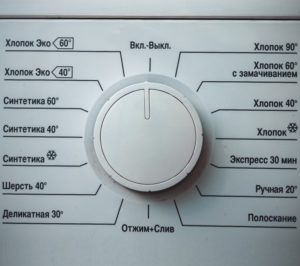
Washing machines are quite intelligent. They have several pre-programmed programs, each with its own water temperature and spin speed. The cycle duration also changes depending on the selected mode. If the washing machine doesn't stop after the pre-set time, there's a problem.
After waiting an extra hour after the scheduled end of the wash cycle, you can drain the water from the drum manually (through the drain filter), open the door, and take out the laundry. It is important to test your Bosch washing machine to determine at what point in the cycle it is slowing down.
So, you'll have to turn the machine back on and run the shortest program. After that, you'll need to observe; you'll likely discover the following: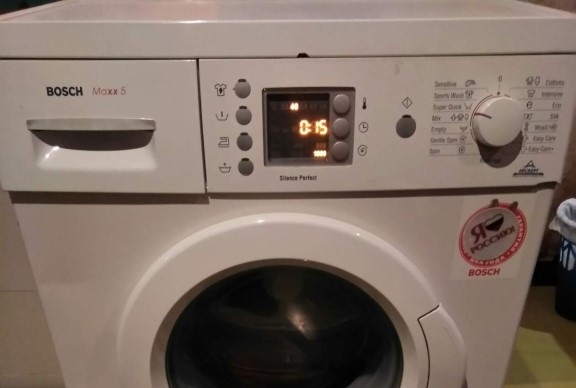
- The machine is taking too long to fill with water. This could be due to low water pressure, a clogged, kinked, or defective inlet hose. A clogged inlet filter or a faulty inlet valve could be the cause. If the solenoid valve is faulty, the washing machine will not fill with water and will make a characteristic humming sound.
- The tank fills, but the water immediately goes down the drain. This can lead to endless washing cycles. Chances are high that the washing machine is not properly connected to the utilities. A faulty water level sensor, which is sending erratic signals to the control module, could also be the cause.
- The draining of waste water is taking a long time. A prolonged draining process is often caused by clogged drainage system components or a faulty pump;
- The machine takes a long time to heat the water to the desired temperature. A layer of limescale on the heating element is interfering with heat transfer. It's also possible that the heating element is simply faulty;
- The washing machine freezes several times while running a program. Most likely, there's a problem with the electronics;
- The drum doesn't reach the required rotation speed within the allotted time. This could be due to overloading the machine or an imbalance. The problem could also lie in the motor or tachometer.
Careful observation of the equipment's operation will help determine the cause of the "freezing".
By analyzing the symptoms of a Bosch washing machine, it's fairly easy to narrow down the possible causes. Once the fault is identified, repairs can begin.
The drainage is poorly organized
First, check the water pressure in your faucet. If it's barely flowing, that's a logical explanation for why your wash cycle is taking so long. You'll need to wait until the water supply is restored. In some cases, this will solve the problem.
Another cause of a washing machine taking forever to finish washing could be an improperly connected drain hose. If it's simply stretched across the floor, water can fill the tank and immediately drain. The level sensor will signal that the water level is low, causing the water to start filling again and immediately draining down the drain.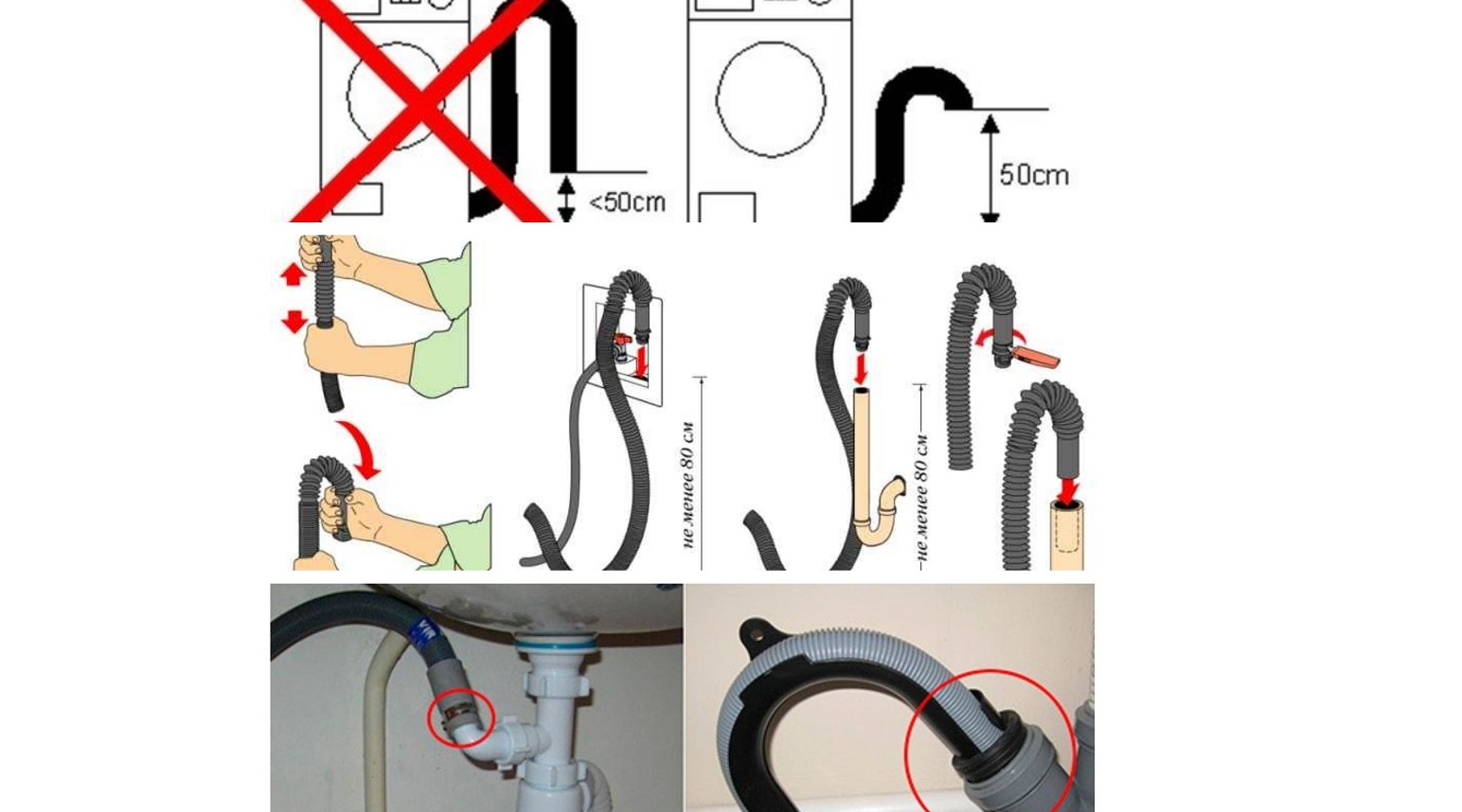
What should you do in this situation? The solution is obvious: connect the drain hose correctly. It should be located half a meter above the floor. If it's not secured at this height, the water will drain away by gravity.
In addition to uncontrollably fast drainage, the cycle can be delayed due to the opposite. If the waste filter, pump or drain pipe is clogged, water, on the contrary, cannot leave the system, and the wash stops. In this case, the procedure will be as follows:
- turn off the power to the machine, close the shut-off valve;
- Cover the floor under the washing machine with dry rags and prepare a container to collect water;
- unscrew the trash filter (water will flow out of the hole);
- wash the filter element;
- remove any accumulated debris from the hole;
- screw the filter back on.
If cleaning the drain filter doesn't help, you'll need to inspect the pump and hose. To do this, lay the machine on its side, loosen the clamp securing the hose, remove the hose from the pump, rinse it, and reinstall it. The drain pump is disassembled, cleaned, and reinstalled.
Problems with water injection
A slow water intake can cause the cycle to slow down. First, inspect the inlet hose—it might be kinked or pinched. If everything is fine, you'll need to check the inlet filter mesh. The procedure is as follows:
- unplug the washing machine;
- close the inlet valve;
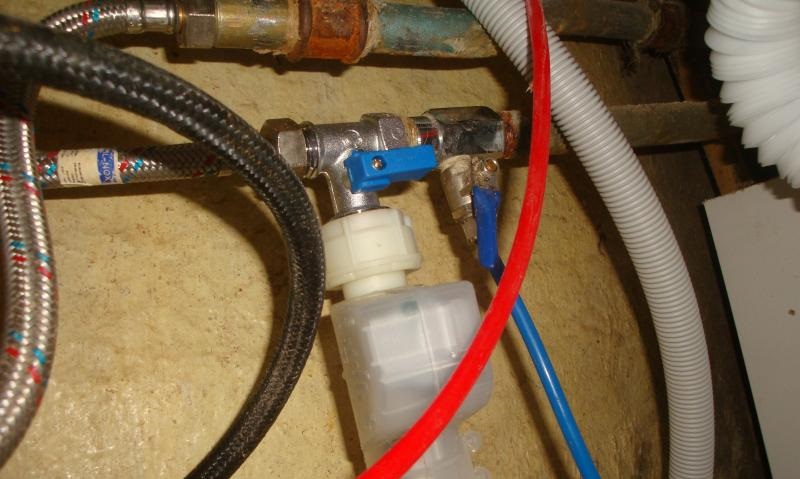
- disconnect the inlet hose from the housing;
- rinse the tube under running warm water (if possible, you can clean the cavity with a special cable);
- remove the filter mesh (you will need pliers for this);
- clean the filter element from debris and dirt;
- put the mesh back in place;
- Connect the inlet hose.
If the pressure in the system is normal, the filter mesh is not clogged, the inlet hose is not clogged, and water is not filling up, it makes sense to check the inlet valve.
To inspect the solenoid valve, remove the top cover of the washing machine. The element can be tested by applying 220 volts to its coils or using a multimeter. If a fault is detected, the device will need to be replaced.
The machine won't understand how much water there is.
The cycle may continue "indefinitely" due to a faulty water level sensor. The pressure switch sends incorrect data to the washing machine's "brain" or fails altogether. As a result, the control module is unaware that there is sufficient water in the drum and does not signal the start of the wash cycle.
To replace an element yourself, you need to:
- remove the top cover of the Bosch washing machine;
- find level sensor;
- disconnect the contacts leading to the pressure switch;
- remove the pressure hose, remove the mounting bolt;
- install the serviceable element, connect the disconnected wires and tubes in reverse order.
A simple diagnostic will help determine whether the pressure switch needs replacing. To check the part, locate the water level sensor and remove the tube. Then, attach a different tube of a suitable size to the fitting and blow into it. You should hear clicking sounds; if there aren't any, the element is faulty.
Inlet valve
As mentioned earlier, a broken magnetic valve can cause the washing process to stop. Sometimes the element's membrane becomes jammed, preventing water from entering the drum or causing it to fill uncontrollably. This part cannot be repaired; the coil will need to be replaced. This is done as follows: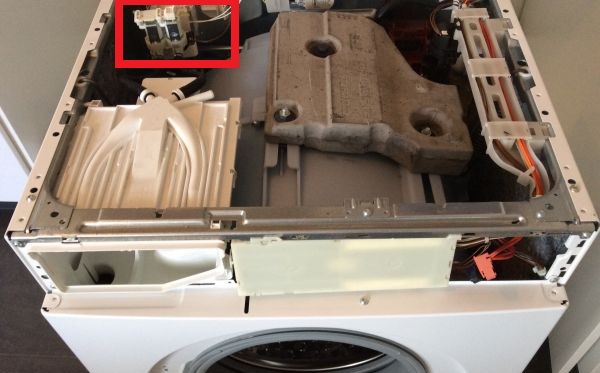
- remove the top cover;
- Find the inlet valve, it is located at the rear panel of the case;
- disconnect the wires and hoses from it;
- unscrew the mounting screws;
- remove the faulty valve;
- Place the work piece, secure it in place, connect the wires and hoses.
If checking the drain and fill system components yields no results, you'll have to dig deeper. The electronic module may need repair or the heating element may need replacing. Let's figure out what to do next.
Parts responsible for heating water
The heating elements in Bosch washing machines are sensitive to hard water. Over time, without proper maintenance, a layer of scale forms on their surface. This impairs the heating element's ability to transfer heat. It takes a long time for the water to reach the desired temperature, causing the wash cycle to drag on for tens of minutes.
To check the serviceability of the heating element, you will need a multimeter.
The first thing you need to do is remove the heating element. To do this:
- remove the top cover, remove the back panel of the case;
- disconnect the wiring from the heater;
- loosen the locking nut;
- push the screw inward;
- Remove the heating element from the washing machine.
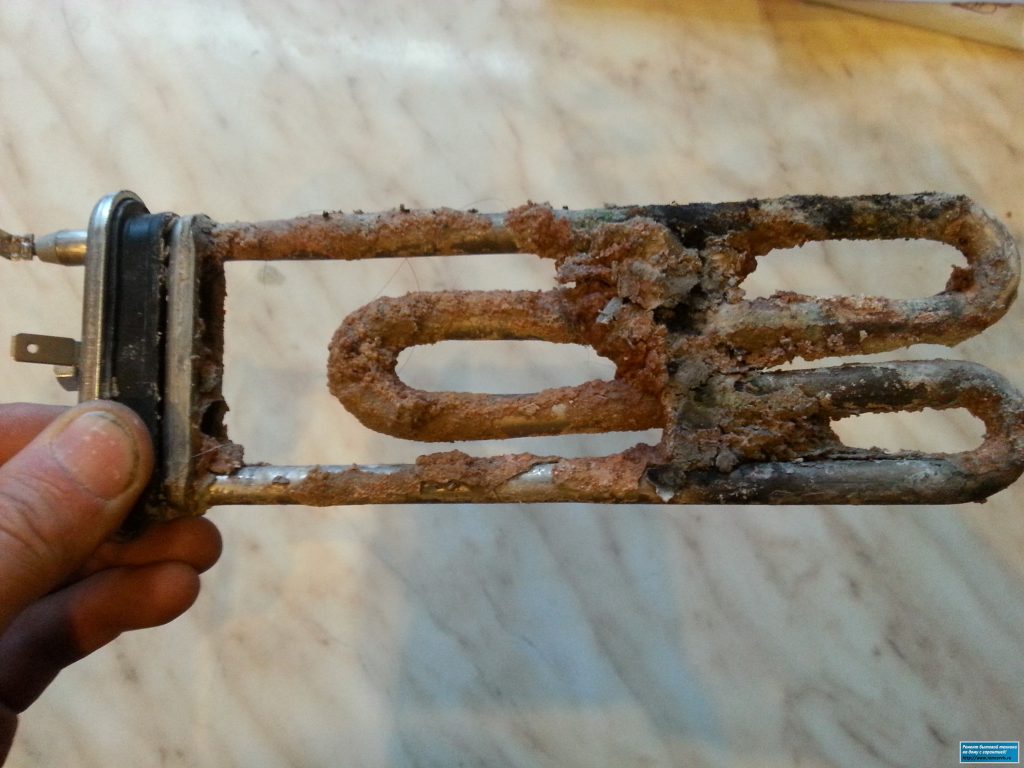
The heating element is tested with a multimeter. If everything is OK, you can check it yourself. descale itBoth folk remedies and specialized household chemicals are equally effective in combating limescale. It's a good idea to check the temperature sensor. If the thermostat is faulty, it will need to be replaced.
Electronic "brain"
A probable cause of Bosch washing machine freezing is damage to the electronics. The control module does not work correctly if the triac burns out, the firmware fails, or the soldering of the tracks is defective. There is no need to delve into the machine’s “brain” on your own without sufficient knowledge.
You can remove the control unit and inspect it for visible defects. Burnt-out components and tracks will be noticeable even to an inexperienced user. It's best to leave board repairs to a professional.
Interesting:
Readers' comments
Headings
Washing machine repair




For buyers




For users


Dishwasher




Add a comment