
Bosch washing machine does not drain or spin
 What should you do if your washing machine won't drain or spin? There can be various reasons why your "home helper" is acting up. Let's figure out what to do if your washing machine is stuck with a full tank and won't spin. We'll tell you which parts to check first.
What caused the breakdown?
If your Bosch washing machine has been in use for more than 5 years, this "symptom" could indicate a malfunction of almost any component. You'll need to check each component one by one to identify the problem. If the washing machine is still relatively new, the drainage system should be the focus.
Often, Bosch washing machines cannot start draining and spinning due to a blockage in the drainage system.
Therefore, if you've only had your Bosch washing machine for 1-2 years, first inspect the drainage system for blockages. The easiest place to check is the debris filter. A sock or handkerchief may be stuck in it, preventing your "home helper" from draining and spinning.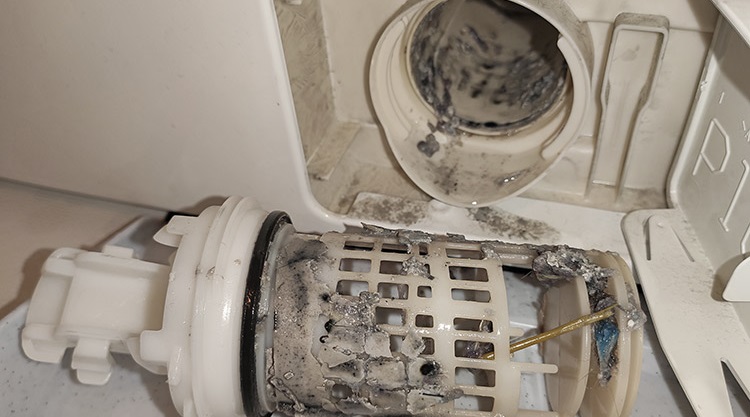
First, you'll need to drain the frozen machine yourself. Prepare a shallow, large basin to catch the liquid. Next, tilt the washing machine backward and place the container underneath it, near the debris filter. It's a good idea to cover the floor around the appliance with dry cloths.
After this, unscrew the dust filter from the machine. Not all the way, but only half a turn. Water will begin to drain into the basin. Next, remove the dust filter plug completely and inspect it and the drain hole for any blockages. If you find a lost sock or glove, consider the problem solved.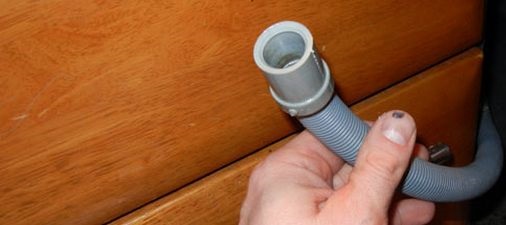
If the debris filter and drain hole are clear, there's a different issue. Check the machine's drain hose for blockages. It's also a good idea to make sure there's no blockage in the drain pipe. A clogged drain pipe can also impede water drainage from the bathtub and sink.
Next, you will need to inspect the main elements of the Bosch washing machine one by one:
- drive belt;
- pump;
- Hall sensor;
- electric motor;
- motor brushes;
- control module.
If one of these parts breaks, your Bosch washing machine may refuse to drain or spin. Modern models equipped with a display will display an error code corresponding to the problem. If the washing machine is silent, we recommend starting with the simplest and moving on to the most complex troubleshooting steps. We'll explain what to do first.
Drive mechanism
Inexpensive Bosch washing machines have two weak points: the motor and the drive mechanism. Both the design and quality of these components leave much to be desired. According to statistics, starting from the second year of operation, one in 14 Bosch washing machines experiences problems with the motor, Hall sensor, or drive belt.
The belt is the easiest to reach, so it's inspected first. The procedure is as follows:
- de-energize the washing machine;
- close the shut-off valve responsible for the water supply;
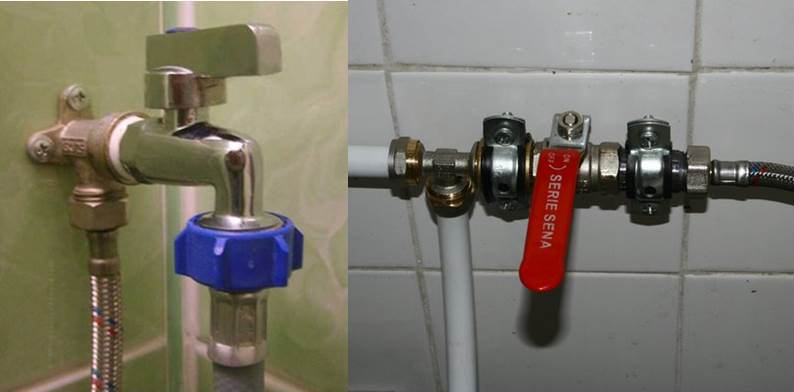
- Move the washing machine away from the wall and furniture to ensure access to its body from all sides;
- Unscrew the screws securing the rear panel of the machine and remove the wall;
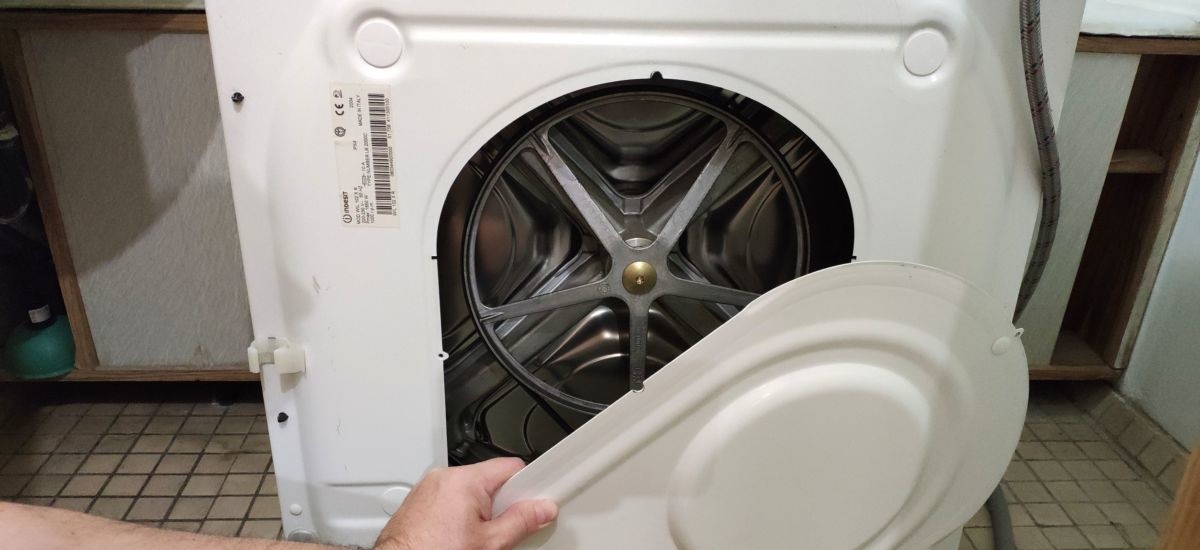
- inspect the drive mechanism.
Immediately after removing the back panel of the washing machine, you'll be able to see the drum and motor pulleys, as well as the drive belt stretched between them. If the rubber band is missing, it's likely dislodged from the wheels and is lying under the machine. This will explain why the washing machine stopped working.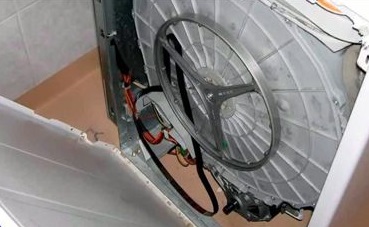
If the belt is in place, spin the drum pulley. It should rotate with some force. Also check the elastic tension. A stretched or sagging belt will need to be replaced.
A poorly tensioned drive belt prevents the engine from spinning the drum to the required speed.
Due to a problem with the drive belt, the machine will not be able to start the spin cycle. The intelligent system will detect the problem and generate an error message. This will cause the washing machine to freeze mid-cycle.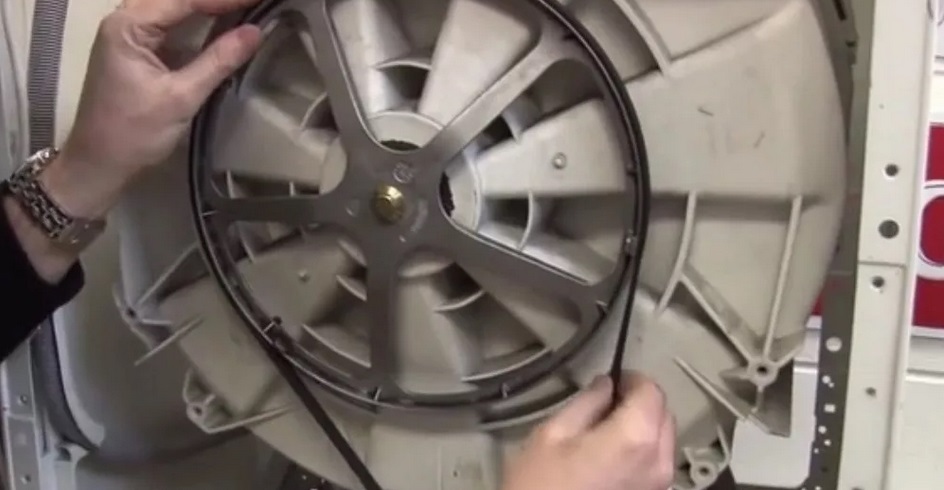
On forums, DIYers advise not replacing a stretched belt, but simply adjusting the pulley position by tightening the motor mount. This will move the "wheel" a few millimeters, and the belt will tighten. However, this method will only solve the problem for a couple of months, after which the problem will reoccur.
The drain pump is to blame
The drain pump is next in line for inspection. Bosch washing machine pumps also have a lifespan and can fail over time. This problem is especially common in washing machines that have been in use for more than five years.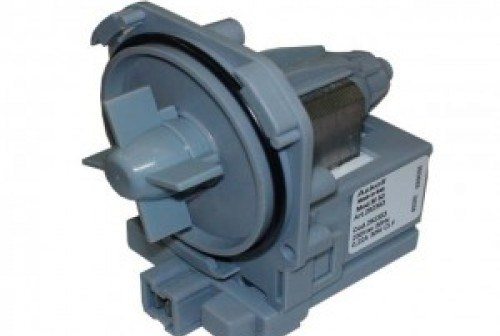
The drain pump of a Bosch washing machine can burn out. The pump also stops functioning properly if debris accumulates in it. Hair caught in the impeller blades can also slow down the element.
Bosch washing machine pumps often fail when the appliance is located far from the sewer system, more than two meters away. In this case, the load on the pump exceeds the maximum permissible value, which leads to rapid damage to the part. Therefore, when installing and connecting the washing machine, pay special attention to the distance between the washing machine and the utility lines.
To inspect the washing machine drain pump:
- unplug the machine;
- turn off the shut-off valve that supplies water to the washing machine;
- disconnect the device from the water supply and sewerage system;
- remove the drain filter;
- shine a flashlight into the hole formed after removing the filter – you can see the impeller of the drain pump there;
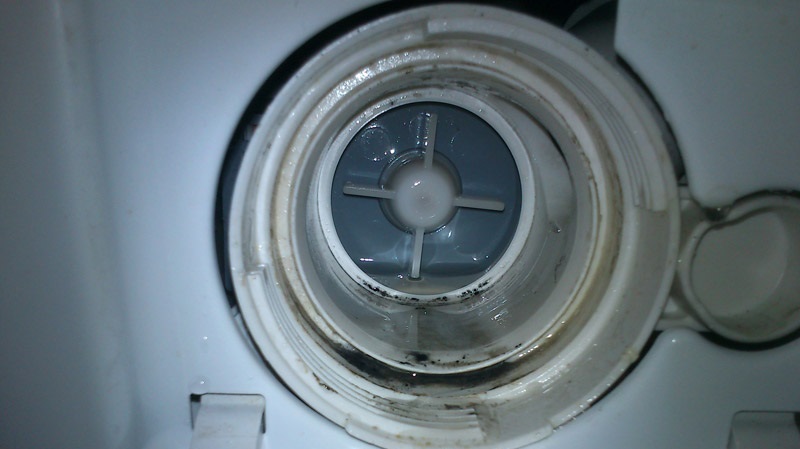
- clean the drain hole from debris and dirt, remove any hair that has wound around the impeller blades;
- remove the detergent drawer from the washing machine;
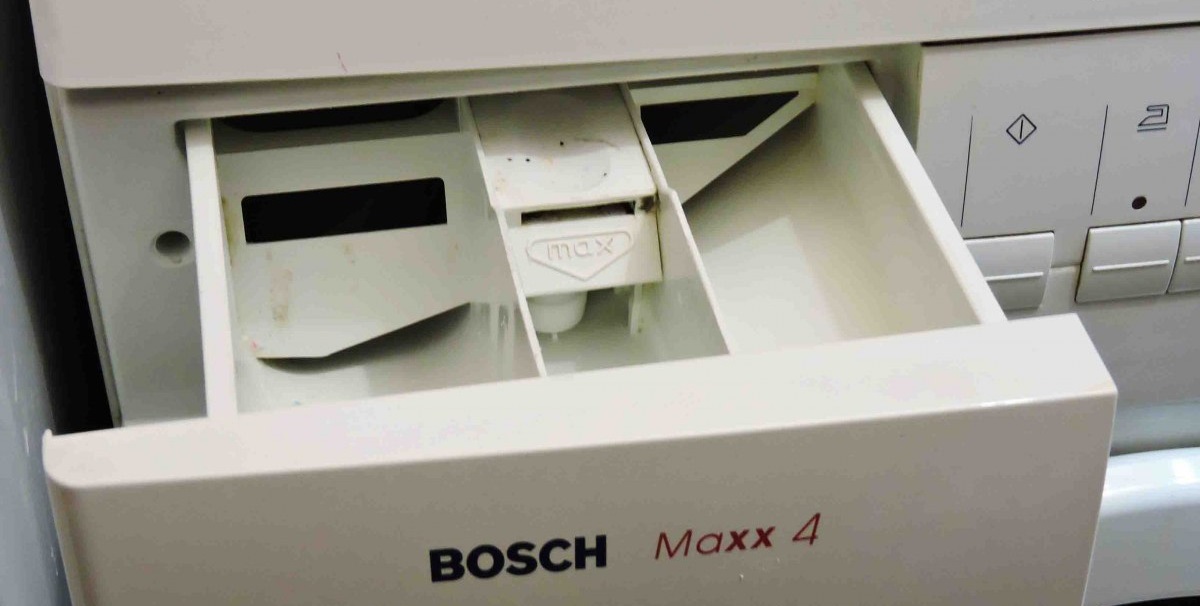
- Place the machine on its right side, having first laid a blanket on the floor;
- remove the washing machine tray;
- Take a photo of how the wires are connected to the pump;
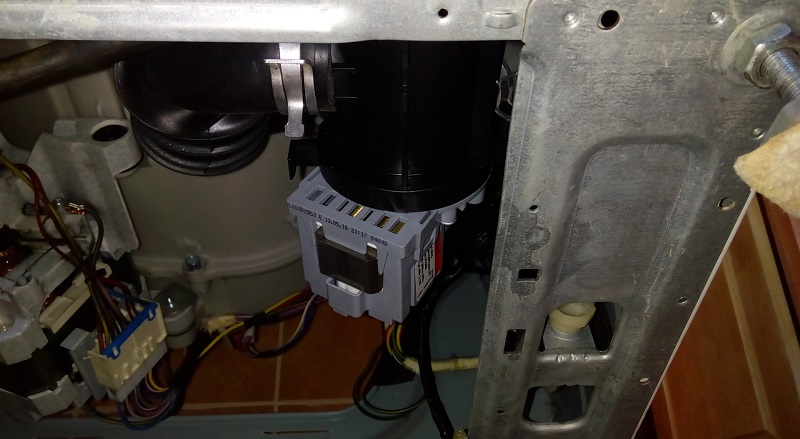
- disconnect all contacts from the pump;
- loosen the clamp securing the drain pipe to the pump;
- disconnect the pipe from the pump;
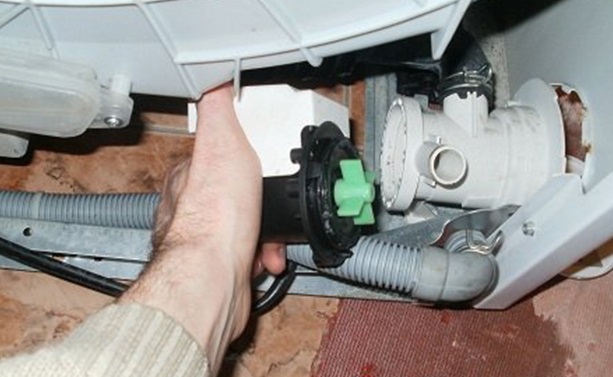
- remove the pump from the washing machine;
- disassemble the pump body by releasing the latches;
- inspect the inside of the part, make sure that the mechanism and all rubber bands are intact;
- Clean the pump from any dirt accumulated inside.
If the pump is heavily clogged, cleaning it may solve the problem. So, after removing the debris, reassemble the pump, reinstall it, and run a test cycle.
When it appears visually that there are no problems with the pump, do not rush to put the part back. It is also necessary to check the pump's functionality with a multimeter. It might have burned out.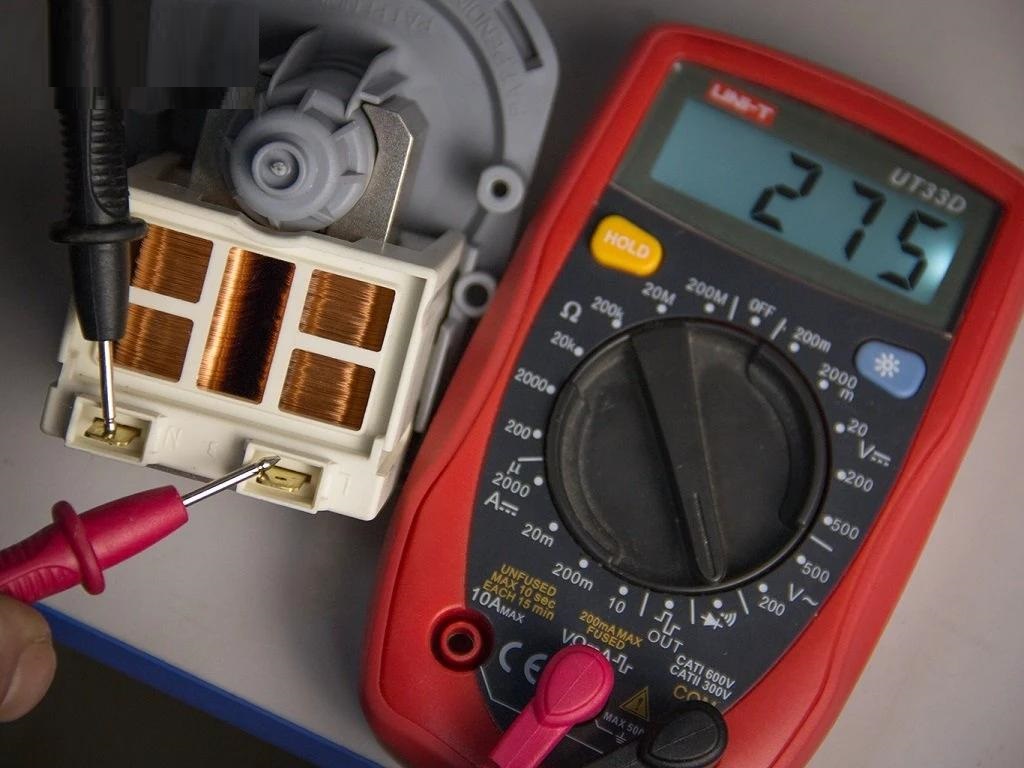
Set the multimeter to voltmeter mode, then apply the probes to the pump contacts. A zero or one displayed on the tester's display indicates a faulty component. The pump cannot be repaired; a new component will need to be purchased and installed.
Let's check the engine
The electric motor, Hall sensor, and brushes will need to be inspected through the bottom of the Bosch washing machine. Since the drain pump was previously checked, the "home helper" is lying on its side in the correct position. For further diagnostics, you'll need:
- take a photo of the wiring diagram to the engine;
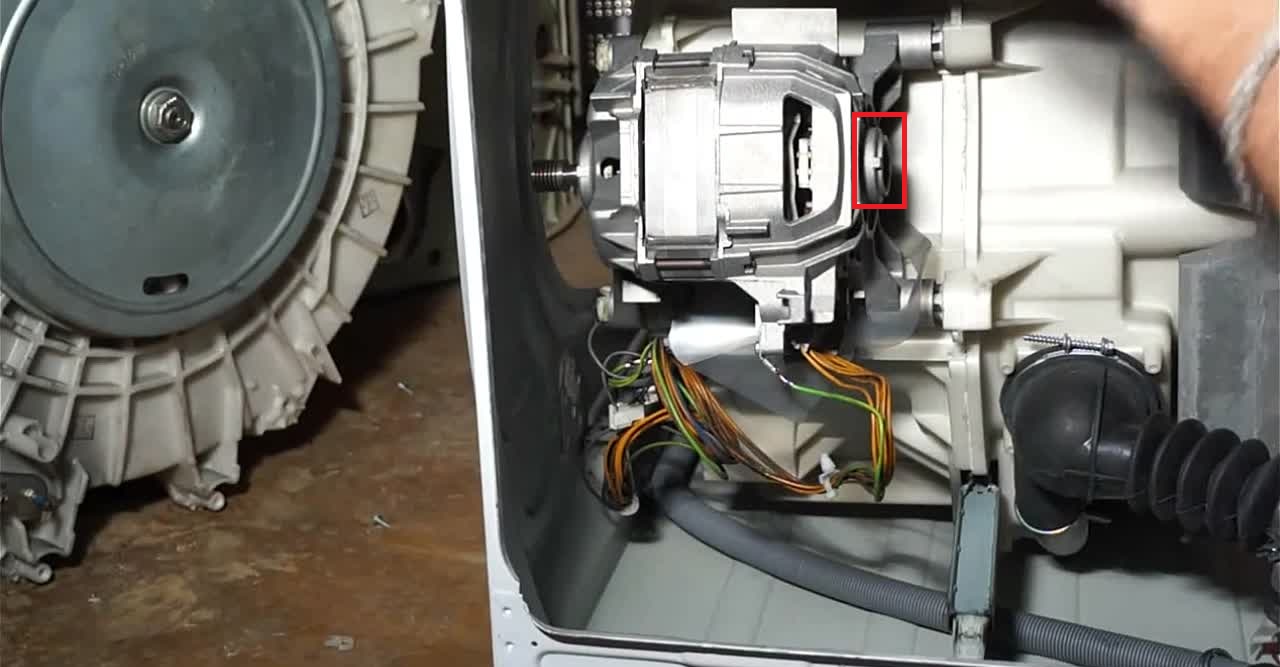
- disconnect the power wiring from the motor;
- unscrew the screws that secure the part;
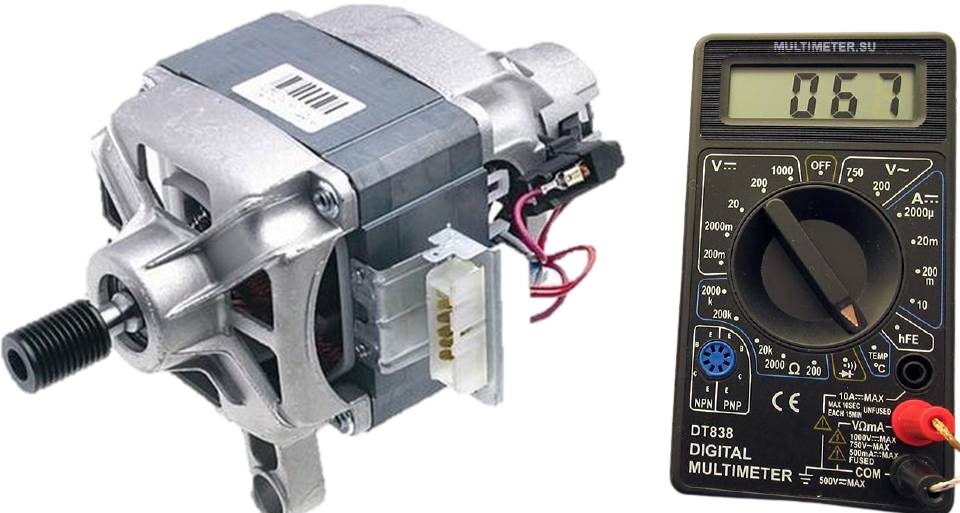
- remove the engine from the washing machine housing.
To remove the electric motor from the machine, press on it, slide it back, gently pull it down and pull it towards you.
First, check the Hall sensor. It's a small ring. This component can be tested with a multimeter. If a fault is detected, the tachogenerator will need to be replaced.
Then remove the motor brushes and inspect them. If the graphite rods are worn down, install new ones. Brushes should always be replaced in pairs, even if one is not worn.
The next diagnostic step is to check the motor winding resistance with a multimeter. If you find a defect, do not attempt to repair the motor. It is better to purchase and install a new motor.
The control unit is being cunning
The control module of Bosch washing machines rarely fails. Typically, the cause is a clogged drain system, problems with the drive mechanism, motor, or pump. However, if all other possible causes have been ruled out, it's time to check the main control unit. It's likely the controller that's causing the machine to freeze mid-cycle.
Working with Bosch washing machine electronics requires certain knowledge and experience. It is not recommended to check or repair the main control module yourself; it is better to invite a specialist. Otherwise, you can cause even more damage to the washing machine.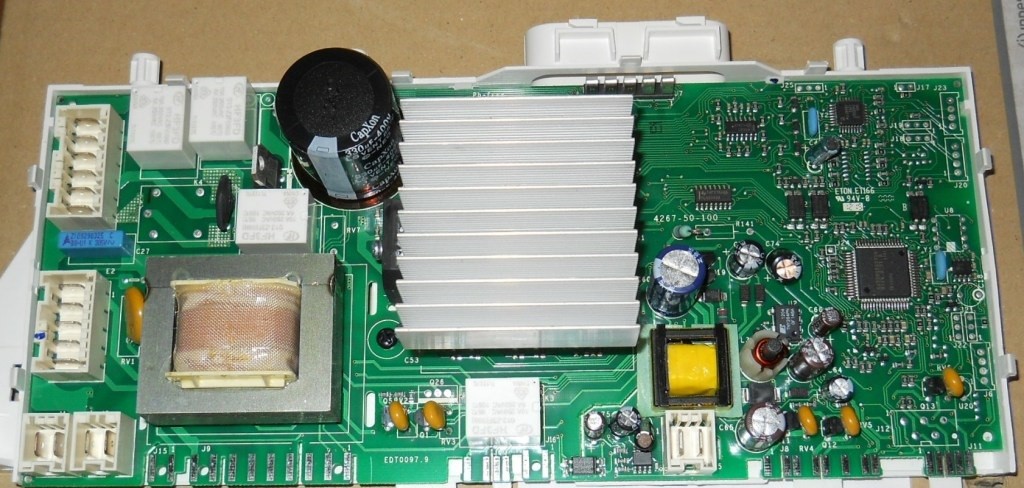
A service center specialist will disassemble the machine and inspect the control board for defects. They will also test the module's semiconductors and identify the weak point. Sometimes repairing the electronic unit is sufficient, but in other cases, replacement of the component will be necessary.
Therefore, if your Bosch washing machine stops mid-cycle and won't drain or spin, act immediately. First, unplug the appliance and turn off the water supply. Then, drain the waste liquid from the tank through the waste filter.
A comprehensive diagnostic is then performed: the drive is inspected, the motor and tachogenerator are tested. In most cases, the problem can be fixed independently. A technician will only be called in if there are problems with the control module.
Interesting:



Readers' comments
Headings
Washing machine repair




For buyers




For users


Dishwasher




Add a comment