
Bosch washing machine stops during washing
 What should you do if your washing machine freezes during a cycle? First, try disconnecting the power. Turn the machine off using the button, unplug it, and wait about 20 minutes. In half of cases, this will restore the machine to working order. If rebooting doesn't help and the problem persists, you'll have to dig deeper. Let's figure out why your washing machine freezes during a cycle and what other possible causes might be causing it to freeze.
Why did the breakdown occur?
If a modern washing machine stops working during the washing process, then usually, after a few minutes, an error message will appear on the display. By decoding the error code, you can find out what kind of failure occurred in the system. If the washing machine is not equipped with a display, it will notify you of a breakdown by flashing the indicator on the control panel.
The worst thing is when the machine refuses to display an error code. Then you'll have to run diagnostics on the equipment, ruling out one possible cause after another.
The reason why your Bosch washing machine freezes may be: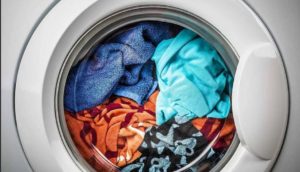
- The drum is overloaded or unbalanced. Perhaps the laundry was unevenly distributed during the wash cycle, causing the machine to refuse to continue.
- accidental unlocking of the hatch;
- Damaged wiring. Sometimes a wire becomes disconnected, a terminal comes loose, or a sensor breaks;
- Element failure. This could be the heater, drain pump, or motor;
- activation of the emergency leak protection sensor;
- failure of the main control module;
- the washing program does not match the type and weight of the fabric loaded into the drum (applicable to some of the latest Bosch models).
There may be drainage issues. For example, if the filters or pipes are clogged, the machine simply can't drain water into the drain, and therefore, it can't continue to operate. The inlet valve may also be faulty. Each component will need to be checked to determine the cause and repair the unit.
There is a lot of garbage inside the machine.
Sometimes, a Bosch washing machine shuts off during operation due to improperly loaded laundry. Often, users fail to follow the manufacturer's recommendations and exceed the maximum load capacity. Another possible cause:
- The items are not properly distributed inside the drum. If they are all bunched together, an imbalance will occur and the machine will stop working;
- The clothes aren't sorted. This problem is more common with modern Bosch washing machines, which can select a wash cycle based on the fabric type.
Before using your washing machine, carefully read the instructions.
The user manual specifies the maximum load capacity of the washing machine. If the maximum load capacity is 6 kg, but the drum is crammed with 8 kg, the machine will likely stall mid-cycle and refuse to operate. And if the machine is equipped with an automatic weighing sensor, the cycle will never start. Smart technology can automatically measure the weight of items and display the value on the screen.
Machines can also freeze if the load is uneven. For example, when washing a blanket and a couple of small towels, the laundry can become tangled into a tight ball. This "ball" will press predominantly in one spot, thereby disrupting the centrifugal force generated by the drum's rotation. This can easily lead to an imbalance, which will inevitably trigger the safety sensors to stop the process. In such a situation, it will be enough to straighten out the accessories inside and resume the cycle.
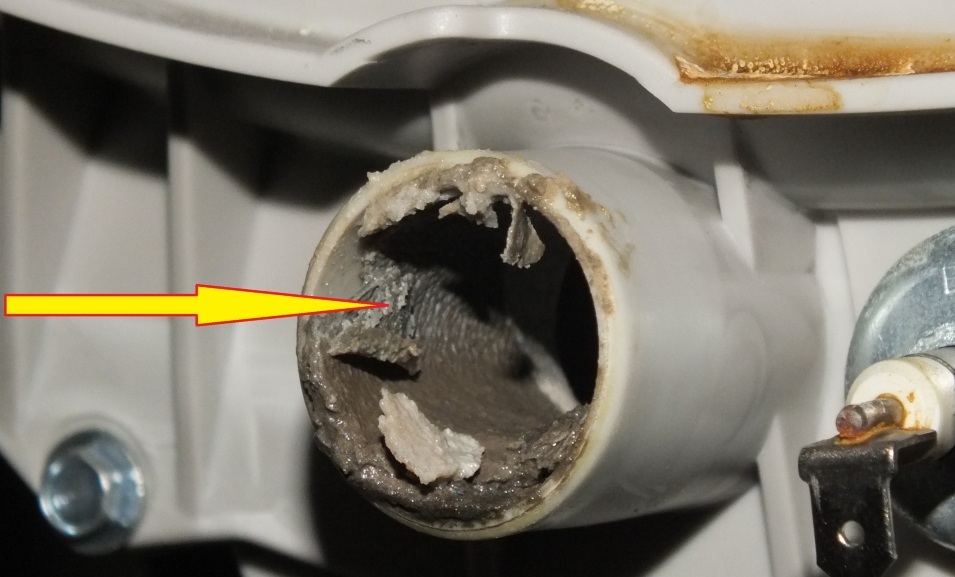
Often, the washing machine shuts off during a wash cycle due to a simple blockage. Debris can accumulate in various parts:
- drain sleeve;
- pump;
- trash filter;
- sewer pipe;
- drain pipe.
You should start with the easiest part, so clean the debris filter first. On Bosch washing machines, it's located at the front, in the lower right corner, behind the decorative panel.
Before removing the plug, cover the floor around the washing machine with dry rags and place a basin under the bottom of the machine to catch the water. Then carefully remove the filter, collect the draining liquid, and rinse the part in warm soapy water.
Don't forget to look into the drain hole. Clean out any debris and rinse any dirt from the walls. Shine a flashlight inside to reveal the pump impeller. If any threads, lint, or hair are tangled around it, be sure to clean the blades. Then, screw the filter back in and see if the freezing issue has been resolved.
If the drain is clogged, water will drain poorly not only from the washing machine, but also from the bathtub, sink, and toilet. You can clear the drain yourself using a special cleaner, such as "Mole" or "Tiret." If these attempts are unsuccessful, you'll need to call a plumber.
When the machine shuts off full of water, check the drain hose. Disconnect the hose from the body and the trap. Use a long wire or a special thin brush to clean the hose, rinse it under the tap, and replace it.
Sometimes, equipment freezing is caused by a clogged internal component, such as the pump or pipes. Cleaning a drain pump is quite difficult, so it's best to call a professional for this job.
Some parts are faulty
The main components of a Bosch washing machine rarely fail, and this always happens unexpectedly. Typically, breakdowns occur during intense operation. The reason for the machine stopping during the washing process may be a “burnt out” pump, a failed heating element, or a broken motor. If something like this happens, the equipment immediately “freezes” and notifies the user of the malfunction.
If you see an error code on the display, immediately consult the manufacturer's instructions. The manual lists the main symbols and the faults they indicate. Once you understand what exactly is wrong, you can develop a course of action.
When the error code indicates a problem with the engine or control module, you'll need to call a technician. In this case, repairing the car yourself without experience and the necessary knowledge is impossible.
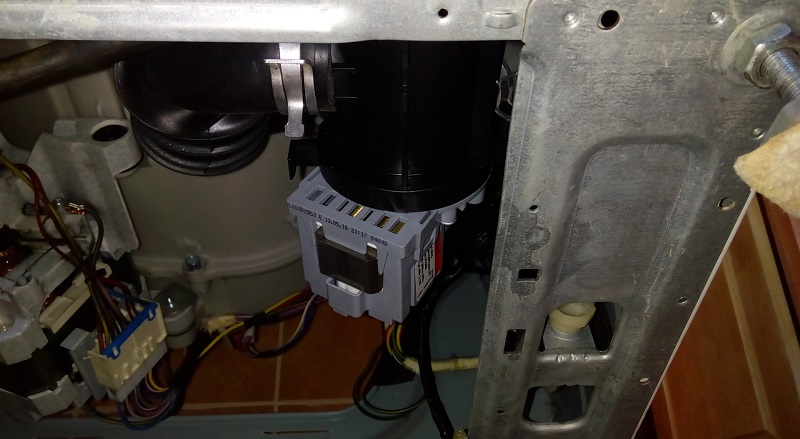
If the heating element fails, you can replace it yourself. This job isn't considered difficult, so it's easily done at home. You'll need to purchase a genuine heating element specifically for your Bosch model and a screwdriver. After removing the top cover and the back panel of the machine, you'll be able to see the element.
Next, disconnect the wiring from the tubular heater, loosen the retaining nut, and pull the element out. Then, insert the working heating element into the socket, secure it, and connect the previously removed wiring to the element. Reassemble the housing in reverse order.
Before starting any repairs, be sure to turn off the power to the washing machine and turn off the water supply tap.
To replace the pump, you'll need to lay the machine on its side, remove the part from the housing, and then reconnect the working pump. If you don't have the necessary skills to perform this type of work, it's best to call a professional.
"Twisted" with the settings
Modern washing machines often freeze if the washing program is set incorrectly. Therefore, before starting the program, be sure to check the machine's manual. It describes the features of various functions and their compatibility with each other.
Therefore, if your washing machine stops working while trying a new cycle or a previously unused combination of options, reread the user manual. For example, if you set up a soak and bleach cycle on high-end models, they'll freeze mid-cycle. This is because these two commands are programmed as incompatible.
Interesting:

Readers' comments
Headings
Washing machine repair




For buyers




For users


Dishwasher




Add a comment