
Bosch washing machine does not spin well
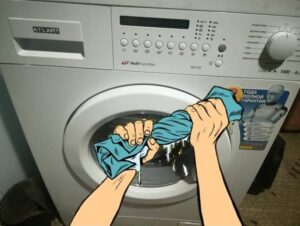
 What should you do if you notice your Bosch washing machine isn't spinning properly? It might seem like all the washing cycles are running as usual, but the clothes in the drum are still wet. This is often a one-time issue, but sometimes it's a recurring problem. Let's explore the possible causes of poor spinning and how to fix your "home helper" yourself.
Why does this happen?
Spinning is an important step in washing. Removing excess water from clothes by hand is a difficult and time-consuming task. Therefore, housewives are unpleasantly surprised by wet laundry in the drum, as it means additional hassle.
It's simply impossible to check how well an automatic washing machine spins items during the wash cycle. And once the cycle is complete, it's too late to do anything about it. Therefore, you'll have to investigate the cause of the malfunction after the program has finished and the laundry has been spun manually.
There are a number of reasons why your washing machine may not spin clothes properly. The main ones are:
- Exceeding the maximum load capacity. If you stuff the drum with significantly more clothes than permitted, the machine simply won't be able to handle the load;
- Activating a program with a low spin speed. For example, when selecting the "Silk" program, automatic spinning may not be enabled at all, leaving the laundry wet;
- Different fabric densities. In this case, only some of the laundry will wring out poorly;
- A clogged drainage system. In this situation, liquid remains in the drum after washing, so even well-spun items become wet again. Most often, the problem lies with the drain hose, which is blocking the waste water from entering the sewer system;
- Wear of the internal components of the automatic washing machine. This is usually caused by a broken bearing assembly. A clear sign of failure is loud noise and grinding sounds during operation;
- Tachometer sensor malfunction. It can fail if the permissible load weight is regularly exceeded;
- A foreign object gets into the space between the tank and the drum. The foreign object gets stuck and disrupts the smooth operation of the equipment;
- Pump failure. A faulty drain pump may also exhibit other symptoms. It's impossible to immediately determine whether it's intact; a diagnostic test will be required.
Additionally, poor spin performance can be caused by problems with the main control module. The "brain" of the washing machine is responsible for absolutely all functions. Therefore, the possibility of damage to the module should not be ruled out.
Simple DIY diagnostics
If you're repeatedly dissatisfied with your washing machine's spin performance, you need to investigate the cause. It's quite possible the problem is trivial and easy to fix yourself. In some cases, professional help will be necessary.
Possible causes should be excluded starting with the simplest ones. First, remove half of the items from the drum and start the spin cycle again. It's likely simply a case of overloading the machine. If this helps, there's no need to worry; you just need to be more careful about the weight of the laundry you load into the machine.
Be sure to check the parameters of the selected washing mode; spinning may not be provided, or its speed may be set to minimum.
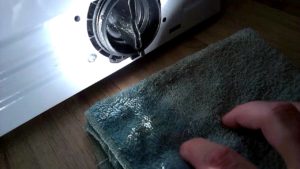 Next, you'll need to clean the drainage system components—the debris filter and the drain hose. The filter element may be clogged, or the drain hose may be clogged.
If the situation persists, check to see if there's a foreign object stuck between the tub and the drum. This will usually cause a noise during washing that wasn't there before. If you find one, remove it through the heating element opening.
When washing heavy and lightweight items in your Bosch washing machine at the same time, try sorting the items and spinning them separately. This can sometimes solve the problem.
If none of the above steps help, you'll have to dig deeper. The problem could be a worn bearing assembly, a broken tachometer, or a burned-out drain pump. You'll need to inspect the heating element and the motor. If necessary, replace the faulty part with a new one.
If you don't know how to disassemble a washing machine and have no idea about its structure, it's best to call a technician.
Precautionary measures
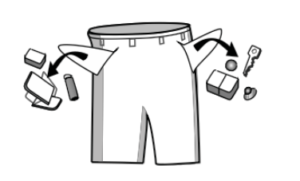 To avoid problems with your "home assistant," strictly follow the manufacturer's operating instructions. Some users neglect these guidelines and then suffer from breakdowns. Be sure to:
- Observe the permissible loading weight;
- Check your clothing pockets. Small foreign objects can get stuck inside the machine, and any remaining paper can fray and clog the drain filter.
- Choose a washing cycle wisely, rather than at random. Focus on the type of fabric and filling of your items;
- Wash small items of clothing in special bags.
These measures will help avoid problems with the spin cycle. The more carefully you treat your washing machine, the longer it will serve you around the house without breaking down.
Interesting:




Readers' comments
Headings
Washing machine repair




For buyers




For users


Dishwasher




Add a comment