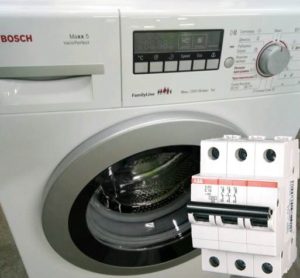
It's frustrating when your washing machine trips: the cycle is interrupted, your laundry is left dirty, and the lights go out throughout the house. Sometimes the power in your apartment isn't affected, but large appliances, like your washing machine, won't plug in. In any case, ignoring the problem is dangerous – have the electronics checked as soon as possible.
Before you grab a screwdriver and a multimeter, you should figure out why your washing machine is tripping fuses. We'll break down common causes with step-by-step instructions for troubleshooting.
Why did the malfunction occur?
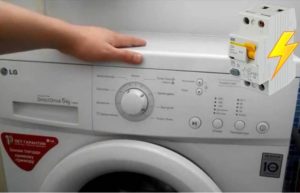
If your Bosch washing machine suddenly shuts off, and other rooms lose power along with it, it is strongly recommended that you do not go to the electrical panel, turn on the switch, or continue washing. Even a single tripping of the circuit breaker indicates an overload in the electrical network and requires a comprehensive diagnosis. A careless approach to a temporary "solution" can lead to a worsening of the situation - the next power surge will cause a short circuit and subsequent fire.
There's no time to waste—it's better to ensure the safety of your residents and property by identifying the cause of the tripped fuses yourself or contacting professional electricians. The task is made easier by the fact that only a limited number of faults can cause such a reaction from the electrical system. For example, a residual-current device (RCD) for a washing machine will trip in the following cases:
an unsuitable RCD or residual current circuit breaker is included in the circuit;
the wiring is outdated;
the load on the network has increased, and the wiring can no longer cope;
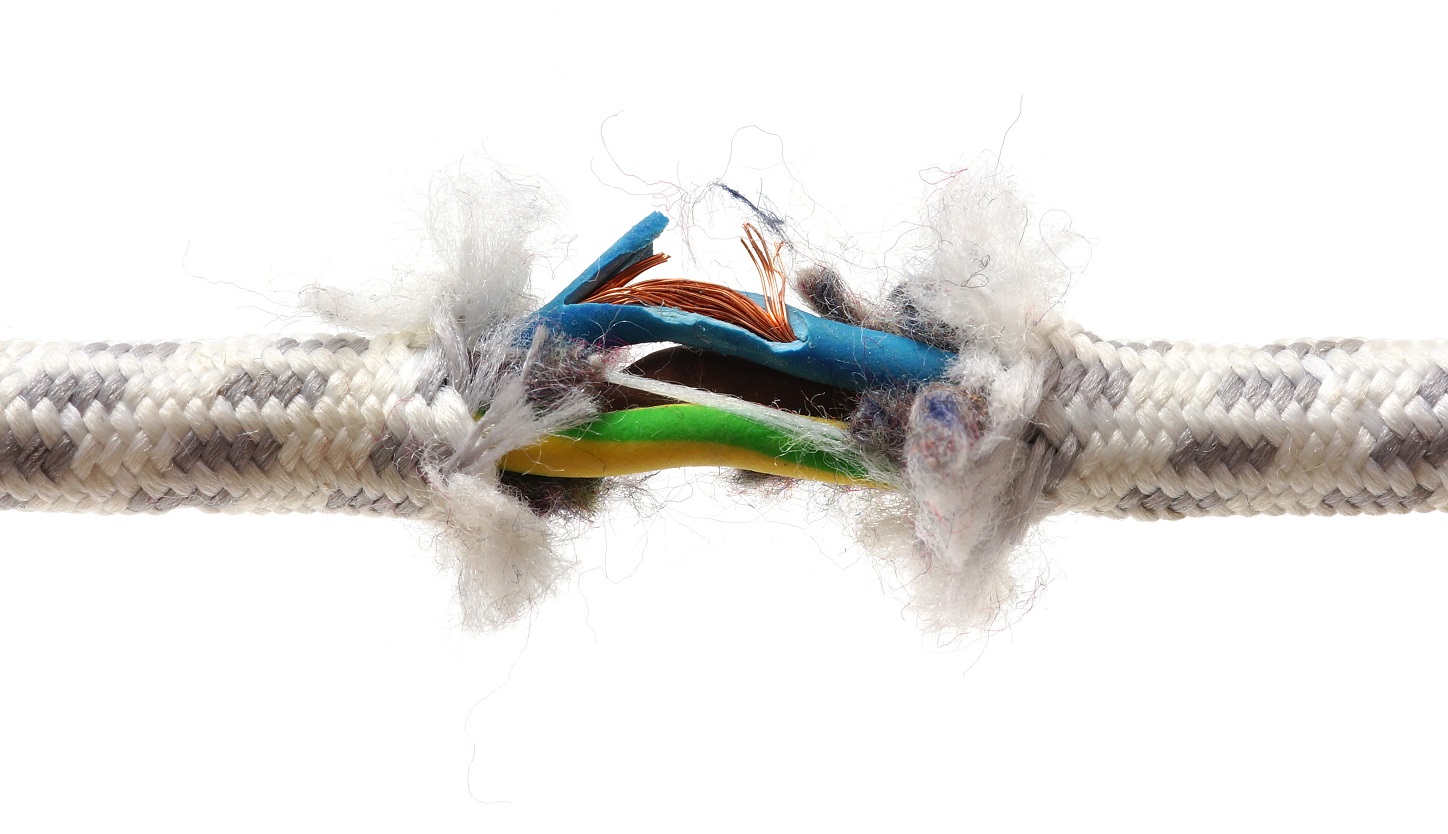
the washing machine's power cord short-circuits;
the socket allocated for the washing machine broke;
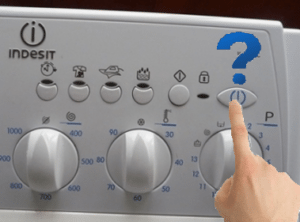
the buttons on the dashboard of the Bosch washing machine are short-circuited (usually the “Start” button);
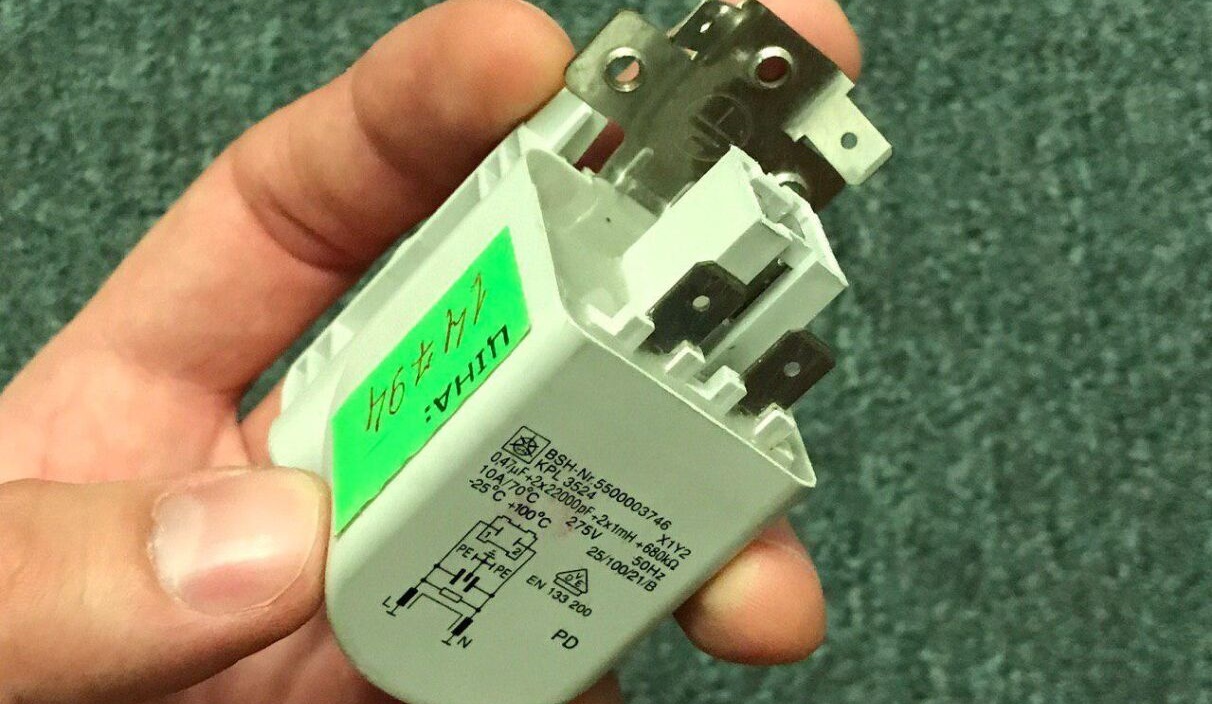
the network filter is faulty;
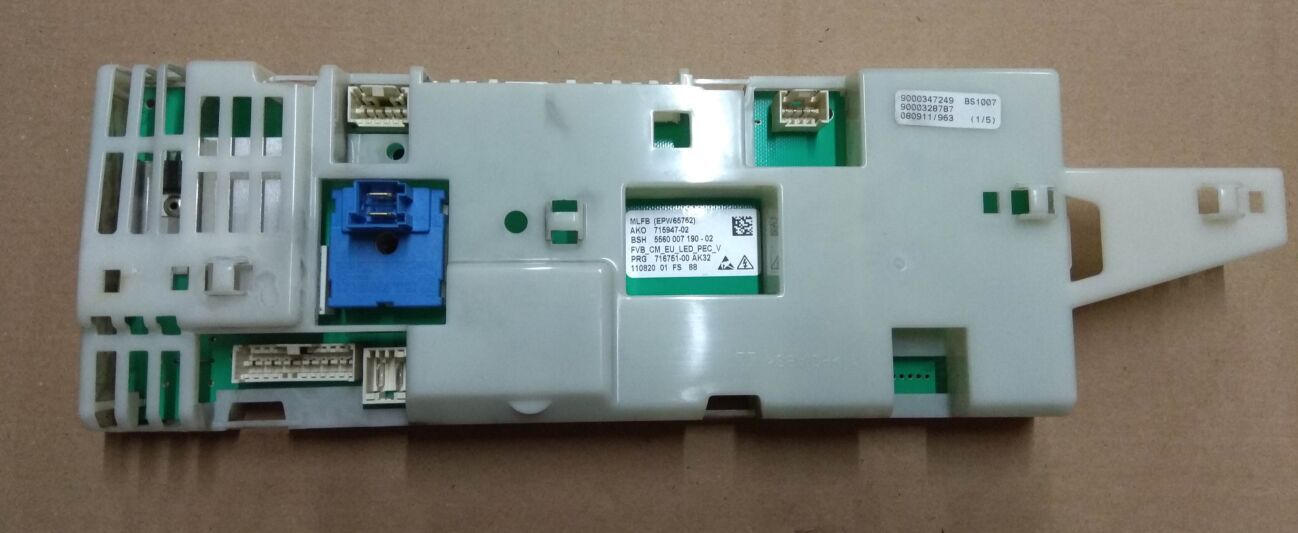
the control board is out of order;
the terminals inside the washing machine have burned out or the wiring has been damaged;
the heating element or electric motor has broken down.
To check the electrical network you will need a multimeter, an indicator, a flat-head screwdriver and a Phillips screwdriver.
To determine what exactly is causing the fuses to blow, it's necessary to inspect each "sore spot" sequentially. The most common and easily fixable faults are assessed first, followed by more complex and extensive breakdowns. In any case, only experienced technicians familiar with electrical work should attempt diagnostics and repairs. If you have any doubts about your abilities, it's best to contact a professional.
Let's check the electrical network
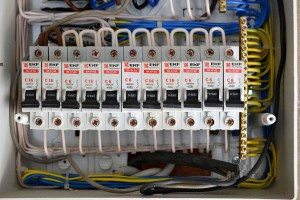
When turned on and running, a washing machine places a significant load on the electrical network. Appliance manufacturers, including Bosch, warn of the "electrical burden" of washing machines and stipulate specific operating requirements. These include the need for a separate circuit for the washing machine, protected by an RCD and residual-current circuit breakers. A recommended wiring type is also VVG cable with a cross-section of 3x2.5 mm. This applies regardless of the washing machine model being purchased—compact, full-size, with or without a dryer.
In reality, users don't follow safety precautions. Most often, they connect the washing machine to the same outlet as other appliances, using an extension cord or a "triple plug." This leads to overheating and damage to the wires, which then melts the outlet, trips the RCD, and shuts off the power. It's easy to suspect something is wrong: the insulation on the wires is dark, the plastic is melted, and there's a burning smell.
You can avoid network congestion and subsequent problems if:
allocate a separate branch for the washing machine;
assess the quality of the installed wiring;
insert a moisture-resistant socket (has a special cover);
include an RCD in the circuit.
It is strongly recommended not to connect the washing machine to the mains via an extension cord or adapter - it is dangerous!
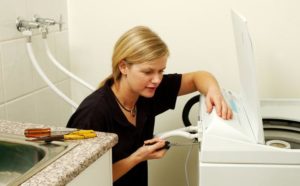
If there are no visible signs of overheating or damage to the wires or socket, then you need to check the power cord from the inside. Unscrew the screws holding the back panel, remove it, and then remove the cable itself. Then, use a multimeter to test the wires for continuity. Immediately assess the condition of the terminals and contacts. Defective parts must be replaced.
Machine protective electrical system
Once you've verified the power cord is working properly, you can move on to checking the washing machine's protective electronics. This refers to the surge protector, the part through which the aforementioned cable passes.On some models, the filter also has a "barrel," a protruding element that connects the wire and the power supply.
The initial diagnostics of a surge protector are performed visually, as with wiring. Then, a multimeter is connected. If the component fails the test, repairs won't help—you'll need to remove the device and purchase a new one.
Sometimes fuses trip when the connection between the cord and the filter is broken. The loose contacts burn, leading to current leakage, a short circuit, and the tripping of the RCD. In this case, stripping the wires is not recommended; only replacement of the entire "network unit," including the wiring, is recommended. Otherwise, the situation will repeat, resulting in further failures and overloads.
The network filter cannot be repaired - the broken part must be replaced.
This causes the RCD to trip and the keys on the dashboard to stick. During operation, the contacts on the buttons wear out, and when pressed, a current leak occurs, overloading the circuit and tripping the circuit breaker. In this case, proceed as follows:
We partially disassemble the top of the case to remove the instrument panel;
We ring the button contacts one by one with a multimeter.
First, it's recommended to check recently used buttons. On Bosch machines, this is most often the "Start/Pause" button. The next most frequently stuck buttons are "Spin" and "Rinse."
Electronics or power wiring
If the surge protector and dashboard buttons are OK, you should test the rest of the washing machine's wiring. Since the control unit is already being examined, it's best to continue the inspection there. We'll proceed sequentially: apply the multimeter probes to each terminal. First, check for any suspicious components, such as frayed, burnt, or loose ones.
A comprehensive diagnosis of the control board requires specialized equipment, so it is best to contact professionals.
When diagnosing the control board, it's best to rely solely on visual inspection. Any careless action could lead to irreparable consequences, including fatal damage to the equipment. Comprehensive testing of the module should only be performed by professionals using specialized equipment.
The circuit breakers may not be tripped by the circuit board. Therefore, use a tester to test the wiring connected to the electric motor, pump, heating element, pressure switch, and other sensors and devices. Any burnt-out components should be replaced, even if their functionality is confirmed by a multimeter.
The motor or heating element is to blame
RCD trips are often caused by a faulty heating element. Washing machine heaters often fail, as most Russians have to live with hard water. Heavy impurities and substances present in the liquid settle on the "coil" as a thick layer of scale, which interferes with normal heat exchange and leads to breakdown of the heating element.
Sometimes the heater fails due to a faulty pump. This happens when the drain pump doesn't turn off and continuously pumps water out of the drum. The control board loses contact with the unit, obeying the pressure switch and commanding the tank to fill. This results in cold water entering the machine, which doesn't have time to heat up, as indicated by the temperature sensor. The module detects the lack of heating and forces the heating element to run continuously. The heating element can't function without a break—it overheats, wears out, and fails.
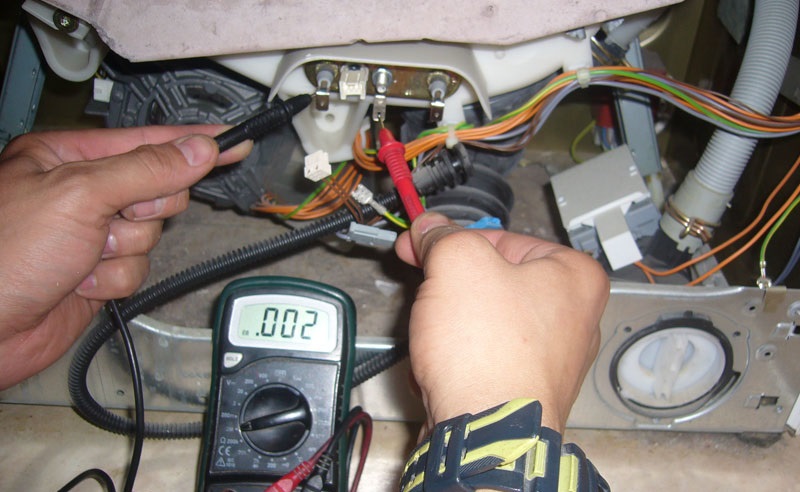
Diagnostics and repair of the heating element is carried out as follows:
take a multimeter and set the value to 200;
remove the back panel of the case;
remove the drive belt (if the machine has a belt drive);
we find the heating element located under the drum;
we connect the multimeter probes to the heating element contacts;
We evaluate the result (normally the resistance is 15-45 Ohm, if more or less, it needs to be replaced).
A faulty heating element is removed simply: unscrew the two retaining bolts, swing the heater around, and remove it from its seat. The main thing is to purchase an original spare part that matches the serial number. Otherwise, the part will not fit or will break quickly.
When repairing Bosch washing machines, use only original spare parts!
A Bosch washing machine also trips the circuit breaker if the engine is faulty. However, diagnosing and repairing the motor at home is difficult. It's much safer, cheaper, and more reliable to immediately contact a service center for professional help.

 It's frustrating when your washing machine trips: the cycle is interrupted, your laundry is left dirty, and the lights go out throughout the house. Sometimes the power in your apartment isn't affected, but large appliances, like your washing machine, won't plug in. In any case, ignoring the problem is dangerous – have the electronics checked as soon as possible.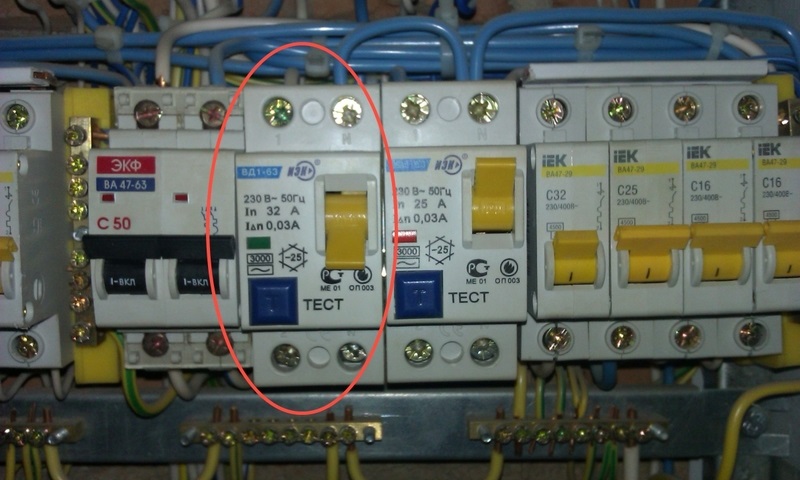














Add a comment