
The DEXP washing machine does not spin.
 There are many washing machine problems that can be easily detected without a thorough diagnosis. For example, if a DEXP washing machine doesn't spin, the clothes will be so wet after the cycle that they'll leak. This most often occurs because the machine isn't able to spin the drum at the required speed, so after the rinse cycle, it skips the spin cycle and goes straight to the drain. We'll explore this common problem and explain how to fix it at home.
What happened to the technology?
Such a malfunction should not be ignored under any circumstances. Of course, you can continue washing clothes and then simply wring them out by hand, but this way you not only lose some of the appliance's functionality, but also risk damaging its condition, which can worsen as a result. Why does this problem sometimes occur?
- The housewife activated the wash without spinning, or accidentally manually turned off this stage.
- The washing machine control module detected an imbalance in the drum and therefore deliberately disabled the spin cycle for system safety.
- Problems with draining waste liquid into the sewer have arisen, so the spin cycle simply cannot begin when water used during washing or rinsing remains in the drum.
- The tachometer sensor is broken.
- The electric motor failed.
- A bearing assembly fault has been detected.
- There is a foreign object in the drum that is blocking the free rotation of the container.
- A one-time failure of the control module occurred.
You shouldn't continue to use faulty household appliances, as this can cause further damage.
Almost all of these issues can be resolved without calling a service center specialist. This is especially true if the warranty period has expired, so free repairs are out of the question. The exception to this rule is problems with the washing machine's control module, which is extremely difficult to resolve without repair experience and the appropriate equipment. Let's look at the most basic sources of spin problems.
Select the appropriate mode
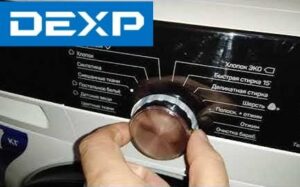
The simplest thing that could be the problem is an incorrectly selected cycle. In this case, the appliance doesn't even need repair. Check the appliance's control panel—if the programmer is set to delicate or hand wash, or to the "Wool," "Silk," or "Down" cycles, then everything is fine, as these programs aren't designed for spinning at maximum speed.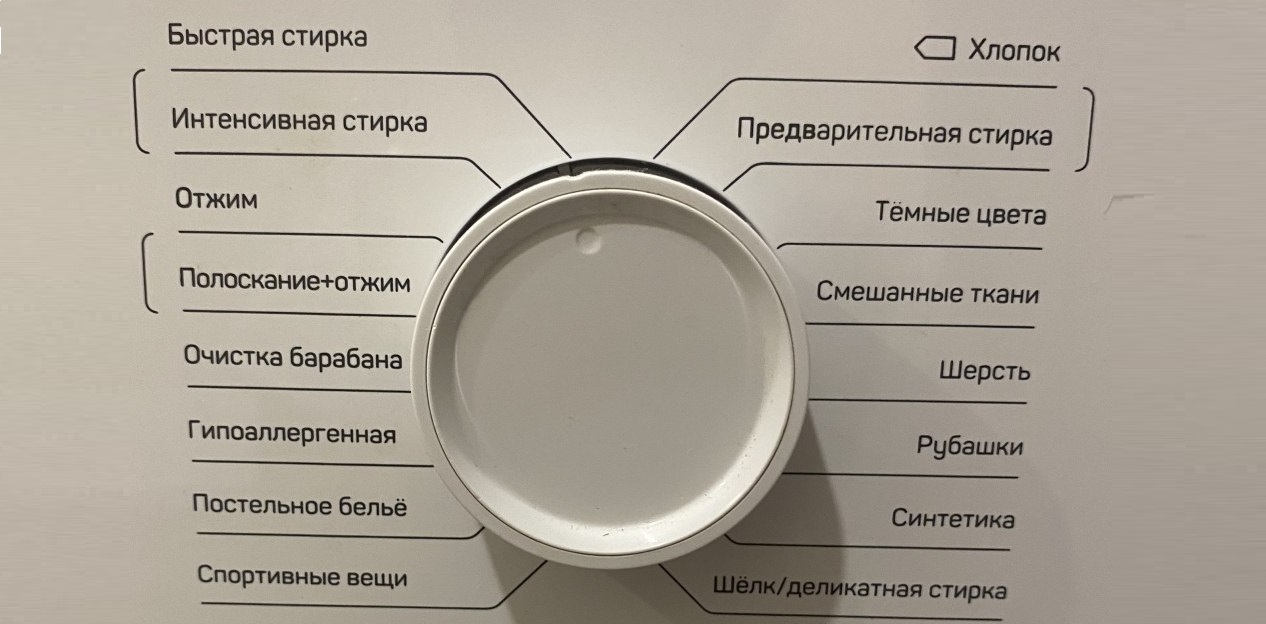
It's also worth remembering that DEXP washing machines allow you to manually adjust the drum speed, selecting both maximum and minimum values. It's quite possible that you simply reduced the speed to zero before starting the cycle, which is why the spin cycle didn't occur at all.
Testing this theory is very simple: turn on the washing machine, activate any quick cycle that includes a spin cycle, and wait until it finishes to check the spin cycle and its performance. If your clothes remain wet, you'll need to thoroughly test the machine.
The drum is unbalanced
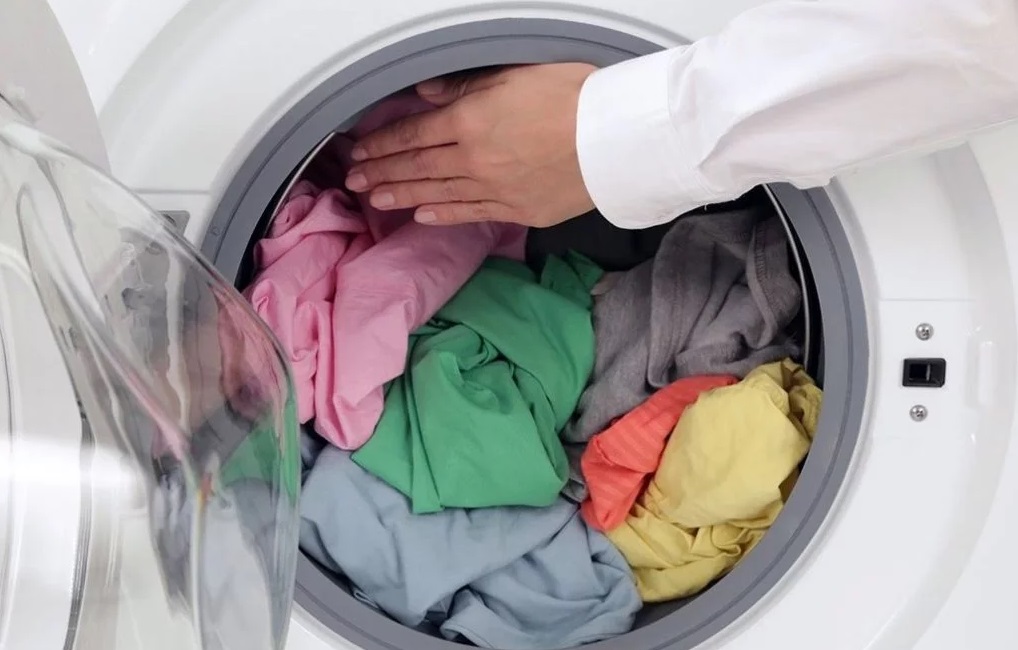
One of the most common reasons for the lack of spin is an unbalanced drum. The machine may suffer from this in a situation where the user has neglected the recommendations regarding the maximum and minimum load of dirty laundry at a time. This can also be affected by clothes bunching up into a large lump during the spin cycle. If the control module detects this behavior, it will prevent the spin cycle from starting.
This problem is typically found in washing machines of this brand manufactured 5-10 years ago. This is because newer models are equipped with special sensors that monitor the drum balance, preventing system imbalance. If such a machine fails to correct the imbalance, it will simply stop the cycle and display an error code. How does imbalance manifest itself in automatic washing machines?
- When the washing machine finishes rinsing, it begins to spin the drum intensively.
- Each unsuccessful attempt will be accompanied by an extremely loud hum and knock.
- Excessive vibration will occur, which may cause the device to jump.
- At this point, the control module will cancel the spin.
- The system will proceed to the next stage – draining the water into the sewer.
- The selected work cycle will be completed approximately 15 minutes earlier, since one of the planned stages will be skipped.
- The user will receive clean, but wet items.
Fortunately, correcting imbalance is very simple. If the imbalance is caused by overloading, simply open the door, remove the excess items, and resume washing. Similarly, if there aren't enough items, simply add a few more. If the imbalance is caused by items bunching up during operation, pause the cycle and distribute the items evenly throughout the drum. Then, simply add a new program.
Pay close attention to drum imbalance, as it not only prevents you from using the spin cycle, but can also damage key components of the washing machine.
The control module doesn't immediately detect imbalance, so before the washing cycle stops, the washing machine may either suffer minor damage itself or cause damage to the room it's installed in. This is due to jumping and moving around the room, which causes the drum to hit the walls of the drum, negatively affecting the shock absorbers, bearings, and shaft. Therefore, it's best to avoid imbalances and always add laundry to the drum according to the manufacturer's recommendations.
Engine problems
A DEXP washing machine also fails to spin if the motor needs repair. Sometimes a damaged motor can spin the drum for washing and rinsing, but its power is insufficient to reach the maximum spin speed required. And if the drum does not spin up to the classic 600-1200 rpm, then the clothes will simply remain wet. What should I do to check the motor?
- Disconnect your "home assistant" from all communications.
- Move it away from the wall to provide free access to the rear wall of the case.
- Remove the clips and then remove the back panel of the machine.
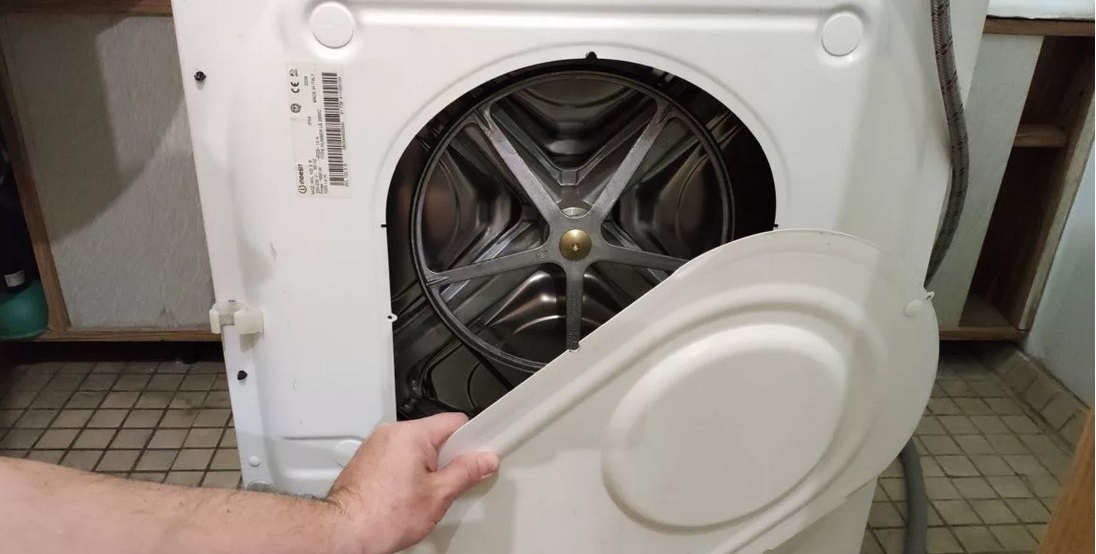
- Remove the drive belt from the pulley.
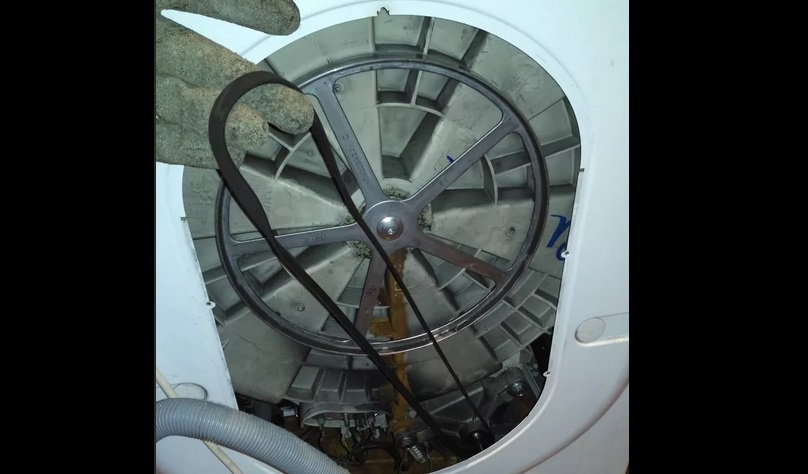
- Disconnect the wiring from the engine.
Take a few photos of the correct connection of the electric motor to avoid confusion during reassembly.
- Remove the motor retaining screws.
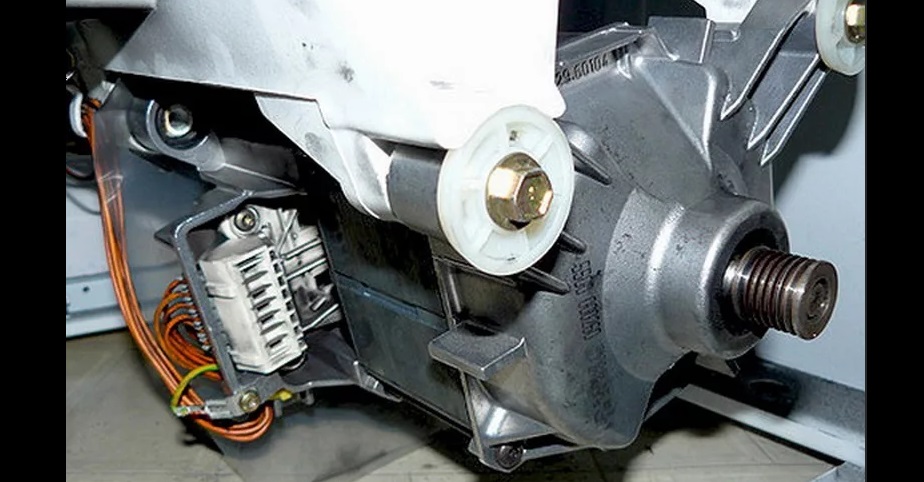
- Gently rock the element from side to side to remove it from its seat.
Once you have the engine in hand, all that's left to do is examine it carefully. Damage is often visible even to the naked eye—dark spots, a burning smell, or damaged insulation. Additionally, the graphite brush rods often fail, and they shouldn't be repaired; they can only be replaced with new ones.
If a quick inspection reveals no problems, you should further test the motor with a standard multimeter. If the resistance is below the standard, a short circuit has occurred, and if it's higher, a break in the stator or rotor winding has occurred. Because of this, the unit will have to be replaced, as it cannot be repaired.
Interesting:



Readers' comments
Headings
Washing machine repair




For buyers




For users


Dishwasher




Add a comment