
Gorenje washing machine does not fill with water
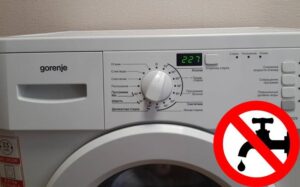 What should I do if my Gorenje washing machine isn't filling with water? The program starts, the washing machine makes several attempts to fill, and then freezes. If this happens, the cycle won't start, so it's important to find the cause as soon as possible. Let's figure out why your washing machine might be acting up and what components should be checked first.
Potential problems
Why doesn't the automatic washing machine fill with water? Washing machine Gorenje It may not fill due to a clogged filter, broken inlet valve, pressure switch, pump, or damaged control module. We'll have to check all the elements one by one.
Water intake may not start if there is a malfunction:
- inlet valve;
- pressure switch;
- drain pump;
- control module;
- hatch locking devices;
- heating element.
The check is carried out from simple to complex, starting with the inlet hose and filter, ending with the control board.
If you notice your washing machine isn't filling, check to see if the water supply to your home has been shut off. Also, check the water pressure. It's possible that the pressure in your water line is too low, causing the machine to act up.
The filter installed immediately after the inlet hose may be clogged. In this case, the washing machine will make a loud humming noise when it tries to fill. Cleaning the filter mesh can solve the problem.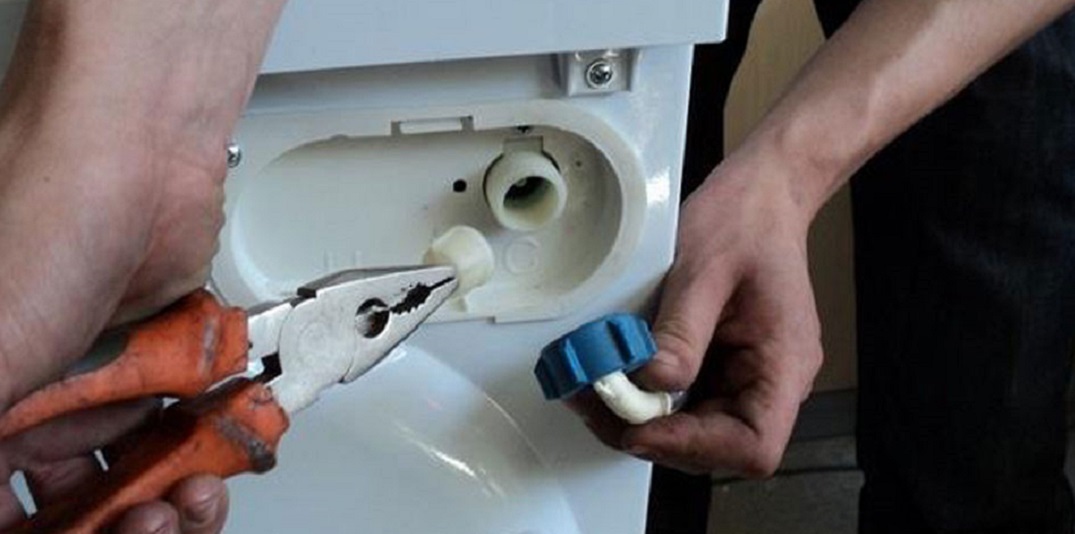
The inlet valve is often the culprit of this type of malfunction. It's the valve that allows water to pass through, directing it into the detergent drawer and tank. To confirm this, open the detergent drawer. If the granules aren't flushed, you should start by diagnosing the solenoid valve.
The valve is tested by applying 220V to it. You should hear a click. If the element is silent, it is faulty. Repairing the part is not practical; it's better to buy and install a new one.
A broken pressure switch can also contribute to a machine not filling with water. A malfunctioning water level sensor will transmit false information to the control module. For example, it will report that the tank is full when it's empty.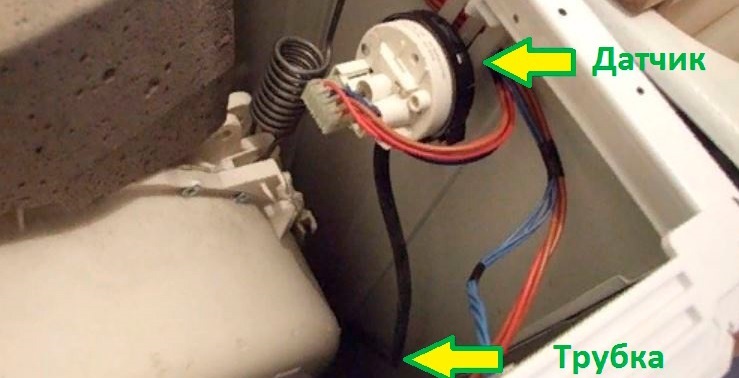 .
.
The "brain," realizing the tank is full, won't allow water to fill. And since the pressure switch is deceiving, the machine will remain empty and eventually display an error. The level sensor is located under the top cover of the Gorenje washing machine.
To test the pressure switch, unhook the tube connected to it and blow into it. The working level sensor will respond to this action with a few clicks. Sometimes the pressure switch nipple becomes clogged, and cleaning it can solve the problem.
How can a broken pump cause a lack of water intake? It's simple: before the cycle begins, the control module checks the main components for functionality. If the pump doesn't signal that it's ready to pump, the wash won't start. The component will need to be inspected and repaired (sometimes cleaning the impeller or volute helps).
The control module is responsible for the operation of all components of the washing machine. Due to defects or damage, this "brain" may begin to misinterpret the signals it receives and stop issuing commands. This causes the washing machine to freeze.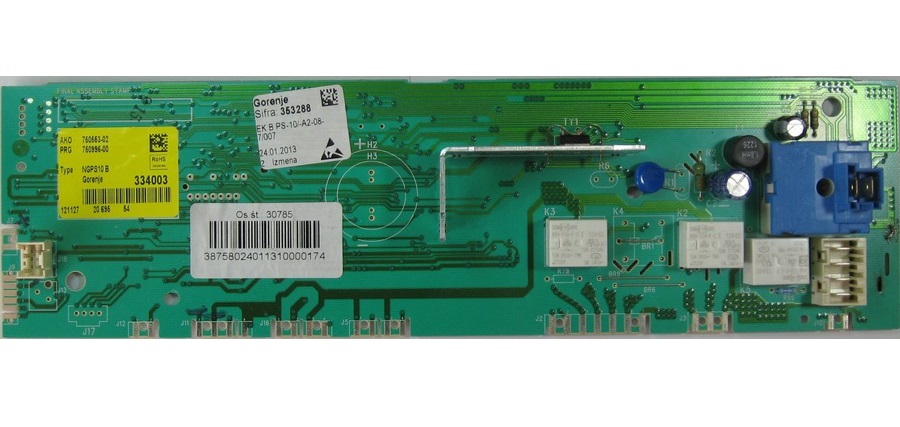
The control board is littered with numerous semiconductors. Therefore, diagnosing it yourself without experience working with electronics can be difficult. It's best to hire a specialist to inspect and repair the module.
Most often, Gorenje washing machines do not fill with water due to a broken inlet valve or pressure switch.
Sometimes the problem lies with the door locking system. The device doesn't lock the door. The "brain," realizing the system is leaking, doesn't initiate the water intake. Then the lock needs to be checked and repaired.
Initial check
If you notice your washing machine stuck while filling with water, don't panic. First, open the faucet in the bathroom or kitchen. It's possible the water supply has simply been cut off, and the problem isn't with the machine.
Next, make sure the door lock is engaged. If the door doesn't close, the washing machine won't fill with water. Try pressing on the door with your knee—sometimes this helps activate the locking mechanism.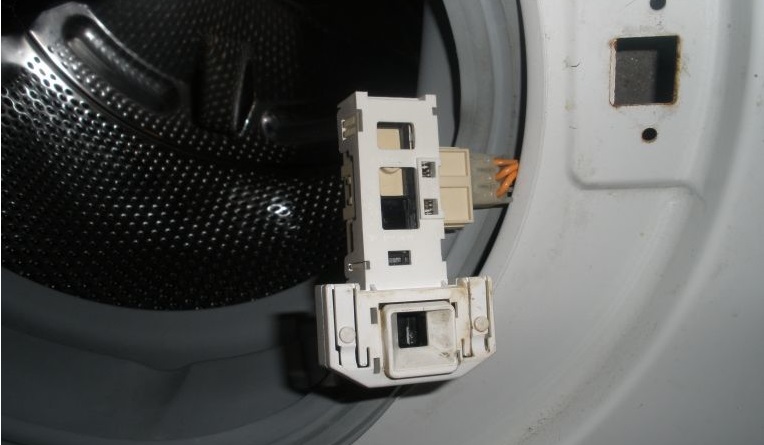
If the water supply is fine and the door is definitely closed, the washing machine will need to be diagnosed. When your washing machine is under warranty, you should not try to disassemble it yourself. If you are entitled to free service, it is best to contact the service center immediately.
Is your warranty long over? Then you can try repairing the machine yourself. Before starting work, disconnect the power and turn off the shut-off valve. Next, check the inlet hose.
The inlet hose must be disconnected from the machine and the water supply and rinsed under running water. Next, check the inlet filter. How to inspect the mesh:
- detach the inlet hose from the washing machine;
- find a mesh filter;
- Pull out the metal grille with pliers, grasping its protrusion.
The filter mesh is then cleaned with a toothpick or brush. The screen often becomes clogged with impurities found in tap water. The cleaned part is returned to its place.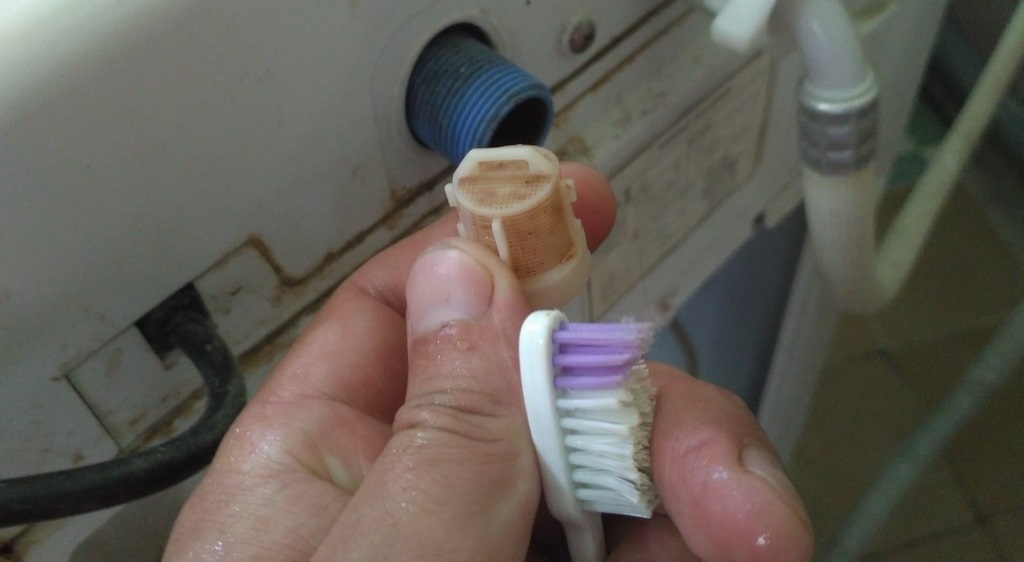
If your machine has a coarse filter, you should check it too. It's located immediately after the shut-off valve. The filter element also becomes clogged with impurities found in tap water.
To clean the filter, you'll need a pair of wrenches. Use one to grasp the joint, and the other to loosen the retaining nut. First, cover the floor with dry rags and place a deep basin nearby. The water will flow under pressure and clean the filter element. Once finished, tighten the retaining nut.
Let's pay attention to the valve and the heating element.
In most cases, when a washing machine won't fill, the culprit is the inlet valve. This is where liquid enters the machine. It's located immediately after the inlet hose.
A broken valve cannot be repaired. A new part must be purchased and installed, and it's inexpensive. Components are selected based on the Gorenje washing machine model and serial number.
Algorithm of actions when replacing the solenoid valve:
- turn off the power to the machine, turn off the water supply valve;
- detach the inlet hose from the washing machine body;
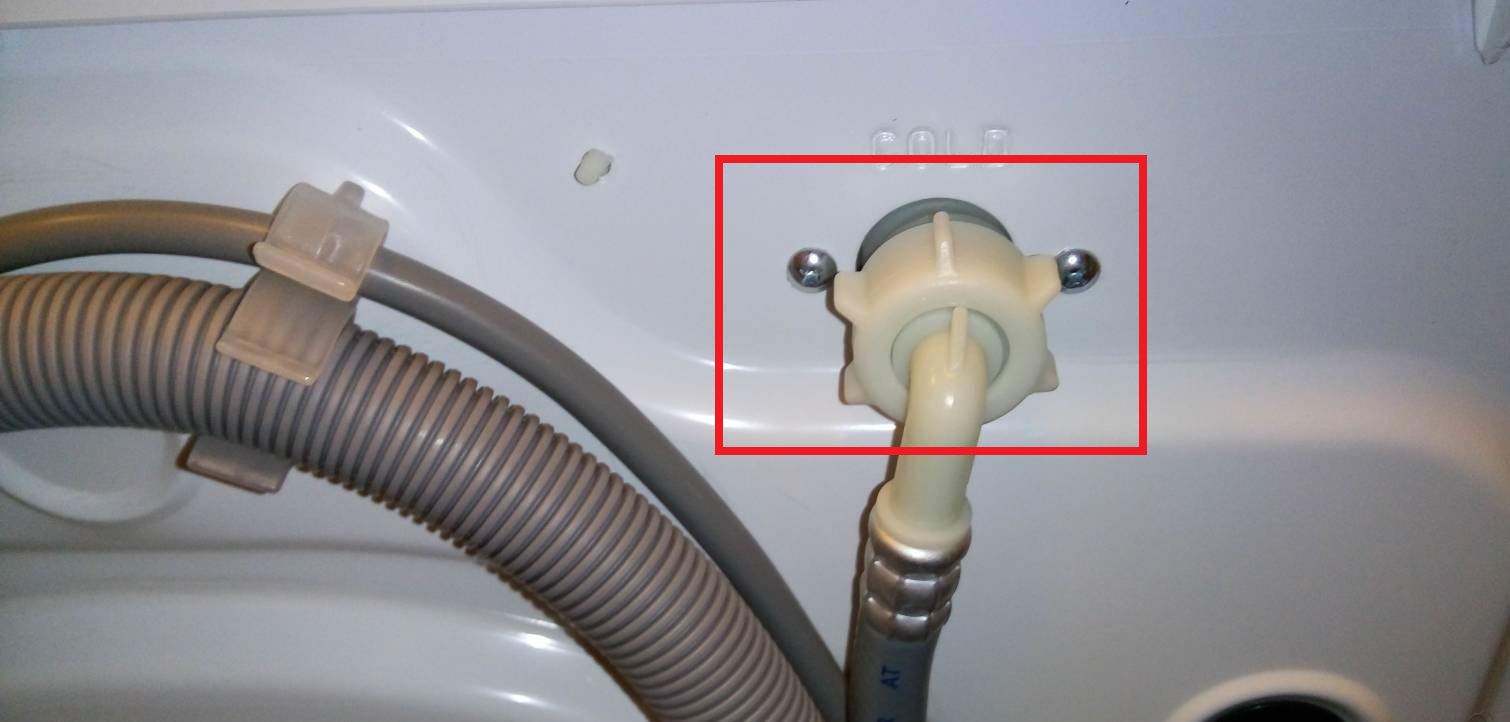
- Unscrew the two screws holding the top cover of the machine;
- remove the top panel of the case;
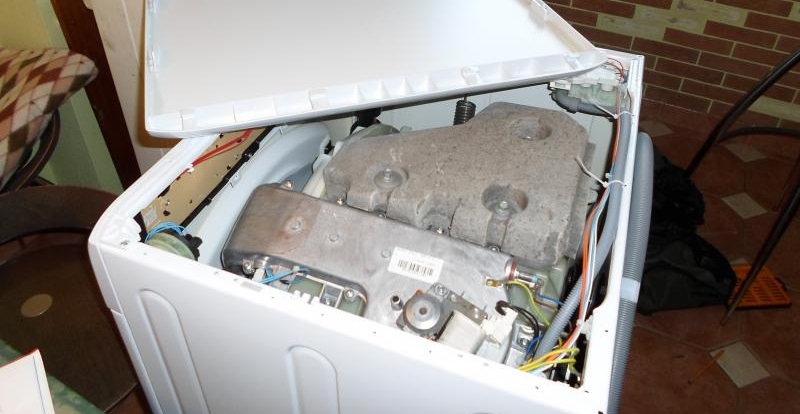
- take a photo of the connection diagram of the contacts to the valve;
- disconnect all wires from the valve;
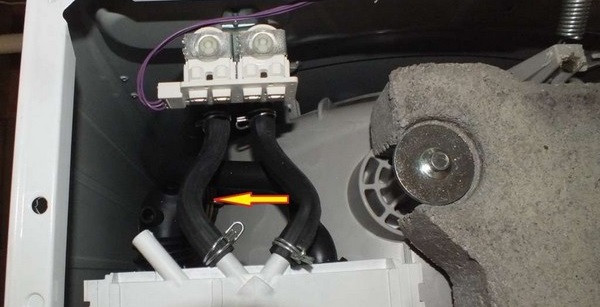
- disconnect the hoses from the sensor (water may flow out of them - this is not a problem);
- remove the bolt securing the valve;
- remove the old part;
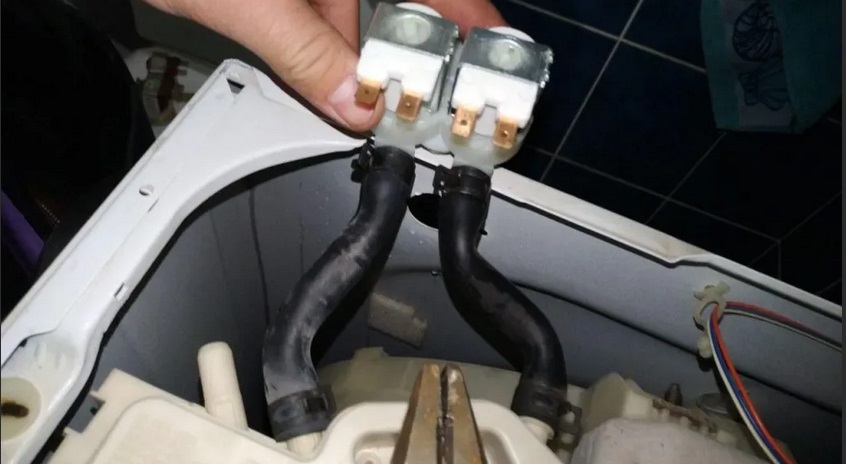
- install the new valve in place and secure it with a screw;
- reconnect the wiring and hoses;
- check that all components are securely fastened;
- put the top panel of the washing machine case back in place and secure it with screws;
- Connect the inlet hose to the machine.
Now you need to test the washing machine by running a test cycle with no laundry in the drum. You can select the shortest setting, such as "Rinse." If the machine fills with water, the problem is solved.
Once all more likely faults have been ruled out, it's time to check the heating element. A multimeter is used to diagnose the heating element. Sometimes, a visual inspection is enough to determine that the element is faulty. It becomes coated with a thick layer of scale, which impairs its heat output.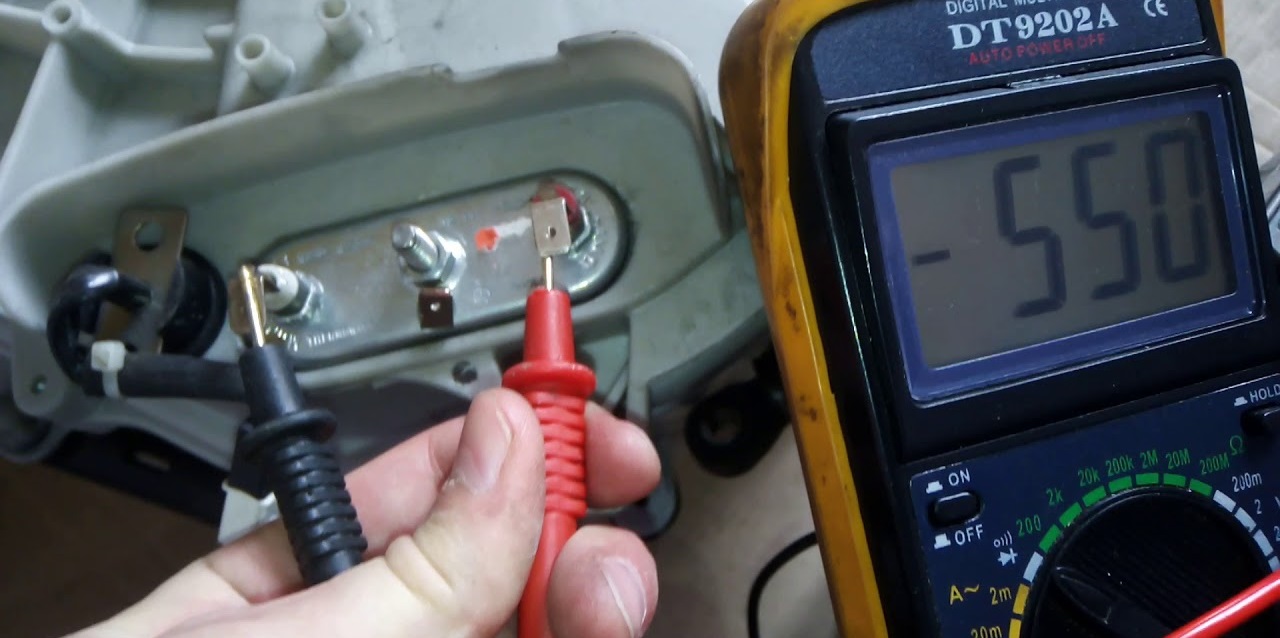
A multimeter is a useful tool around the house. It can be used to test the main components of a washing machine: the motor, drain pump, control module, heating element, etc. The device is inexpensive, around five dollars.
How to inspect and replace the heating element:
- de-energize the washing machine, remove the top panel of the case;
- unscrew the screws holding the back wall and remove it too;
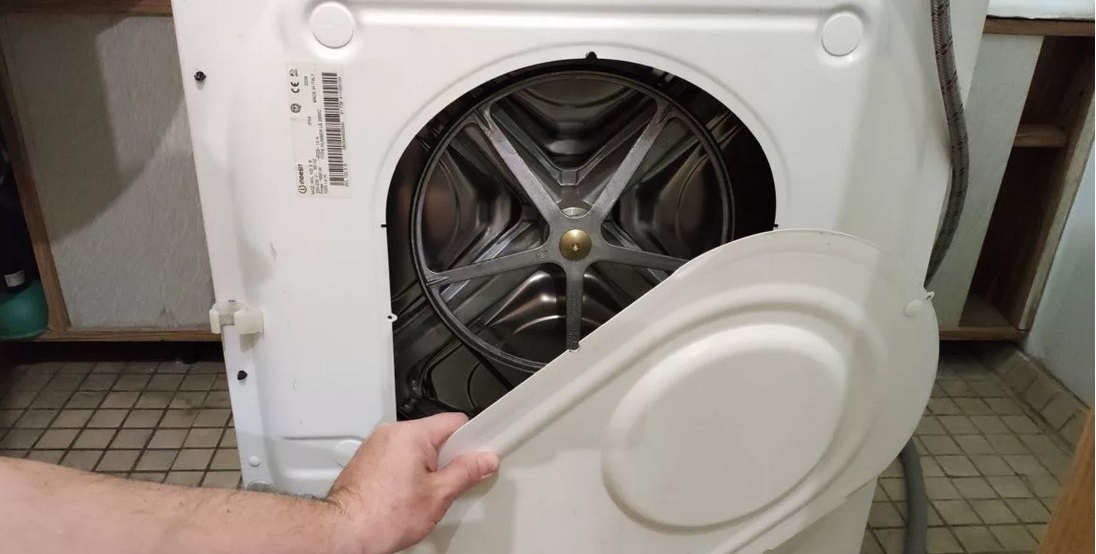
- find the heating element – it is located under the tank;
- Take a photo of how the wires are connected to the heater;
- disconnect the wiring from the heating element and the temperature sensor contacts;
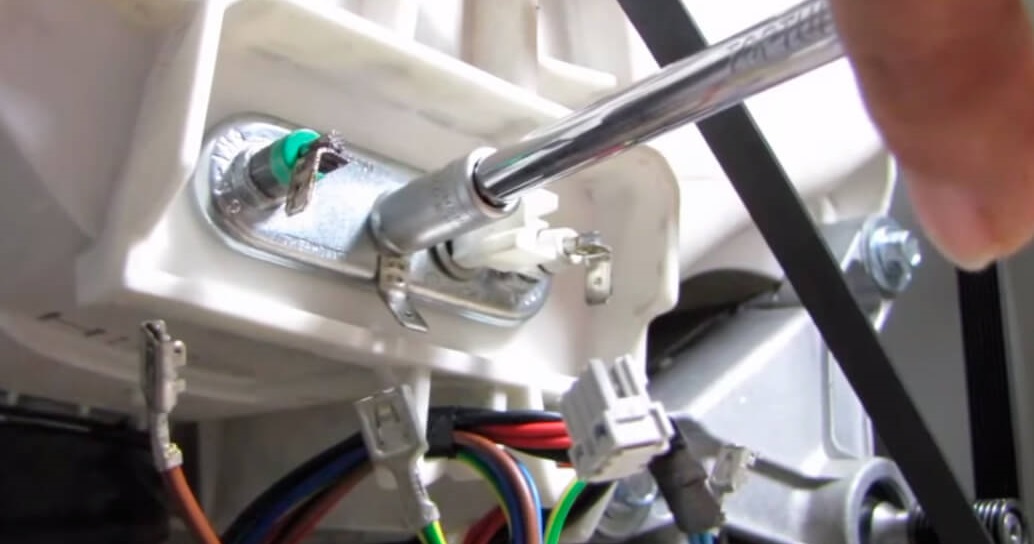
- loosen the locking nut;
- take hold of the heating element and, using rocking movements, remove the element from the “nest” together with the sealing rubber;
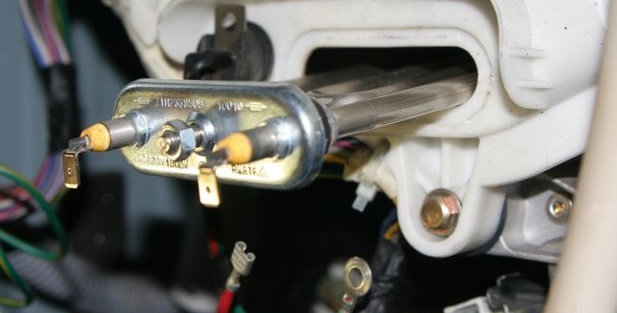
- lubricate the rubber gasket with dishwashing liquid or liquid soap and return it back into the recess;
- insert the new heater into the "socket";
- connect the reset contacts, temperature sensor;
- Put the back and top walls of the washing machine back in place.
Run the test cycle again. If the machine still doesn't fill, the circuit board will need to be diagnosed. It's best to entrust this work to a service center. Without understanding the washing machine's electronics, you could only make the situation worse, permanently damaging the control module.
Interesting:
Readers' comments
Headings
Washing machine repair




For buyers




For users


Dishwasher




Add a comment