
My Gorenje washing machine won't drain.
 If the washing machine isn't draining, you won't be able to continue the wash cycle. At best, the machine won't start the program; at worst, the Gorenje will stop mid-cycle with a full drum. In the latter case, the situation will be complicated by items getting stuck in the drum. A comprehensive diagnosis of the drainage system, inspecting key components and elements, will be necessary. We'll discuss exactly what to do and in what order.
We find out why there is no sewage drainage
Drainage diagnostics begins with searching for the possible cause of the failure. Several problems can lead to drainage problems, such as a clogged waste filter or a faulty electronic unit. The situation is further complicated by the fact that almost all "dirty" faults have similar symptoms and manifestations. There's only one solution: inspect all components and assemblies sequentially.
Modern Gorenje washing machines can help troubleshoot problems thanks to their self-diagnostic system. The washing machine automatically checks the functionality of its mechanisms and notifies the user if a malfunction occurs. More precisely, it displays an error code or lights up a corresponding indicator. Simply decipher the "message" according to the manufacturer's instructions.
The Gorenje washing machine's self-diagnosis system can automatically detect the nature of the fault and display the corresponding error code!
There are several possible causes of waste drainage in a Gorenje washing machine. These include external and internal blockages, problems with the drain hoses, and a faulty pump or control board. We'll describe each problem separately.
- External sewer line clog. The problem could be external: a clogged central drain pipe or trap. Check if water is draining from the bathtub or sink.
- Internal drain blockage. During the washing process, a lot of debris, both from laundry and from hard water, gets into the machine. All this debris accumulates inside and, over time, clogs the filter, pipes, and drain hose.
- A faulty pump. A broken pump makes a loud humming noise as it tries to operate, but no drainage occurs. This could be due to a clogged or shorted circuit, or normal wear and tear. Sometimes the impeller is clogged with debris wrapped around the blades.
- Electronic control unit malfunction. A manufacturing defect, voltage issues, a technical glitch, or a short circuit can cause the control board to fail. Naturally, the pump then fails to receive the drain command, leaving the machine with a full tank.
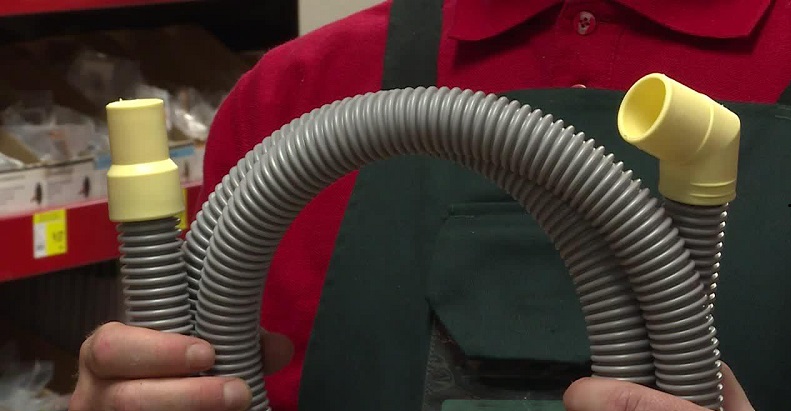
- Incorrectly selected hose. Gorenje washing machines, like many other machines, pump water using a pump of a specific capacity. If you connect a 2-meter or longer hose to the machine instead of the standard 1.5-meter drain hose, the machine won't be able to handle it and will return waste back into the drum.
Sometimes a washing machine fails to drain due to simple user inattention. Perhaps a non-draining program was initially selected, or this option was accidentally disabled. Before deciding what to do, check the control panel and try emptying the drum again. If the washing machine doesn't respond, proceed to diagnosing the drainage problem.
Water removal technique
The first step in Gorenje diagnostics involves emptying the drum. Checking the drainage system of a washing machine with a full drum won't work, as flooding will worsen the situation. If it is not possible to drain the water automatically using a special mode, you will have to do it manually. There are two options for forced flushing:
- through the drain hose;
- through the drainage filter.
It's easier to use a hose. Many Gorenje washing machines don't have a check valve in the drain, so they don't have a "siphon effect." If you have a problem with drainage, this is a plus—you can lower the hose below the drum, thereby releasing water through the pipes. The drum will empty quickly and without any unnecessary manipulation.
If your Gorenje washing machine has an emergency drain hose, you should use it to empty the drum!
If draining through a hose isn't possible, another option is to remove the debris filter yourself. Here's how:
- disconnect the machine from the power supply and water supply;
- prepare a container, bowl or bowl;
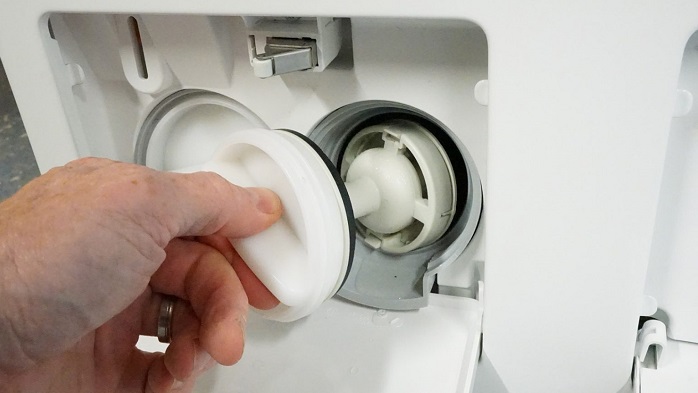
- we pry up the false panel of the technical hatch and put it aside;
- we find the trash filter – a black plug;
- place a container under the filter;
- slowly unscrew the "trash can" clockwise;
- We collect water.
If the filter is removed and the water isn't draining, check the hose coming from the tank. It's likely clogged with debris and preventing the water from draining. Still no results? Then unhook the hose and rinse it under the tap.
We are looking for a breakdown
Once the machine is drained and disconnected from the power supply, it's ready for repair. If the waste filter hasn't been removed before, now's the time to do so. Next, check the drainage system components in the following order: waste filter, pipe, impeller, and pump.
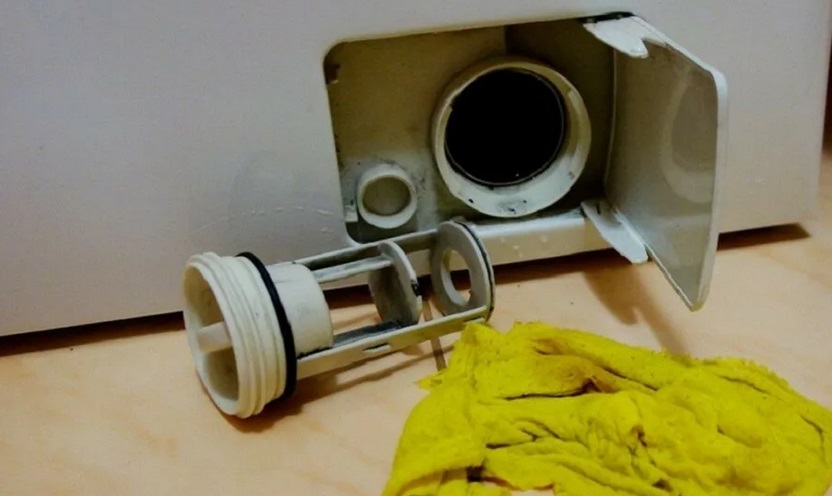
- Debris filter. First, inspect the filter head. It's possible there's too much debris accumulated, blocking water flow. The "spiral" needs to be thoroughly cleaned.
- Filter seat. The second step is to clean the hole freed from debris.
- Drain hose. Be sure to check the hose coming from the washing machine. If you notice any leaks, disconnect it and clean it.
- The impeller. It's located on the pump and helps push water down the drain. However, hair can clog the impellers, causing the pump to stop working. Fixing this is easy: shine a flashlight onto the filter housing, locate the impeller, and clean out any debris.
- Pump. First, the condition of the part is assessed visually: there is no thick layer of dirt or blocked impeller. Then, the spin cycle is started. A working pump will hum and rotate its blades, while a broken one will be silent or remain motionless.
Very rarely, a spin test is inconclusive: the pump runs empty and doesn't drain. This is especially true for older Gorenje models. This is because the magnet built into the pump weakens over time and can't handle the required load. Repairs won't help here—only replacement.
We suspect a pump failure.
You can guess about a pump breakdown even at the start of diagnostics – the machine will hum, but will not drainIf no problems with drainage clogging are detected, then the pump needs to be replaced.The device cannot be repaired. You can replace the pump yourself:
- place the machine gun on its left side;
- detach the bottom;
- find the pump;
- loosen the fasteners;
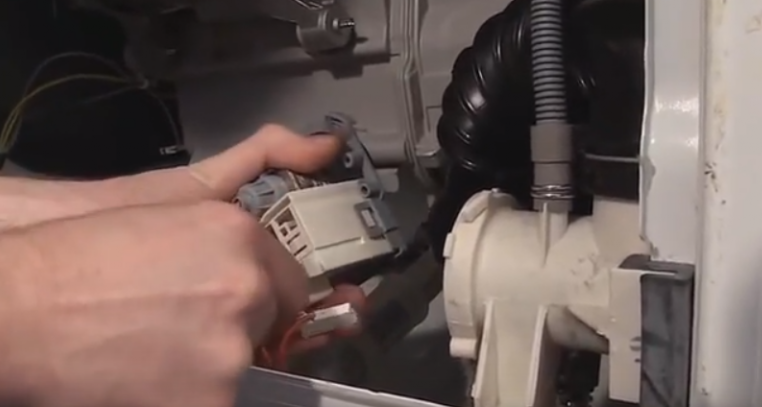
- disconnect the connected wiring;
- remove the pump;
- secure the new pump and put the wiring and hose back in place.
After troubleshooting, run a test wash. Is there drainage? Then everything is correct. If the error persists, contact a service center—it's possible... the problem is in the board.
Interesting:
Readers' comments
Headings
Washing machine repair




For buyers




For users


Dishwasher




Add a comment