The washing machine makes noise when heating water.
Many technicians have encountered a humming sound from their washing machine when heating water. When the tank fills and the heating element starts working, a loud crackling noise is heard. After a while, the noise stops, the washing machine runs normally, and completes the cycle. Let's look at what this noise means and how to fix it.
Can a heating element crackle?
To answer this question, just listen to the sound of an electric kettle boiling. The heating element may hiss, but it's not a crackling sound. Furthermore, a washing machine's heating element is even quieter—it's drowned out by the gurgling of water and the hum of the rotating drum.
Only a damaged heating element can crack during operation.
Sometimes the heating element shorts out, causing a distinctive cracking sound. If this happens, the machine will be unable to continue the cycle—the safety device will trip and the power will be cut off. Current leakage is extremely dangerous, so using a washing machine that makes even a slight crackling sound while heating is strictly prohibited. In such a situation, it is important not to connect the machine to the network until the damaged heating element has been replaced.
Sometimes, a properly functioning tubular heater may make a slight crackling sound when the water in the drum boils. This sound should be a concern if you've started a wash cycle that requires heating to 30-40°C. If the machine overheats the water, you can forget about washing delicate fabrics.
This behavior could be caused by a faulty heating element, thermostat, or damaged control module. Troubleshooting the problem will require diagnostics of the machine's components. We'll explain how to check the heater and temperature sensor.
Testing the heating element
If your washing machine is noisy while heating water, it's best not to put off diagnosing the heating element. You can check the element yourself at home. You'll need a screwdriver, pliers, and a special device called a multimeter.
On most washing machines, the tubular heating element is located at the rear, under the drum. Some models have a front-facing element. The machine's manual will help you figure out where to find the heating element.
The heating element is usually located at the back. To access it, you need to:
de-energize the machine;
turn off the valve responsible for the water supply;
detach the inlet and drain hoses from the body;
remove the top cover by unscrewing the two bolts holding it;
remove the back panel of the case by removing the screws that secure it.
After this, you'll be able to see the heating element—it's located in a special slot under the tank. The next steps are as follows:
Take a photo of the wiring diagram for the heater and thermistor (the photo will help you avoid mistakes during reassembly);
reset the terminals;
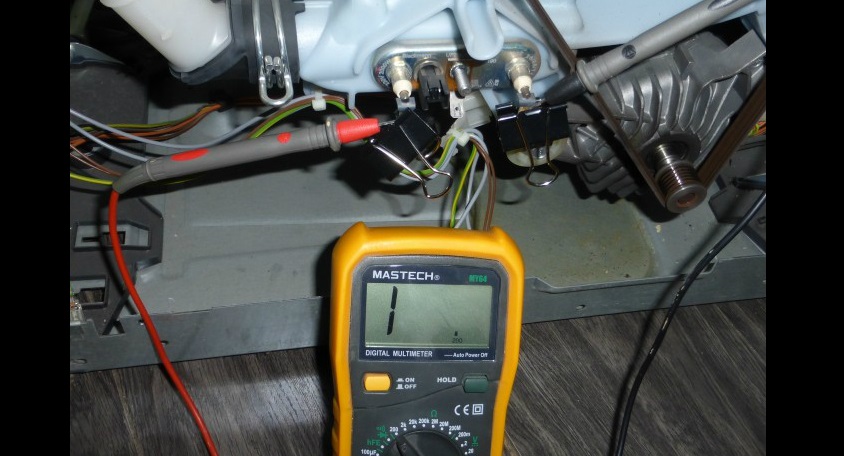
switch the multimeter to ohmmeter mode, set the resistance on the device to 200 Ohm;
apply the tester probes to the heater contacts;
evaluate the values on the device display.
A working heating element should show a resistance reading of 26-28 Ohms on a multimeter.
If the tester displays 1, there's an internal break in the wiring. A zero on the display indicates a short circuit. A faulty heating element cannot be repaired; the element must be replaced.
Once the multimeter returns normal readings during diagnostics, check the tubular element for breakdown. Set the tester to buzzer mode and place one probe against the heating element housing. If the device beeps, it's time to replace the heater.
Sometimes, removing the old heating element can be difficult—the seal expands, blocking the element. To remove the heating element, follow these steps:
loosen the nut that secures it;
press the central bolt inward;
generously treat the rubber with dishwashing liquid;
After 20-30 minutes, remove the heating element using rocking movements.
When purchasing a new heating element, consider the model of your washing machine. It's best to bring the removed heating element to the store and work with the salesperson to select an equivalent. Installation is performed in reverse order.
If the heating element is working
Sometimes the heating element isn't the cause of the washing machine's noise. Therefore, if the heating element diagnostics reveal no problems, you should check the temperature sensor. The thermistor is located on the heater body, next to the central nut. To test the temperature sensor with a multimeter, follow these steps:
Disconnect all wires connected to the thermistor;
detach the element from the heating element;
switch the tester to ohmmeter mode;
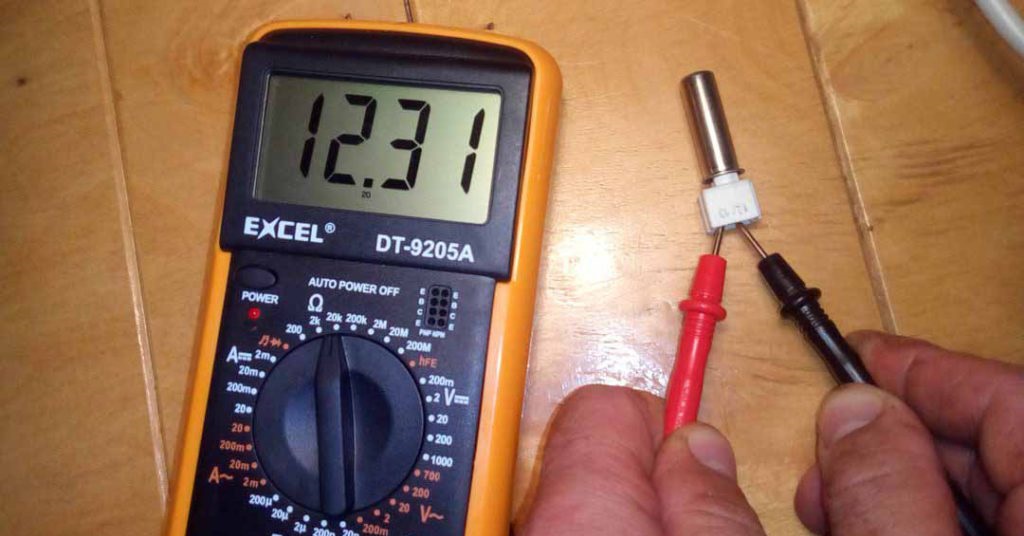
place the multimeter probes against the sensor contacts;
evaluate the instrument readings.
A working thermostat at room temperature should show a resistance reading of 6000 Ohms on a multimeter.
After this, immerse the sensor in hot water (approximately 50-60°C) for several minutes. Normally, the resistance should drop to 1300 ohms. If the display changes differently, the thermostat is not functioning properly and will need to be replaced.
If the thermistor is working properly, inspect the wires connected to it and the heating element to ensure there are no loose connections. If everything is OK, you'll need to check the control module. The electronics may be malfunctioning, and professional assistance will be required to fix the problem.

 Many technicians have encountered a humming sound from their washing machine when heating water. When the tank fills and the heating element starts working, a loud crackling noise is heard. After a while, the noise stops, the washing machine runs normally, and completes the cycle. Let's look at what this noise means and how to fix it.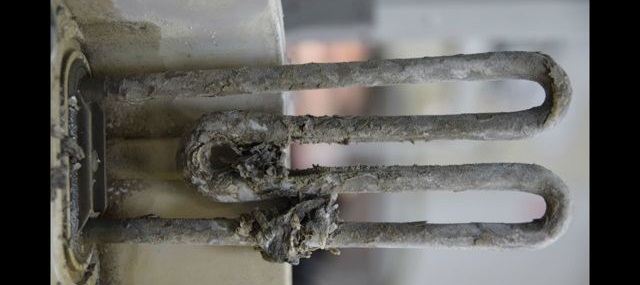















Add a comment