
The Indesit washing machine fills with water and does not wash.
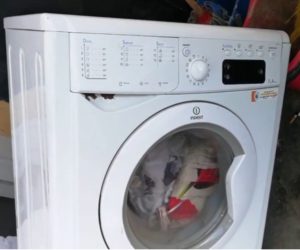 Household appliances can stop working at any time. If your Indesit washing machine fills with water but doesn't wash, you'll have to put the wash on hold and try to fix the problem yourself. But first, you need to more accurately determine the nature of the problem. Let's figure out how.
What could have happened?
If your washing machine is full of water and won't start a program, don't immediately take it to the dump. Most likely, the problem is not serious and can be easily fixed at home. The most important thing is to accurately determine the nature and extent of the malfunction. The program reset after water intake may be caused by:
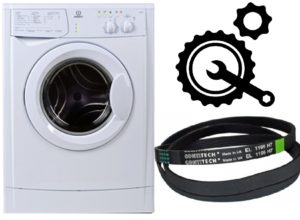
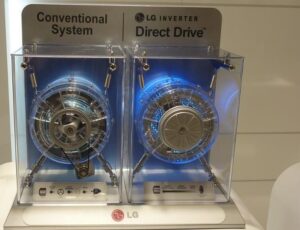
- a slipped drive belt (if the model is not equipped with a direct drive);
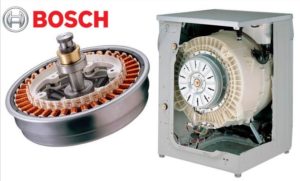
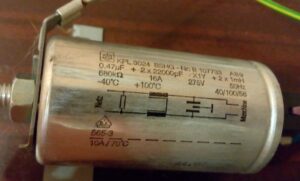
- broken electric motor (brushes are worn out, the starting capacitor is faulty, or the thermistor is triggered);
- failed heating element (the machine cannot heat water and start the cycle);
- failed control module.
Check the machine's display, as the self-diagnostic system will display an error code, which, once deciphered, will reveal the reason for the stoppage.
To accurately determine the source of the fault, you'll need to check each item on the list one by one. It's recommended to start with the simplest issue, the belt, and end with the rarely failing and expensive circuit board. All instructions and recommendations are provided below.
Let's look at the belt
Diagnostics begin with the drive belt. In most cases, it is the culprit behind the braking cycle, as a loose belt prevents the engine speed from being transmitted to the drum shaft. This can be caused by improper transportation of the machine, errors during assembly, or untimely replacement.
To confirm your suspicions, you need to locate the belt. In front-loading machines, it's located at the back, while in top-loading machines, it's on the side. In either case, simply unscrew a couple of retaining bolts around the perimeter of the corresponding panel, remove the cover, and inspect the inside of the washing machine.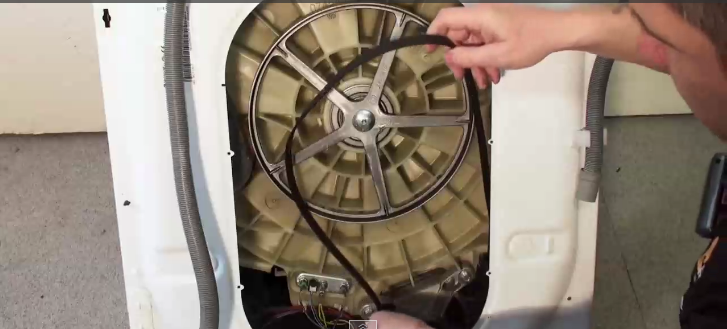
A loose belt is hard to miss. But before replacing it, it's worth removing the rubber from the car and assessing the condition of the rim. Even minor scratches and damage will lead to a recurrence, so it's best to replace the component. Instructions for proper installation are as follows.
- We straighten the rim.
- We put the ring on the motor.
- With one hand we pull the belt up, and with the other we put it on the pulley.
- We rotate the pulley counterclockwise, hooking the rubber band onto the seat.
A new drive belt is inexpensive, so it's recommended to replace any worn rubber immediately. There's no need to call a mechanic—the procedure is easily done yourself. The main thing after replacement is to run a test wash and check the functionality of the equipment.
Let's look at the engine
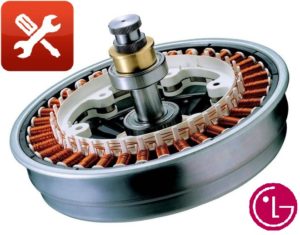
An Indesit washing machine may also fail to wash if there's another problem: a faulty motor. Typically, this stoppage occurs due to worn-out brushes. In asynchronous models, which don't have such components, the starting capacitor fails. Frequently, the motor fails to start due to overheating if the 60-90°C program is run repeatedly. In the latter case, the problem resolves after a 40-60 minute "rest."
The engine may not start due to severe overheating, for example, after 2-3 cycles in a row.
Typically, the required repair involves replacing the brushes. To do this, remove the motor by unscrewing the retaining bolts and releasing the wiring. Locate the two plastic covers on the motor housing, pry them up with a screwdriver, and unhook them. Next, insert the tabs inside each of them, bend them back, and remove the loose parts. Replace the worn "carbon" brushes with new ones, compress the spring, and secure it with a clamp. Finally, clean the motor from dust, reassemble the machine, and run a test wash.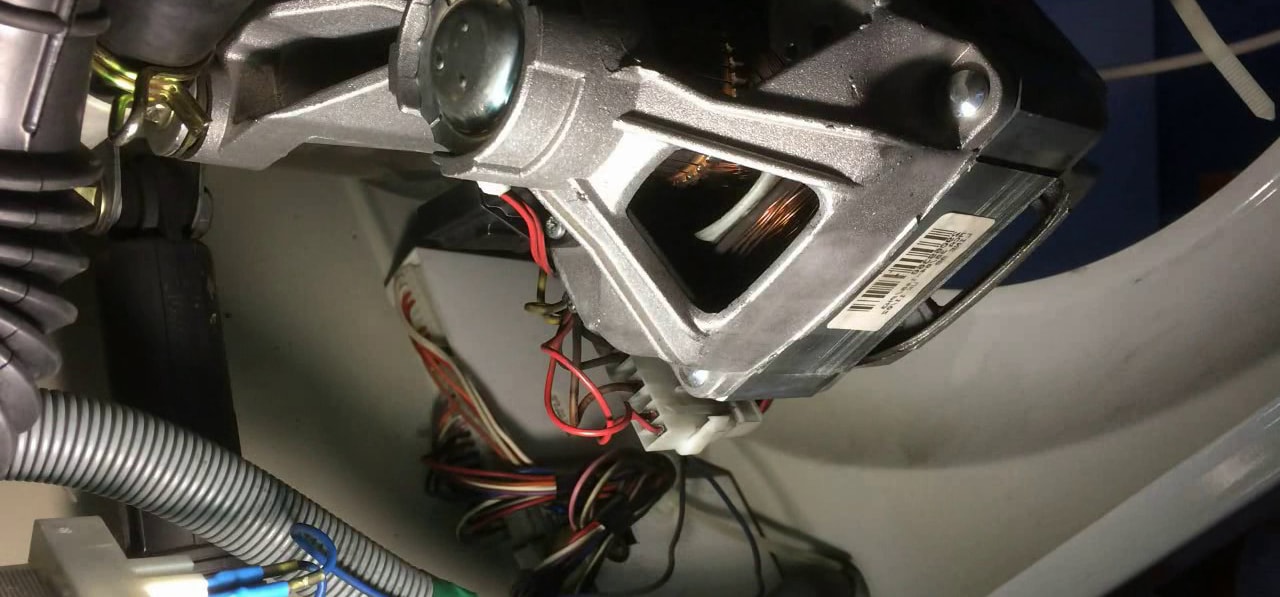
The control module is broken
If the machine fills with water but doesn't start washing, the control board or electronics may be at fault. These problems are more difficult to diagnose and fix, but they are entirely possible. The key is to proceed carefully and consistently.
First, let's check the electrics. We inspect all wires, terminals and connections, trying to find traces of burning or oxidation.If any are found, the phases will have to be cleaned or the clamps tightened.
Things get more complicated if the problem lies with the electronic unit. This is because the board is responsible for switching modes and starting the cycle. When the machine draws enough water, the pressure in the tank increases, the pressure switch is activated, and the module signals that the machine is ready for washing. However, if the triac connecting the washing machine's "brain" to the motor is faulty, the system will not be able to send the command and start the selected program.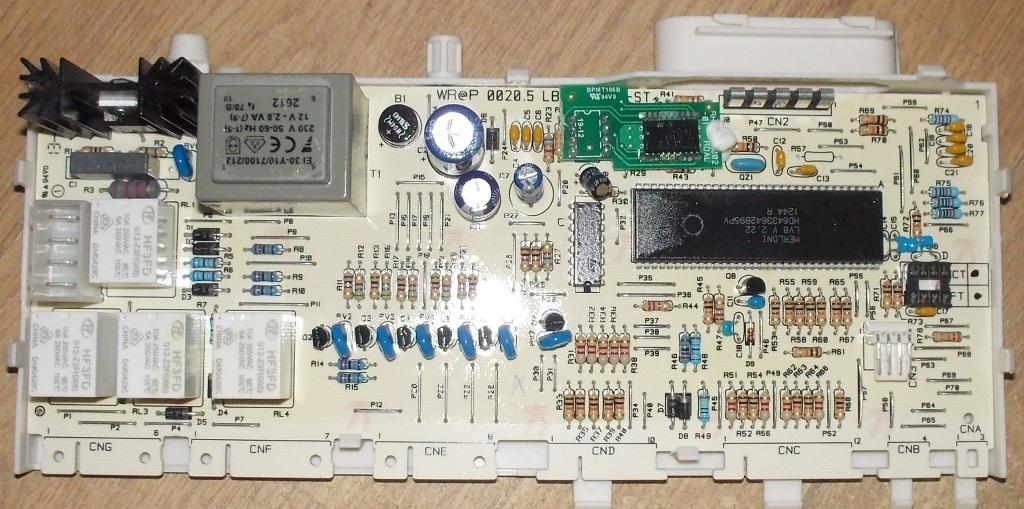
It's practically impossible for beginners to navigate the circuit board's intricacies on their own. Firstly, they'll have to deal with hundreds of wires and contacts that only a professional electrician can navigate. Secondly, reflashing and repairing the module requires specialized equipment. Thirdly, one careless move can be fatal, and a new unit is very expensive.
There are often stories on forums where the machine stops after filling with water due to a simple clogged filter or hose. Users claim that in this case, cleaning the drain helped them, and there was no need to get to the motor and board. But it's quite possible that the situation described doesn't match our "symptoms." Most likely, the phrase "won't erase" meant "won't drain" and "freezes."
If your washing machine isn't washing even when full of water, it means the motor isn't accelerating the drum. We've already explained why this happens and how to fix it. All you need to do is be patient and start troubleshooting.
Interesting:

1 reader comment
Add a comment
Headings
Washing machine repair




For buyers




For users


Dishwasher




Hello, the machine washes, then stalls until you unplug it. I understand it's not rinsing.