
Indesit washing machine does not switch modes
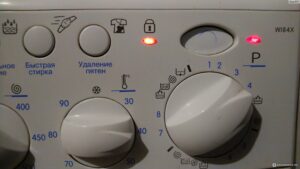 Why does my Indesit washing machine sometimes fail to switch modes? What could be causing this behavior? Should I call a technician or can I fix the problem myself? Let's explore the nuances.
Let's focus on two possible problems
Don't immediately disassemble the washing machine to check for obvious damage. First, analyze its behavior. You might be missing something important. Try running the machine through different cycles. If the washing machine doesn't begin the rinse and spin cycles on any cycle, there's a real problem.
Be sure to run the washing machine separately in the "Rinse + Spin" mode. If this program runs, then a broken or clogged drain system component can be ruled out. If the machine freezes during this cycle, you'll need to additionally check the pump, debris filter, pipes, and drain hose.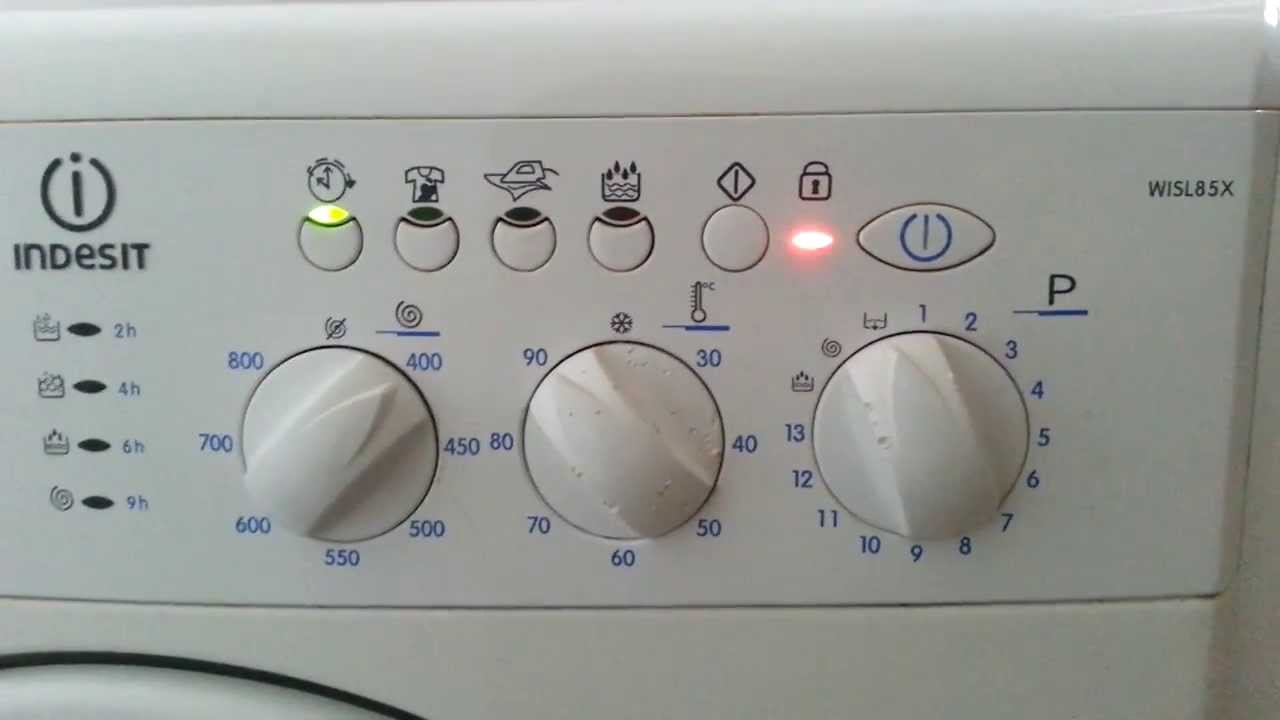
Experienced craftsmen, who have repeatedly encountered the machine’s reluctance to switch modes, identify two typical reasons for this behavior of the “home assistant”. In 95% of cases, the heating element is the culprit, in the remaining 5% – the control module. Since statistics point more towards the heating element, it is the one that is checked first.
Where to look for the heating element?
How do I check the heating element of an Indesit washing machine? There's nothing complicated about the task; you can handle it yourself, without the help of a technician. To diagnose the heating element, you'll need a multimeter (a tester can be purchased for $2–$3).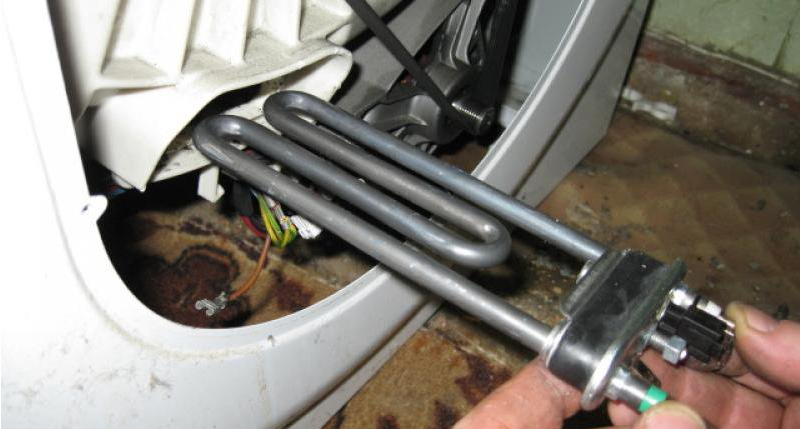
The location of the heating element varies across washing machines. Italian manufacturers have thought about their customers and positioned the heating element so that it can be accessed simply by removing the rear panel of the washing machine. Therefore, this type of repair is considered easy.
Don't buy a new heating element in advance. It's best to first access the tubular heater and check it with a multimeter. If it's damaged, remove the element and take it to the store. This will make it easier to find a similar part.
Replacing the heating element yourself
You can replace the heating element at home. The main thing is to carefully follow the instructions and observe safety precautions. Before starting work, be sure to unplug the washing machine. Next:
- disconnect the washing machine from the water supply and sewerage system;
- Pull out the machine so that you have free access to the rear of the body;
- Use a Phillips screwdriver to unscrew the screws located around the perimeter of the rear panel;
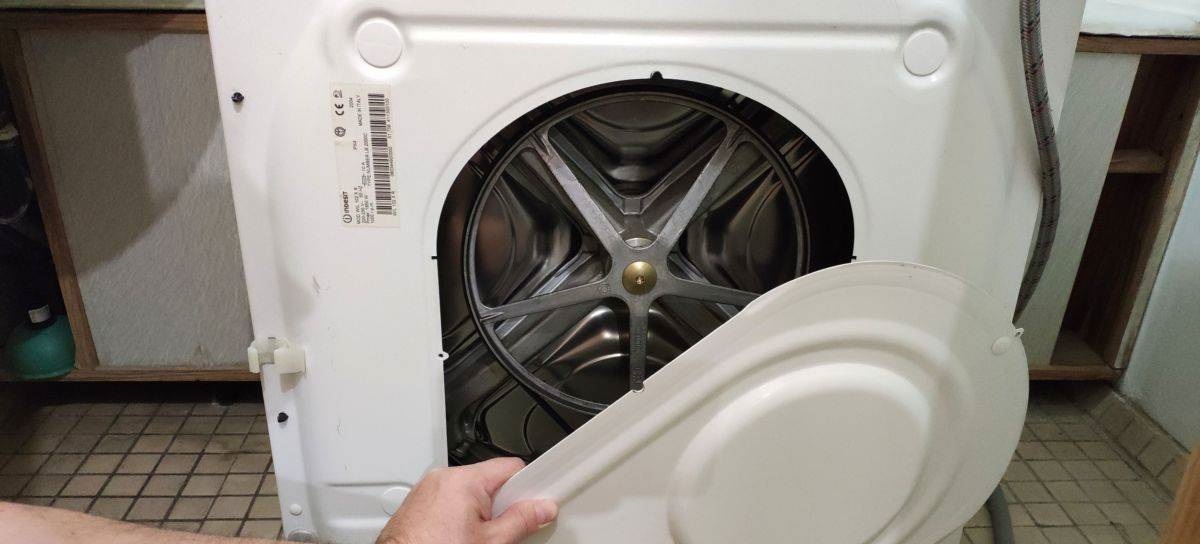
- move the wall aside;
- find the heating element – it is located below, under the tank;
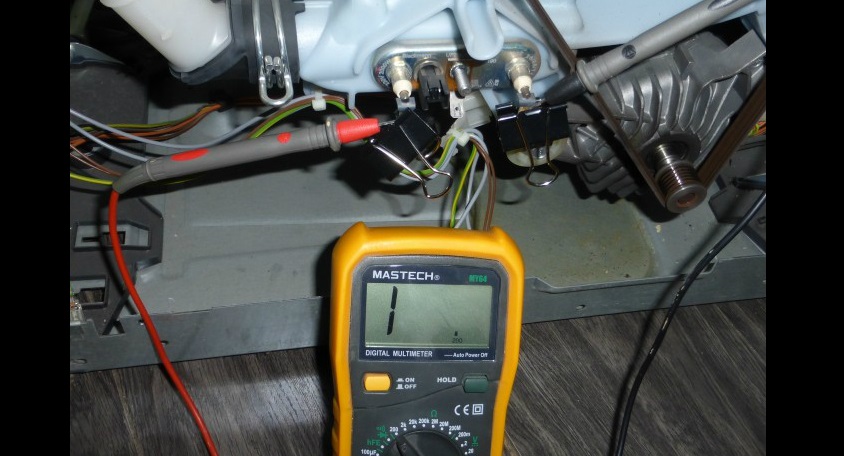
- attach the multimeter probes to the contacts of the tubular heater;
Normally, the heating element should produce a resistance of about 25-35 Ohms; if the readings differ significantly, the heating element is faulty.
- take a photo of the heating element wiring diagram;
- Disconnect all contacts with terminals from the part;
- loosen the central nut holding the heater and unscrew it from the bolt;
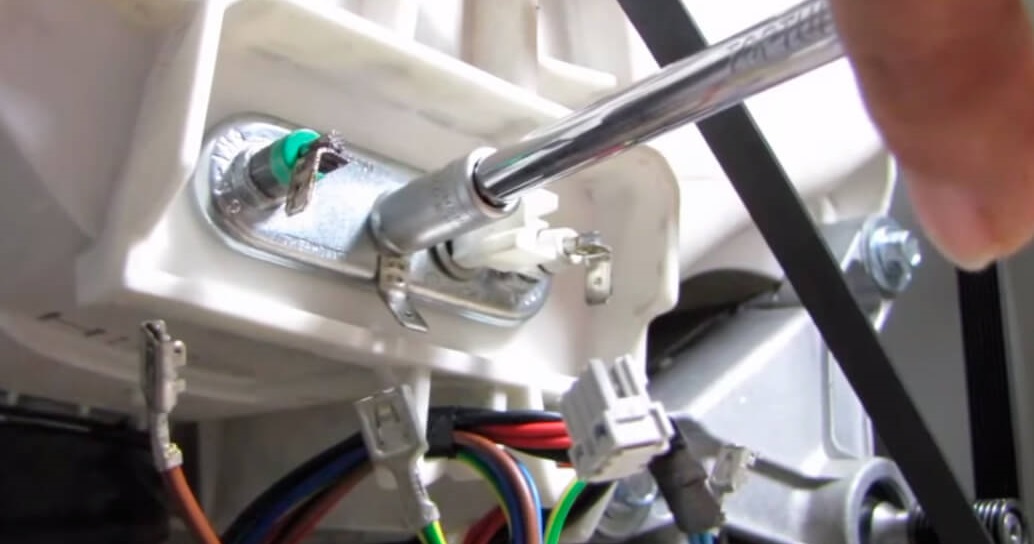
- press the bolt into the hole;
- remove the heating element from the washing machine housing, using a flat-head screwdriver;
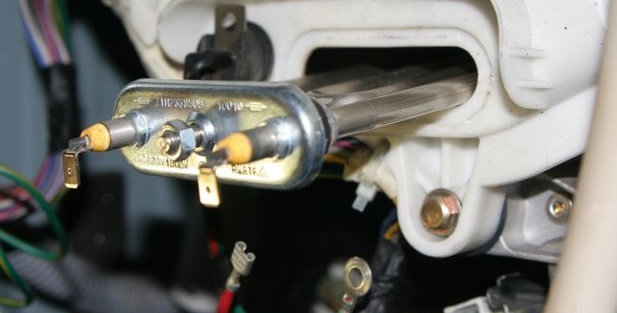
- remove the temperature sensor from the old heater and move the thermostat to the new heating element;
- clean the seat from debris and dirt;
- Place the new tubular heater into the socket and secure it with a bolt and nut;
- connect the wires to the heating element terminals, referring to the photos taken earlier;
- put the back panel of the washing machine case back in place and secure it with bolts;
- Connect the washing machine to the utilities.
After this, you can run a short test cycle. Observe whether the machine switches modes and starts rinsing and spinning. If so, the problem is solved. If not, you'll need to run diagnostics on the control module.
Will replacing the control module help?
If the heating element in your Indesit washing machine is working, but it still doesn't switch modes, you'll have to check the electronic unit. It is better to entrust the diagnostics of the control module to service center specialists. If the unpleasant guess is confirmed, you can replace the board yourself to avoid overpaying.
To replace the main control module of an Indesit washing machine, you need to:
- de-energize the washing machine by pulling the power cord out of the socket;
- turn off the shut-off valve responsible for the water supply;
- disconnect the device from the water supply and sewerage system;
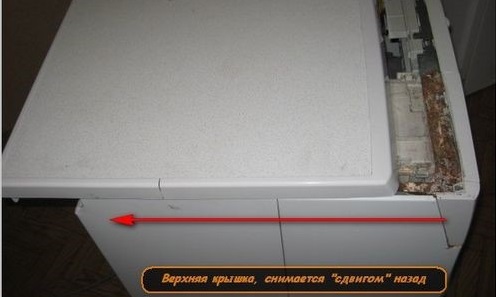
- remove the top cover of the machine (by unscrewing the two screws holding the panel);
- remove the detergent drawer;
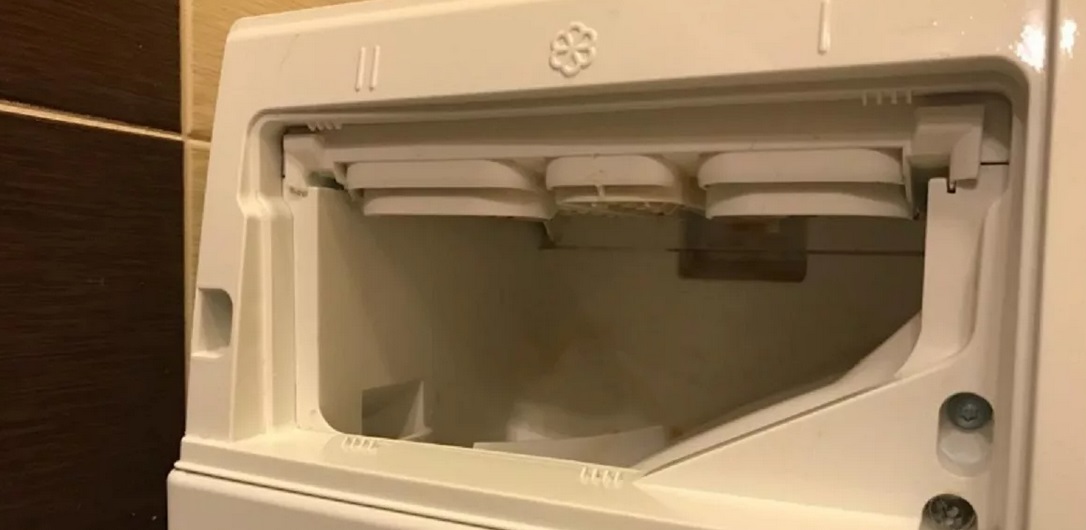
- remove the bolts securing the washing machine control panel;
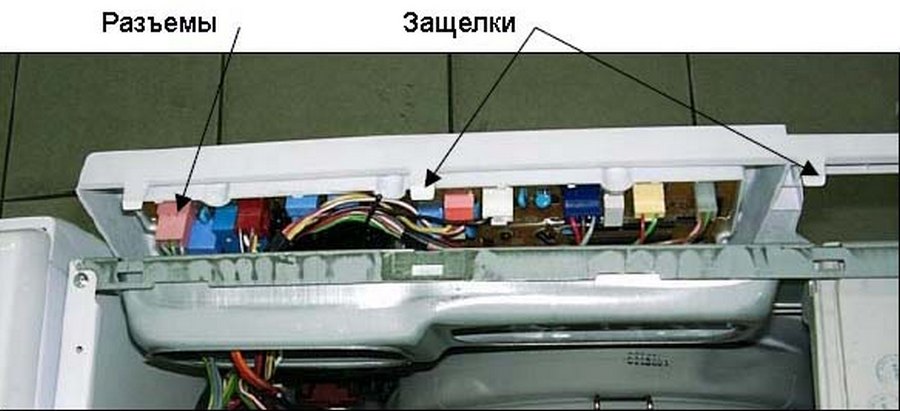
- remove the dashboard using the plastic latches;
- take a photo of how the wires are connected from the electronic module to the control panel;
- disconnect the wiring from the unit;
- move the control panel aside;
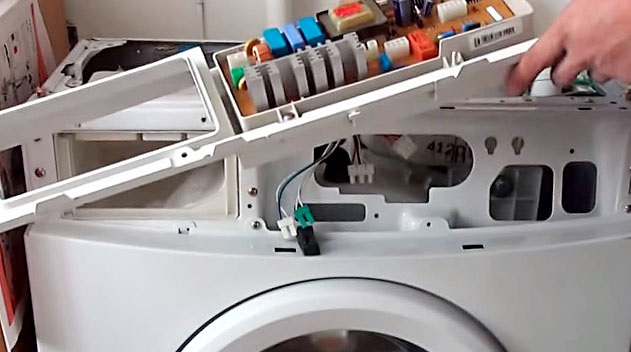
- unscrew the screws holding the control module;
- remove the electronic unit from the machine.
A new control module is purchased for a specific Indesit washing machine model. Installation of a working electronic unit is performed in reverse order. First, the board is secured into the housing, then the wires are connected (it's best to refer to the photo to avoid mixing up the connections). Next, the dashboard and top cover are attached.
Once the housing is assembled, turn on the machine and check how it responds to commands. If the "brain" correctly responds to button presses and the dial, the job has been done correctly. Next, run a test cycle – the washing machine should begin switching modes.
Interesting:

Readers' comments
Headings
Washing machine repair




For buyers




For users


Dishwasher




Add a comment