
Indesit washing machine does not rinse
 Rinsing is an essential step in every washing cycle. When your washing machine won't rinse, you need to address the problem immediately, otherwise it becomes unusable. While this isn't always due to a faulty appliance, in most cases, owners still need to be mentally prepared for repairs. Let's figure out why your Indesit washing machine won't rinse and what to do in this situation.
What should we check first?
First, you need to determine whether the problem is solely with the rinse cycle, or whether the washing machine is also unable to spin and drain. To check the machine's capabilities, run the "Drain" cycle. If the machine doesn't begin draining the water from the drum, it won't rinse. First, check:
- The drain hose. It may be clogged, kinked, twisted, or have something heavy accidentally placed on it, preventing fluid from draining from the system;
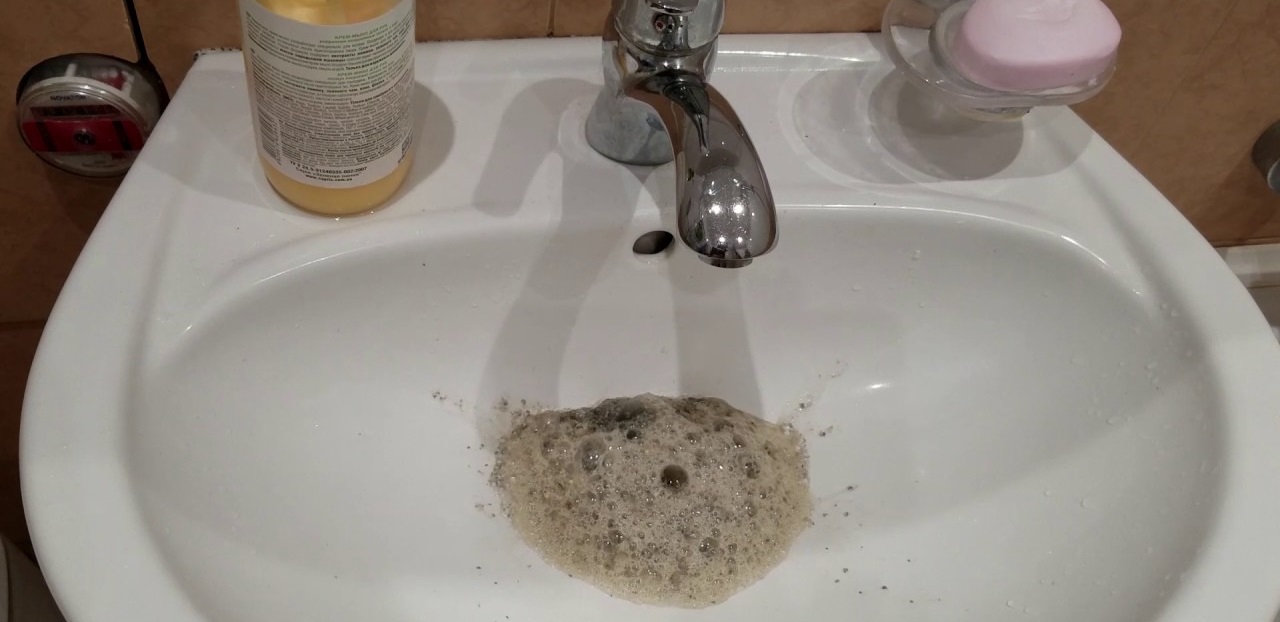
- The sewer pipe. It's possible that a clogged utility line is the cause. To confirm or rule out this possibility, carefully disconnect the drain hose from the pipe and direct it into the bathtub. Run the "Drain" program. If the liquid flows freely, the problem lies in the plumbing system. You can try to find the clog yourself, but it's best to call a plumber.
If you've disconnected the drain hose, turned on the "Drain" function, and the washing machine still refuses to drain, then the problem is a faulty appliance.
What should you do in this situation? You need to turn off the power to the appliance and drain the water from the system through the debris filter (located in the lower right corner of the unit behind a small panel). Then, wait for the door to unlock and remove the items from the drum. You'll have to rinse and wring the clothes by hand, though.
Apart from rinsing, there is no draining or spinning.
If the inspection reveals that the machine also does not spin or drain water, you will have to dig deeper. It is necessary to narrow down the range of possible problems that could have occurred in the system. Let us list the main reasons why the SMA may not function correctly.
- Clogged debris filter, pump, or drain hose. The water after the main wash cycle contains small debris, such as hair, lint, threads, and dirt. Items left in pockets also remain in the liquid. When draining, water passes through the filter element, where all this debris accumulates. The washing machine is likely unable to empty the drum because the debris filter is heavily clogged. A clog could also form in the drain hose, pump, or drain hose. Each element of the drainage system should be inspected and cleaned if necessary.
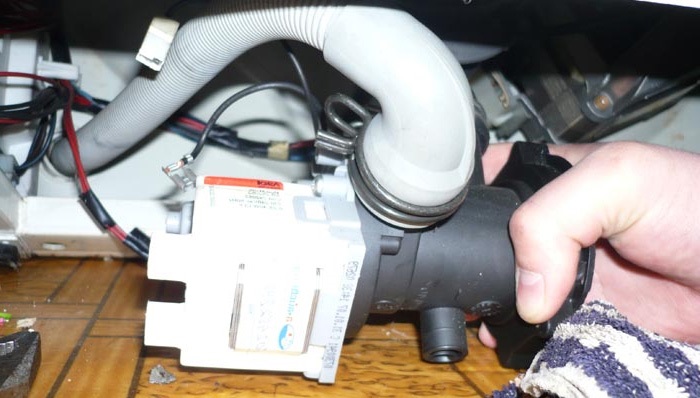
- Pump failure. A fairly common problem with automatic washing machines. After some time of use, the drain pump may burn out. Replace the component with a working one.
- Pressure switch malfunction. The sensor monitors the water level in the tank and transmits this information to the machine's "brain." Based on this information, the control module determines whether more water needs to be added or whether it's time to drain it. If the pressure switch malfunctions, the control unit doesn't receive information about the tank's fullness, and the washing machine stops working. To resolve this issue, a new level sensor must be installed.
- Control board failure. This is the most serious malfunction. The washing machine's "brain" simply doesn't initiate the rinse, drain, or spin cycle. This causes the machine to freeze mid-cycle. Repairs will involve reprogramming the module or replacing it entirely.
These components should be diagnosed when the washing machine fails to rinse, spin, or drain. It's recommended to start checking from the simplest to the most complex.
There is a drain and spin
It's also possible that the machine is working flawlessly, but then malfunctions during the rinse cycle. The washing machine freezes mid-cycle.
This could be caused by a faulty heating element. When the heating element stops working, the thermostat signals the "brain" that the water isn't reaching the set temperature. The control module then stops the wash cycle before the rinse cycle begins. However, it's not always easy to tell exactly when the "freeze" occurred. It's easy to check if the heating element is the problem. Run a cycle at 40°C or higher, and touch the door—the glass shouldn't feel cold. If the heating element is faulty, it will need to be replaced.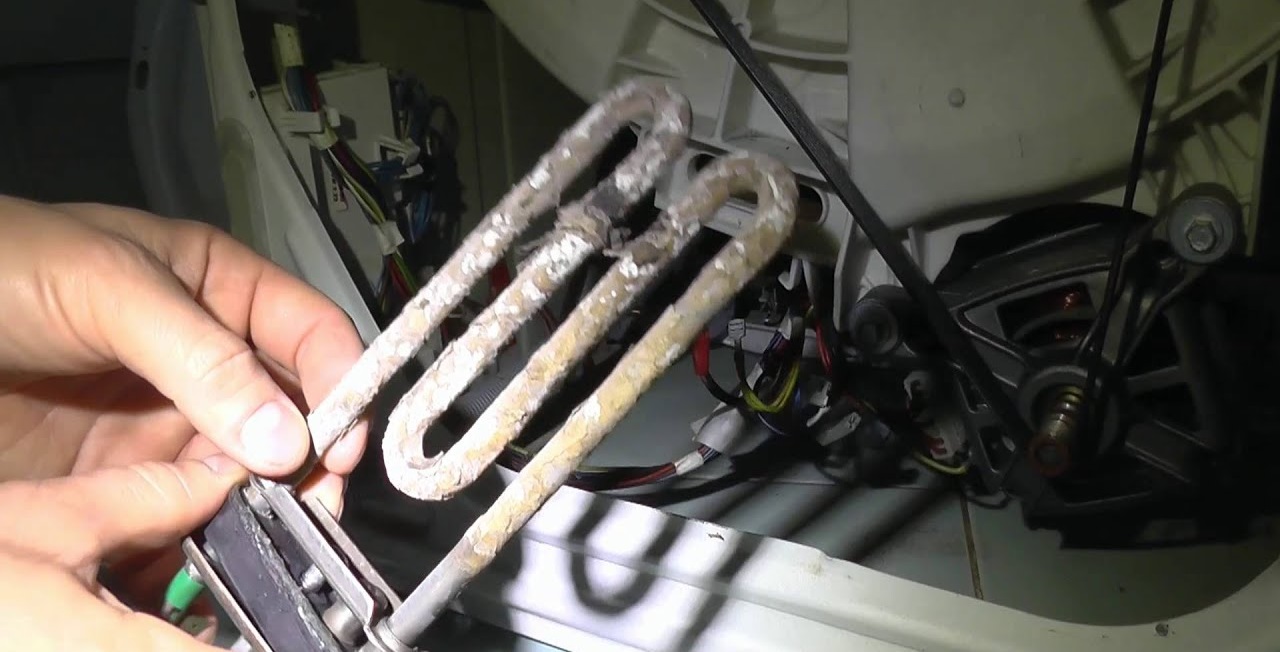
It is also possible that the control module is damaged. When the main board starts to fail, the wash will continue to run, but certain stages of the cycle may skip and not start at all. Another symptom of such a malfunction is a sudden freezing of the machine. What should you do in this case? Sometimes, a simple reboot of the equipment can help. However, if the problem reoccurs repeatedly, the unit must be repaired to prevent permanent damage. This will require reflashing the firmware or replacing the control board.
It is better to entrust work with the washing machine's electronics to a specialist.
You can try to diagnose the problem and fix it yourself. It's easy to check the drainage system, replace the pressure switch, or install a new heating element.
Interesting:


Readers' comments
Headings
Washing machine repair




For buyers




For users


Dishwasher




Add a comment