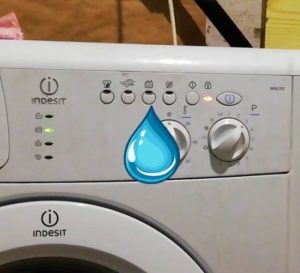
My Indesit washing machine is constantly filling with water.
A warning sign of a faulty washing machine is a constant intake of water. In this situation, after starting a program, the machine only fills, but the wash never starts. Ignoring this behavior from your "home helper" is unavoidable; urgent action is needed. Let's figure out what to do if your washing machine is constantly filling with water. What's the likely cause of this malfunction?
Symptoms of a breakdown
Typically, during the washing process, a washing machine fills and drains water several times (usually 2-3). It's hard to miss the continuous flow of liquid into the system. The main symptoms users report in this situation are:
the incessant noise of water being collected;
Extended washing program. Since the process is not carried out correctly, the cycle time increases;
At the end of the wash, the clothes are still dirty and covered in soap stains. This occurs because the soap solution isn't used at the right concentration.
The reason why the machine is constantly filling with water should be addressed immediately after the problem is identified.
Operating a washing machine with this type of malfunction is dangerous. It can lead to complete equipment failure.
What could have gone wrong?
A variety of factors can cause an Indesit washing machine to constantly fill with water. It's important to first identify all possible issues, and then narrow down the cause as you diagnose them. So, here are some possible causes of a constant water intake:
Incorrect connection of the washing machine;
damaged washing machine tank;
failed pressure switch;
broken inlet solenoid valve;
faulty control module.
If a newly purchased washing machine malfunctions during the first wash, it's not necessarily because it's not connected correctly. It could be a simple manufacturing defect. In this case, it's best not to attempt repairs yourself; instead, take the appliance to a service center for warranty service.
Let's check the drain hose
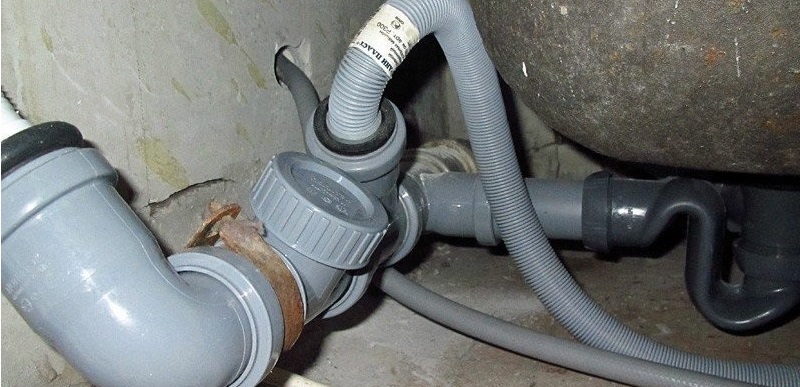
When diagnosing an Indesit washing machine, proceed from the simple to the complex. First, it's recommended to check the machine's connection. Most often washing machines Indesit does not stop filling with water because the drain hose is not connected correctly.
The equipment always comes with instructions detailing the process of connecting the machine to the building's utility lines. The main rule is to always position the drain hose 50-60 cm above the floor. If you run the hose lower, the water will drain by gravity into the pipe, the pressure switch will send a signal to the "brain" about the empty tank, and the control center will command the system to refill with water. And so on, repeating the process.
You can check whether this is the cause visually by inspecting the hose and making sure it's at the appropriate height. If visual inspection isn't possible, you can assess the hose's position using other methods:
turn on any washing program;
wait until the tank is full;
start the "Drain" mode;
In the middle of the descent, press the "Pause" button.
If liquid continues to drain from the system even after the process is paused, the problem is definitely with the drain hose. If the water level remains the same, the problem will need to be investigated further.
Incidentally, the appliance often comes with a special loop designed to secure the drain hose. The hose is inserted into the plastic element, thus securing it in the correct position.
Problems with the inlet valve
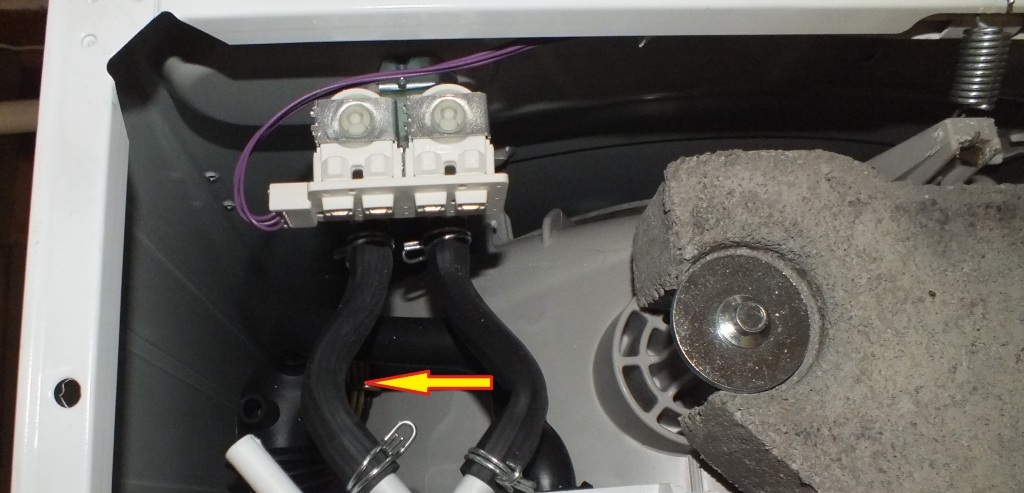
In some cases, a continuous water intake is caused by a faulty inlet valve. When the sensor is faulty, liquid constantly enters the system. So, when the wash cycle starts, the "brain" commands the washer to fill. A broken valve prevents water intake. The safety system activates, and when there's too much liquid, it begins draining. The process repeats itself. What should a homeowner do in this situation?
Please note:
The speed at which the tank fills. If water enters slowly, the valve membrane is likely damaged;
Filling too quickly indicates a breakdown of the electromagnetic element itself.
The intake valve cannot be repaired; you will have to buy and install a new part.
The sequence of actions during dismantling and subsequent installation of the element will be as follows:
de-energize the washing equipment;
remove the top cover from front-loading machines, or the side cover from top-loading machines;
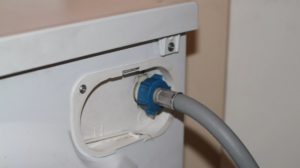
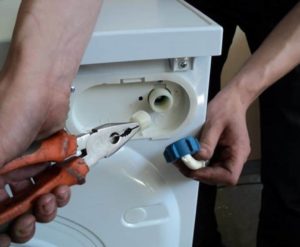
find the inlet valve, disconnect all wiring and pipes from it;
unscrew the bolts holding the valve or loosen the locking latches (depending on the type of fastening of the element on your washing machine model);
remove do;
put the new valve in place, tighten the bolts (or secure it with latches), connect the pipes and wires;
assemble the washing machine body;
Run a test wash.
Replacing a valve is easy and can be done at home. The key is to select a replacement part that is identical to the one being removed.
The level sensor is malfunctioning
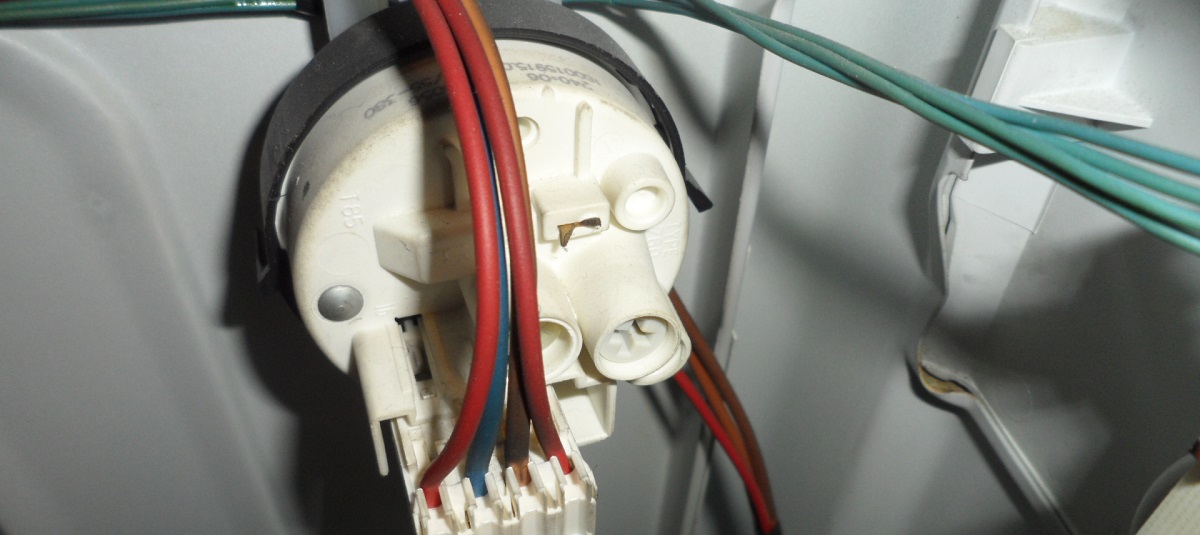
The pressure switch monitors the water volume in the system. When the tank fills to the required level, the sensor transmits a signal to the control module, and the "brain" sends a command to stop filling. If the pressure switch fails, the control unit does not receive accurate information about the amount of liquid in the tank. As a result, the normal wash cycle is disrupted. The level sensor stops functioning correctly for various reasons:
oxidation of its connectors and contacts;
short circuit in pressure switch wiring;
loss of membrane tightness;
clogging or defect of the pressure tube.
You can start by trying to repair the sensor—cleaning the oxidized contacts, welding the defects, and clearing any blockages. If this doesn't work, you'll have to purchase and install a working pressure switch. The procedure is as follows:
remove the “top” of the machine body by unscrewing the bolts holding the cover;
disconnect the pressure pipe from the level sensor;
Disconnect the connector with the wires;
remove the pressure switch by releasing the latch that holds it in place;
install a serviceable element;
make the connection in reverse order (plug, tube);
Secure the top cover of the washing machine in place.
When repairing an automatic washing machine, be sure to follow safety regulations: disconnect the equipment from the power supply and close the shut-off valve.
In such a situation, it's also crucial to select a part identical to the one you removed. Find out the exact model of your "home assistant" and then purchase a replacement.
Damage to the main tank
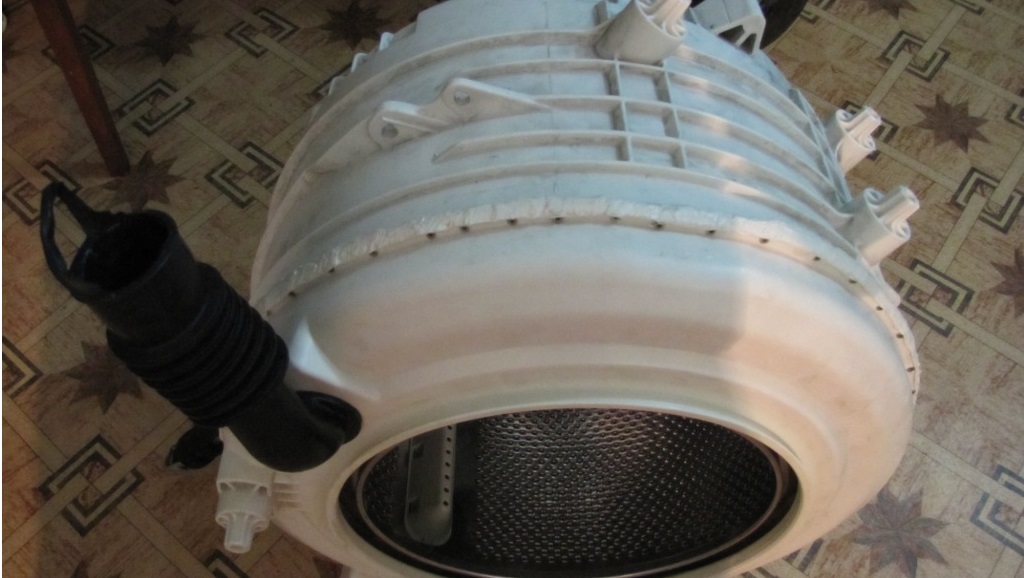
A cracked Indesit washing machine tub is far from uncommon. It's easy to spot—water will accumulate underneath the machine during the wash cycle. This type of damage is extremely dangerous, as it can cause a flood in your apartment, damaging not only your home but also your neighbors'.
The most dangerous cracks appear at the bottom of the drum. Cracks at the top are less serious because they prevent water from leaking onto the floor—most Indesit programs only fill the drum halfway. To inspect the bottom of the drum:
turn off the power to the washing machine, disconnect the inlet and drain hoses from the communication outlets;
drain the water from the tank (through a debris filter or drain hose);
move the machine to the middle of the room (the garage would be an ideal place for repairs);
Place the washing machine on its right side;
Inspect the bottom of the tank. You can use a marker to mark any suspicious areas that look like holes.
A leaking washing machine tank is ideally replaced with a new one. However, if the damage is not too severe, you can try to restore the integrity of the element with a high-temperature, waterproof sealant or cold welding. You can take the equipment to a repair shop and have a specialist weld the tank. However, it's important to understand that obtaining a warranty for such a repair will be difficult.
Let's look at electronics
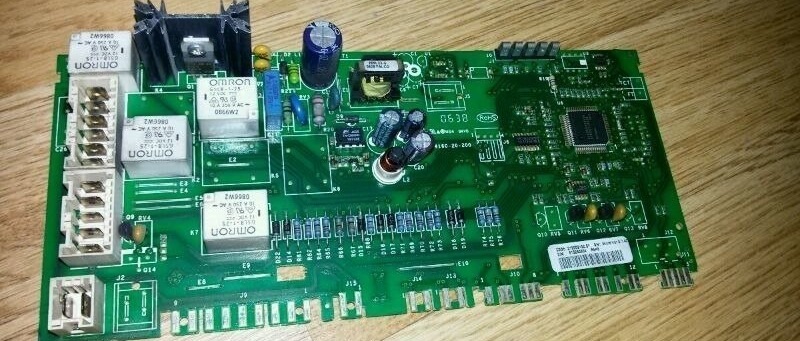
If all the previously mentioned causes for continuous water filling have been ruled out, you'll need to check the Indesit washing machine's control module. The electronic unit monitors the entire process, receives signals from various sensors during the wash cycle, and transmits further instructions for the machine's operation. If the control board fails, the washing machine will not function properly and the operation of the machine components will be disrupted. The main reasons why the control module gets damaged are:
voltage fluctuations in the network;
exposure of the board to moisture;
mechanical defect;
natural wear of the block.
If the problem lies in the washing machine's "brain," it's best not to attempt repairs at home. Working with electronics requires specific knowledge and experience. To avoid making the situation worse, it's recommended to seek professional help.
The sooner you begin troubleshooting after identifying a problem, the fewer losses you'll incur. Postponing repairs will lead to far more serious damage to the washing machine.

 A warning sign of a faulty washing machine is a constant intake of water. In this situation, after starting a program, the machine only fills, but the wash never starts. Ignoring this behavior from your "home helper" is unavoidable; urgent action is needed. Let's figure out what to do if your washing machine is constantly filling with water. What's the likely cause of this malfunction?















Add a comment