
Can I plug my washing machine into a regular outlet?
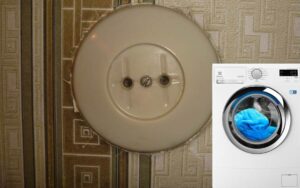 When connecting a washing machine, it's important to properly connect the utilities. This applies not only to the water and sewer lines, but also to the power supply. As one of the largest consumers of electricity, the machine requires a line with adequate power and protection. Setting up a separate outlet isn't always possible—sometimes the only option is to plug the washing machine into a regular outlet. Is this option safe, and what are the alternatives?
How do you know if a socket is suitable?
Sockets are not divided into ordinary and unusual ones – a different approach is needed here. The electrical outlet must be suitable for the washing machine and the room in terms of power, size and protection class. To ensure the machine receives uninterrupted and sufficient power, the power line must first be checked for compliance with safety requirements and the equipment's performance specifications. There are seven points to consider.
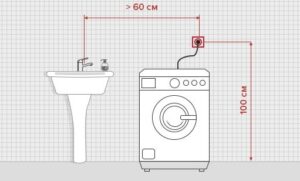
- Distance. The washing machine's power cord should be plugged into the outlet without any strain or intermediaries. Typically, the cord is designed for a distance of 1.5-1.8 meters. Using extension cords is unsafe—direct connections are required.
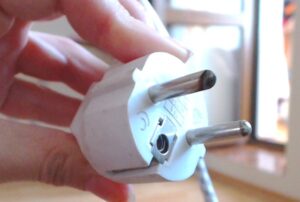
- Proportionality. The power cord plug must fit the outlet so that the diameter of the prongs matches the holes. Avoid using adapters or tees.
- Load. A washing machine requires a separate circuit. If you plug other powerful appliances, such as a refrigerator, microwave, or oven, into a double outlet along with the washing machine, the electrical system won't handle the load. It's best to play it safe and avoid powering multiple appliances from a single outlet.
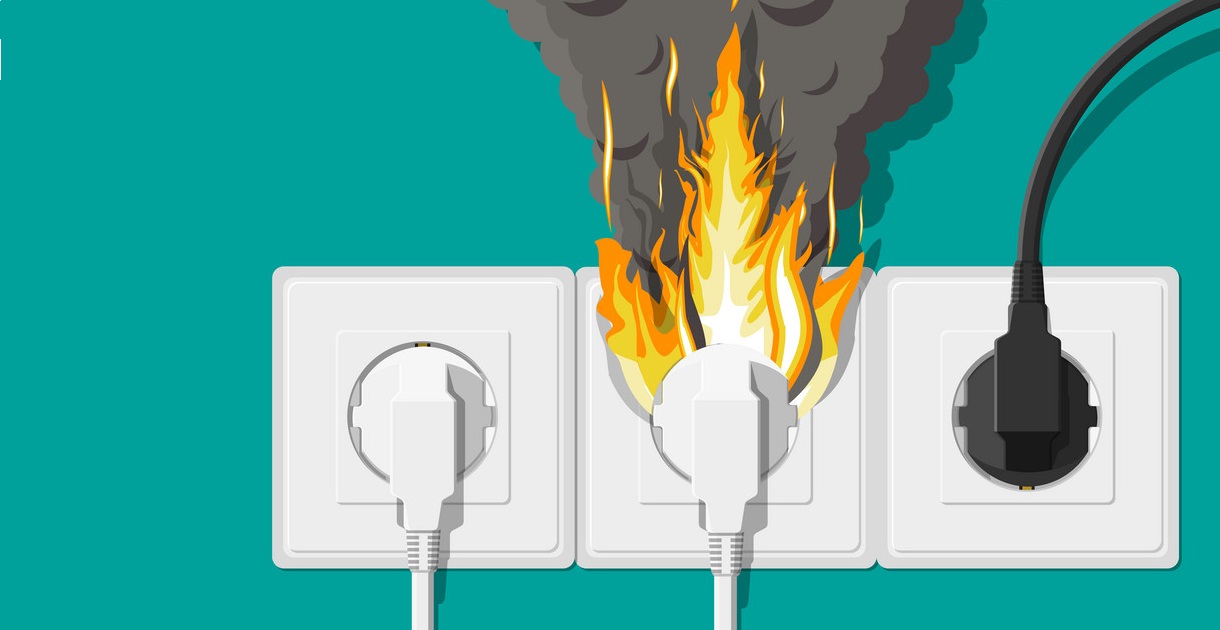
- Grounding. The washing machine's connection point must be grounded, and ideally, have a separate RCD.
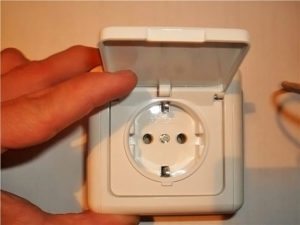
The washing machine socket must be grounded and protected from moisture!
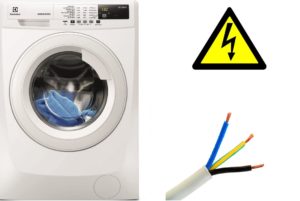
- Number of wires. If the washing machine cord has three wires, the socket must have a corresponding number of terminals.
- Power. The outlet must be suitable for the washing machine's power rating. This specification is always specified in the machine's manufacturer's instructions or on the label. For example, for a washing machine consuming 2 kW, a minimum 10-amp outlet is required, while for more powerful units, a minimum 16-amp outlet is recommended.
- Protection. When using a washing machine in a bathroom or other room with high humidity, it is necessary to use special sockets. Thus, elements with a moisture-proof housing, a shutter cover or a curtain are selected.
If the outlet doesn't meet even one requirement, it's best not to risk it. It's much safer to install a separate line and set up a new electrical outlet. We'll discuss how to do this yourself below.
Let's gather everything we need
Modern washing machines are sensitive to voltage fluctuations, so it's best not to connect the machine to a "regular" outlet. It's much safer to install a new outlet for the connection. Ideally, you should call a qualified electrician, but with experience and the right tools, you can do it yourself. First, gather the materials:
- socket (it is better to choose moisture-proof options with one socket);
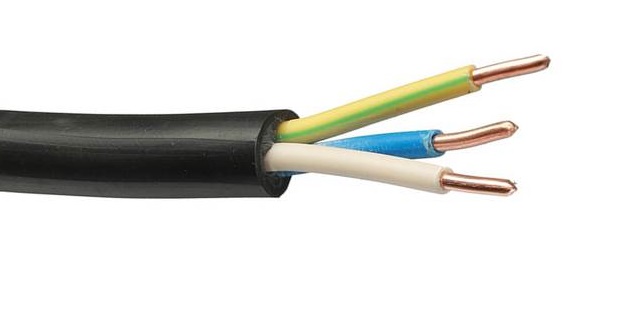
- a three-core copper wire of the required length and with a cross-section of 2.5 cm;
- socket box;
- RCD or automatic device for 10-16 Amperes;
- terminals;
- a cable channel made of rubber or silicone and brackets for fixing it;
- cement (about 1 kg).
If you plan to use a washing machine in the bathroom, you should install a socket with a moisture-proof housing.
The following tools will be needed:
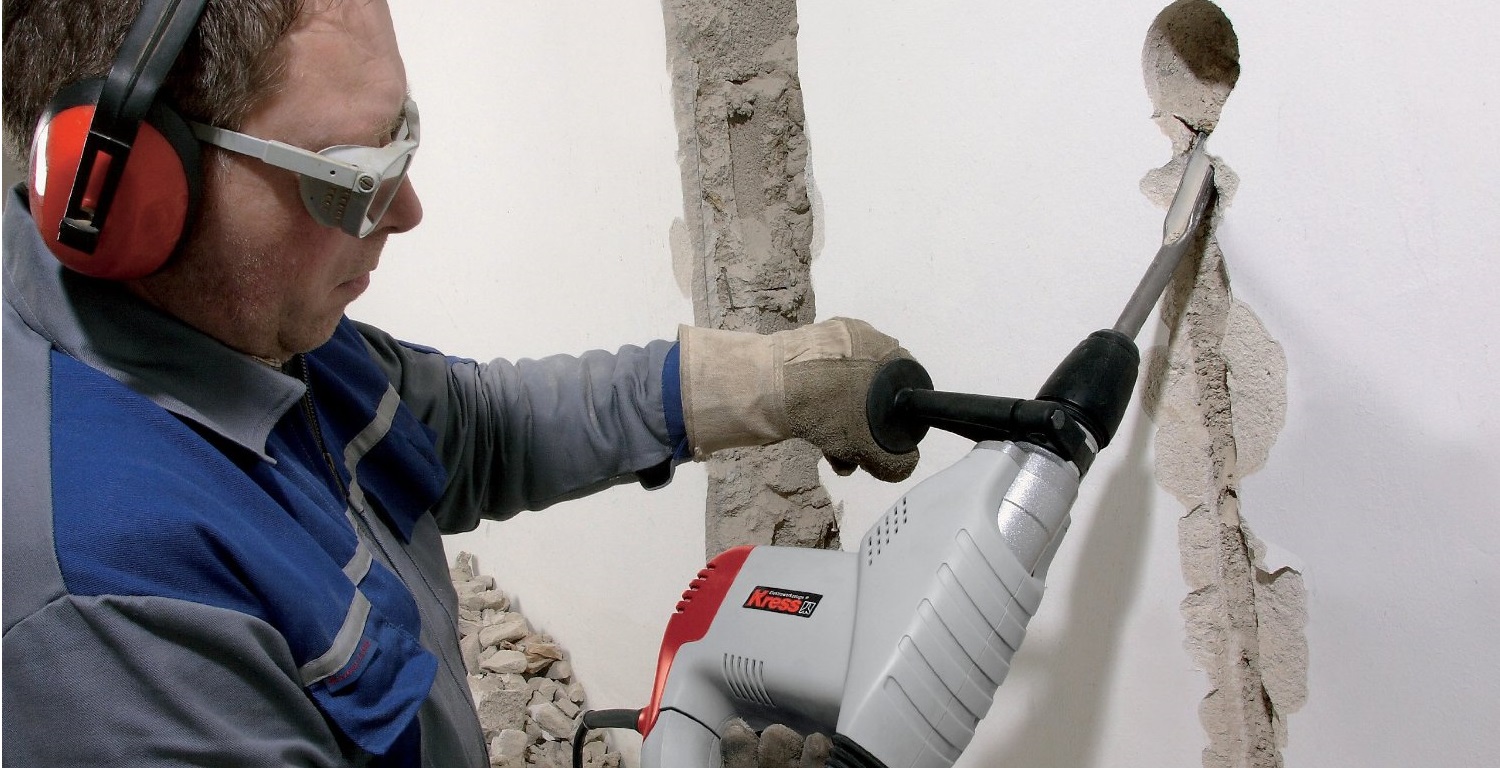
- a hammer drill with a socket box attachment or a grinder;
- chisel;
- hammer;
- roulette;
- marker.
All of the above is necessary for making grooves in the walls, creating a channel, and openings for the electrical box. If the rooms have concrete partitions, a grinder should be prepared, while for brick partitions, a chisel is sufficient.
Installing a new socket
Let us repeat once again that only specialists should be involved in setting up a new power line. It's best for newbies to avoid touching electrical panels and sockets—without experience and safety knowledge, they could get seriously injured. There's no point in taking risks; the stakes are too high. If you have no doubts about your abilities and skills, you can proceed to installing the outlet. First, you need to plan the wiring and mark the wall accordingly. Determine the height of the future chase and the location of the hole for the outlet. The lines should be bold and visible.
Before any electrical work, it is necessary to de-energize the apartment!
Next we proceed as follows:
- we de-energize the apartment;
- we install the attachment under the socket box on the hammer drill;
- we drill a “niche” for the future socket;
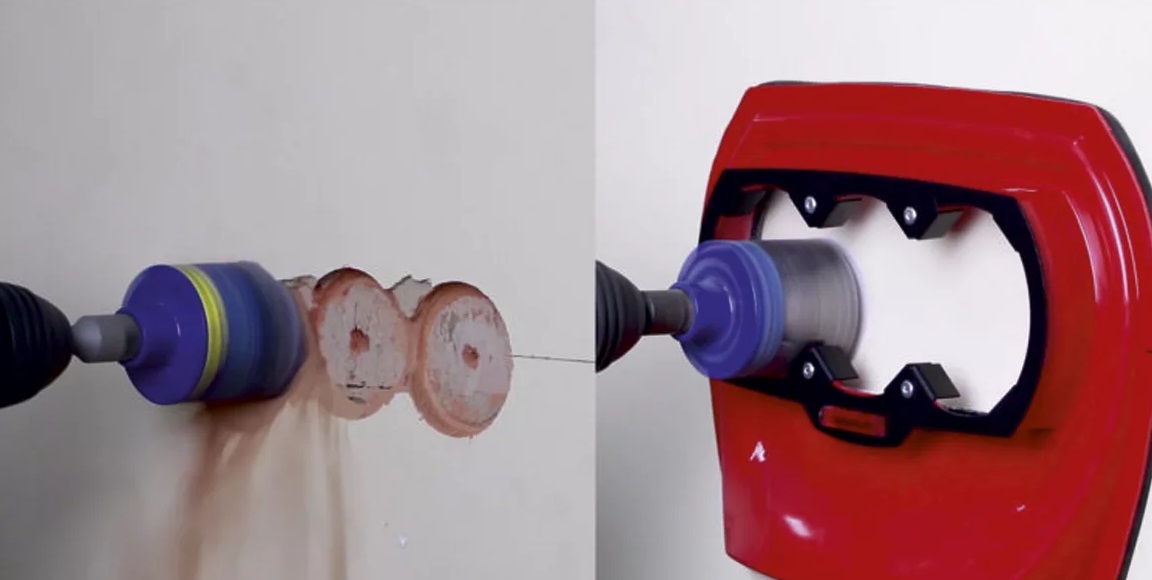
- using a grinder, hammer drill or chisel, we make grooves of the appropriate depth;
- We install a residual current device or a circuit breaker in the panel under the washing machine;
- we fix the cable channel in the groove;
- we pull the wire along the channel from the panel to the hole for the socket box;
- we fill the hole with a thin layer of cement and fix a “glass” for the socket on it;
- we pull the wiring into the socket box (it is recommended to leave some extra wire so that in the future we don’t have to add more wires when replacing them);
- we install a socket mechanism into the glass;
- we connect the wiring to the socket terminals;
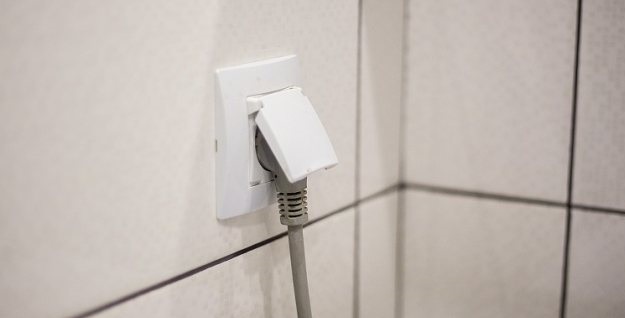
- We snap the outer casing of the socket into place.
The final stage is sealing the grooves with cement and leveling the walls. Once construction is complete, we can begin testing. Connecting a washing machine to a new outlet is too risky; it's better to "sacrifice" a less valuable appliance. We restore power to the apartment and plug the plug into the outlet. If everything is OK, we reset the circuit breaker. If the RCD didn't trigger, then the installation was successful – the power line is now operational.
Interesting:
1 reader comment
Add a comment
Headings
Washing machine repair




For buyers




For users


Dishwasher




The wire cross-section is 2.5 mm, not cm.