
Connecting the washing machine drain to the bathtub siphon
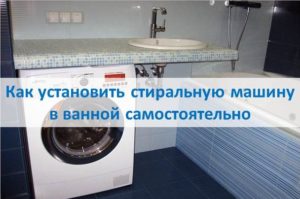
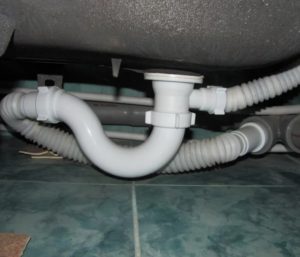 Sometimes, when installing a washing machine in the bathroom, apartment owners plan to connect the drain to the sewer system through the bathtub trap. This allows for water drainage without major modifications or additional investment. Let's explore the feasibility of using a shared "elbow" and the potential challenges associated with choosing this method of connecting the washing machine to the building's utilities.
Connection problems
Connecting the washing machine drain hose to the bathtub trap is unavoidable. The manufacturer of any automatic washing machine recommends positioning the end of the drain hose 50-80 cm above the floor. This is necessary to prevent water from draining out of the system by gravity when the pump isn't running.
Raising the drain hose to a distance of 50 cm from the floor will be impossible if there is not enough space under the bathtub; this is the main problem with this connection method.
If you really want to organize drainage by connecting to a common siphon, a solution will, of course, be found. You can purchase a special tee, “build” an additional section of the sewer (in the shape of the letter “G”), which will come out from under the bathtub, and connect the drain hose to this branch.Then you will be able to follow the manufacturer's recommendations.
If you ignore the instructions, expect unpleasant surprises. This is due to the siphon effect. Firstly, sewage from the sewer system may back up into the washing machine, introducing unpleasant odors. Secondly, another situation may arise where clean water from the machine will drain by gravity into the pipe.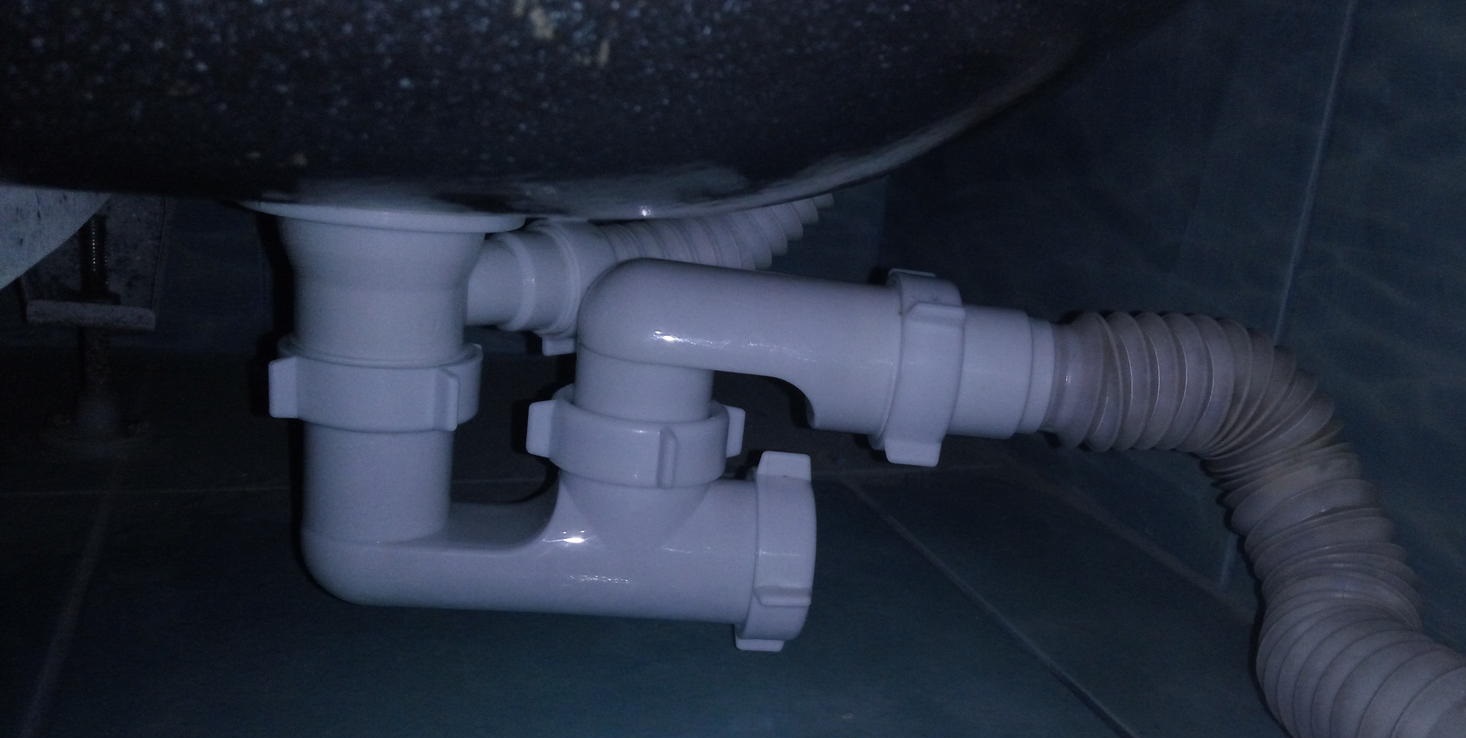
Installing a check valve can help; it will protect the appliance from both unpleasant sewer odors and water leakage. This device must be installed in the pipe socket if the drain hose connection point is below the level specified in the machine's technical data sheet.
From all of the above, it's clear that it's best to connect a washing machine to a separate drain fitting installed at a sufficient height. If you don't want to ruin the room's décor with an additional plastic elbow that would prevent you from moving the washing machine flush against the wall, consider built-in drain traps. They're compact, unnoticeable after installation, and perform their function perfectly.
Built-in siphon
Now it's clear why connecting the drain hose of an automatic washing machine to the bathtub elbow is undesirable. If possible, it's better to connect the hose to a separate outlet. Nowadays, users are increasingly turning to wall-mounted traps. Of course, this will require more effort to install the drain, but the results are worth it.
The body of the built-in siphon is completely mounted into the wall, and after installation, only the compact coupling or nozzle of the product will be visible.
Internal fittings can be "walled up" with tiles. However, if the elbow becomes clogged, accessing it will be very difficult—you'll have to break the tile. Therefore, it's recommended to look for built-in traps with a decorative panel. The plastic or chrome cover can be removed if necessary, making the structure easy to clean.
Internal siphons are suitable for connecting washing machines built into furniture; they are located under the sink, allowing the user easy access. This design can also be used for connecting a dishwasher.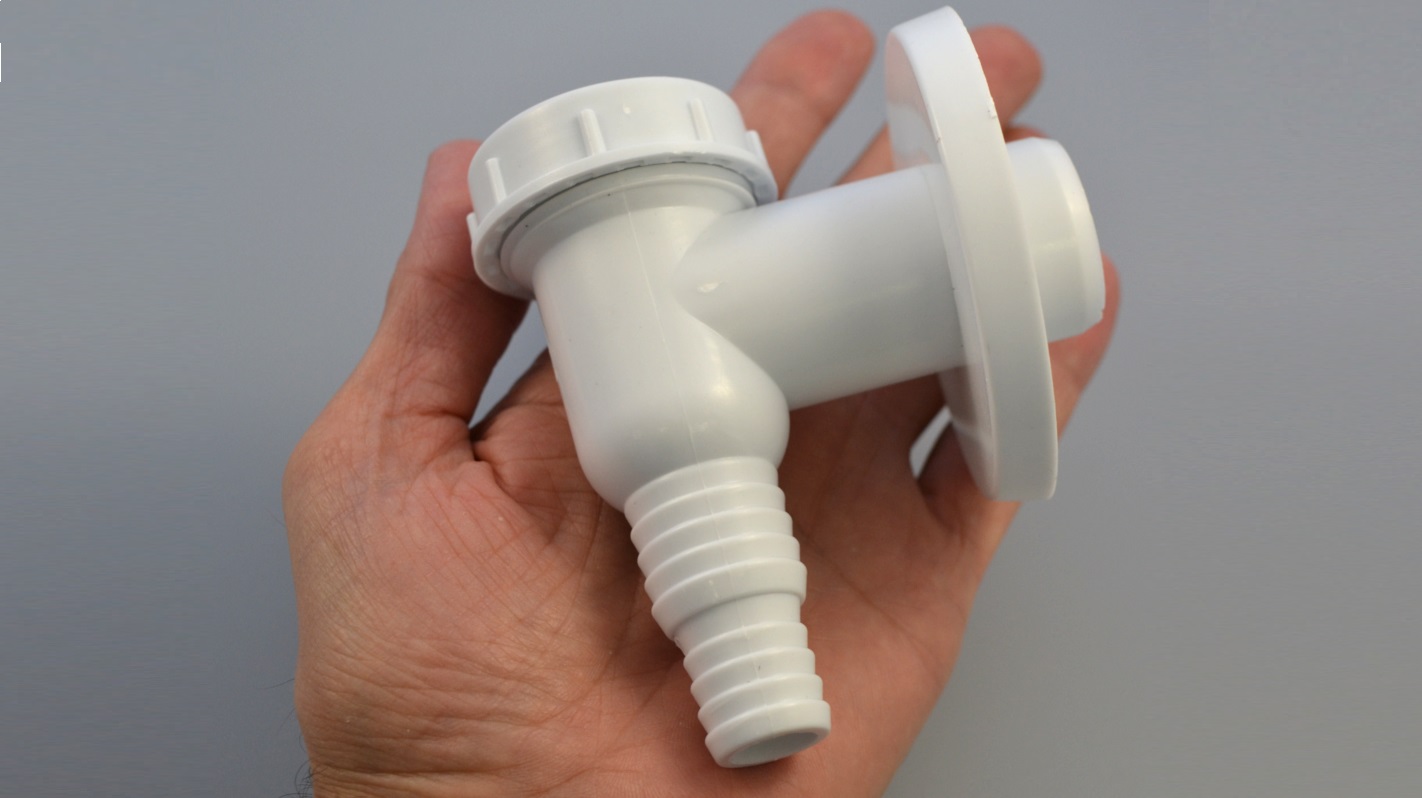
The main drawback of built-in siphons is the difficulty of installation. To install the drain valve, you'll have to drill a hole 50-60 cm into the wall above the floor, and this is what most intimidates potential buyers. Drilling a large hole in concrete is a very noisy and messy job. But the structure is placed in a special recess. This solution allows the automatic drain to be pushed right up against the wall, which is crucial for many homeowners.
The siphon is an important connecting element between the washing machine and the drain, acting as a water seal. To ensure the smooth operation of the machine, it is best to take a responsible approach to organizing the drain from the very beginning. There are a huge variety of different washing machine drain fittings on the market. Therefore, don't risk throwing the hose over the edge of the bathtub or connecting it to a common "elbow" that's not high enough from the floor. Connect the drain to a separate outlet, following the appliance manufacturer's recommendations.
Interesting:
Readers' comments
Headings
Washing machine repair




For buyers




For users


Dishwasher




Add a comment