
The Leran washing machine does not spin.
 It's easy for a homeowner to recognize when something's wrong with their appliances. For example, if a Leran washing machine isn't spinning, you'll know by the clothes being extremely wet, as if they weren't spun at all. This could be because the machine is simply unable to spin the drum to the required speed, so it immediately switches to draining the used liquid. Let's look at why this might happen and how to fix it yourself.
What could have happened to the machine?
The worst thing a housewife can do in this situation is to ignore the problem and continue using the equipment. Of course, you can always wring out your laundry by hand, like our grandmothers did, but doing so can lead to the appliance breaking down even further over time, making repairs more difficult and expensive. To avoid wasting time and effort, it's best to fix the problem with the washing machine as quickly as possible. The following are the main causes of this malfunction:
- the washing machine owner accidentally turned off the spin function or selected a mode that simply does not allow for spinning;
- The washing machine's control module detected an imbalance in the system and therefore disabled the spin cycle for safety;
- the drainage system has stopped working, for example, due to a blockage, the waste liquid cannot go into the sewer;
- the Hall sensor is broken;
- the washing machine's electric motor is damaged;
- the bearing unit has failed;
- there is a foreign object in the tank or drum, which is preventing the container from spinning;
- The control board of the SM failed.
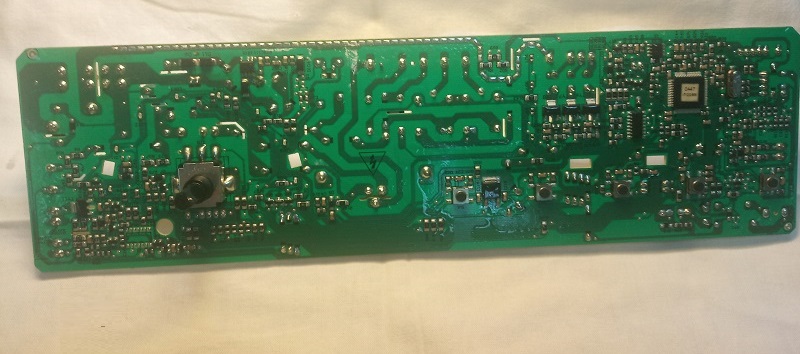
What should you do if you encounter one or more of the problems listed above? Fortunately, most of these issues are easily resolved without even calling a repair service, so you can fix the problem in just a few hours. You'll only need to call a technician if there's a problem with the control board or if the appliance is still under warranty. Let's look at some of the most common problems homeowners encounter.
The program does not include spinning
The easiest way to resolve this is if you unknowingly selected a program without spinning. The Leran washing machine will not spin items if the wool, silk, down, delicates, or hand wash cycle is selected. To rule this out, check the selected wash program.
It's also worth considering the spin speed adjustment feature—this brand's machines allow you to set both the maximum and minimum RPM. Perhaps you selected the correct setting, but accidentally set the spin speed to the minimum, leaving your clothes wet.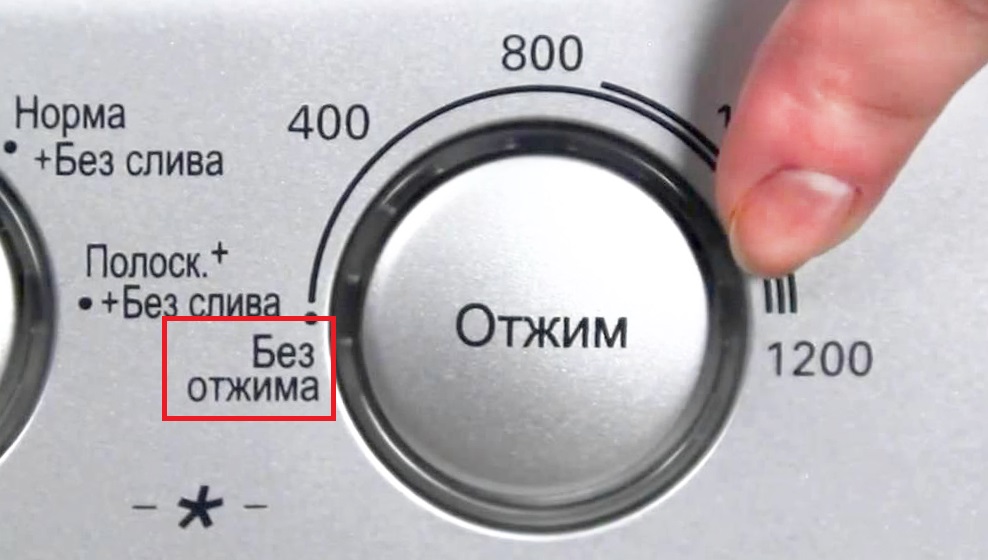
To test this theory, simply activate the machine and run any quick cycle that includes a spin cycle. While the machine is running, watch it closely to ensure the spin cycle is active. If the clothes still don't spin, you'll need to conduct a thorough diagnosis of your "home helper."
Something caused the drum to become unbalanced.
Perhaps the spin cycle was included in the selected mode, but the machine still does not need repair. The problem may be related to an imbalance in the system, which usually occurs due to overloading the drum or the formation of a lump of items inside. In such situations, the CM control module simply stops the work cycle to prevent damage to the equipment due to imbalance.
It's worth noting that this problem most often affects washing machines manufactured five years ago or later, as modern models are equipped with special sensors that prevent the problem from getting out of control. If an imbalance does occur, the user will be notified with a special message on the display. For clarity, let's look at how imbalance most often manifests itself.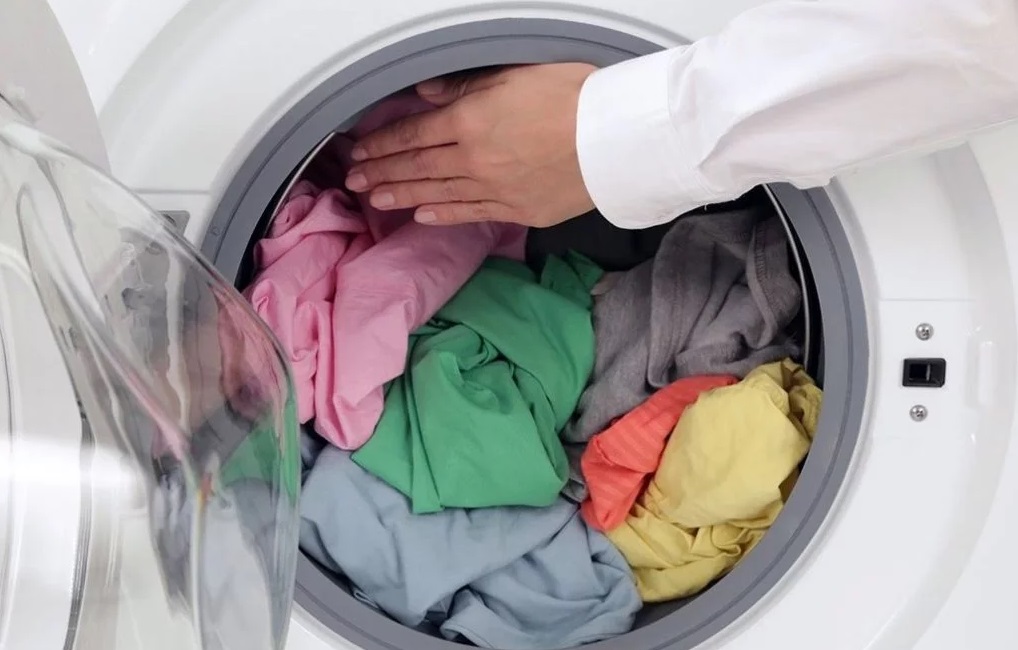
- After washing and rinsing are complete, the machine begins to spin the drum.
- If he fails to do this, a loud hum and knocking sound will be heard during each attempt.
- Because of this, the washing machine will begin to vibrate excessively and even jump.
- This will be recorded by the CM control module, which will cancel the spin procedure and initiate the draining of the waste liquid.
- Once the water goes down the drain, the program is complete.
- Thus, without spinning, the machine will finish working approximately 15 minutes earlier, and the user will receive clean, but wet laundry.
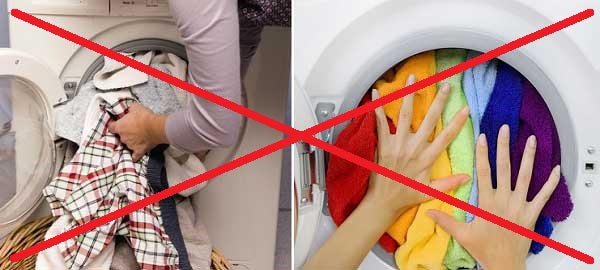
What can you do to avoid this unpleasant situation? If you notice that the problem is caused by an overloaded drum, simply pause the cycle, remove some of the clothes, and then resume the wash cycle. If the problem is caused by too few clothes in the system, simply load a few items. Finally, if the problem is caused by laundry bunched up in one large lump, stop the wash cycle, open the door, redistribute the items in the drum, and restart the cycle.
The formation of an imbalance negatively affects not only the spin cycle, but also the integrity of the key components of the system.
Please note that the longer the machine attempts to reach maximum speed, the higher the risk of internal component failure. This is because excessive vibration and vibration will cause parts to collide with each other. The shock absorber system, bearing assembly, and shaft are most susceptible to damage in this situation. Therefore, it is essential to always monitor for imbalance, avoid overloading, and stay within easy reach of the machine so that prompt action can be taken if necessary.
The engine is faulty
Finally, let's look at some simple machine repairs that may be needed if problems arise with the electric motor. If the electric motor is faulty, it will not be able to spin the drum to the required speed. You can check it as follows:
- disconnect your “home assistant” from all communications;
- move it away from the wall to gain access to the back wall;
- detach the back panel, having first unscrewed all the fixing bolts;
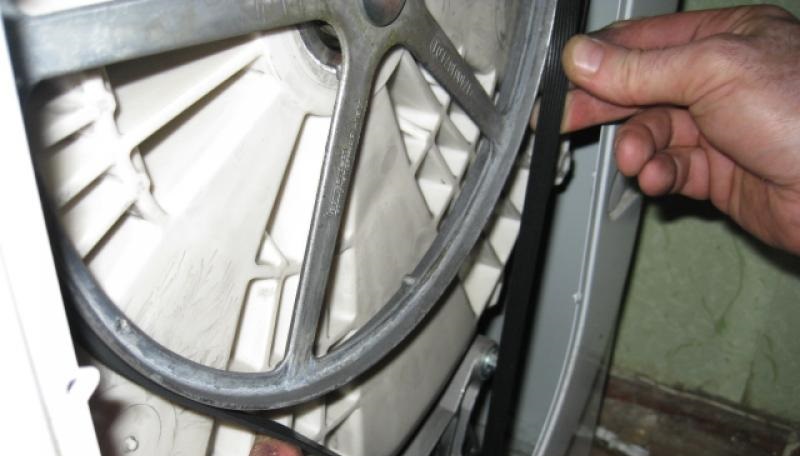
- remove the drive belt from the pulley;
- Disconnect all wires from the electric motor;
It is better to take a photo of the wiring connections beforehand, so that you can use it as an example during reassembly.
- remove the screws holding the motor;
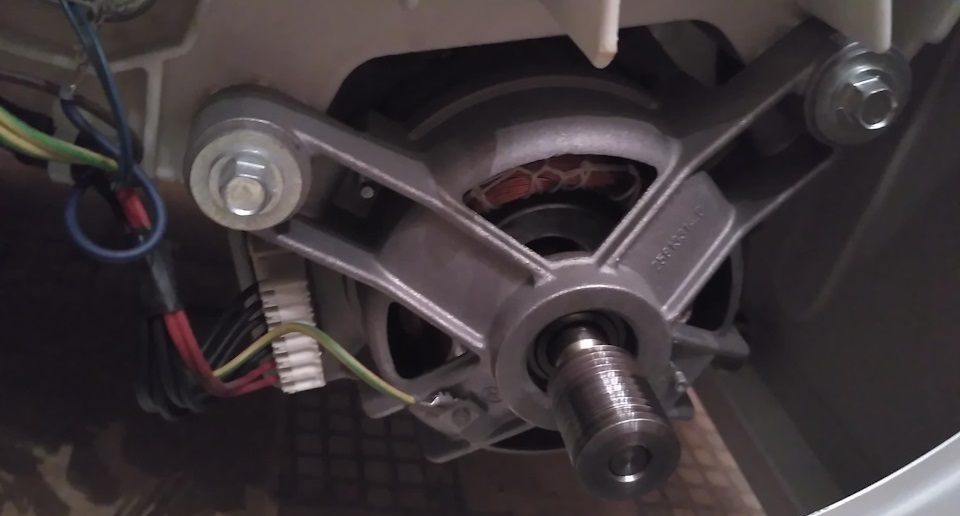
- Gently rock the knot to remove it from the washing machine.
Afterwards, all that's left to do is carefully inspect the engine. Often, problems are visible to the naked eye – black spots on the component, damaged insulation, or a distinct burning smell. Also, inspect the graphite brush rods, which wear down over time with prolonged use.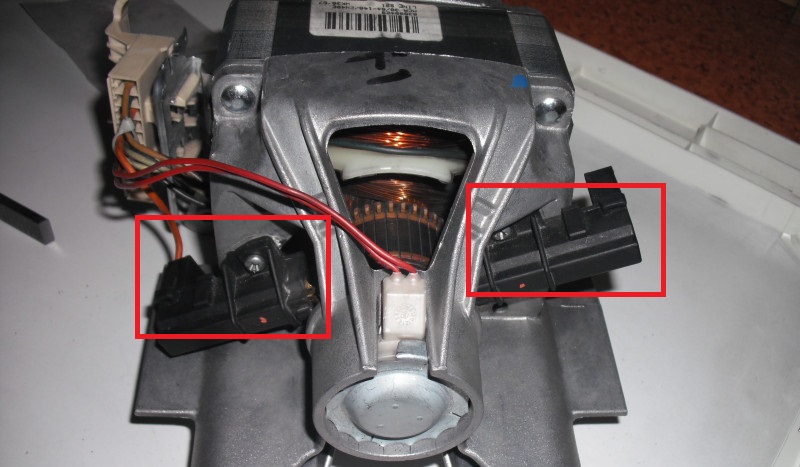
If no damage is detected, it's worth checking the element's resistance with a standard multimeter. If the reading is lower than the standard, a short circuit has occurred; if it's higher, the stator or rotor winding has broken. In this case, repairs won't help; you'll have to buy a new electric motor.
Interesting:


Readers' comments
Headings
Washing machine repair




For buyers




For users


Dishwasher




Add a comment