
LG washing machine gives electric shock
 Any electrical appliance powered by the power grid can sooner or later generate an electric shock. Many home appliance owners encounter this problem, including brand-name washing machines. If your LG washing machine is generating an electric shock, don't ignore the problem! Unplug the appliance as soon as possible and begin troubleshooting.
What exactly is hitting?
It's worth noting that electric shocks aren't always caused by faulty electrical equipment. Also, not all types of problems can be fixed on your own. The most common causes of electric shocks are:
- metal drum;
- water;
- external casing of the equipment;
- water mixer;
- homemade grounding.
All of the above options will be discussed in detail below. Please note that repairing your appliance yourself may require specialized skills and at least basic electrical knowledge. Remember that only a qualified, experienced technician can accurately determine the cause of the malfunction. Broken electrical appliances pose a danger to life and health, so it's best to entrust their repair to a professional.
The blow was received through liquid
First, let's consider a situation where electric shocks are caused by water. For example, you turn on the appliance, load the laundry, and start the wash cycle. Then you go to the sink, turn on the faucet, and place your hands under the stream—and, to your surprise, you experience an electric shock. Typically, this indicates a faulty circuit in the machine:
- electric motor;
- Heating element.
In this situation, you can try to fix the problem yourself or replace the faulty component. However, remember that tubular electric heaters are considered consumables. Therefore, if they fail, repairing them will be difficult, and it's easier to simply replace them.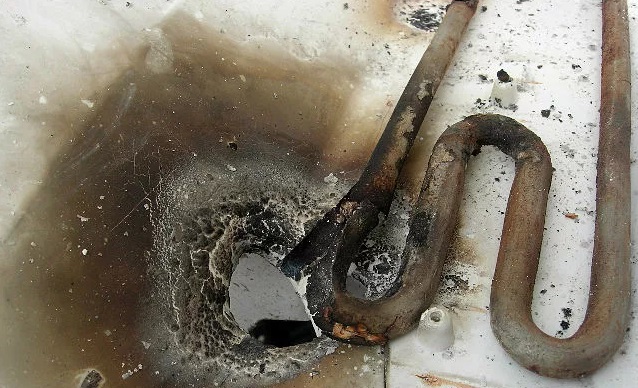
The main factor causing electric shocks is a damaged insulating layer covering the wiring. Do not take a shower or bathe in any case until the washing program is finished. After this, first turn off the equipment, unplug the power cord from the outlet and call a repair specialist.
Remember, a faulty machine must be turned off.
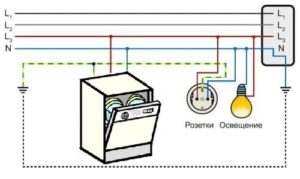
The second most common factor is excessively high humidity in the room. This causes electrical current to leak through a contact. In this case, professional help is essential, as the machine will need to be properly grounded. Of course, if you're knowledgeable in electrical engineering, you can try to fix the leak yourself.
The third factor is that residents in the neighboring apartment are using the water supply as a neutral. Grounding the washing machine will solve the problem, but this can only be done by a professional. Before calling a professional, the first step is to contact the management company and brief them on the situation.
If electric shocks continue even when the appliance is turned off, the danger is caused by faulty electrical wiring.
Moreover, faulty wiring can occur not only in your home, but also in the entrance or building itself. Only a professional electrician can repair it. You should also contact one if your faucet is leaking.
The equipment body is electrocuted
Touching the machine's body can also cause pain due to the electric current. Firstly, a damaged contact or abrasions or cracks in the wire insulation can cause electrical leakage. Excessive vibration from the rotating drum often leads to damage to the insulation. During the washing and spinning cycles, wires rub against each other, resulting in damage to their outer sheath.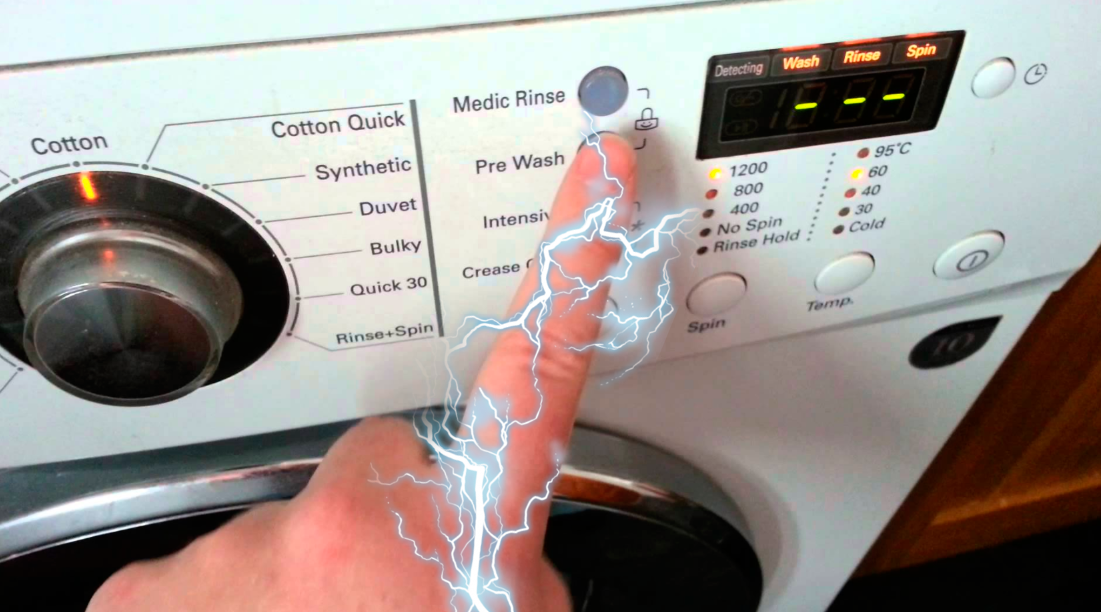
First, disconnect the power from the appliance and open the case by removing or flipping back the top cover. Then, carefully inspect the wires inside, located in close proximity to the case surface. As a rule, frayed wires can be seen with the naked eye.
The next most common cause is using a washing machine in a room with high humidity. The optimal solution is to remove the machine and install it in a dry room. If this is not possible, the device will need to be properly grounded. This will protect against breakdowns during operation.
When the equipment is operating, some amount of electric current will always flow from the capacitors to the ground through the housing.
The final cause is a faulty heating element or electric motor. If the heating element is the problem, purchase a similar element from a store and replace the old one. If the motor is faulty, you can try to repair it yourself; if that fails, replace it with a similar one.
The blow was received from the drum
Sometimes current leakage occurs through the drum. What causes this? The main cause is deteriorated insulation of the internal wiring or damage to one of the contacts. In both cases, the housing cover will need to be removed to access its internals for visual inspection. This failure is caused by failures in one of two components:
- heating element;
- electric motor.
It should be noted that heating tubes are subject to strict requirements: regular replacement, which must be performed at least every 5 years. Repairing these components is considered impractical. This principle does not apply to the motor component, as motors are characterized by increased reliability. However, they can also reach the end of their service life, in which case this component must be repaired or replaced with a spare part with identical technical specifications.
The drum can also strike if the unit is operated in improper conditions. High humidity significantly impairs its operation. To minimize risks, the equipment should be grounded from the start, but the best solution is to move it to a different room.
The root cause of operational difficulties caused by a puncture in the casing and/or drum may be a foreign object pinching the power cord. This is the most basic type of malfunction, and anyone can fix it quickly and easily. However, it's important to follow safety precautions. First, turn off the machine by pressing the appropriate button on the control panel, then unplug the cord and remove any heavy objects from it. If there are any defects in the polymer sheath, seal them with electrical tape.
The earth hits
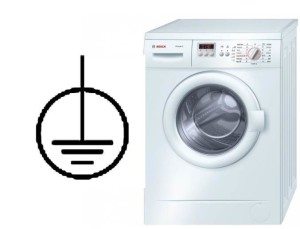
Sometimes, a user's contact with the grounding conductor can also lead to a minor electrical injury. This usually occurs when the grounding bus is improperly installed. Since the conductor is essentially a copper electrical wire, contact is lost when it is connected to elements made of a different metal due to oxidation.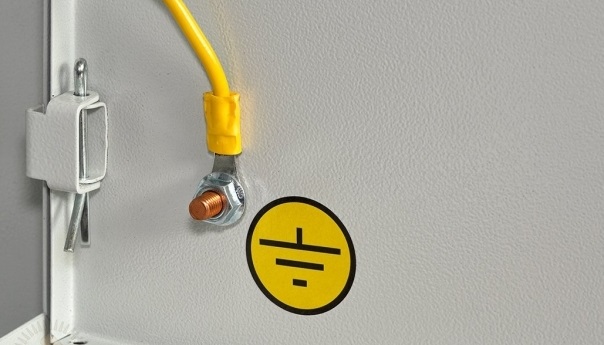
In this case, the current from the capacitors, flowing through the housing to the electrical wire, is not then transferred to the ground, which is what causes electrical injuries. To prevent injury, do not install grounding yourself; it's best to entrust this task to a professional. While the landlord is responsible for installing grounding in a private home, in a city high-rise building, the property management company is responsible.
Interesting:



Readers' comments
Headings
Washing machine repair




For buyers




For users


Dishwasher




Add a comment