Noise within acceptable limits from a washing machine is completely natural and understandable. Even a purchased washing machine installed according to all requirements and regulations will not ensure quiet operation. An abnormal situation is when the machine makes unusual, loud sounds. Knocking, grinding, and other noises are sometimes heard when water is being drawn in, the drum is rotating during the main wash cycle, during the rinse phase, and during the spin cycle. So, let's figure out why the pump hums when draining water in an LG washing machine.
Where does this unpleasant sound come from?
There can be several reasons why a washing machine is excessively noisy. Most of them occur during the main wash cycle. What could be causing the loud humming sound when draining? Before the water starts to drain from the tank, the pump starts up, so the main cause of the noise should be sought in the drain pump. The pump roars when draining for one of the following reasons:
if it becomes clogged;
if the pump is damaged;
when the drain hose or pipes become clogged;
when debris accumulates in the drain filter.
A "groaning" noise usually occurs after the rinse cycle is complete, but before the spin cycle. However, the washing machine may also begin humming after the cycle has finished, during the final draining phase. What to do if you notice a problem is discussed below.
How to fix the problem?
Identifying and fixing the cause of a loud washing machine isn't difficult. Even a non-professional can handle the work ahead. Where to start? With the easiest parts to check. In this case, the first step is to inspect the dust filter.
The drain filter on LG washing machines is located at the bottom, in the right corner, behind a small panel. To open the door, use a flat-head screwdriver, insert the tip into the gap, and gently pry the door open. Then, proceed as follows:
take a piece of cloth and place it under the machine, the rag will absorb the water flowing out of the filter hole;
unscrew the lid from right to left;
remove the filter element from the housing and wash it, preferably with detergent;
Inspect the hole created by removing the drain filter. Remove any accumulated debris from the cavity and wipe the walls clean.
install the trash filter back in place and carefully tighten the lid so as not to strip the threads;
Run the machine in test mode and check if the noise is eliminated.
If the drain filter is heavily clogged, it may not be possible to unscrew it this way, and you will have to remove the element together with the pump from inside the housing.
Once the inspection has shown that the debris filter is clear, it's time to inspect other system components: the drain hose and the pump. The hose is located in plain sight on the back of the housing, but to disconnect it for inspection, you need to access the pump.
The drain pump on most LG washing machines is located at the bottom of the machine. To remove it, simply turn off the power, unplug the machine, and lay it on its side. Then, remove the pump, inspect its chamber for debris, and thoroughly clean the pump impeller. If you're uneasy about attempting this procedure yourself, consider calling a professional.
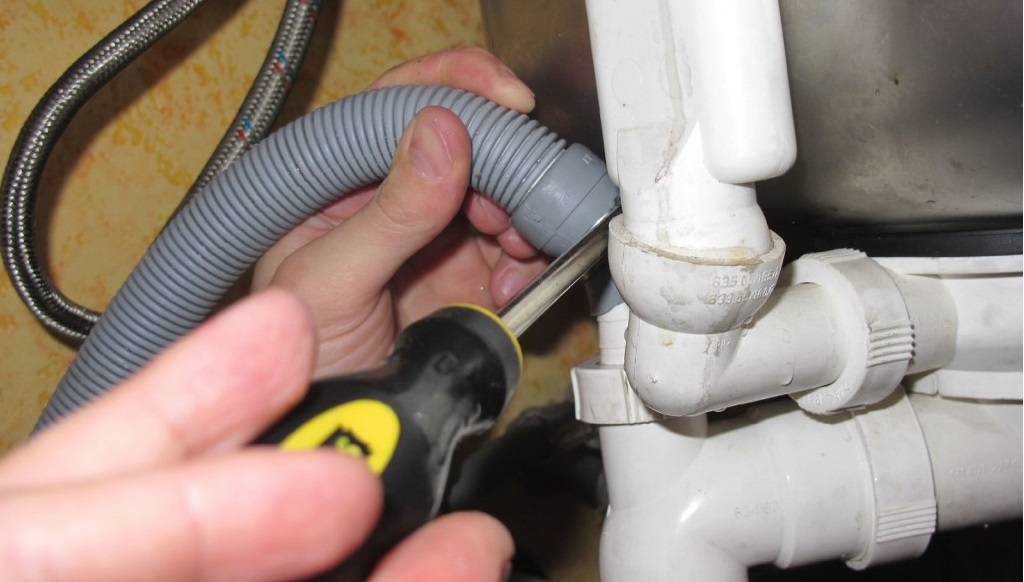
After cleaning the drain pump, you should thoroughly inspect the hose and fittings. First, disconnect the drain hose, which is attached to the pump with a special clamp. The other end of the hose is already disconnected from the drain pipe connector. The hose will now be in your hands, and you'll need to thoroughly rinse the element and remove any blockage.
The drain hose is cleaned using a special rod with a brush at the end. The diameter of the cable should not exceed 1 cm. The procedure is as follows:
insert the rod into the drain hose;
move the cable back and forth inside the tube;
rinse the cavity under the tap with running water;
install the drain hose back in its original place;
Assemble the washing machine and connect it to the power supply.
After completing minor repairs, run the machine in test mode. It's a good idea to add a special cleaning solution designed for cleaning the insides of the machine at this stage. If damage to the drain hose or pump is detected, replace it with a serviceable one.
What can I do to stop the hum?
To minimize the risk of loud noise and avoid repairs to your washing machine for as long as possible, it's important to use the appliance carefully. By following certain rules, you can increase the service life of your "home assistant" and its individual components. Important:
periodically service washing equipment;
use a hard water softener;
regularly remove scale and plaque from the inside of the machine;
clean the unit's drain filter frequently;
At the beginning of the wash, carefully check the laundry loaded into the drum for paper or small items in the pockets.
Foreign objects left in your laundry will settle in the drain system, increasing the likelihood of clogging the pump, filter, and pipes.
You can repair your washing machine and eliminate loud noises yourself. Cleaning and, if necessary, replacing the drainage system components will help eliminate the humming noise that occurs when waste water is being removed from the tank.

 Noise within acceptable limits from a washing machine is completely natural and understandable. Even a purchased washing machine installed according to all requirements and regulations will not ensure quiet operation. An abnormal situation is when the machine makes unusual, loud sounds. Knocking, grinding, and other noises are sometimes heard when water is being drawn in, the drum is rotating during the main wash cycle, during the rinse phase, and during the spin cycle. So, let's figure out why the pump hums when draining water in an LG washing machine.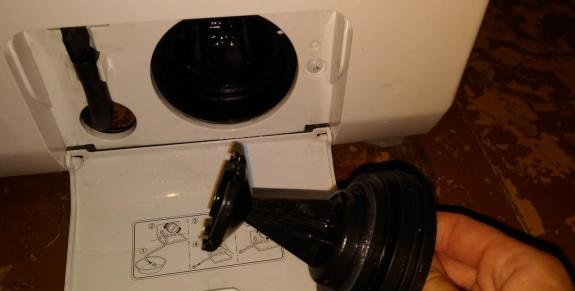
















Useful information, unlike websites that offer repairs rather than explain how to do them. My deepest gratitude to you.