
My LG washing machine is constantly filling up with water.
 Various problems can arise when using an automatic washing machine. Prolonged use can cause key components to fail, unusual noises to appear, wiring to burn out, and more. What should you do if your LG washing machine constantly fills with water and immediately discharges it into the drain? Let's figure out how to fix this problem, which not only threatens increased water and electricity consumption but also the risk of flooding your downstairs neighbors.
Manifestation of a breakdown
A properly functioning washing machine draws and drains water 2 or 3 times per cycle. This process occurs before and after the pre-wash, main wash, and rinse cycles. It's very difficult to miss a situation where water is constantly flowing into the machine's drum. The user may observe:
- constant noise of water being collected and discharged through the drainage system during the washing process;
- increasing the time of the set mode, the cycle is extended due to the incorrect execution of the running program by the washing machine;
- Poor wash quality – laundry remains dirty and soapy. This is because the required concentration of the soap solution cannot be achieved.
Operating a washing machine that is constantly filling and draining water is unsafe and the problem must be corrected immediately.
Installation errors
What should you do if you discover such a problem? First, check that all the manufacturer's requirements regarding the washing machine installation have been met, specifically the connection to the sewer system. The drain hose must be located at a distance of 50 cm or more from the floor; any other location may result in water draining spontaneously from the tank. The pressure switch, noticing a drop in the liquid level in the drum, sends a signal to the main board, as a result of which the system adds the required volume of water to the tank, and so on in a closed loop.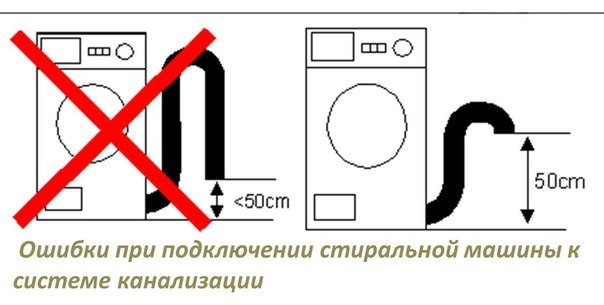
Therefore, the first step is to check for any errors in the drain hose connection. The hose should be positioned above the washing machine's tub. If you can't visually assess the drain hose's location, proceed as follows:
- start any washing program;
- wait until the machine tank is completely filled with water;
- turn on the "Drain" option;
- Press the pause button after the liquid starts to be removed from the tank;
- Continuous water drainage after the equipment has been stopped indicates obvious problems with the hose connection.
If the washing machine actually stops working and draining water while in pause mode, the cause of the malfunction must be looked for in the internals of the machine. We'll explain what to check next.
Problems with the intake valve
Sometimes, LG washing machines don't shut off the water intake due to a faulty inlet valve. If this element is faulty, water will continuously flow into the drum. When the wash cycle starts, the system commands the drum to fill with water. A faulty inlet valve won't be able to stop the water intake in time, triggering the safety device: excess water will be directed down the drain. The process will repeat itself. The user should pay attention to the water pressure entering the drum:
- slow filling indicates that the membrane is damaged;
- A high rate of water inflow indicates that the valve itself is faulty.
The inlet valve cannot be repaired; a new, serviceable part must be installed in place of the broken one.
The procedure for removing the old intake valve and installing a new one will be as follows:
- de-energize the washing machine;
- remove the top cover of the housing (for front-loading models) or the side cover for washing machines with a vertical loading type (since the element is located at the bottom);
- find the inlet valve, disconnect the wires and pipes from it;
- Depending on the method of fastening the part, unscrew the bolts or loosen the valve fixing latches;
- carefully remove the element;
- install the serviceable valve in its original place, secure it, connect the wiring and hoses;
- attach the removed body wall back into place;
- Run the wash in test mode.
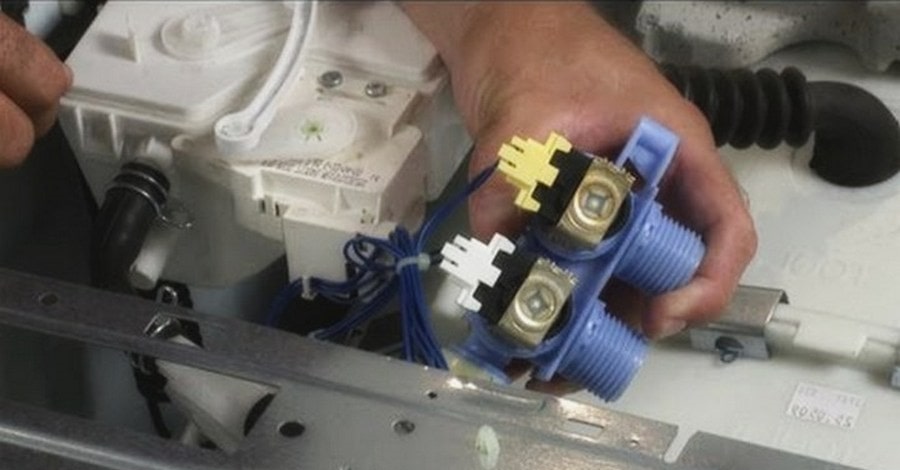
It's important to select a replacement part that's identical to the one you removed. Therefore, carefully select the intake valve, based on the model of your "home helper."
The water level sensor is broken
If your machine is constantly filling with water, it could be due to a faulty pressure switch. This sensor monitors the water level in the tank and signals the main unit to start or stop the flow. If the water level sensor fails, the washing machine's "brain" receives incorrect information about the volume of liquid in the tank, causing the equipment to malfunction. The pressure switch may stop functioning due to:
- short-circuiting or oxidation of its contacts;
- clogging of the pressure pipe or the appearance of cracks or kinks in it;
- breach of membrane tightness.
First, inspect the sensor. If there's oxidation, the contacts will need to be cleaned. If the hose is clogged, it will need to be cleaned. You can completely replace the pressure switch with a new one. To do this:
- unplug the washing machine from the power supply;
- remove the top cover of the machine;
- disconnect the tube and wiring from the level sensor;
- disconnect the elements that secure the part to the body: bolts, screws, terminals;
- remove the faulty pressure switch and install a new part in its place;
- secure the sensor with screws, connect the terminals and tube;
- Put the washing machine lid back in place.
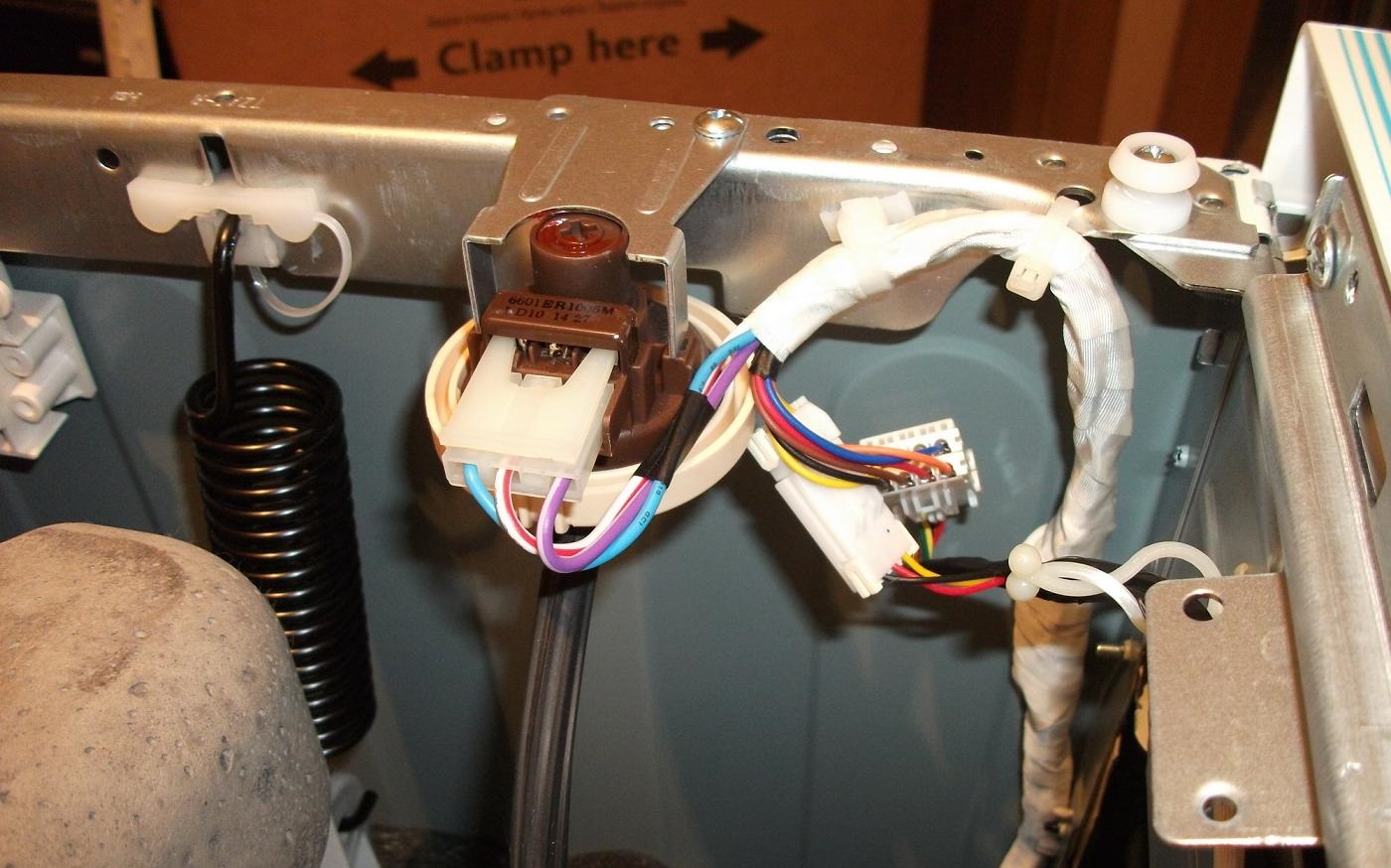
The pressure switch is easy to replace yourself, without the need for a professional. When purchasing a replacement water level sensor, select a component that strictly matches your washing machine model.
The electronics are failing
If the washing machine continues to fill with water even after replacing the valve and pressure switch, the problem is in the control module.
A malfunction of the main unit means that the machine's operating sensors cannot perform their functions, as they receive incorrect signals from the control board.
The control unit may fail due to:
- voltage surges in the network;
- water ingress;
- mechanical impact;
- end of the standard service life.
In this case, the control board cannot be repaired. It is recommended to call a specialist and replace the unit with a new one. Don't delay fixing the problem; the sooner the problem is fixed, the fewer "casualties" will be involved.
Interesting:
Readers' comments
Headings
Washing machine repair




For buyers




For users


Dishwasher




Add a comment