
Leaking from under the door of an LG washing machine
 There are many washing machine problems that can be easily detected. For example, if your LG washing machine is leaking from under the door, something is clearly wrong. Ignoring this problem is unavoidable, so it's best to avoid even trying to deal with the consequences with rags or large containers and instead immediately address the root cause. Moreover, the leak will often worsen if not addressed promptly. We'll explain how to properly restore the functionality of your beloved "home assistant" in such a situation.
The seal has become leaky
If water starts leaking from under the door of an automatic washing machine, this is not a cause for concern, as this problem is usually easy to solve. This often happens due to deformation of the rubber seal installed around the circumference of the opening for loading dirty laundry into the drum. This rubber seal wears out significantly over time, causing cracks, small holes, abrasions, and other damage. This prevents the rubber from performing its intended function properly, resulting in waste liquid ending up partially in the drain and partially on the floor under appliances.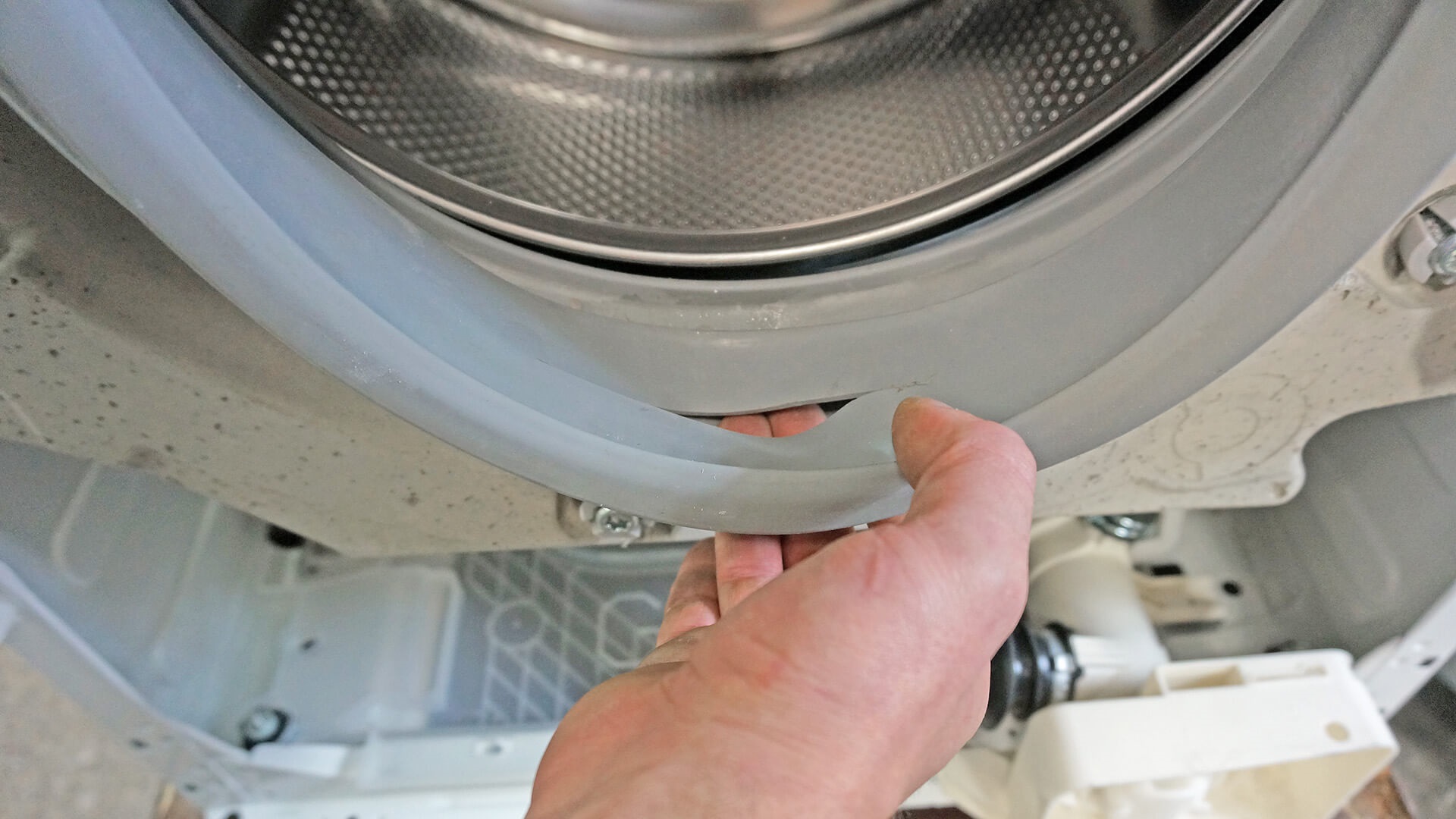
To avoid damaging your flooring, it's important to address the leak as quickly as possible. Liquid can flow down the front panel of the washing machine not only from under the door but also from the detergent drawer. In this case, small streams of water will flow from the detergent drawer, around the control panel, and then down to the door, creating the appearance of a leak under the door.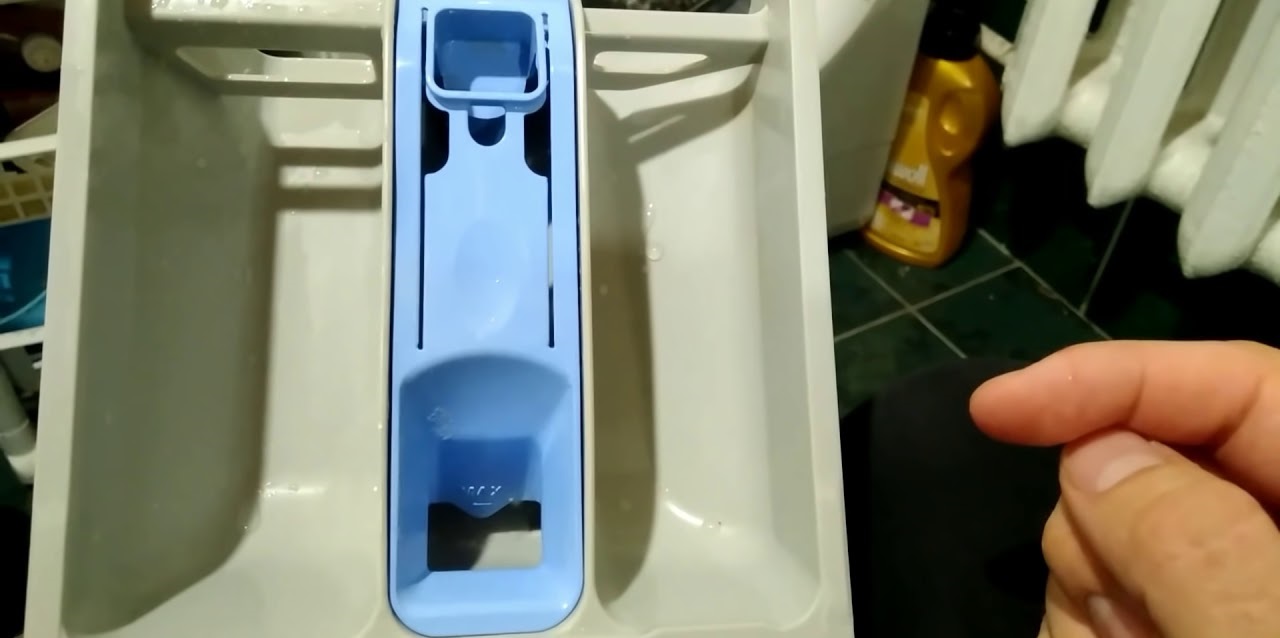
Once you're 100% certain the leak is coming from the washing machine door, carefully inspect the rubber seal. The system should seal completely after the door is closed, but this can be impossible if the seal is severely worn and cracked. This problem can occur even if the rubber seal doesn't have any major cracks or other obvious damage, but has simply become wavy or extremely stiff.
Don't try to repair a damaged rubber seal - you shouldn't skimp on this element, so you should replace it with a new one immediately.
Users typically call a service center to replace the seal, but you can do this yourself. Simply read the replacement instructions carefully and then carefully repair the seal. If the seal is only damaged at the bottom, simply flip it over so the hole is facing up, which will stop the washing machine from leaking.
It's also worth mentioning that occasionally, water leaks from under the door due to a foreign object lodged between the sunroof glass and the seal, which can cause the system to leak. Therefore, if the seal appears intact, try thoroughly cleaning the sealing ring with a sponge and soapy water to remove all dirt, hair, lint, pieces of fabric, and other debris.
Limescale stuck to the door
To solve a problem, you need to accurately determine the cause of its occurrence. Sometimes a leak occurs not because of a damaged unit of the "home assistant", but because of banal contamination. This refers to limescale deposits that often appear at the bottom of the sunroof glass. While the deposits are not very thick, they won't affect the operation of the automatic washing machine. However, if left untreated, they will eventually become firmly attached to the door, forming a limescale crust.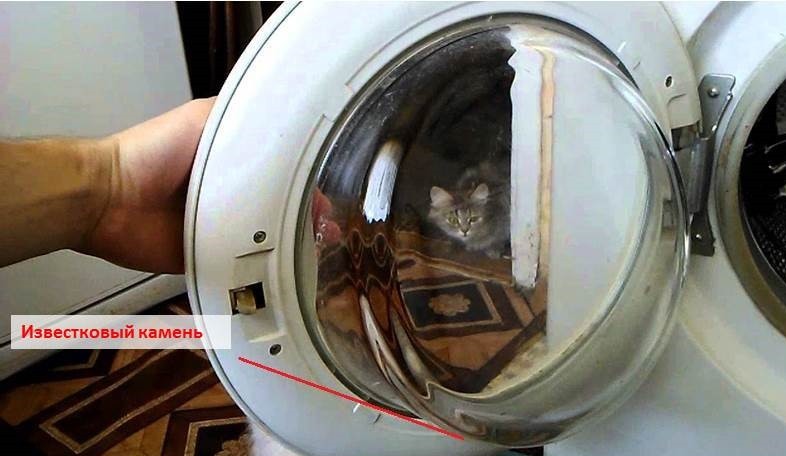
Moreover, not only does the layer fail to disintegrate on its own, but it also continually grows. If the thickness increases to two to three millimeters, the door will no longer be able to create a complete seal, which will cause a leak.
To detect limescale deposits in a timely manner, you should regularly check the convex part of the hatch from below.
In this situation, it's the incomplete locking of the door that causes water to appear under the washing machine. Fortunately, fixing this problem is very simple: simply inspect the door carefully, locate the limescale deposit, and carefully remove it with a wire brush. After removing the first layer, remove any remaining deposits with an abrasive sponge or a regular cloth. Once cleaned, the door will close tightly again, and the leak will disappear completely.
Door hinge and locking mechanism
Finally, it's worth taking a closer look at situations where water is leaking from under the hatch due to a door hinge or a faulty locking mechanism. A leak sometimes occurs due to a deformed hinge of the machine - if the fastening is bent, then the door of the washing machine The LG simply won't be able to close tightly, so the owner of the household appliance will find a puddle under the device after such a working cycle.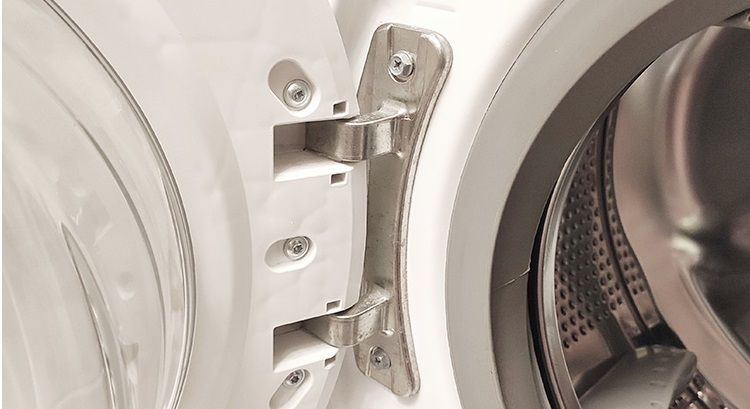
Fixing this problem at home is also extremely simple: simply replace the deformed hinge with a new one. In rare cases, you can try straightening the damaged element to save money. In any case, you'll first need to remove the fastener, which requires a Phillips-head and flat-head screwdriver, as well as an open-end wrench.
Try to buy original spare parts so that they fit your appliance perfectly and do not fail prematurely.
Furthermore, the appliance can suffer from leaks due to a broken locking mechanism. It can stop functioning properly for a number of reasons, as the lock design varies depending on the model and brand of the washing machine. A spring inside the mechanism may have broken, the gasket responsible for increasing play may have become deformed, or debris may have gotten inside. The easiest way is to entrust the inspection and repair of the unit to a technician who will accurately identify and correct the problem. However, you can also fix this problem yourself by following our instructions.
- Using a Phillips screwdriver, remove the plastic panel installed on the inside around the CM door glass.
- Remove the door fastener after loosening it.
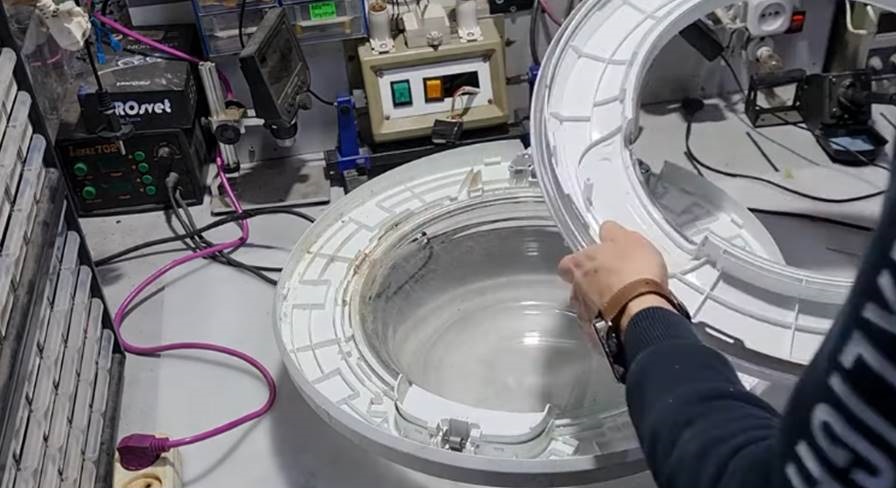
- Carefully check the locking mechanism, paying close attention to the movement of the moving tongue.
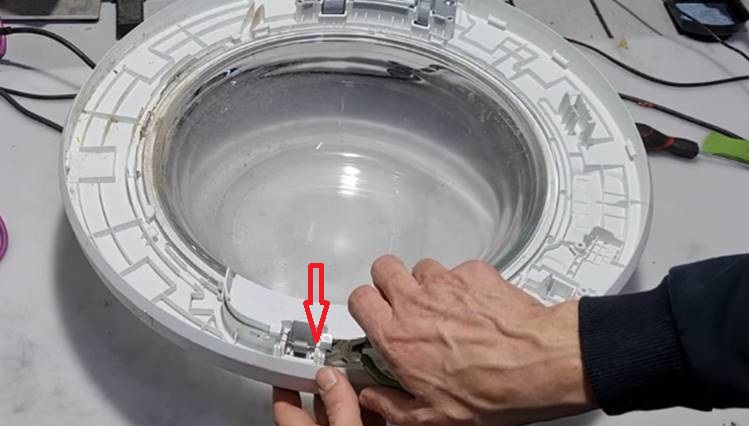
- If any part of the door locking mechanism is faulty, replace it.
Never ignore water leaking under the door of your LG washing machine. It's dangerous not only for your appliance, flooring, and downstairs neighbors, but also for family members who could suffer an electric shock. Carefully repair the leak following our instructions, or call a service center if you're unsure.
Interesting:


Readers' comments
Headings
Washing machine repair




For buyers




For users


Dishwasher




Add a comment