
Why does my LG washing machine leak from the bottom during the spin cycle?
 Finding a puddle under your washing machine is quite unpleasant. It should be addressed immediately, as water on the floor can damage not only the equipment but also the property of neighbors living below. There can be a variety of causes for this problem, so let's take a closer look at why your washing machine leaks during the spin cycle. This is the most common occurrence.
Where did the leak come from?
If you notice water leaking from the bottom of your LG washing machine during the spin cycle, you need to act quickly. First, carefully unplug the machine, avoiding stepping in the puddle. Next, determine why water is leaking from the machine. There could be several possible causes:
- leakage at the connection points of the pipes;
- defect of the drain corrugation;
- clogged or improperly installed waste filter;
- damage to seals;
- bearing failure;
- pump malfunction;
- defective or clogged detergent drawer;
- tank damage.
Possible causes of a leak should be eliminated one by one, from simple to more complex. First, check the drain hose, then the debris filter. We'll explain in more detail how to proceed during the diagnostic process.
"Trash can" or drainage hose
A puddle found under a washing machine doesn't always indicate a problem. Sometimes, it's caused by a simple user error. First, check that the drain filter plug is tightly screwed on, especially if you cleaned the waste container the day before. Also make sure the emergency hose is in place.
If the debris filter and emergency hose are securely fastened, the drain hose is next to be checked. Check for leaks where the hose attaches to the pump by looking under the bottom of the machine. The retaining clamp may be loose, and simply tightening it will fix the leak.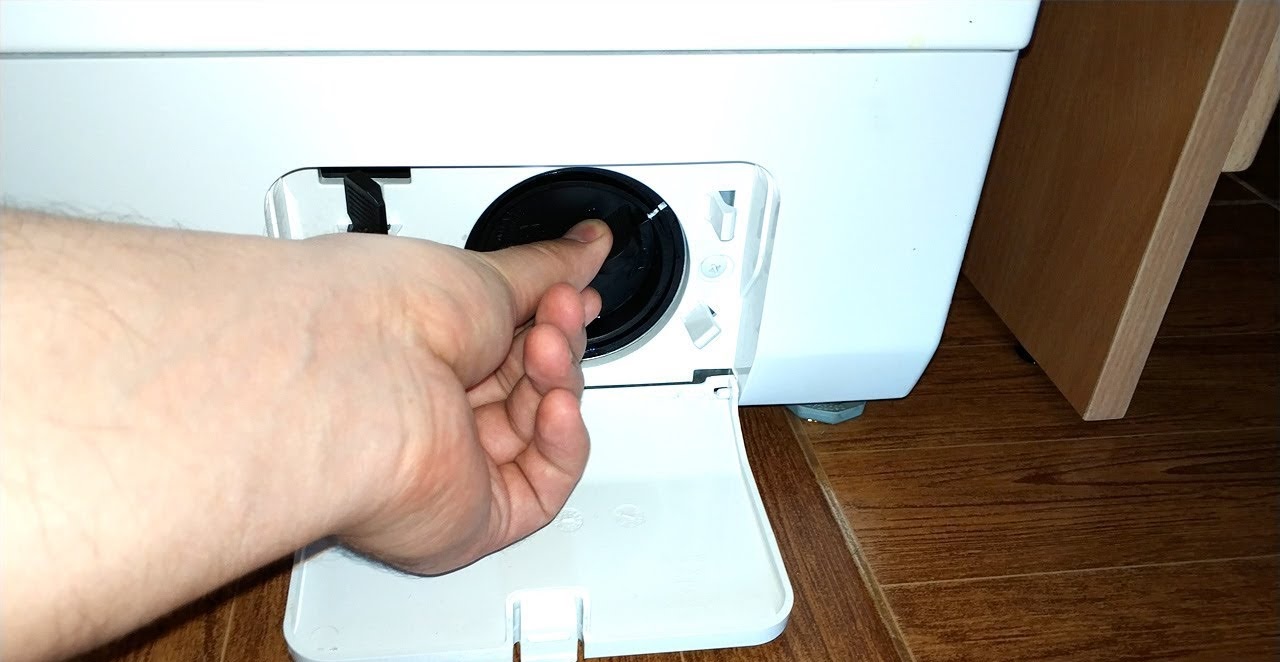
If you find cracks where the drain hose attaches to the pump, seal the gaps with a waterproof sealant. However, it's much more reliable to replace the pump volute immediately.
Also, make sure there are no cracks or kinks on the surface of the drain corrugated pipe. If the rubber hose is damaged, it will need to be replaced. Don't wrap the hose with electrical tape or duct tape—this is a temporary and not entirely reliable fix.
Why does water leak during the spin cycle, and not during the wash or rinse cycle? At this stage of the cycle, the machine spins the drum to its maximum speed, causing it to vibrate more intensely. This loosens the filter even more and allows moisture to leak.
Powder drawer or "main" pipe
Even if water is collecting underneath the washing machine, the source may be much higher. Therefore, inspect the detergent drawer. The drawer is likely heavily soiled, causing the overflow. Liquid collects in the machine, accumulates in the tray, and is unable to flow further, causing it to drip down onto the floor.
The powder dispenser should be inspected both inside and out. Make sure there are no cracks in the walls. Pay particular attention to the corners of the dispenser, as these are where leaks most often occur.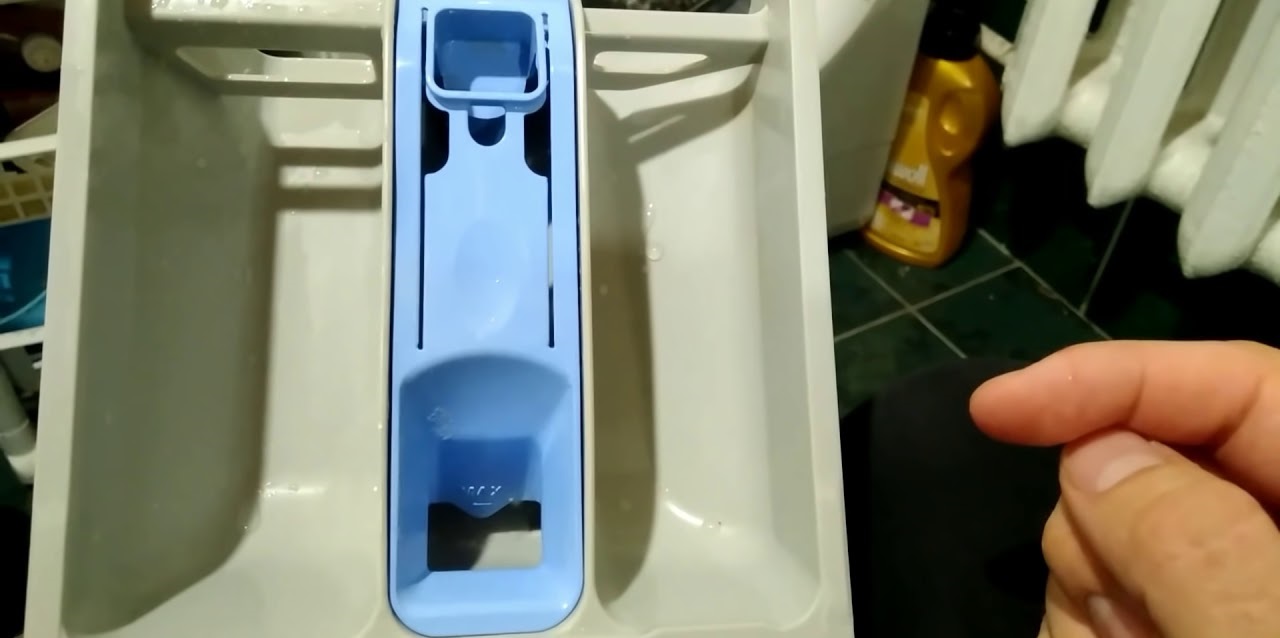
If the detergent drawer is clean and you can't visually detect any cracks, inspect it. Wipe the dispenser dry and carefully pour water into the compartments. Observe the detergent drawer for any drips that start to leak from the bottom.
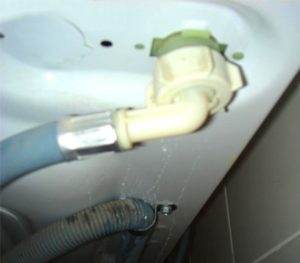
The inlet hose of your automatic washing machine may be faulty. If it's loose or the hose itself is cracked, water will start to leak downwards. To diagnose this, you'll need to remove the top panel of the washing machine.
It is possible that the leak is caused by the drain pipe connecting the tank and the pump.
To inspect the drain hose, you'll need to look underneath the machine. Leaks may be coming from the joints, and tightening the clamps will restore the seal. If there are cracks on the surface, the hose will need to be replaced.
How to find a leak?
If you decide to fix the problem yourself, without calling a professional, you need to act carefully. If the machine is automatic LG under warranty, it is better to contact a service center for help. Our specialists will test your washing machine for free, and if the leak is caused by a manufacturing defect, they will repair it free of charge.
If the warranty period has long expired, you can identify the source of the leak yourself to save money. In most cases, the problem is easy to fix yourself. What should you do if you find a puddle under your washing machine?
- Unplug the appliance. Be careful when unplugging it, avoiding contact with water. This will help prevent electric shock. If you can't unplug the washing machine without stepping in a puddle, turn off the power to the entire apartment by flipping the appropriate switch on the electrical panel.
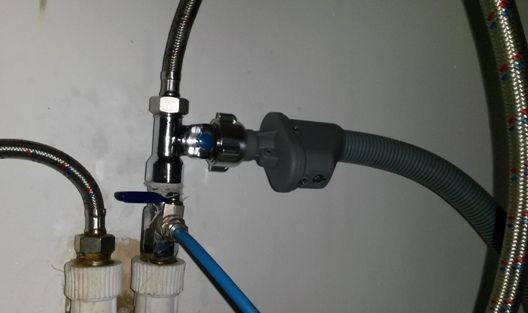
- Turn off the shut-off valve that supplies water to the machine.
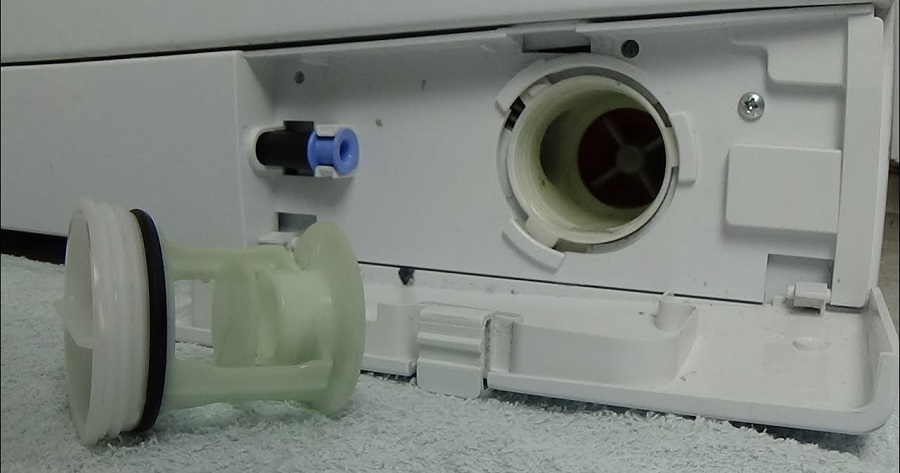
- Drain any remaining fluid from the system using the emergency hose. You can also empty the tank by removing the debris filter plug.
- Open the machine door and remove all items from the drum.
- Start searching for the source of the leak.
If water is leaking from the top left corner, it's most likely due to a leaky detergent drawer. So, remove the detergent drawer, clean it, clear any blockages, and remove any residue from the walls. Then, replace the drawer.
The leak may be caused by too much water pressure when supplying water to the washing machine - in this case, the problem can be solved by adjusting the inlet valve.
If water is leaking from under the door and collecting under the machine, the problem is most likely a damaged seal. Inspect the seal; it should be free of defects. If you notice any cracks, consider replacing the seal.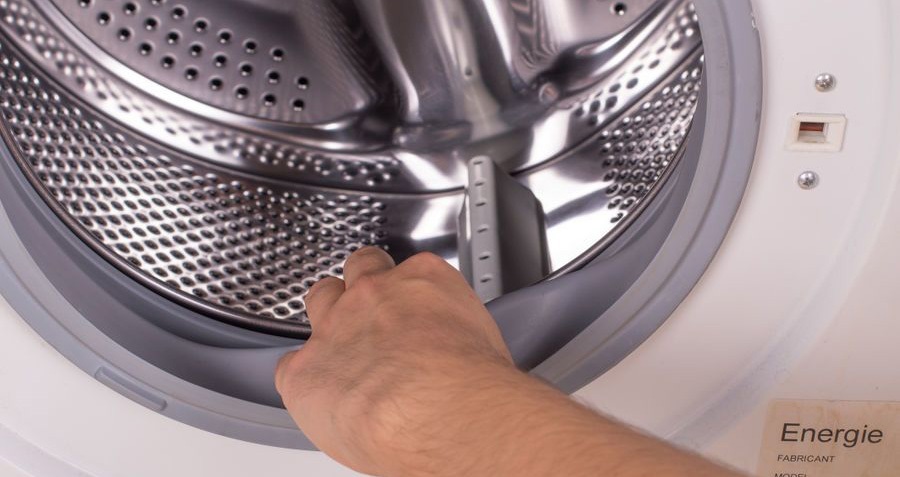
A leak from below is often caused by damaged hoses. In some cases, repairs may involve patching small cracks. If the damage is serious, it's best to replace the hoses immediately. If the clamps become loose and water leaks from the joints, tightening the clamps is sufficient.
A leak can also be caused by a simple blockage in the drainage system components, such as a filter or pipes. Cleaning these components will help get your "home helper" working properly.
In some cases, a leak is caused by a damaged tank. Inspecting the tank requires almost complete disassembly of the washing machine. If the defect is small, the crack can be soldered. This is a fairly reliable and effective repair option. You can also replace the entire plastic container.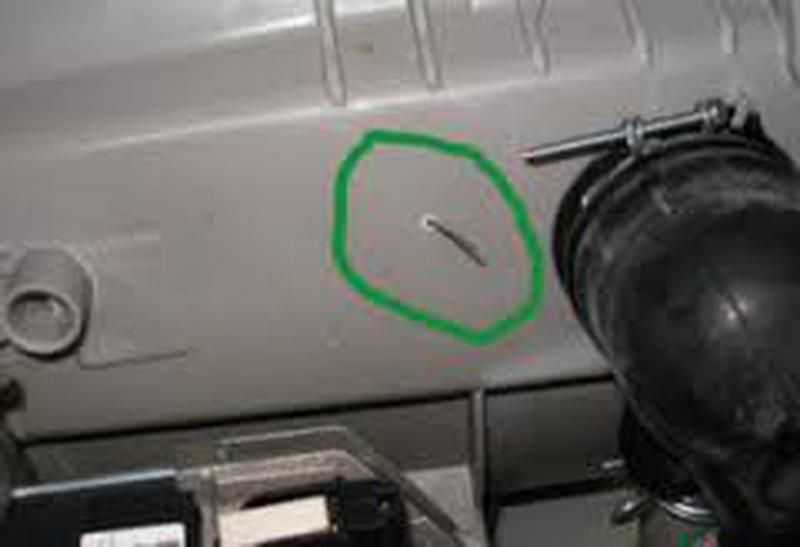
Another likely cause of a leak is a clogged or burnt-out pump. A multimeter is required for diagnosis. A faulty drain pump cannot be repaired; the element must be replaced.
If your washing machine leaks during the spin cycle, the problem is most likely with the bearing assembly. The seal may be damaged or the metal rings may be worn out. To access the damaged components, you'll have to almost completely disassemble the machine. This is considered a difficult job, so beginners without any knowledge or experience are advised to seek the help of a qualified repair technician.
Interesting:

Readers' comments
Headings
Washing machine repair




For buyers




For users


Dishwasher




Add a comment