
LG washing machine trips circuit breaker when turned on
 It's both annoying and dangerous when a washing machine trips its circuit breaker when turned on. Before you can even select a program or start the cycle, the lights that just came on immediately go out, and all the lights in the room go out. Restarting the machine won't solve the problem, as there's clearly a malfunction. What's causing this, and how can you fix it?
Mains power or washing machine?
This type of wiring reaction to the washing machine's power supply is extremely dangerous. Firstly, it puts the machine itself at risk, as its control board doesn't tolerate sudden power surges. Secondly, power surges can damage the insulation of the wires, potentially causing a short circuit and fire. Thirdly, the malfunction itself can have unpleasant consequences—if the problem isn't corrected, there's a high risk of it recurring or worsening.
Therefore, it's important to immediately determine whether the circuit breaker or the wiring is at fault. If your LG washing machine trips fuses, you'll need to check the main problem areas one by one. There are several potential "weak points," so if you're still under warranty, it's best to contact a professional service center for diagnostics.
It's a different matter when the wiring is failing. In this case, you'll need to call an electrician or inspect all the power circuits outside the washing machine yourself. Most often, loose contacts are the cause of blown fuses. We recommend not delaying and starting the diagnostics immediately.
Let's check the wiring
First, pay attention to the wiring. Several faults can cause the circuit breaker to trip or trip the fuses.
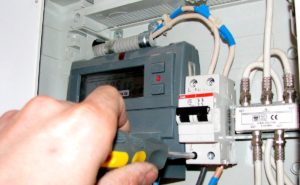
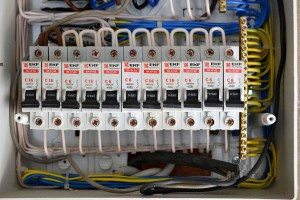
Automatic power shut-off is a necessary measure designed to protect premises from short circuits or current leaks.
- A poor-quality, incorrect, or misadjusted RCD. This is the most common problem, causing power outages even under light load. This can be resolved by purchasing a higher-capacity device from a reputable manufacturer or by adjusting the faulty component.
- Unreasonable load on the meter. The wiring is designed for a specific power rating, and if the permissible load is exceeded, an emergency shutdown occurs. For example, not everyone can afford to plug in a refrigerator, washing machine, microwave, and electric stove all at the same time. There are two options: replace the entire electrical network with a more reliable one or operate the devices one at a time.
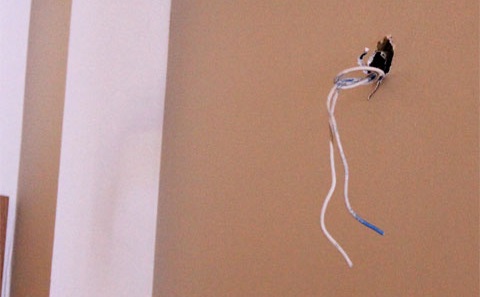
- Damaged circuit. It's possible that a wire, insulation, or outlet has broken in a certain section of the circuit. This can be easily verified by turning on a similarly rated appliance and observing the circuit breaker's response. If the problem persists, call an electrician.
As a rule, only professionals resolve electrical issues in apartments. Working with wires, circuit breakers, and meters requires high qualifications and extensive experience. Otherwise, there is a high risk of error, overheating, and fire.
Possible problems with the machine
If there are no problems with the power supply to the apartment, the problem lies with the washing machine. To fix the problem, you'll need to disassemble the unit, inspect it, and perform the necessary diagnostics. But before accessing the inside of the washing machine, it's a good idea to unplug it and drain any remaining water through the emergency drain. Otherwise, there's a high risk of electrical or mechanical injury. After ensuring your safety, let's review the list of possible problems that can cause the machine to trip:
- damaged power cord or plug;
- caused by short circuit of the heating element;
- faulty power filter;
- broken engine;
- failed interference filter;
- non-functioning control buttons on the dashboard;
- frayed internal wiring or loose contacts.
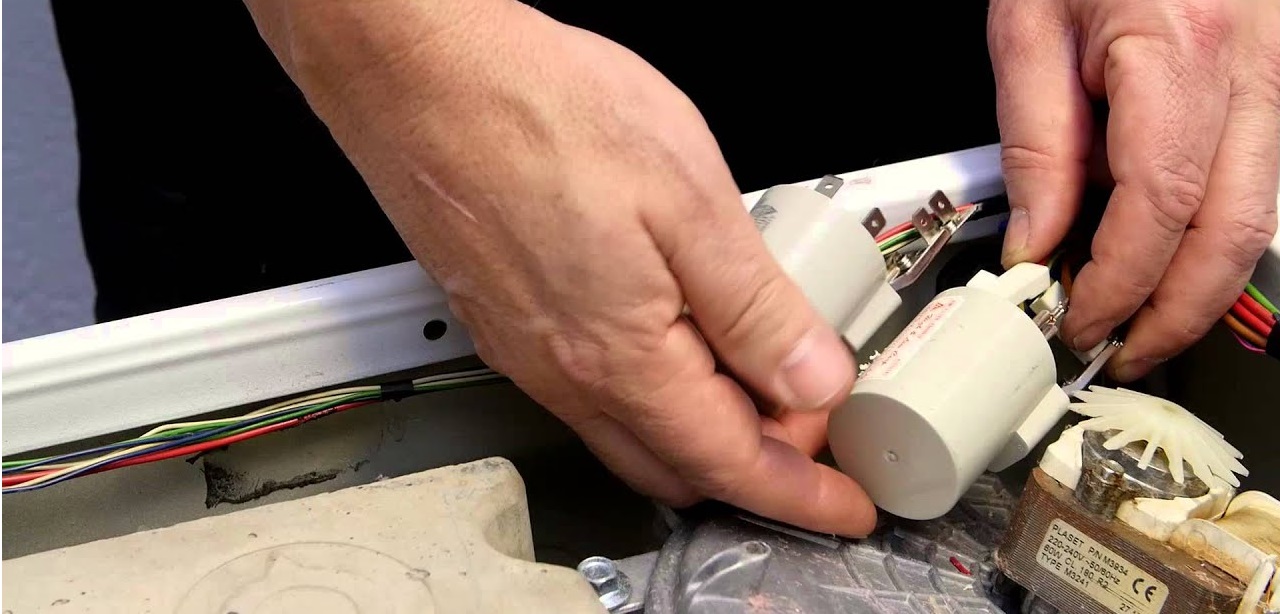
The inspection should begin with the most common and simple fault, moving on to the most costly and least common. Ideally, it's best to immediately contact professionals for a comprehensive automatic transmission diagnostic. However, you can also handle the problem yourself by following the instructions below.
Plug or power cord?
Repairs begin with an inspection of the power cord and plug. As a rule, improper use often causes the power cord to become strained, pinched, or tangled, which affects the power supply to the machine. In other words, the plug and socket make poor contact, preventing the machine from operating at full capacity. Checking the cord is simple: simply test it with a multimeter. If damage is detected, it will need to be replaced.
- Make sure the machine is disconnected from the power supply.
- We close the inlet valve.
- We drain the water using the emergency drain.
It is strictly forbidden to turn the washing machine upside down when trying to drain the water!
- We unscrew the bolts holding the rear panel.
- We find the power filter and remove it from the machine: press the latches, remove the plastic stopper and push it out of the housing.
- Carefully remove the wire from the washing machine.
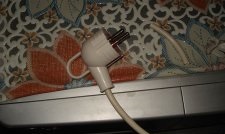
All that's left to do now is purchase a new cord, showing the old one at the store as a sample. Then, install the cord, following the instructions in reverse order. At the finish, we check the correctness of the work performed by running a test wash.
Heating element
A faulty heating element can also cause the circuit breaker to shut off automatically. Poor-quality and excessively hard water causes severe scale buildup, impurities, and chemicals to accumulate on the heating element, ultimately causing the element to overheat and short-circuit. The wiring reacts to the leak, tripping the meter and fuses.
To check the heating element, disconnect the cord and measure the resistance with a multimeter. Set the device to 200 ohms, connect the probes to the contacts, and read the result on the display. Normally, the reading should not exceed 20-50 ohms.
That's not all: we need to rule out an external short circuit. Use a multimeter to measure the outputs on the heating element and the grounding bolts one by one. Normally, the reading will be zero, as even low values indicate a problem. If there are obvious problems, the heating element should be replaced. This can be done yourself if you follow the following procedure:
- remove the back panel;
- find a heater;
- unscrew the retaining bolt;
- Use a screwdriver to pry up the heating element and remove it.
It's important to proceed with extreme caution. Tightening the nut too tightly can easily push the element out of the tank or damage the contacts.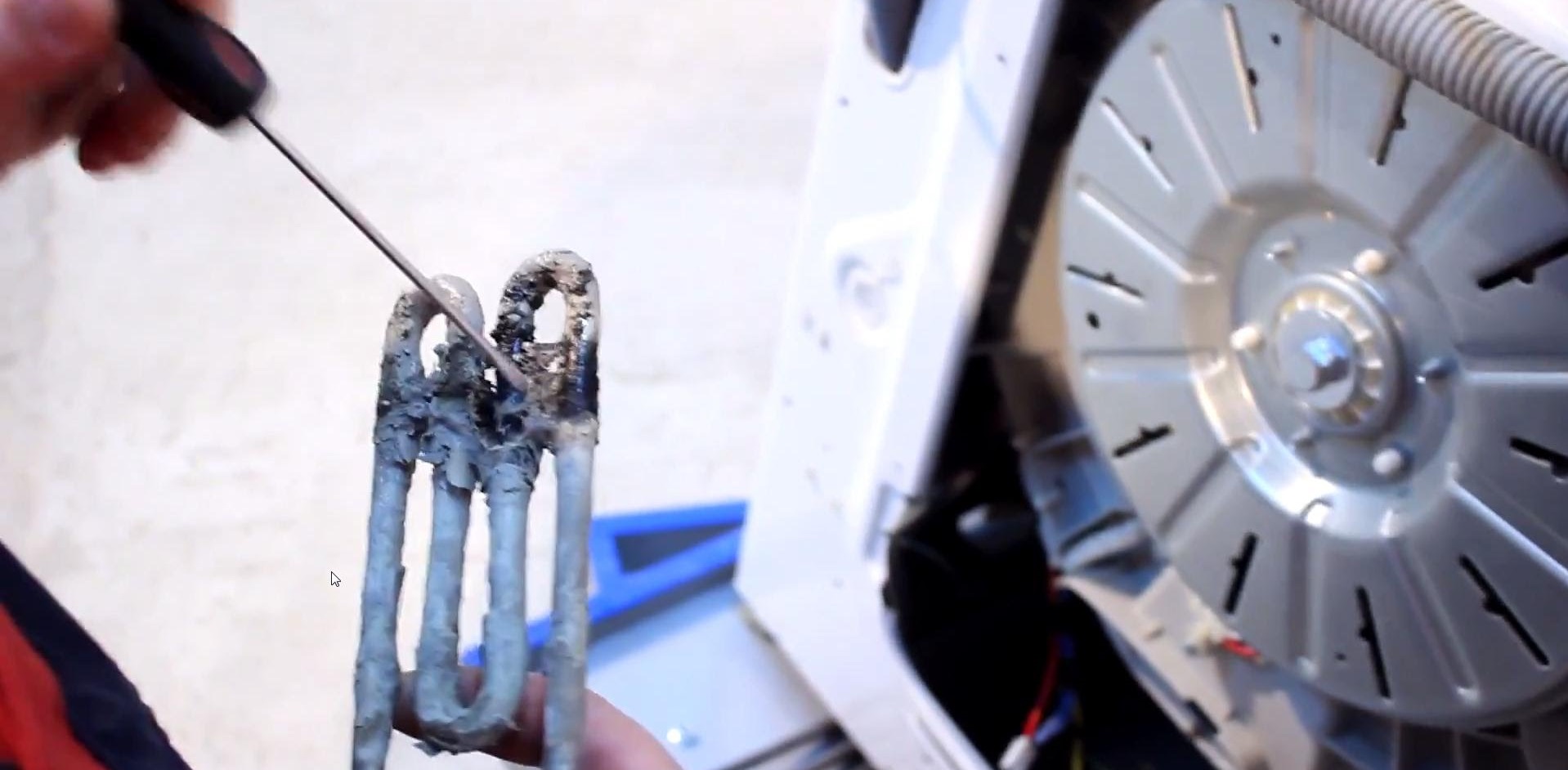
Motor or network filter?
The surge protector is responsible for stabilizing the electrical voltage, so it's logical that it reacts to fluctuations by tripping the RCD. If this happens, the component needs to be replaced. Melted contacts and negative readings on the multimeter display will be a clear sign.
When the filter has an electrical wire built into it, both elements should be replaced.
Short circuits in the motor wiring due to prolonged use, a damaged tank, or hoses can also cause the engine to shut off. To check, we test the engine with a tester, and if any deviations are detected, we repair or replace it. Worn out electric brushes can fail, but here it’s simpler – we remove the old ones and install new ones.
Contacts or wiring?
The electric button, which is frequently used during operation, is also suspect. In older machines, its condition is immediately visible: if the contacts are worn or corroded, the problem is obvious. We confirm this with a multimeter, disconnect the panel and wiring, remove the button, and install a new one.
We also visually search for frayed electrical wires. These are typically found in hard-to-reach places and reveal themselves as carbon deposits on the insulation. To fix this, we solder and reinforce the insulation on the wires. Messing with electricity can be dangerous to your life and property. Therefore, ignoring the RCD signal and attempting to continue the cycle is not an option – the problem must be identified and corrected.
Interesting:
Readers' comments
Headings
Washing machine repair




For buyers




For users


Dishwasher




Add a comment