
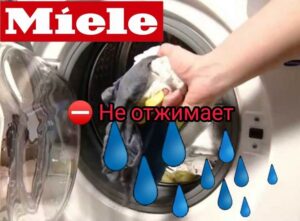
My Miele washing machine doesn't spin the laundry properly.
 Even the most modern household appliances can malfunction over time, so there's nothing to worry about. However, problems with certain functions aren't always due to faulty internal components of your "home helper." For example, if your Miele washing machine isn't spinning properly, you might be able to fix the problem yourself, even without calling a service center. Let's explore why this can happen with new washing machines and how to fix it.
Why didn't it seem like the things were wrung out?
If your washing machine produces wet laundry after a cycle, it means one of the appliance's key functions has failed. Manually spinning laundry is not only difficult but also time-consuming, which is why it's so important that your washing machine spins clothes properly after washing. The main problem with controlling this function is that it is impossible to check the quality of the spin while the machine is running, and after the program has finished, nothing can be done with wet items. Why does this happen?
- Poorly assembled appliance. In this case, weak spin performance will become noticeable after the very first cycle.
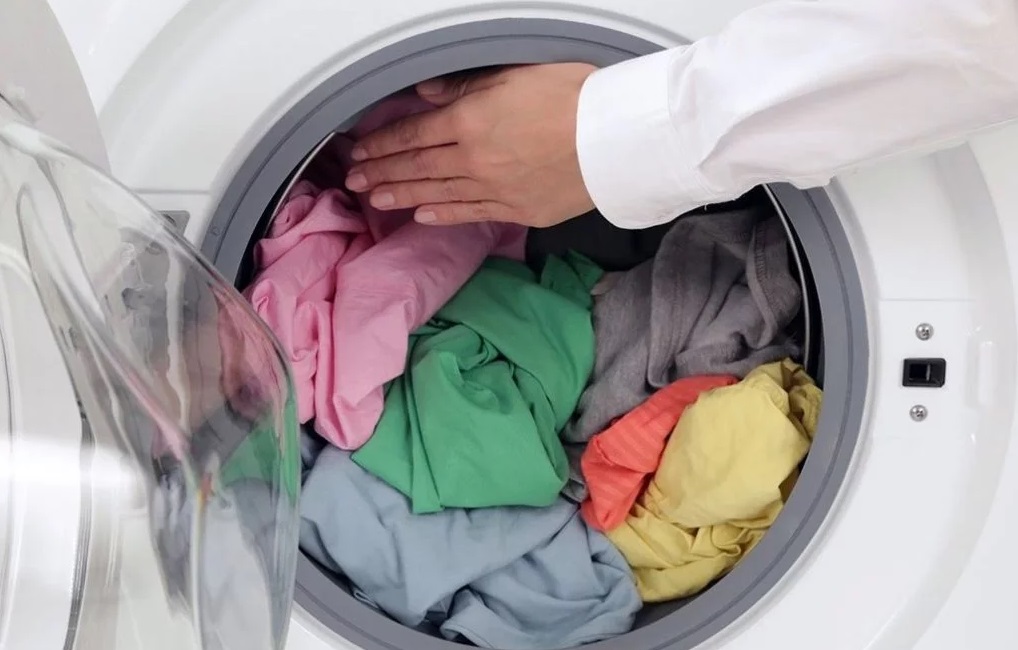
- Drum overload. The user may have added too much laundry, causing the machine to be unable to handle the heavy load.
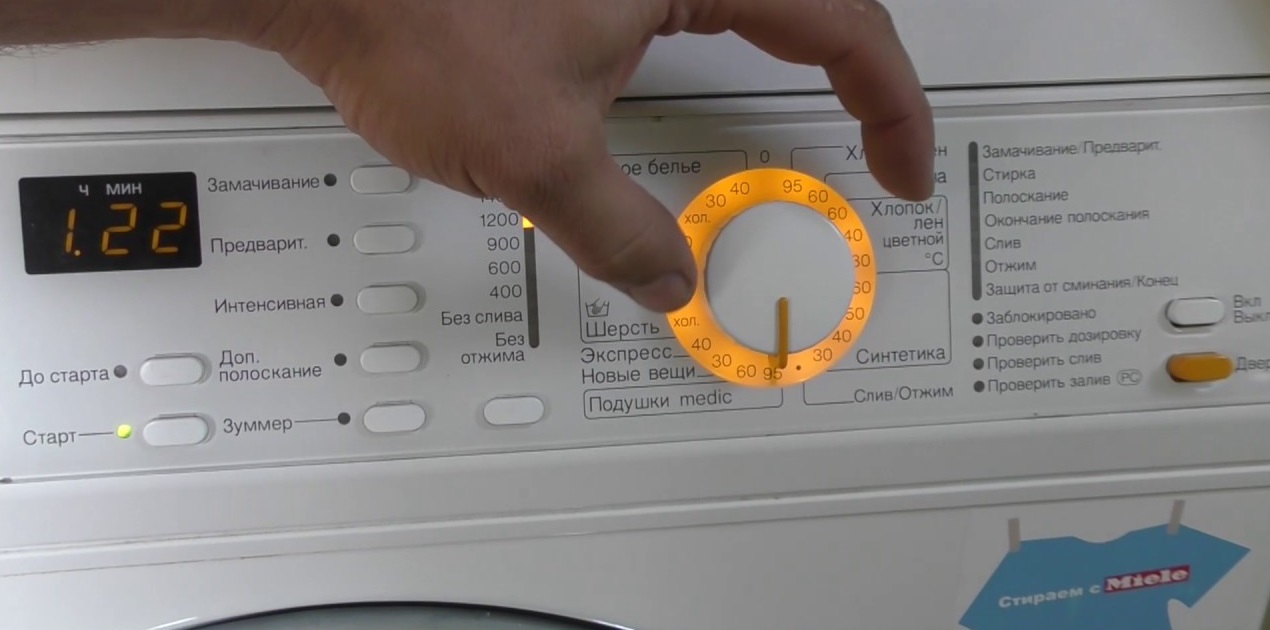
- The wrong washing cycle was selected. The housewife could also have selected a program that either had no spin at all or a very low spin cycle.
- Different weights of laundry. If you wash laundry of different weights in a single cycle, some clothes will be poorly spun.
- After washing and rinsing, some waste liquid remains in the drum. This happens when the drain hose is clogged and can't drain the water from the drum. In this case, even perfectly wrung-out items will become wet again due to the remaining moisture.
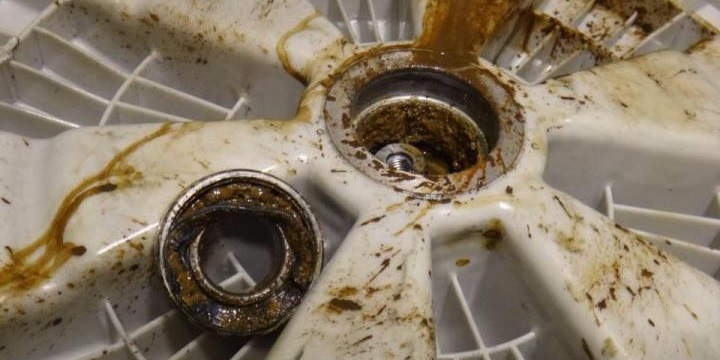
- Foreign objects between the drum and the tank. If the owner has left unwanted items, such as coins or paper clips, in their clothes, they may get caught between the drum and the tank, interfering with the performance of their "home helper." Loose buttons or other small items of clothing can also interfere.
- Wear of bearings or other components of the washing machine. In this case, repair of bearings or other components of the machine may be necessary, as they may cause loud extraneous noise during operation.
- Damaged tachosensor. This type of malfunction may need to be addressed if the user regularly washes more clothes than is recommended.
On average, a washing machine drum can hold up to 5 kilograms of dirty laundry, which can be cleaned in one cycle – for exact information, please refer to the official user manual.
- Pump problems. If the pump is the cause of a weak spin, it can be identified by various signals, making it difficult to quickly determine whether it's working properly. Instead of guessing, it's best to partially disassemble the machine, inspect the part itself, and either repair it or replace it with a new one.
Finally, the last possible cause is damage to the washing machine's control board. This "brain" of the washing machine controls the operation of all its components, so if it fails, it can affect any function of the unit.
Do this first
If your Miele washing machine isn't spinning properly and you're getting wet laundry after every wash, you can try to find the cause yourself. If troubleshooting doesn't require a complex repair, simply check the following:
- If you feel like your washing machine is overloaded with laundry, remove some of the clothes from the drum and then start the spin cycle again.
- If nothing has changed, you should clean the drain devices, as a simple blockage may be to blame.
- If the problem persists, check the drum and tank for any foreign objects. Be sure to remove them if you find any.
- When trying to clean rough fabric items, try washing them separately on the highest RPM cycle.
- Make sure the drum isn't unbalanced due to clothes bunching up into one large lump. To maintain balance, it's best to wash several lighter items alongside the heavy ones to balance them out.
These steps often help resolve poor spin cycles, so if none of these steps help, a more complex repair is likely required. This requires partially or even completely disassembling the washing machine to carefully examine the heating element, pump, motor, and other key components. If you're confident in your abilities and the warranty period has expired, you can try to identify and replace the damaged parts yourself. Otherwise, it's best to call a technician to avoid voiding the warranty and accidentally damaging the machine further.
Operate the machine according to the rules
Very often, the reason for the poor performance of the machine is hidden in the banal disregard for the rules of operation of household appliances. For example, users sometimes forget to remove foreign objects from clothing pockets and inspect the drum before loading laundry. The latter is especially important for families with small children, who may have placed a small toy or other small item in the drum. In this case, the item will likely damage the internal components of the washing machine, requiring expensive repairs.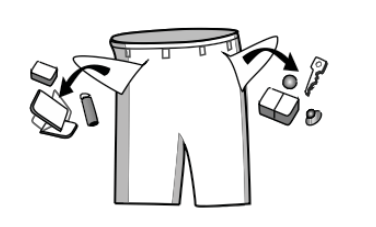
Housewives also don't always choose washing programs accurately, ignoring the official instructions for their appliance and the clothing manufacturer's recommendations. For example, don't wash a down comforter on a delicate cycle, as this will damage not only the item but also the washing machine.
Small items must be cleaned in special cloth bags.
Therefore, the more carefully and carefully a person uses laundry equipment, the more efficiently it will work and the longer it will last.
Interesting:

Readers' comments
Headings
Washing machine repair




For buyers




For users


Dishwasher




Add a comment