
The washing machine does not switch from wash to rinse
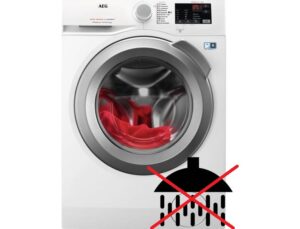 It's incredibly frustrating when your washing machine finishes washing your clothes and then freezes without even starting the rinse cycle. The laundry remains trapped in the drum, and the tub is filled with soapy water. In this situation, you have to restart the machine, activate the drain, and rinse the clothes manually.
If this happens regularly, you need to figure out why the washing machine isn't entering rinse mode. The causes could be anything from drainage issues to electronic problems. Let's figure out where to begin troubleshooting.
The problem is not in the machine.
When a washing machine fails to switch from wash to rinse, it freezes mid-cycle with a full tank of water. Ignoring this problem is unavoidable. You'll need to run a diagnostic test on the machine and check its key components for proper operation. While it's easier to pay and entrust the repair to a service center, you can also fix the problem yourself. Let's look at what to do first.
Experts recommend checking to make sure nothing is blocking the water drain outside the machine before diagnosing anything. Therefore, first inspect the drain hose. Check for kinks. It may have gotten caught under the washer's foot and is now pinched, preventing water from draining. If the hose is intact, check the drain system.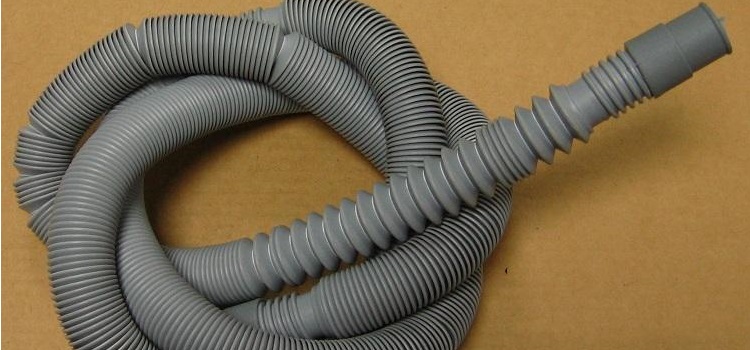
Sometimes the reason why liquid isn't draining from the washing machine is a clogged drain pipe or trap. If water isn't draining well from both the bathtub and the sink, you'll need to clean the drain pipe. It's best to call a plumber for this job.
The washing machine will not proceed to rinsing if the drainage system is clogged.
If no external factors are preventing the water from draining, the cause must be sought within the washing machine. A comprehensive diagnostic of the equipment will be required, inspecting every component whose failure could cause the machine to freeze. We'll provide detailed instructions on what to do next.
What is most likely broken in SM?
Don't panic if your washing machine refuses to rinse or spin. This isn't always a serious problem. Sometimes, a minor issue can cause the washing machine to freeze. Therefore, you can often determine the nature of the problem yourself, without the need for professional help.
What usually causes this kind of problem? In most cases, the washing machine does not start rinsing due to a clogged drain system, a broken pump, a faulty pressure switch, or a damaged control module. Let's figure out how this or that unit can affect the operation of the machine.
- Clogged. In addition to the drain hose, the debris filter or the hose connecting the tub to the pump can become clogged. For example, a coin dropped into the washer can disrupt the normal drainage of liquid. The drainage becomes blocked, causing the machine to stop mid-cycle without starting the rinse cycle. In this case, you'll need to clean these parts.
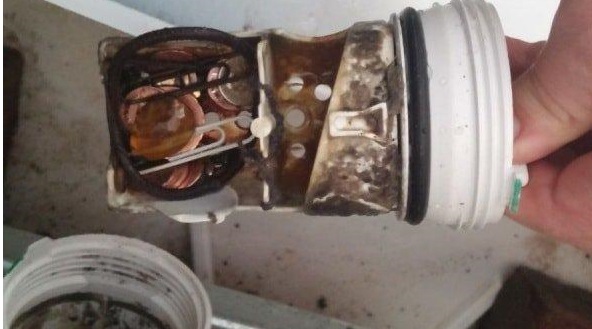
- Pump. This is responsible for pumping waste liquid out of the system. If this element fails, the machine will remain with a full tank. Sometimes the problem is a clog, in which case cleaning the impeller is sufficient. If the pump burns out, it will need to be replaced.
- Level sensor. A malfunctioning pressure switch sends erroneous information to the "brain." For example, it might report the tank as empty, even though the machine contains soapy water. This prevents the drain from running, and the washer doesn't start the rinse cycle.
- Electronic module. A faulty control board is another possible culprit. If the processor fails, the machine's operation will be disrupted, and it may even freeze.
First, check the drainage system, then the water level sensor. These are the most common faults in washing machines. Next, inspect the pump, and finally, the electronic module.
Filter element or hose
If the machine doesn't start rinsing and is stuck full of water, you'll first need to empty the washer. Drain the liquid through the waste filter, which should also be checked for blockages. Follow these steps:
- Unplug the machine's power cord from the socket;
- close the tap on the water pipe;
- unhook the lower false panel or open the technical hatch (depending on the washing machine model, the debris filter is “hidden” behind one of these elements);
- Place unnecessary rags around the machine;
- Place a container to collect water under the bottom of the machine in the "dustbin" area;
- unscrew the filter plug half a turn;
- Collect the soapy liquid in a basin.
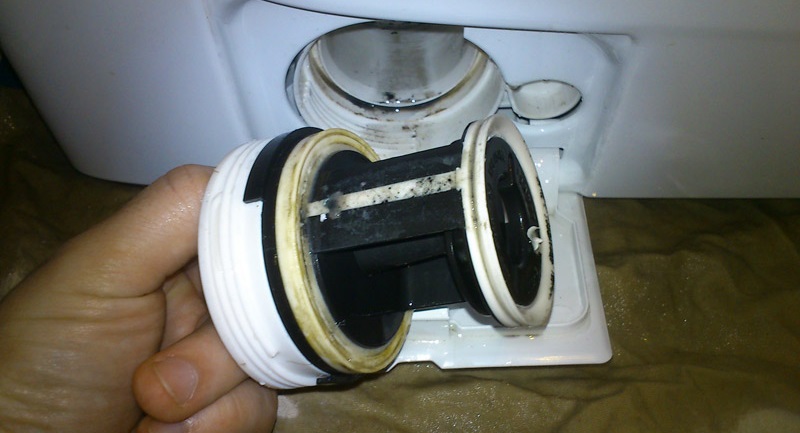
When the drum is empty, the door lock will unlock, allowing you to remove items from the drum. Next, rinse the dirt filter in warm water and shine a flashlight into the opening where it was inserted. If there is debris inside, remove it.
The debris filter should be cleaned every 1-2 months.
Be sure to also check the entire length of the drain hose to see if debris has accumulated. If you find any debris, clean it out with a long, bent-end wire. Additionally, rinse the corrugated hose under the tap.
The pump may be broken.
Pumps don't usually fail suddenly; the machine begins to show signs of trouble early. If you've noticed that previous cycles have been taking longer than usual, or that pumping water was accompanied by a loud humming sound, the pump is likely the culprit. If you ignore these symptoms, the unit will eventually fail.
The drain pump may stop working due to:
- blockage - in this case, the movement of the impeller is blocked by debris;
- breakdowns.
Pump problems can be resolved independently. To access the component, lay the washing machine on its left side. If there's no bottom, that's good – you'll have immediate access to the pump. Once the tray is in place, detach it from the body.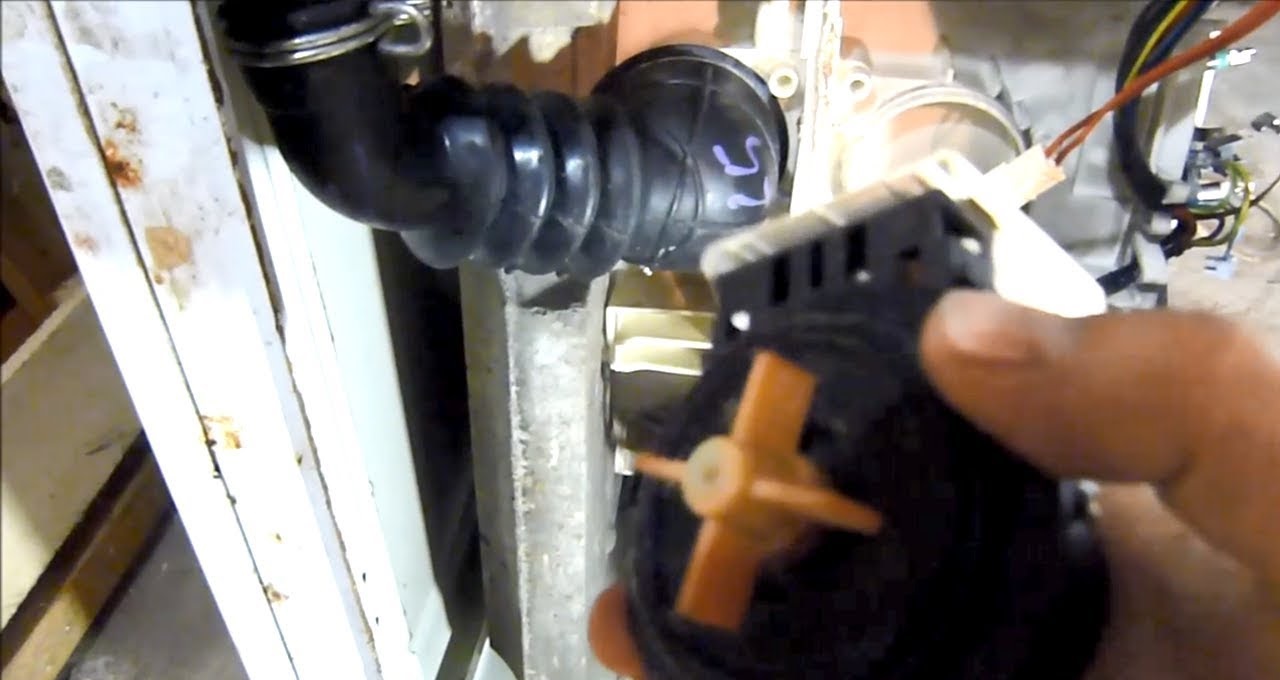
Next, detach the pump from the volute and inspect it carefully. If there's a lot of debris or a foreign object stuck between the impeller blades, clean them. If there are no visual defects, check the part with a multimeter. A burnt-out drain pump cannot be repaired and will need to be replaced.
Place the ohmmeter probes across the pump contacts and check the readings on the device's screen. A reading of zero or one indicates the pump needs to be replaced. If the problem is in the control module, the tester will display a three-digit number.
Electronic problems
In rare cases, a washing machine won't start rinsing due to a problem with the electronics. The wiring may be damaged or the semiconductor may fail. To restore the machine, you'll need to test the entire circuit from the control board to the pump and water level sensor.
Testing the wiring and other parts of the washing machine is only possible after first disconnecting the power supply to the equipment.
If the circuit board has burned out, it's best to seek professional help. Messing around with the washing machine's internals without the necessary knowledge is a bad idea; you could only damage your "home helper." It's best to entrust electronic repairs to a service center.
Interesting:

Readers' comments
Headings
Washing machine repair




For buyers




For users


Dishwasher




Add a comment