
Why doesn't the washing machine rinse or spin?
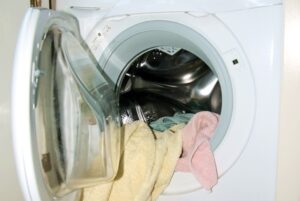 It's hard to accept the fact that your washing machine won't rinse or spin. Items remain trapped in the drum and in soapy water, and the scheduled wash cycle has to be stopped. Furthermore, you have to wake up the frozen machine, empty the drum, and unload the clothes. But first, it's important to figure out the reasons for your washing machine's sudden failure to rinse or spin. Let's look at all the possible problems and solutions.
External factors
If your washing machine stops with a full tank, you can't ignore the "freeze." It's important to check the functionality of the components and mechanisms responsible for the rinse and spin cycles. Ideally, you should call a technician, but you can also eliminate typical causes of failure on your own. First of all, it is recommended to eliminate external factors that make it difficult to drain water from the washing machine.
- The drain hose is "blocked." Often, the machine is working properly, but water is unable to leave the tank because the drain is blocked. Most likely, the drain hose is kinked or pinched—the corrugated hose has become caught under the machine or another heavy object. In this case, the pump is unable to pump the liquid into the sewer due to insufficient pressure.
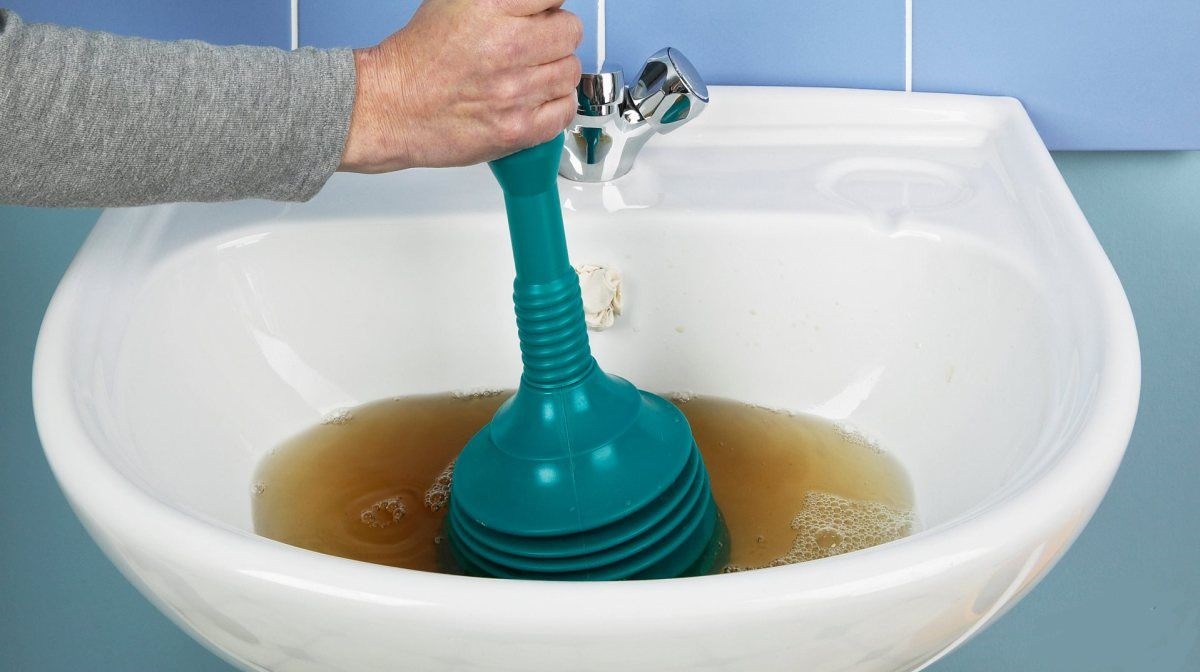
- The drain is clogged. Another possibility is that the drain hose, the main riser, or the trap is clogged. Typically, the clog originates in the drain hose, which should be disconnected from the machine body, inspected, and flushed.
The washing machine will not spin or rinse if the machine's drainage system is clogged!
Is the drain system and hose working properly? Then the drain problem lies within the machine—the system is either not sending or unable to execute the command to empty the tank. In any case, you'll need to perform a comprehensive diagnostic of the washing machine, checking each key drainage component for proper operation. Let's break it down step by step.
The most likely problems
A washing machine refusing to rinse or spin isn't a reason to panic. It's quite common for a machine to stop mid-cycle with a full drum of soapy water, and the problem isn't always serious. Moreover, you can determine the nature of the problem and fix it yourself, without calling a service center.
If your washing machine won't cycle through the rinse and spin cycles, the most common cause is a clogged drain, a broken pump, a faulty pressure switch, or a failed module. Let's look at each problem in more detail.
- Clog. In addition to the drain hose, the waste filter and drain pipe can also become clogged, blocking the drain. Sometimes, a coin or key dropped into the tank can completely block the drain, preventing wastewater from exiting the drum. To clear the blockage, you'll have to partially disassemble the machine and clean the clogged parts.
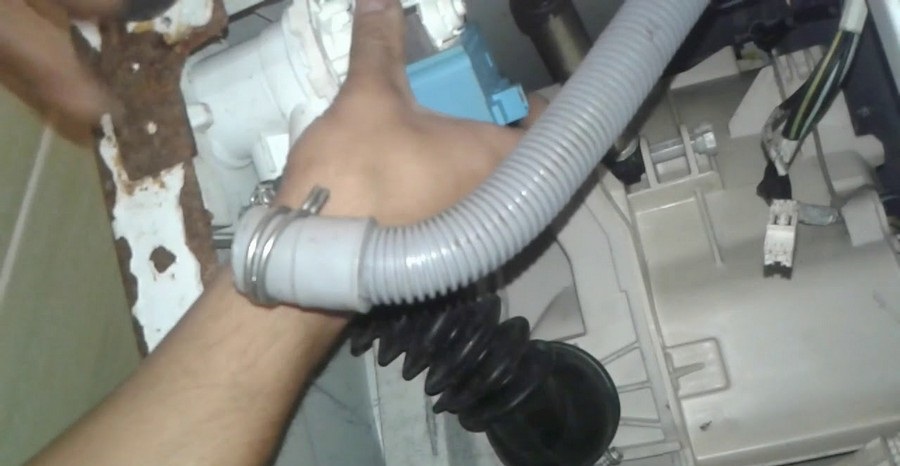
- A broken pump. The pump is responsible for draining water from the washing machine. If it burns out, the system won't start, and the machine will remain with a full tank. Sometimes the problem is a blockage—the impeller gets clogged with debris. A drainage diagnosis will tell you what repairs are needed.
- Defective pressure switch. If the level sensor is not working correctly, the control board does not receive the command to drain. For example, the pressure switch indicates the tank is empty, but it is full of soapy water.
- A faulty control board. It's simple: the washing machine's "brain" is malfunctioning and is not giving the command to drain. As a result, the machine freezes with a full tank.
As a rule, if the machine does not switch to rinsing and spinning, then you need to pay attention to the pressure switch and drainage system. You can handle diagnostics and repairs at home, the main thing is to act consistently and carefully. All instructions are below.
Drainage filter and sleeve
First, it's recommended to check the drainage system for damage and blockages. But first, empty the tank through the waste filter opening. Here's how:
- we disconnect the machine from communications;
- remove the technical hatch door;
- place a container to collect water under the trash filter;
- unscrew the plug;
- We collect water.
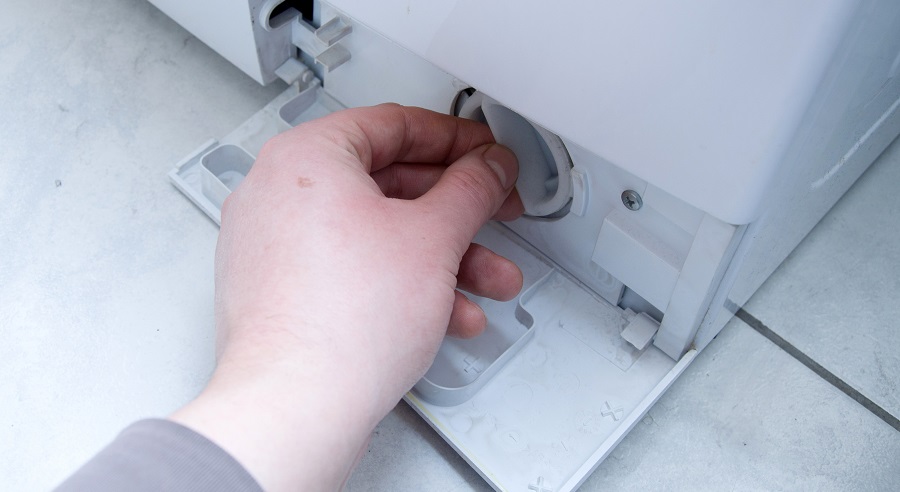
Once the washing machine's drum is empty, the electronic door lock is released, allowing the user to remove laundry. Next, the drainage system is inspected: the drain hole, freed from the nozzle, is inspected and cleaned if necessary. The filter itself is also washed in warm, soapy water.
Washing machine manufacturers recommend cleaning the debris filter every 2-3 months.
Be sure to check the drain hose for a blockage: feel the entire length of the hose. If there's a blockage, clear the corrugated tube with a special cable or a wire bent into a hook. Finally, rinse the rubber seal under the tap.
Let's inspect the pump
Next in line is the drain pump. You can tell it's broken or clogged even before it suddenly stops: the wash cycle takes longer, and the pump makes a suspicious humming sound while pumping water. If you don't address these "symptoms" promptly, the machine will stop draining. Pump malfunctions for two reasons:
- blockage (hair, lint and other debris gets wrapped around the impeller, blocking the drain);
- breakdown (factory defect, natural wear and tear, careless use).
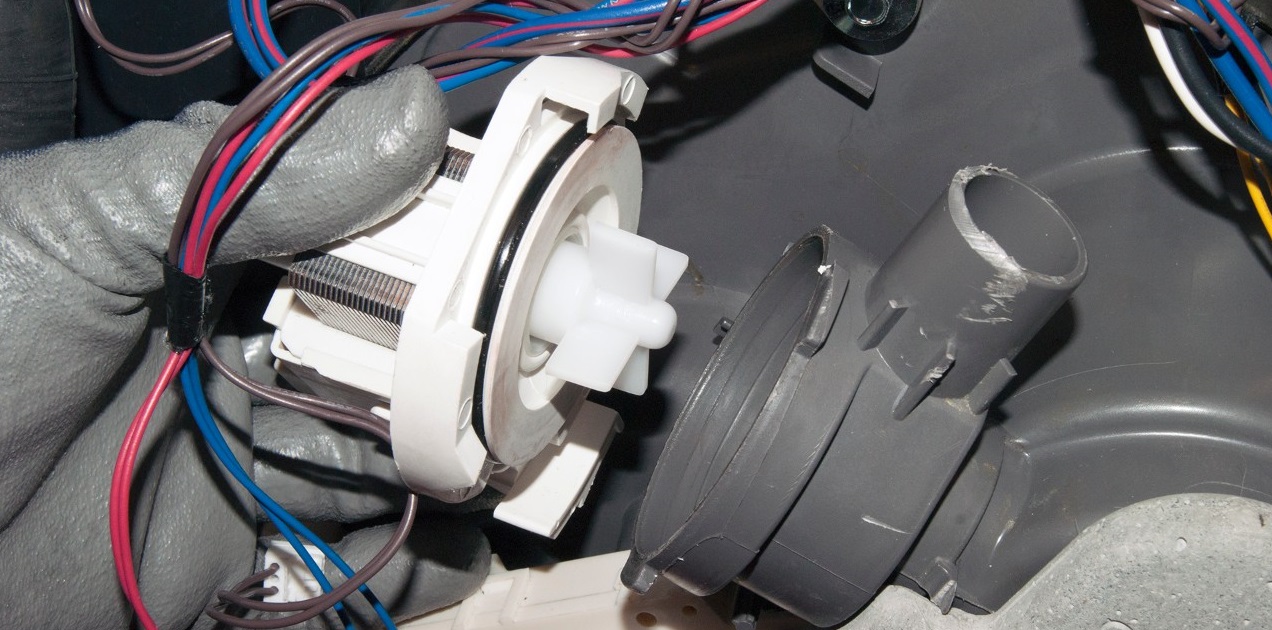
You can fix the pump yourself. First, lower the washing machine onto its left side and remove the bottom. Then, detach the pump from the volute and inspect it. If the impeller is clogged, simply clear the blades of debris. The adjacent components should also be cleaned at the same time.
A burnt-out pump cannot be repaired – only replaced!
If everything is visually "clean," we test the pump with a multimeter. A burnt-out pump will show "0" or "1," while if there's a problem with the control module, the tester will display a three-digit number. In the first case, a replacement with a similar device is recommended; in the second, a service call is recommended.
Is the power supply to the devices ok?
In rare cases, the rinse and spin cycles may not work due to electronic problems. The wiring may be damaged, leading to problems with power supply to the appliances and components. To restore the power supply, you will have to check the entire circuit from the control board to the pump and pressure switch. The main thing is to first de-energize the equipment and act as carefully as possible.
Repairing the control board yourself is too risky – it’s better to turn to professionals!
It's even worse if the control board is broken. Repairing or testing the module yourself is strongly discouraged – without the knowledge, experience, and specialized equipment, you could worsen the problem, even leading to a fatal outcome. It's best not to experiment, but to immediately contact a professional service center for diagnostics.
Interesting:

Readers' comments
Headings
Washing machine repair




For buyers




For users


Dishwasher




Add a comment