
The washing machine does not respond to the power button.
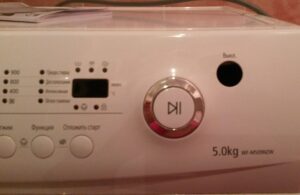 What should you do if you've already loaded laundry into the drum, poured detergent into the dispenser, and the washing machine isn't responding to the power button? If the dashboard indicator isn't lit, the display isn't active, and you can't press any buttons, it's easy to guess: the machine has been disconnected from the power supply.
There are various reasons why your washing machine may not turn on, most of which are easy to identify and fix at home. We'll show you where to start troubleshooting.
We determine the cause of the defect
Dim lights on the control panel indicate a problem with the power supply to the appliance. Simply put, the current isn't reaching the washing machine's "brain," so the appliance won't start working. In this situation, you'll need to repair the "lost" connection in the circuit. Diagnostics will include checking external communications and internal wires, contacts and sensors.
The reasons why a washing machine won't turn on can be roughly divided into two broad groups. The first includes all problems with external communications, such as:
- power outage in the house or in a particular room;
- breakdown of the socket to which the washing machine is connected;
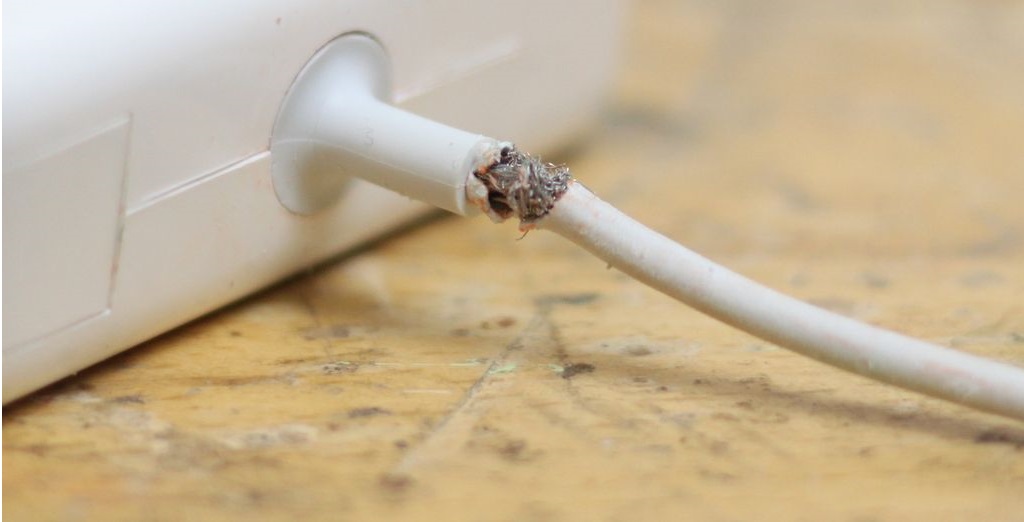
- damage to the machine's power cord.
The second group includes internal failures. These include:
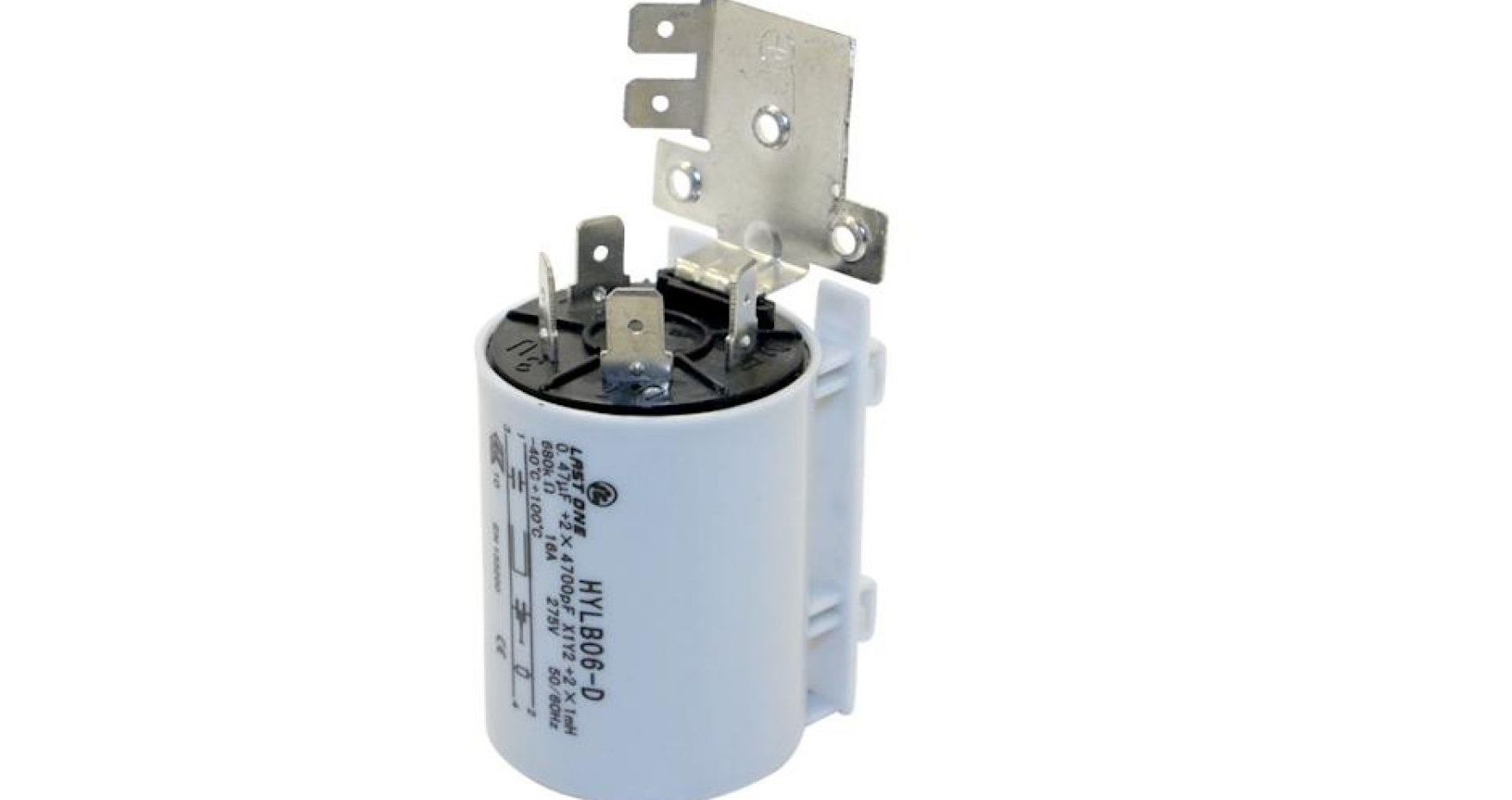
- failure of the interference filter (IF);
- burnout or sticking of buttons on the dashboard;
- control module malfunctions.
If after connecting the washing machine to the socket the indicator on the control panel does not light up, it means that there is no current flowing to the washing machine.
The inspection starts from the simplest to the most complex. First, external causes are ruled out one by one: the outlet and power cord are inspected. Next, you'll need to look inside the machine, and finally, if the problem is still not detected, you'll need to run diagnostics on the electronic module.
Let's check the power supply
Often, a washing machine won't turn on due to a power outage. Before panicking, make sure there's power in the room and apartment. It's possible there's a power outage in the entire building, and you just need to wait until it comes back on.
Next, check the electrical panel. Check that all switches are set to the "on" position. It's possible that the circuit was overloaded when the washing machine was started, causing the residual-current device (RCD) to trip. You need to reset the circuit breakers and determine which appliances in the house need to be temporarily disconnected to prevent further overvoltage and current leakage.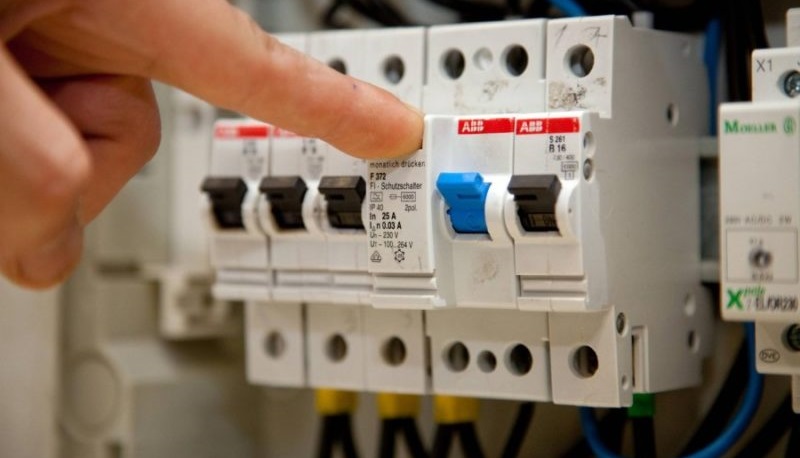
Next, inspect the outlet. If you notice melted plastic or dark spots on the casing or smell a burning smell, immediately shut off the power to the room by flipping the appropriate switch on the panel. The electrical outlet will need repair.
Do not use an outlet with melted insulation, smoke, or a burning smell. Immediately de-energize the outlet and call an electrician. If the outlet appears intact, try connecting another electrical appliance, such as a hair dryer. If contact is made, you'll need to continue searching for the problem area.
Noise suppression filter
If no external problems are found, you will have to deal with the washing machine itself. Three elements are responsible for transmitting current inside the washing machine: the plug, the power cord, and the interference suppression filter. All "points" are located close to each other and are checked simultaneously.
The algorithm of actions will be as follows:
- unplug the washing machine;
- remove the top cover of the housing by unscrewing the two bolts that secure it;
- find the noise filter;
- remove the fasteners securing the power cord;
- Pull out the cord together with the interference filter and plug.
You can diagnose the components yourself. First, inspect the plug for damage and signs of fire. Then, check the wire itself; you'll need a multimeter for this. Set the tester to buzzer mode and test the wire for continuity. If a current leak is detected, the component will need to be replaced.
Do not attempt to repair a power cord by re-wrapping it with electrical tape or by twisting the insulation back together - this may cause a further break in the circuit and a fire.
Once the wire and plug are in place, the interference suppression filter is inspected. If there is no visible damage, the component is tested with a multimeter. Set the tester to resistance mode and place the probes on the component's contacts. If the device displays a zero or one, the interference suppression filter is faulty and will need to be replaced.
The power button is broken
If you can't find any damage to the power strip or cord, you'll need to check the machine's control panel. Sometimes, a stuck button or buttons can cause a malfunction, and the entire control panel stops working. Newer washing machines can detect this type of malfunction and notify the user with an error code on the display. Older models simply can't handle the problem and stop responding to any key presses altogether.
To check the control panel, you need to: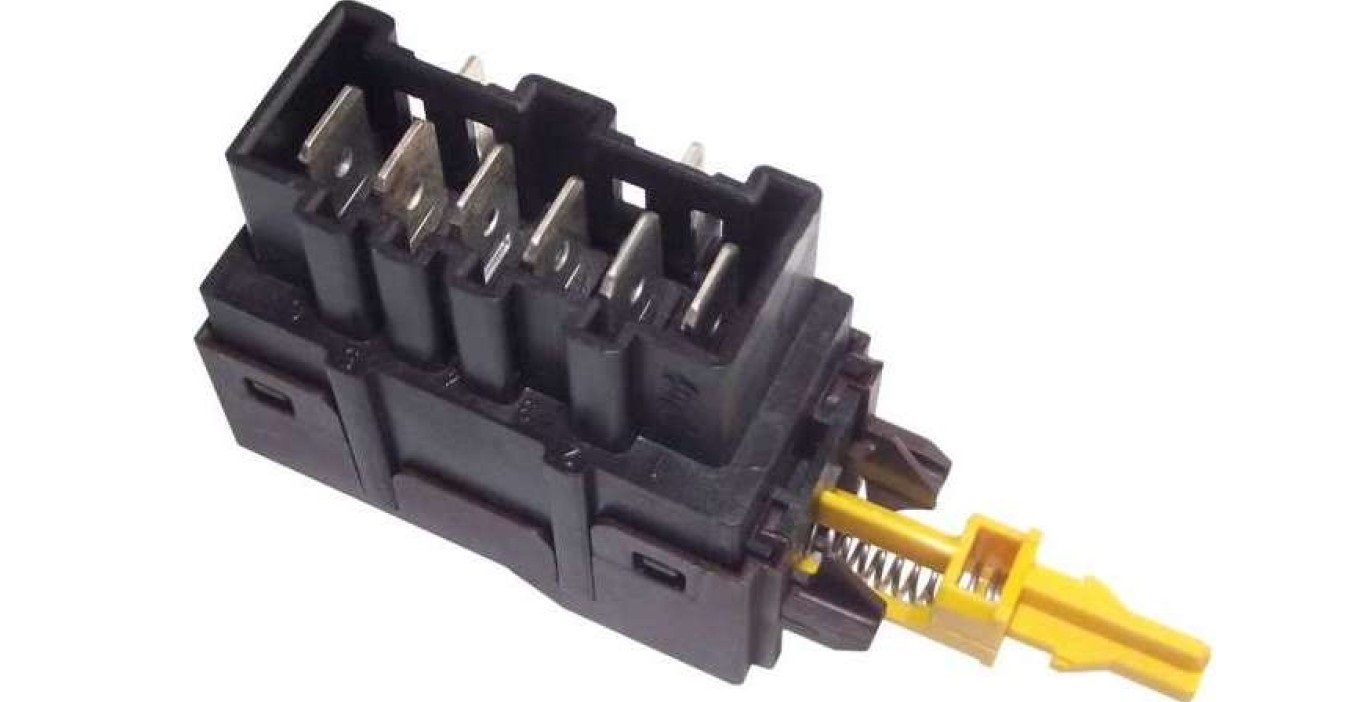
- remove the powder receptacle from the housing;
- unscrew the bolts located around the perimeter of the dashboard;
- carefully detach the dashboard from the body (you don’t need to remove the panel completely, just get to its “insides”);
- switch the multimeter to resistance measurement mode;
- Place the tester probes against the button contacts (each “suspicious” key in turn).
The control panel diagnostics are performed with the machine turned on.
First, check the "Start/Pause" button. It's usually the one that causes problems with turning on the machine. If it's working properly, you should test the other buttons on the dashboard one by one.
If the problem isn't caused by sticking buttons, all that's left to check is the control module. Messing with the washing machine's internals without specialized knowledge and experience is a bad idea; it could only make the situation worse. It's best to leave diagnostics and repairs to professionals.
Interesting:
Readers' comments
Headings
Washing machine repair




For buyers




For users


Dishwasher




Add a comment