
The washing machine does not start and the indicators do not light.
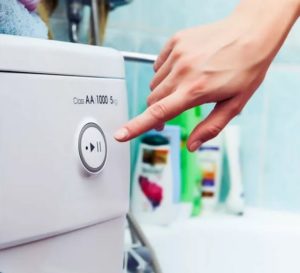 When a washing machine won't turn on and the lights aren't on, many people assume the appliance is seriously damaged and only a qualified technician can fix it. But the problem isn't always that serious. Sometimes it's a simple malfunction that can be fixed yourself. Let's figure out why your washing machine might not start and where to begin troubleshooting.
What could have broken?
At any moment, a washing machine that was working perfectly just yesterday can stop working. In this situation, when you plug the machine into a power outlet and press the power button, nothing happens—the appliance doesn't beep, and the LEDs on the control panel remain dim. This behavior can be caused by the following:
- malfunction of the socket where the network cable is connected;
- damage to the cord plug;
- power outage in a house or apartment;
- failure of the noise suppression filter;
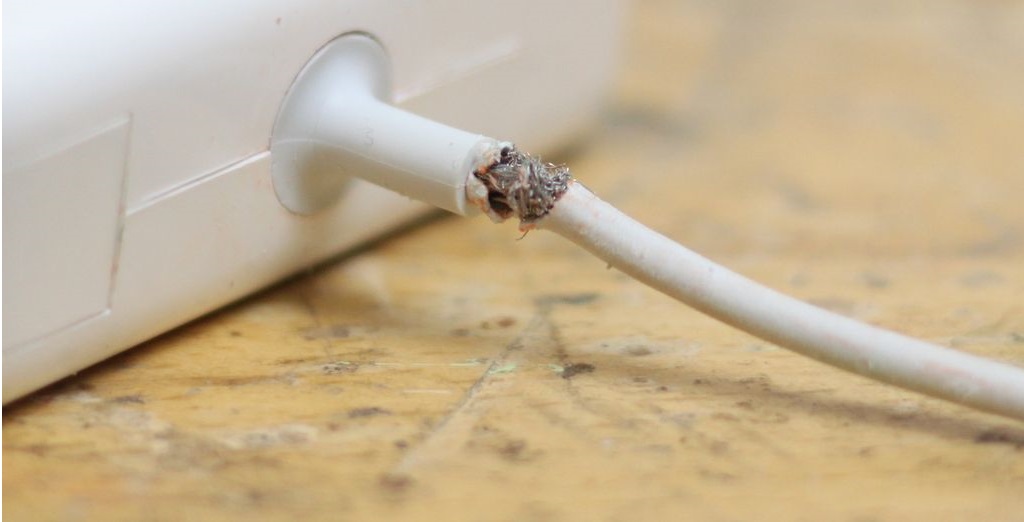
- defective power cord;
- sticking or damage of the "On" button;
- control module malfunction;
- broken wiring inside the washing machine.
Therefore, before calling a technician, you should determine the likely cause of the problem. A burnt-out cord, plug, or damaged surge protector can all be easily replaced yourself. The start button is also easy to fix. Let's figure out where to begin the diagnostic process.
Let's pay attention to electrical communications
A common situation is when the machine won't turn on because there's no power. It often happens that a woman schedules a load of laundry and tries to start the machine, only to find it shows no sign of life. Check if there's power in the apartment—flip the nearest switch. It's possible there's no power in the entire building, or the circuit breakers in your particular circuit breaker have tripped.
Another issue that could cause the malfunction is a faulty outlet. If it's old, the contacts may have burned out. Checking the power point is easy: plug any other electrical appliance into it: a hair dryer, a kettle, or a lamp. If even small appliances don't work, the problem is indeed with the outlet.
What should you do if the power is on and the outlet is working? The problem lies with the washing machine itself. The inspection should be done from the simplest to the most complex. Start by inspecting the power cord and plug. If there's a burning smell or other defects, the components will need to be replaced.
Power surges in the network can cause the washing machine not to turn on and the indicators not to light.
Power surges can cause a power cord to catch fire or damage its plug. The cord is tested with a multimeter. The tester rings all the wires within the insulation.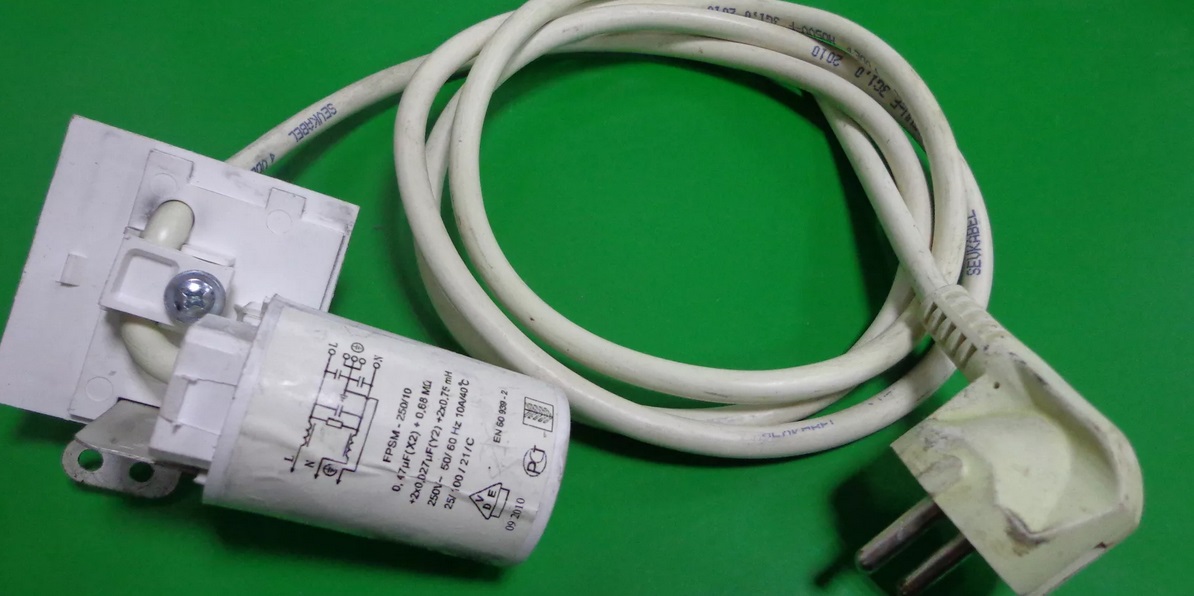
Next in line for inspection is the surge protector. It protects the washing machine from various interferences and bears the brunt of the damage, dampening power surges and protecting the electronic circuits found in modern automatic machines. When the capacitor burns out, power is not supplied to the main modules of the washing machine, so the equipment does not turn on.
You can check and, if necessary, replace your surge protector yourself. Here's the procedure:
- turn off the power to the washing machine, turn off the tap on the water pipe;
- Move the machine away from the wall to access the rear of the housing;
- Unscrew the 2 screws holding the top panel of the washing machine;
- put the machine lid aside;
- Find the noise suppression filter – it is located where the power cord exits the washing machine;
- disconnect the wiring from the capacitor and remove it from the machine;
- set the multimeter to buzzer mode;
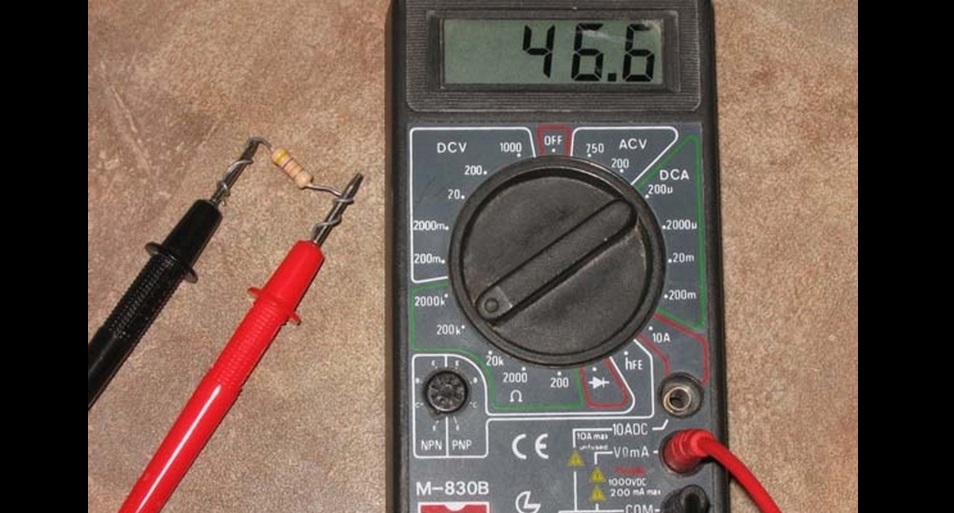
- ring the filter to check for breakdown;
- If there is no breakdown, check the resistance of the FPS.
If the resistance output by the network filter is 0 or 1, it means the part has burned out and needs to be replaced.
To select the correct capacitor, it's best to show the store manager the original, burned-out part. The specialist will then offer you a complete replacement. If this isn't possible, tell the salesperson the model and serial number of your washing machine. Installing a new filter is very simple: just bolt it into place and reconnect the wiring you removed earlier. Next, reassemble the housing and test the machine. If the capacitor was faulty, the washing machine should work again after the replacement.
The power button is not responding
Sometimes the washing machine won't turn on because the power button is damaged or stuck. Often, the contacts simply oxidize, causing it to stop responding. This assumption is checked immediately after diagnosing the power cord and interference filter.
To remove the button, you'll need to remove the machine's housing. Next, unplug the wires from the button. It's a good idea to take a photo of the wiring diagram—this will help when reinstalling the part. Then, pry up the retaining clips and pull out the button.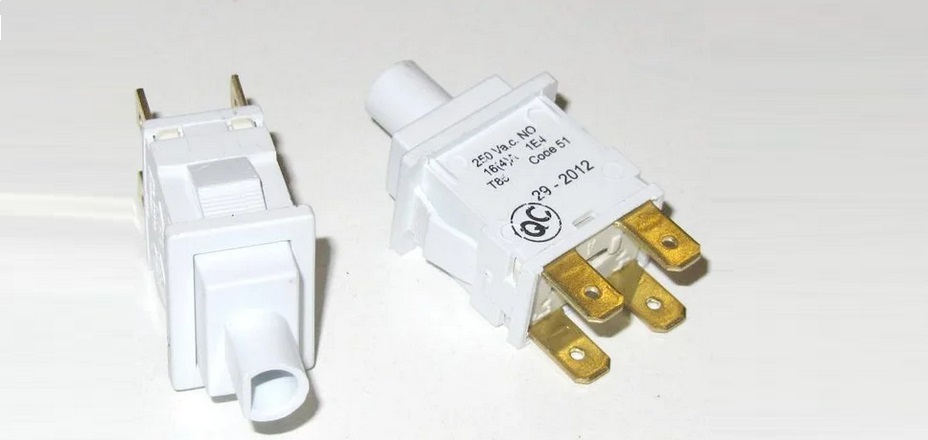
First, test the removed button with a multimeter. Then, check its resistance. If a problem is identified, the part will need to be replaced. Sometimes the problem can be solved by cleaning the contacts, so technicians recommend trying this. Even if the button doesn't ring after this, it will need to be replaced.
The microcircuit burned out
The reason why the washing machine does not turn on may be a damaged microcircuit on the control board. The electronic module of an automatic machine consists of many semiconductors, and it will be difficult for a non-specialist to determine which element has failed. Therefore, it is better to entrust the diagnostics of the microprocessor to a specialist.
Sometimes the control board shows visible signs of damage, so you can inspect it yourself. To do this:
- de-energize the machine;
- pull out the powder receptacle;
- unscrew the screws holding the control panel;
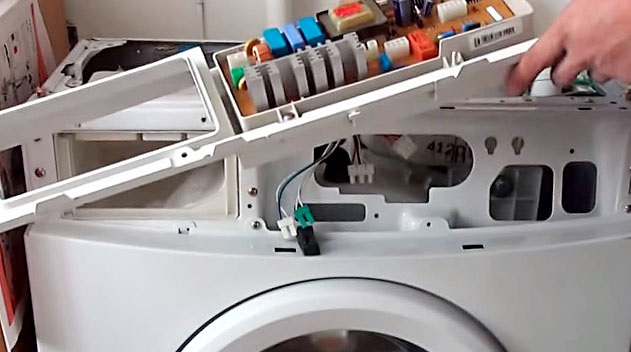
- remove the dashboard;
- deal with the latches and disassemble the panel;
- remove the control board.
When disassembling the dashboard, try not to touch the wires to avoid accidentally breaking them.
Once disassembly is complete, inspect the control board. If there is no visible damage, there are likely hidden defects that only a specialist can detect. It's best to send the module to a service center for diagnostics and subsequent repair.
Interesting:


Readers' comments
Headings
Washing machine repair




For buyers




For users


Dishwasher




Add a comment