
What to do if the washing machine stops with water?
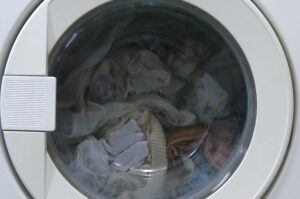 What should you do if your washing machine stops with water in it and refuses to continue its cycle? First, turn off your "home helper" using the button, then unplug the power cord. Let the machine sit unplugged for 20-30 minutes, then try again to activate it and start the wash cycle. This procedure works in half the cases, but if it doesn't, you'll need to investigate the cause of the malfunction.
What happened to the technology?
Typically, if an automatic machine freezes in the middle of a cycle and refuses to work, an error message will appear on its screen after 5-10 minutes. By decoding the fault code, you can narrow down the range of possible problems. Washing machines without a display notify about a breakdown by flickering LEDs on the dashboard.
When the machine simply refuses to function and doesn't display an error, you have to troubleshoot the problem yourself, eliminating possible causes. Typical causes of a washing machine freezing include:
- overload or imbalance of the drum (that is why it is so important not to exceed the maximum permissible load weight and to distribute the laundry evenly in the machine);
- activation of the leak protection sensor;
- clogging of the filter element, drain hose or branch pipe;
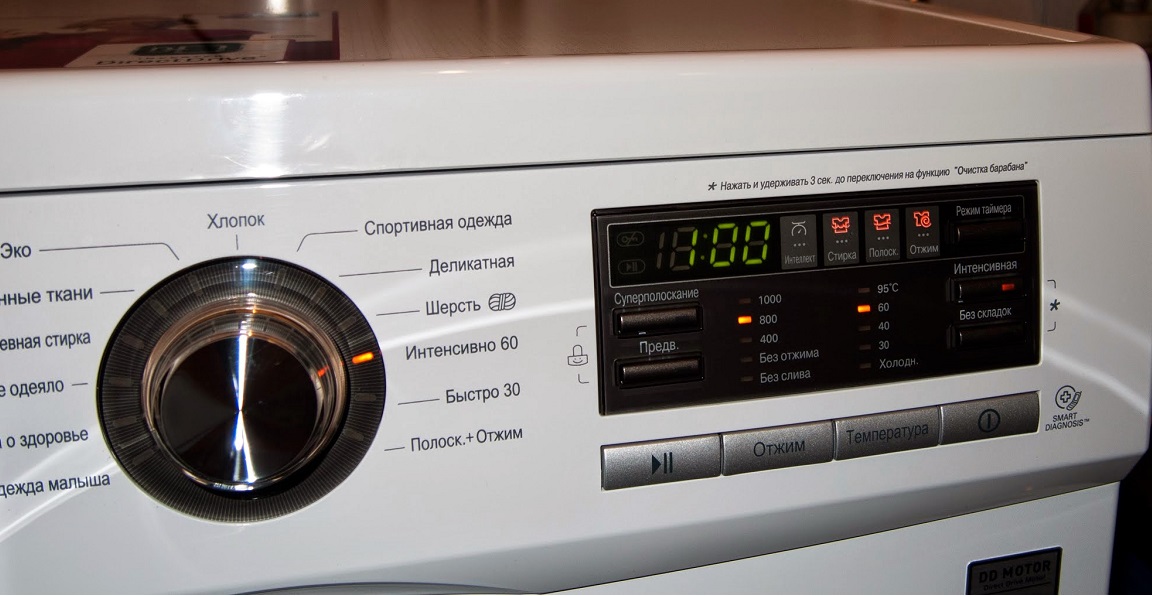
- depressurization of the system (if the hatch is accidentally unlocked);
- incorrectly selected washing mode (this reason is typical for the newest and smartest models that can determine the type of fabric loaded into the drum);
- failure of the main electronic module;
- problems with the wiring (this could be damage to the wires, loose terminals and sensors);
- failure of individual units and parts (motor, heating element, drain pump, etc.).
Furthermore, if the washing machine fills with water and stops, there may be a problem with the inlet solenoid valve. When the drain system is clogged, the machine simply won't be able to drain the liquid and start the rinse cycle, so it'll remain stuck with a full tank. Let's figure out what to do to get your "home helper" back in working order.
Too much laundry or a blockage
Quite often, modern automatic washing machines freeze due to improper loading of items into the drum. While exceeding the maximum permissible weight isn't always the cause, sometimes the problem lies in:
- incorrect placement of clothes in the machine (when items become bunched up and cause imbalance);
- unsorted laundry (ultra-modern machines, capable of identifying the type of fabric and selecting the appropriate program, will not start washing cotton and wool thrown into the drum at the same time).
Before using your new washing machine, be sure to read the user manual. The instructions specify the maximum amount of laundry allowed in the drum when selecting certain programs. For example, when starting a quick cycle, only a half load is allowed, etc. If the washing machine is equipped with an automatic weighing sensor, the wash will not start at all if the load is overloaded.
If the washing machine is rated for 6 kg of laundry, but 7 kg of laundry is crammed inside, it is likely that the washing machine will not be able to handle the increased load and will freeze.
The washing machine can get stuck with a full tank of water if the clothes are unevenly loaded. A good example would be if you put a duvet cover and a couple of T-shirts in the machine. The small items will become tangled, forming a tight ball. The twisted items will interfere with the centrifugal force generated by the spinning "centrifuge." The intelligence will detect the drum imbalance, the protection system will be activated and the program will stop. Equipment jamming can be caused by a simple blockage. Debris accumulates in the following places: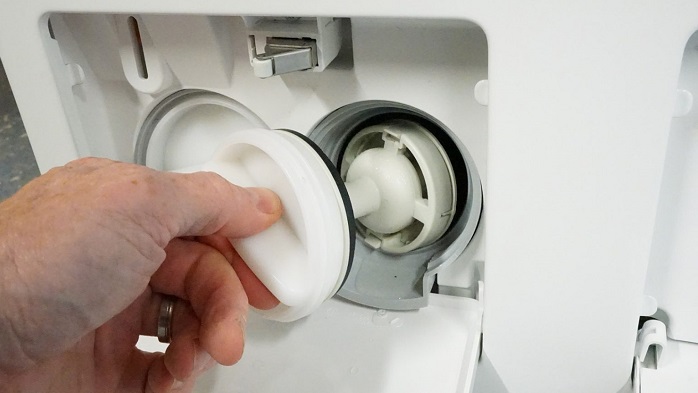
- drain corrugation;
- pump;
- sewer riser;
- drain filter;
- various pipes, etc.
When troubleshooting a washing machine, start with the simplest and work your way up. First, check the drain filter. It's located at the front, in the lower right corner. The waste bin is hidden behind a small access hatch or false panel. Before removing the filter, line the floor around the machine with rags and drain the water using the emergency hose. This is also located underneath, next to the waste bin. After emptying the machine, remove the filter element, rinse it in warm water, and wipe the sides of the opening with a damp cloth. You may find clumps of hair, threads, or lint inside—all debris should be removed from the machine.
If the cause is a clogged sewer pipe, water will drain poorly not only from the machine but also from the plumbing fixtures. You can clean the pipe with household chemicals, such as "Mole" or "Tirret." If specialized solutions don't help, you'll need professional help.
If the washing machine has filled with water, completed the main wash cycle without issue, but is stuck in the rinse cycle, check the drain hose. Unhook the hose from the washer, disconnect it from the trap, and rinse it under running water. If there's a blockage, you can clear it with a long metal wire.
The machine may also freeze with a full tank of water if the pump is clogged. The pump simply won't remove the waste water and discharge it into the drain, so the cycle will be interrupted. Cleaning the element without understanding its structure is difficult, so it's best to leave the job to a professional.
The engine, drain pump or heating element are to blame.
What if the machine's freezing isn't caused by a clog? Then you'll need to check the appliance's main components. The washing machine may stop during operation due to a burnt-out pump, a faulty heating element, or a damaged motor. When any important element breaks down, the unit simply stops functioning and notifies the user of the error.
If your washing machine displays an incomprehensible code, consult the manual. Each error is described there. Identifying the cause of the freeze will help determine the next steps for repairs.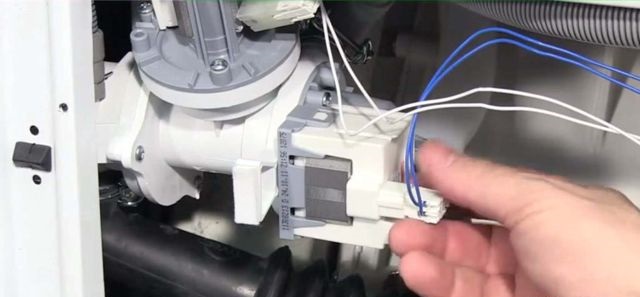
If your washing machine indicates motor problems, be prepared for a costly repair or replacement. In some cases, repairing an old "home helper" is much more expensive than purchasing a new one.
If your washing machine indicates a heating element problem, you can repair it yourself. You'll need to purchase a similar heating element suitable for your specific machine and install it in place of the old element. This involves removing the cover and the back panel of the housing, disconnecting all wiring from the element, and loosening the mounting nut.
It is not practical to repair a burnt-out drain pump; you will need to purchase and install a new one.
Replacing a pump is sometimes more difficult than replacing a heating element. You'll need to remove the drain filter, drain any remaining water from the system, lay the washing machine on its side, and disconnect all pipes and wires from the pump through the bottom. Next, remove the retaining screws and remove the element from the housing. Installing the new element is done in reverse order.
There can be many reasons why a washing machine has flooded and frozen at some point in the cycle. The machine will usually assist the user by displaying an error code, narrowing down the possible causes. If the diagnostic system doesn't detect a malfunction, you'll have to troubleshoot the problem yourself, working from the simplest to the most complex.
Interesting:


Readers' comments
Headings
Washing machine repair




For buyers




For users


Dishwasher




Add a comment