
How to clean a washing machine from odor using citric acid?
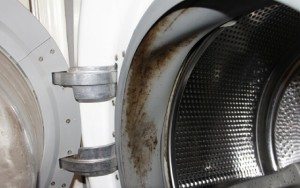
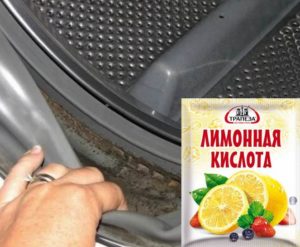 Household appliances can smell bad due to a fire or accumulated dirt. If the smell coming from the washing machine isn't a burning smell, the problem is sewage. The only solution is to perform an unscheduled "cleaning" of the machine to remove mold, dirt, and soap scum. Manufacturers recommend purchasing a professional cleaner, while homeowners recommend deodorizing the washing machine with citric acid. The latter option is cheaper, simpler, and just as effective.
How to clean with lemon juice?
Using citric acid, removing unpleasant odors is effortless and time-saving. All you need is a soft, dry cloth and 60-150 g of powder. The final dosage depends on the capacity of the washing machine: if the drum is designed for 4 kg of laundry, then 60 g will be enough, if the maximum load is larger, then 100-150 g.
The cleaning process is as follows:
- empty the drum of clothes (forgotten clothes will become discolored due to the lemon juice);
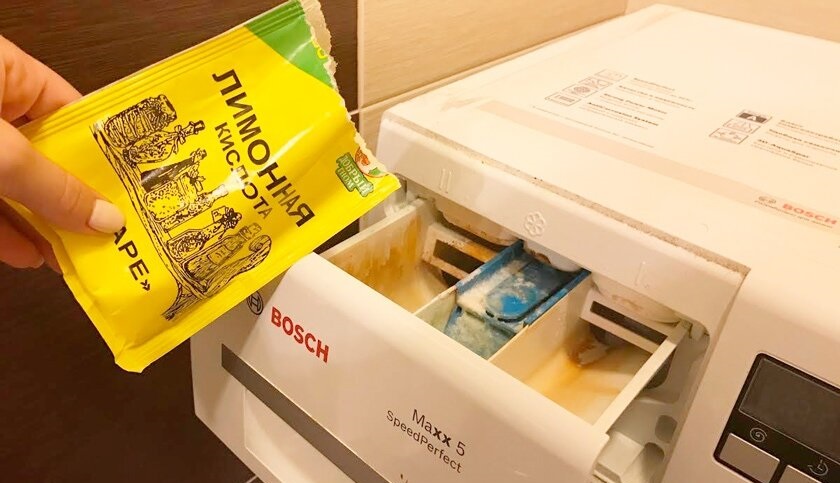
- pour citric acid into the detergent drawer (select the compartment for the main wash);
Citric acid can be added either to the powder dispenser or directly to the drum!
- turn on a long high-temperature mode (if the machine is cleaned regularly, then 60 degrees will be enough, with a thick layer of scale and a strong odor - at least 90);
- deactivate the spin cycle or set it to the minimum position;
- close the drum with the tray and start the cycle;
- at the end of the program, wipe the hatch cuff, removing any stuck pieces of scale from the folds;
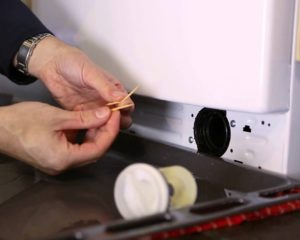
- unscrew the debris filter and clean it from debris and scale;
- Wipe the drum, tray and body of the machine dry.
The effectiveness of the procedure can be assessed as early as halfway through the program. If you hear creaking sounds while the drum is spinning and pieces of scale are floating in the water, the scale dissolution process has begun. In some cases, citric acid only begins to work after the 2nd or 3rd cycle.
Experts recommend cleaning your washing machine with lemon juice no more than three times a year. If your tap water is very hard and dirty, you can repeat the procedure every 30 washes. Ideally, one lemon cycle every six months is enough to maintain your washing machine's cleanliness.
Why is it so important to get to the bottom of the problem?
One cycle with citric acid is enough to eliminate the bad smell from the machine. However, acid will only remove the unpleasant odor from the machine if it is caused by plaque and mold. However, when the strange smell is not due to accumulated dirt, but to sewage entering the drum, detergent is useless. Cleaning will only have a short-term effect, and the drainage problem will have to be addressed first.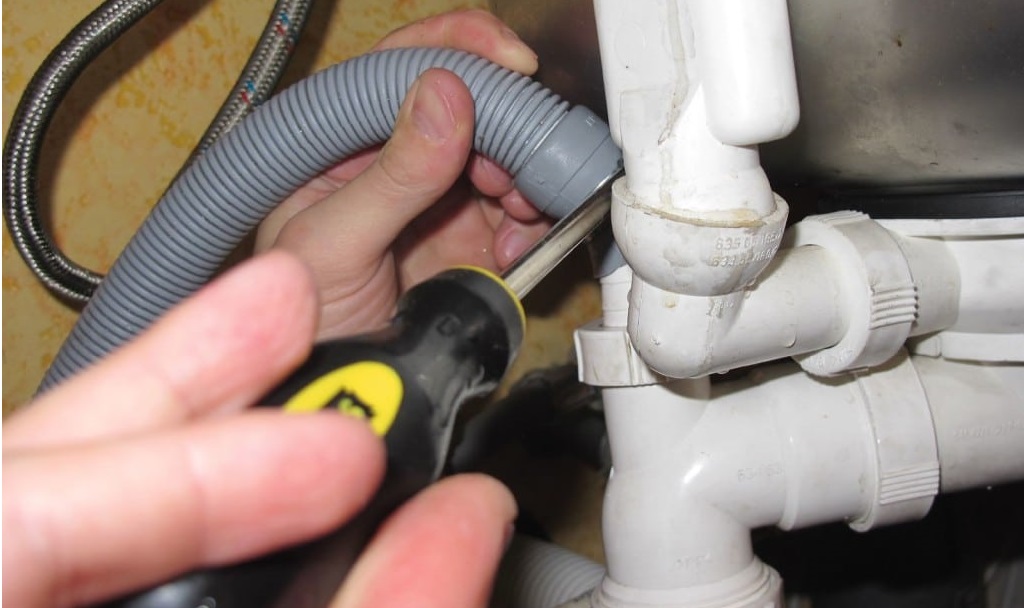
It's simple: the drain hose is connected to the washing machine incorrectly, causing a pressure difference known as the "siphon effect" when water is drawn in and pumped out. This causes the machine to "suck" liquid from the outside, sucking in dirt from the drain. The only solution is to reconnect the drain according to the instructions.
If the drain is fine but the smell is still there, there's another underlying problem. Diagnosing the problem will require disassembling the washing machine and checking all possible causes one by one. It's best to avoid experimenting and instead consult a professional.
Can lemon juice break a car?
The effectiveness of citric acid against mold, scale and unpleasant odors is beyond doubt. Alkali is excellent at dissolving mineral deposits and killing bacteria, eliminating foul-smelling fumes. But many are interested in a logical question: does this product harm the machine itself, which has many easily damaged parts - pipes, seals and cuffs.
The washing machine should not be turned on to a high temperature setting several times in a row.
Experts say the risks are minimal. The main thing is to strictly follow the instructions and not exceed the recommended dosage. Adding too much acid and running a high-temperature cycle can indeed damage the machine. Excessive amounts of acidic essence will damage the seals and hoses, causing scale to come off along with the rubber seal. However, the problem isn't the citric acid itself, but rather the heat: running several cycles in a row at maximum power can cause the heating element to overheat. The seal can also become deformed in hot water, putting the bearing assembly at risk.
The likelihood of a negative outcome is low, so most housewives prefer "lemon" cleaning. It's the cheapest and most readily available highly effective cleaner. Its safety is also appealing: citric acid has no pungent odor, rinses out easily, and doesn't cause allergic reactions.
Interesting:


Readers' comments
Headings
Washing machine repair




For buyers




For users


Dishwasher




Add a comment