
The washing machine turned off during washing and will not turn on again.
 Sometimes, after starting a cycle, housewives discover that the machine has stopped working without finishing the laundry. Attempts to restart the machine are unsuccessful. What should you do if your washing machine shuts off during a wash cycle and won't turn on? What parts should you check first?
What happened to the technology?
Even someone with no experience in washing machine repair can see that the machine won't turn on because it's lost power. The washing machine won't function without electricity. Therefore, you'll need to pay close attention to all the components that power the machine.
If the washing machine doesn't turn on, you'll need to check the external electrical system and internal wiring. Start your search with the obvious. First, check:
- Is there electricity in the apartment and directly in the room where the washing machine is located?
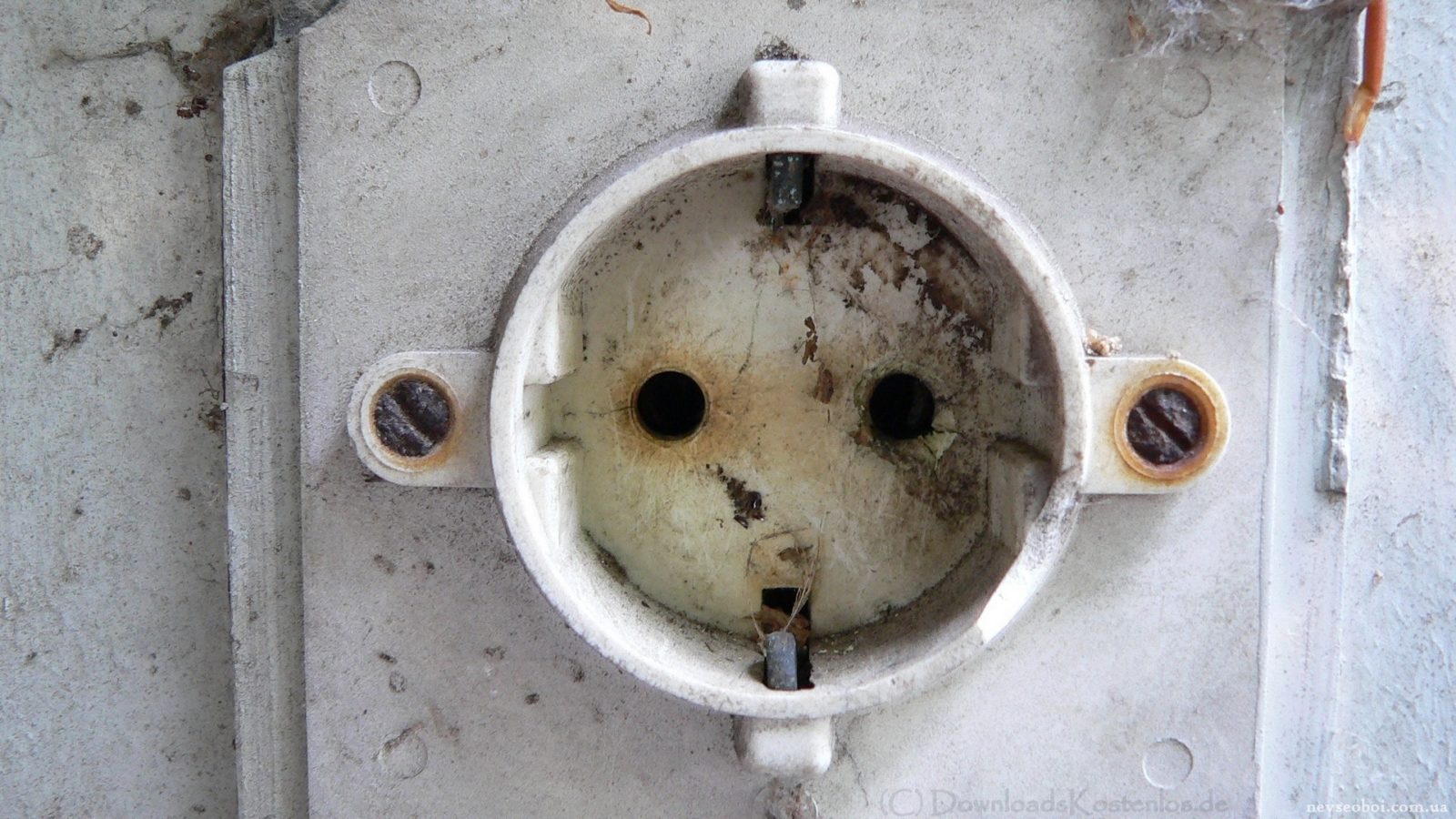
- Is the socket used to connect the washing machine in good working order?
- Is the power cord damaged or are there any defects on its plug?
These are the simplest problems and are easily resolved. Other, more serious causes are also possible. The machine may not turn on due to damage or sticking of the power button, breakdown of the electronic module, or malfunction of the interference suppression filter. To identify the “weak spot”, you will have to check the specified parts one by one.
Electrical communications
Often, the machine won't turn on because there's no power to the room. So, first, flip the nearest switch and check if the lights are working. Also, check the electrical panel—there may be a tripped fuse.
Sometimes a washing machine won't turn on due to a power surge, especially if the voltage in your home is low. Therefore, try disconnecting other high-power electrical appliances and restarting the washing machine. It's also possible that the residual current device (RCD) has tripped, and now you'll need to fix the fault in the electrical system to restore the appliance to working order.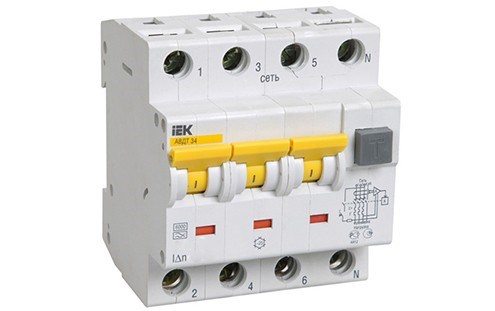
Next, inspect the outlet. Check for melted plastic or a burning smell. If these signs are present, the contacts are likely burnt out. If you don't see any visible damage, try connecting a hair dryer or kettle to the power source. If the appliances work, the outlet is fine.
If you notice that the plastic housing of the outlet has melted or if you smell a burning smell coming from it, turn off the power supply to the room at the panel and call an electrician.
There are a number of reasons why a socket can melt. The most common are a short circuit, a poor connection, or connecting an appliance that draws too much power. If you have electrical skills, you can replace the socket yourself. It's best to use ceramic-based appliances, as they're more reliable than plastic ones.
Let's look at the noise filter
If there's light in the room and the outlet is working, then the problem lies with the washing machine itself. The check progresses from the simple to the complex. First, inspect the power cord and plug, as well as the interference filter. These components are interconnected, so they are checked together.
The order of dismantling the elements will be as follows:
- de-energize the washing machine;
- close the shut-off valve on the water pipe;
- Move the unit away from the wall to access the rear of the housing;
- unscrew a couple of screws securing the top cover of the machine;
- find the interference filter (it is located where the power cord is connected, usually on the left, closer to the back wall);
- loosen the clamp that secures the power cord;
- Remove the noise suppression filter and the cord itself.
Inspect the wire plug for damage. If everything appears normal, check the cord with a multimeter. First, set the device to resistance mode and connect its probes. If the display shows zero, the tester is working properly and can be used for diagnostics.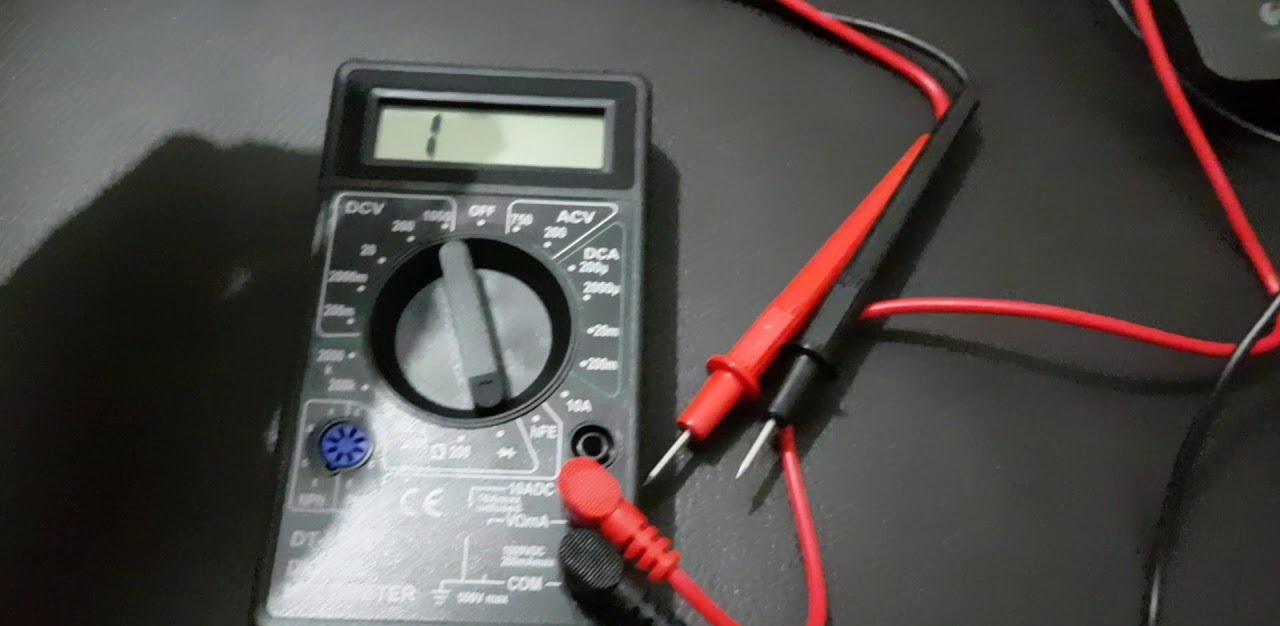
Then set the multimeter to buzzer mode and test each wire. If there's continuity between the test sections, the device will beep. Silence is a clear sign that the cable is faulty.
Do not test a live wire; make sure it is de-energized before testing.
What to do if you find a problem? There is no need to repair the wire of the automatic washing machine with improvised means - use a twist or rewind it with electrical tape. It's much safer to buy and connect a new cord. Otherwise, it's possible the break or short circuit will reoccur soon.
Next up is the surge protector. The multimeter probes, set to buzzer mode, are connected to the capacitor's contacts. If all is well, the resistance is measured immediately. When the tester's display shows 0 or 1, the device will need to be replaced. To replace it, purchase a surge protector identical to the one you removed.
Interesting:


3 reader comments
Add a comment
Headings
Washing machine repair




For buyers




For users


Dishwasher




I'm just asking, just in case. The guy who installed it said not to open the door under any circumstances. What if there's no power?
Thank you very much, it helped, the problem turned out to be in the socket.
I'm so glad I came across your article! The washing machine just stopped mid-cycle... I finished washing everything by hand and called a repairman. Then I read your article and immediately checked the outlet—it didn't work!!! The washing machine is fine, though. 🙂