
Overheating of water in the washing machine
 Sometimes users may encounter a washing machine that overheats the water. This is an extremely unpleasant situation. Firstly, it can damage items – woolen items will shrink, and colored items will fade if the temperature isn't maintained. Secondly, it can damage the heating element – it works under increased load, quickly failing. Thirdly, the machine begins to consume more electricity. Let's figure out how to deal with this problem.
How does the breakdown manifest itself?
It's not easy to tell if your washing machine is overheating. Typically, users recognize this problem through indirect signs. For example, if your laundry starts to fade when running a delicates cycle, it's likely the heating element is malfunctioning.
You should also blame overheating if a sweater washed on the "Wool" cycle at 30°C suddenly shrinks several sizes and now fits better on a child. Of course, sometimes the problem is much more obvious. For example, a washing machine may "boil over." The body and door become extremely hot, and steam is coming out from under the top lid.
Of course, most often, the machine doesn't boil the laundry, but rather errs by 10-30°C, but even such a temperature increase can be fatal for some items. If it overheats, you'll have to forget about washing wool, silk, and other delicate fabrics. What should a user do if they notice their machine isn't working properly?
If you notice that the machine is overheating, immediately turn off the power to the equipment.
If your washing machine has finished its cycle and you only find out about the error after the fact due to damaged items, simply unplug the power cord from the outlet. If you notice that the machine is emitting heat during the washing process, be sure to interrupt the program that is running. Pause and try to start the "Drain" mode, then turn off the power to the device.
Due to overheating, the washing machine's control module may not respond to commands, preventing the drain from starting. In this case, simply unplug the power cord. The drum contains several dozen liters of hot water, so it will take 4-5 hours for it to cool. After this time, you'll need to manually drain the water from the drum through the waste filter, then open the door and remove the laundry.
Once the washing machine is unloaded, we can begin diagnostics and identify the cause of the problem. We'll look at what can cause overheating and how to address this issue.
What could have gone wrong?
To identify which system element is causing the problem, it's important to understand how the water in the washing machine is heated. It's important to understand which components and sensors are involved. So, what's going on inside the machine?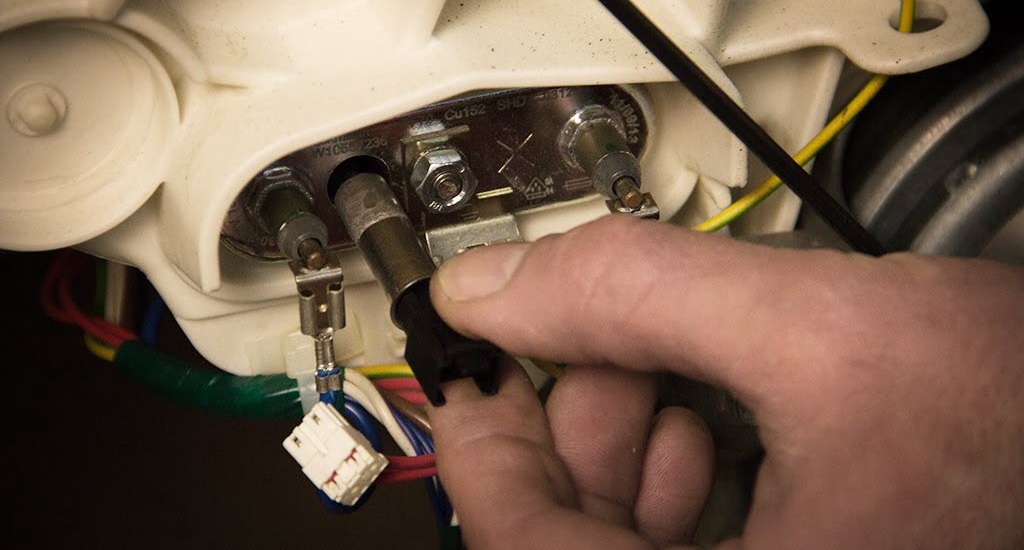
- After starting the washing mode, the control module sends a signal to the heating element, thus giving the command to what temperature the water in the tank should be brought.
- The thermostat monitors the heating temperature, and as soon as the desired temperature is reached, the sensor notifies the machine’s “brain”.
- The control module gives a command to the heating element that it is time to stop heating.
Overheating of water in the washing machine can be caused by a faulty heating element, temperature sensor, or control module.
For example, a washing machine may not boil water if the heating element, thermistor, or the main electronic module is faulty. A burnt-out wiring is rarely the cause of a washing machine malfunction. Let's figure out where to begin troubleshooting.
Troubleshooting
You can perform the diagnostics yourself, at home. To check the washing machine you will need a multimeter, a screwdriver and pliers. It is recommended to start with inspecting the heating element and thermostat.
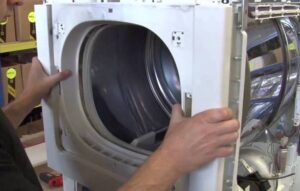
Be sure to read your washing machine's manual—it will help you determine which side the heating element is located on. Typically, the heating element is located at the back, under the drum, but on some washing machines, it may be located at the front. Most often, the heating element and thermistor are located at the rear. To access them, follow these steps:
- de-energize the machine;
- close the shut-off valve;
- detach the inlet hose and drain sleeve from the body;
- remove the top cover by unscrewing a pair of bolts holding it;
- remove the back wall of the case (removing the screws that secure it);
- take a photo of the connection diagram of the connectors to the heating element, reset the wiring;
- inspect the wires and contacts for damage.
If the insulation of the wires is damaged or they are burnt, the operation of the heating element may not be controlled by the control module.
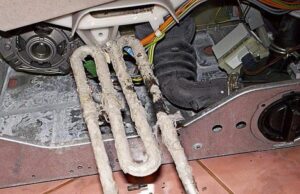
Next, you need to test the tubular heater with a multimeter. Set the tester to ohmmeter mode and place its probes on the element's contacts. If the display shows a value of approximately 20 ohms, the heating element is working properly. A reading of zero indicates an internal short circuit, while a reading of one or a number approaching infinity indicates an open circuit.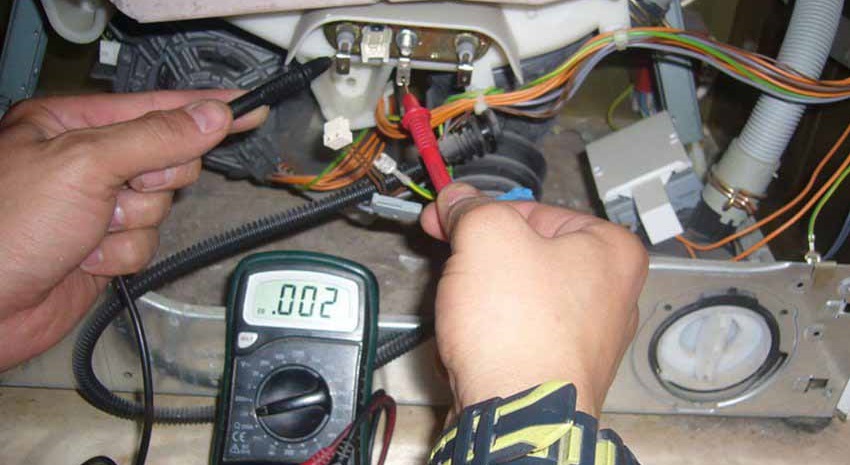
The thermostat is also tested with a multimeter. The probes are placed against the sensor contacts, and the resistance is measured across the temperature difference. At 20°C, the device's screen should display 6000 ohms. After immersing the thermistor in hot water (approximately 50°C), the reading should drop to 1350 ohms.
If faulty components are detected, they will need to be replaced. Loosen the central nut securing the heater and press the screw inward. Then remove the heating element from its housing and pull out the temperature sensor. Install the new components in reverse order.
The most difficult situation occurs when overheating is caused by a faulty control board. If the "brain" doesn't signal the heating element to shut off, it will continue to boil water. When the control module incorrectly interprets the data transmitted by the thermistor, a temperature increase of 10-30°C can be observed. The problem can be solved by reflashing or replacing the main electronic unit.
It's best to entrust the repair of the control module to a specialist; you shouldn't try to tinker with the car's electronics yourself without the necessary knowledge and experience.
You can only confirm your suspicions by inspecting the module yourself. To do this, you'll need to power off the machine, remove the top cover, pull out the powder compartment, and remove the control panel along with the unit. Check for burn marks on the circuit board. If you find any defects, don't attempt any DIY repairs. It's best to call a professional immediately.
Interesting:
Readers' comments
Headings
Washing machine repair




For buyers




For users


Dishwasher




Add a comment