
The water in the semi-automatic washing machine does not drain.
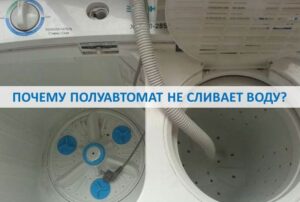 Semi-automatic washing machines remain popular among Russians. There are many reasons for this: from their low cost and simple design to their relative reliability and long service life. Semi-automatic machines are especially popular among summer residents, making everyday life easier without unnecessary expense. However, even these machines can sometimes cause problems over time—they stop draining the tank. We'll explore why a semi-automatic washing machine won't drain and how to restore drainage.
Reasons for no drainage
Semi-automatic washing machines are distinguished by their simple design, including a "lightweight" drainage system. Three components are responsible for drainage: the drain valve, the hose, and the pump. If water doesn't drain from the washing machine's drum, one of the following problems has occurred:
- the drain hose is clogged;
- the drain pump is clogged;

- the impeller is broken or blocked.
The semi-automatic washing machine stops draining due to a clogged drain hose or pump.
Water often accumulates in a semi-automatic washer for reasons unrelated to a malfunction. For example, drainage becomes difficult if laundry or another foreign object gets caught in the outlet from the centrifuge. Often, the problem is even more trivial: the drain hose is pinched or kinked. It's difficult to immediately identify the cause of the malfunction; it's necessary to check all possible faults one by one. It's best to start by checking the drain hose, which often gets pinched or clogged. Afterwards, we pay attention to the pump and impeller.
How to fix the problem?
Typically, a clogged drain stops draining, especially if the machine has been in use for a long time and a thorough cleaning of the drain hasn't been performed in a while. In this case, diagnostics begin with an inspection of the drain hose and valve. Calling a service technician isn't necessary—you can handle the problem yourself at home.
First, disconnect the unit from all utilities—electricity, sewer, and water. It's best to place the drain hose in a basin to monitor the situation. Next, turn the unit over and begin the inspection:
- we inspect and feel the drain hose (to check for any pinching or blockage);
- we find the hatch on the back panel and unscrew the three screws holding it;
- we pry up the hatch and put it aside;
- pay attention to the drain valve - a “stump” on the drain hose;
- remove the valve by unscrewing the cap counterclockwise.
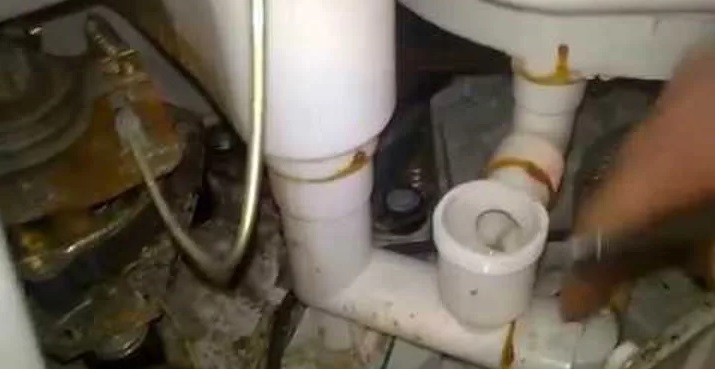
The cap is difficult to unscrew the first time. During use, the part becomes suction-bonded and adheres to the pipe, making it difficult to remove. However, with sufficient force and WD-40, the element can be released. This frees access to the drain—the "sleeve" where debris often accumulates, clogging the passage and making it difficult to pump out water.
It is recommended to clean the washing machine every 3-4 months by running a cleaning cycle!
The next step is cleaning, for which you will need a thick wire bent into a hook. The procedure is simple: insert a homemade “brush” into the hose, breaking through the blockage and pulling it out. You don't need to remove all the dirt; the main thing is to loosen the stuck-on slag. Afterwards, replace the lid and tighten it tightly. Next, fill the semi-automatic tank and run the drain program several times. This will release air from the pipes, clear the drain, and ensure proper water drainage. Still not successful? Then check the pump.
Interesting:

1 reader comment
Add a comment
Headings
Washing machine repair




For buyers




For users


Dishwasher




Thank you, we had a hard time finding a video about a semiautomatic. We'll try cleaning it.