Why does my washing machine constantly drain water?
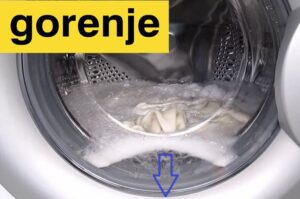
If your washing machine is constantly draining water, you won't be able to wash your clothes. The machine won't even start a cycle—all the water drawn from the water supply will be pumped straight into the sewer. This kind of behavior isn't good for your washing machine: your laundry stays dirty, your detergent is wasted, and your drain pump wears out. Ignoring this constant draining isn't an option, as it can damage your washing machine. It's best to figure out why the pump is running nonstop and how to fix the problem.
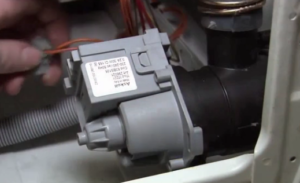
Is the pump broken?
A continuous intake of water followed by a drain is a worrying symptom. However, the pump itself is unlikely to be the issue; on the contrary, it is working properly, pumping excess liquid out of the tank. More often, other problems with the drainage and filling systems lead to “uncontrolled circulation”. The following faults are involved:
incorrect connection of the washing machine to the sewer;
blockage or sudden drop in pressure in the public sewer system;
breakdown of the inlet valve;
failure of the pressure switch;
control module failure.
Continuous pumping of water from the tank indicates problems with the control board, filling or drain system.
If your machine stops retaining water, don't delay inspection and repair. Continuing to use the washing machine is pointless, costly, and dangerous. First, your laundry won't be washed properly. Second, your utility bills will rise significantly, and the machine will be overworked, potentially causing damage to key components. Third, there's a risk of flooding, with all the consequences. It's best to avoid risks and immediately begin investigating the cause of the malfunction.
Faults in connection to the drain pipe
To identify the source of the problem, it's necessary to check all possible issues sequentially, moving from the simple to the complex. The drain hose is the first to be checked. It often causes self-draining due to improper connection or careless operation. The hose's condition is assessed by inspection or a test wash.
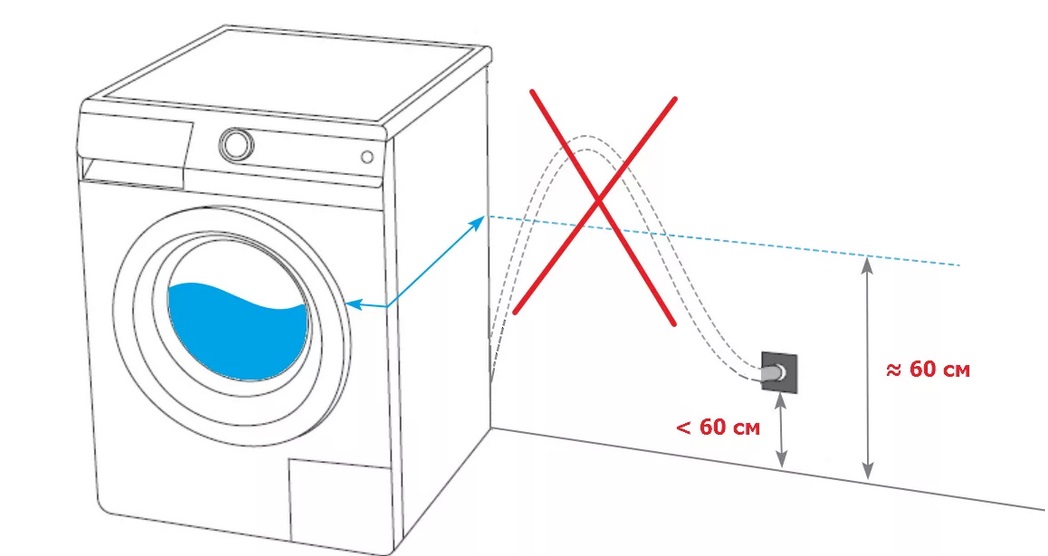
Visual inspection. According to the instructions, the drain hose should be positioned above the bottom of the washing machine's drum. Typically, this is 50-80 cm from the floor. If the hose is positioned too low, the liquid will flow down the drain without being retained in the machine. As a result, the drum won't have time to fill, the pressure switch will detect insufficient water, and won't signal the circuit board to stop the filling. This "cycle" can continue indefinitely.
The drain hose must be fixed at a height of 50-80 cm from the floor level, otherwise the tank will empty spontaneously.
Test wash. If it's difficult to visually assess the hose's height, it's recommended to run a test cycle. If the hose starts draining immediately after filling, the problem is with the hose. Turn the appliance over and adjust the hose.
The drain hose is adjusted using a plastic loop. It's included with the washing machine and attaches to the body at a specific location. After that, all that's left to do is thread the corrugated hose through it. Is the drain hose connected correctly? Then let's continue the diagnostics.
The sewerage system is not functioning
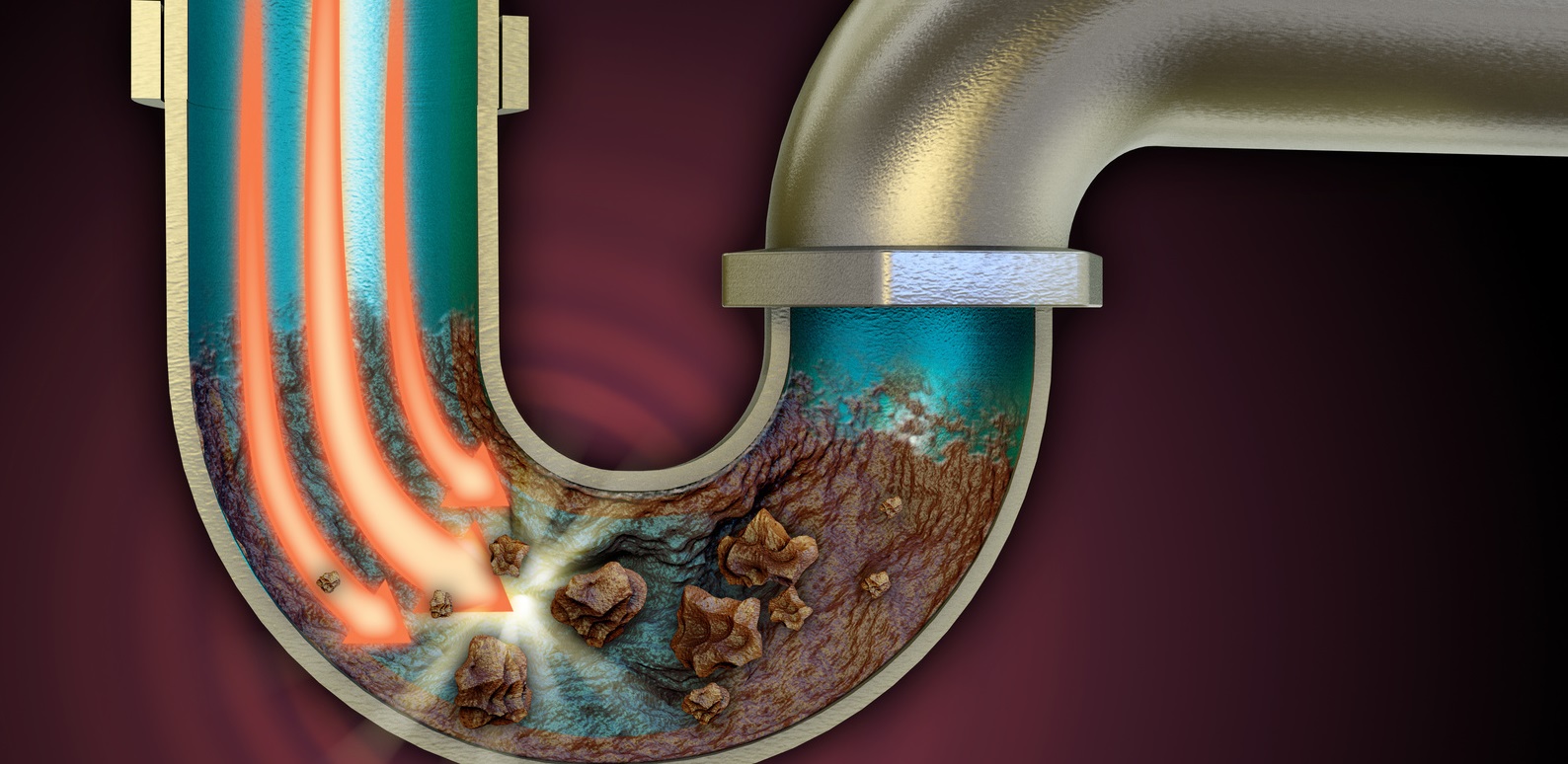
Sometimes the problem lies with the central sewer system. More specifically, a clog occurs or the pressure drops sharply. The latter occurs when several residents simultaneously flush the drain. The drain overflows, the pressure drops, and liquid from the washing machine's tank is forced into the main drain. As a result, the machine empties prematurely.
You can check for sewer involvement with a simple test. Here's what to do:
open any other tap in the apartment;
evaluate the drainage of collected water (there will be delays in drainage in all rooms).
If you're having problems with your drainage system, you'll need to clean the drain. You can do this yourself by pouring special cleaning solutions down the drain, or you can hire a plumber. Either way, you'll have to wait—the process can take a long time. To continue washing while it's running, simply detach the inlet hose from the pipe and lower it into the sink or toilet. The main thing is to thoroughly clean the plumbing afterwards from soap scum and dirt.
The sensor cannot detect the water level.
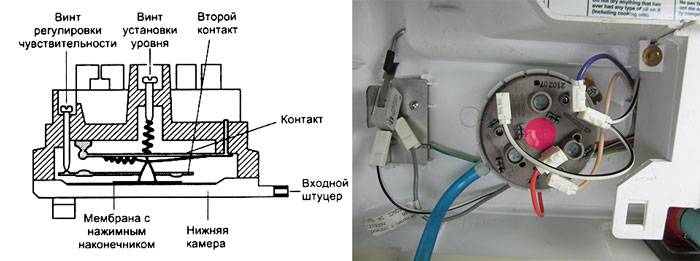
The pressure switch is often the cause of unexpected draining. It's responsible for filling the tank, signaling the control module when the set volume is reached and stopping the filling. If it malfunctions, the sensor malfunctions and doesn't detect the maximum level. This triggers the washing machine's safety system, initiating an emergency self-drain. This protects the machine from leaks. The pressure switch can fail for the following reasons:
oxidation of contacts;
short circuit in the connected wires;
breach of the housing's tightness;
damage or blockage of the pressure hose.
First, check the pressure switch for proper operation and integrity. Disconnect the power to the unit, unscrew the top cover, and locate the level sensor. Loosen the retaining bolts and carefully inspect the unit. What to do next depends on the situation: clean any oxidized contacts, clear any blockages, and replace any damaged tubes. Replacing the pressure switch is simple:
disconnect the machine from communications;
buy a new sensor;
remove the old pressure switch;
fix the new one in the seat;
tighten the screws, connect the wiring.
After the replacement, we check the repair quality: connect the machine to the power supply, run a quick wash, and monitor the machine's performance. If water remains in the drum after filling, the problem is solved – the drain has stopped.
Fill valve in open position
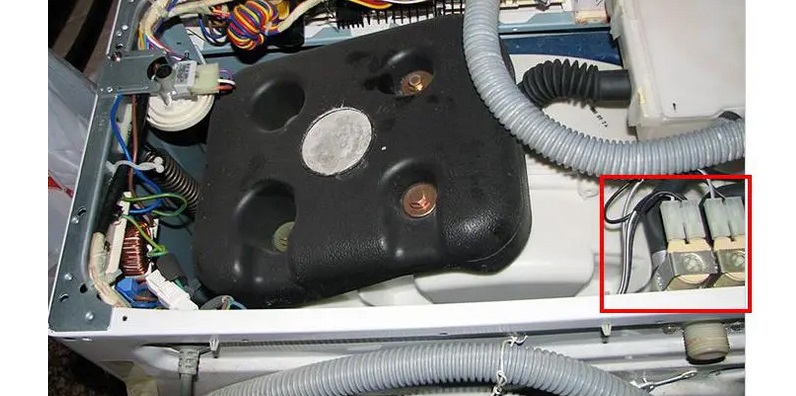
The washing machine will constantly drain even if there's a problem with the inlet valve. The logic is simple: if the machine draws too much water, the pressure switch will signal an overflow, and the circuit board will signal the pump to drain. You can stop the "self-draining" by adjusting the inlet system. Typically, the valve mechanism needs to be repaired or replaced.
You can fix the intake valve at home. DIY repairs involve several steps:
buy a similar valve and removable clamps for fixation;
disconnect the machine from communications;
remove the top cover if the machine is front-loading, or the side wall if it is a vertical machine;
find the valve installed at the connection point of the inlet hose;
remove the wiring and pipes from the device;
unscrew the fasteners, remove the clamps;
turn the valve and remove it from the housing;
install a new device.
The new valve is secured with clamps, after which the pipes and wires are connected. The quality of the repair is checked by a test wash.
It's all about the control board
Worse, the cause of the incessant draining lies with the control board. Simply put, the module "freezes" and sends an incorrect command to the pump. In this case, the diagnostic system should record and display the corresponding error code. Don't immediately sound the alarm: first, we recommend resetting the machine and restarting the cycle. If the pump restarts during the filling process, contact a service center. Testing and repairing the electronic unit at home is too risky—one careless move could result in a fatal accident.
Only professionals should check and repair the control board!
If your washing machine is constantly draining water without holding it in the drum, you need to take action. Uncontrolled drainage is a dangerous symptom that, without intervention and repair, will lead to serious damage to the appliance.

 If your washing machine is constantly draining water, you won't be able to wash your clothes. The machine won't even start a cycle—all the water drawn from the water supply will be pumped straight into the sewer. This kind of behavior isn't good for your washing machine: your laundry stays dirty, your detergent is wasted, and your drain pump wears out. Ignoring this constant draining isn't an option, as it can damage your washing machine. It's best to figure out why the pump is running nonstop and how to fix the problem.















Thank you!