
When the water heats up, the washing machine turns off.
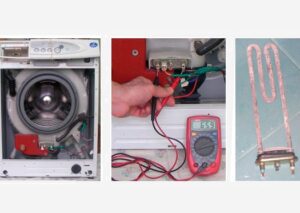 Every washing machine experiences occasional problems. It might simply shut off while using a certain function, then work again without issue—this is common. But what should you do when your washing machine refuses to work every time, especially when using a crucial function? If your washing machine shuts off while heating the water, you need to take immediate action.
Let's pay attention to the heating element
Modern washing machines are very "smart," so regular shutdowns almost certainly indicate a malfunction and a safety mechanism is triggered. Since the shutdown occurs during heating, the first thing to pay attention to is the tubular electric heater, or simply the heating element, which is responsible for heating the water.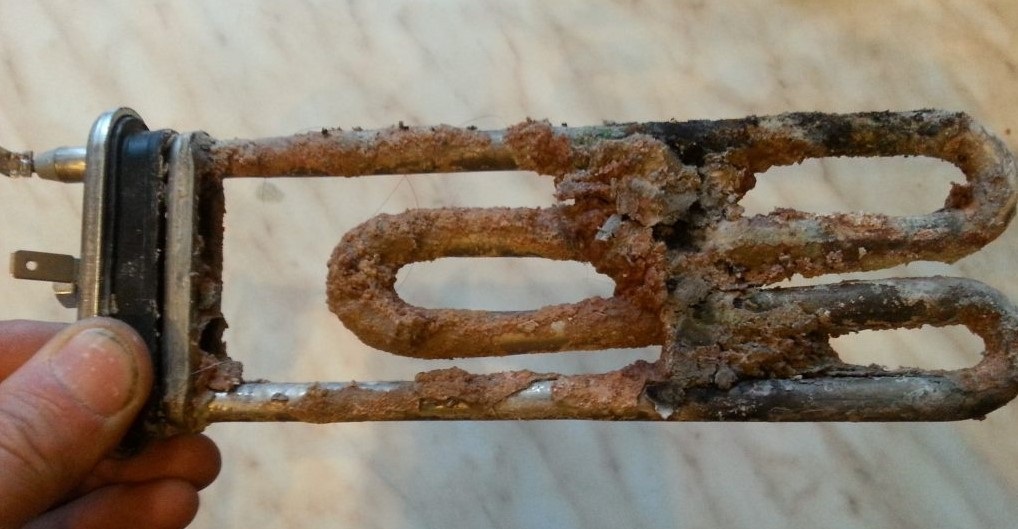
This part is extremely susceptible to scale buildup, and the more scale there is, the larger the heating element becomes and the more it gets caught in the rotating drum. A loose piece of scale can become lodged between the drum and the heating element, which can ultimately lead to its failure.
Important! The heating element operates electrically, so a malfunction or breakdown can cause a short circuit. To prevent this, the machine stops working and the protective system is activated.
Occasionally, the cause of a malfunction may be faulty other parts, but this only happens in 7% of cases, so it is necessary to begin investigating the problem with the electric heater.
Testing and replacing the heating element
To check the heating element, you first need to access it. It's easy to do this yourself. Disconnect your washing machine from the power supply and water supply. If it's against a wall, move it away from you and turn it so the back is facing you (except for Samsung machines, there's no need to turn the unit).
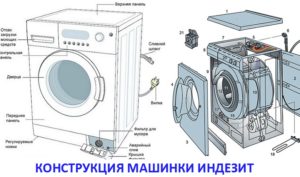
Loosen the screws holding the back panel, remove it, and inspect the inside of the machine. The heating element is usually located at the bottom, just under the drum. Samsung machines have a front heating element, so to access it, you need to remove the front panel.
To gain easy access to the heating element, remove the drive belt from the pulley. Now inspect the heating element contacts, the thermistor, and the wires connected to them. Before you begin your inspection, take photos of all connections! Now you can start testing the part.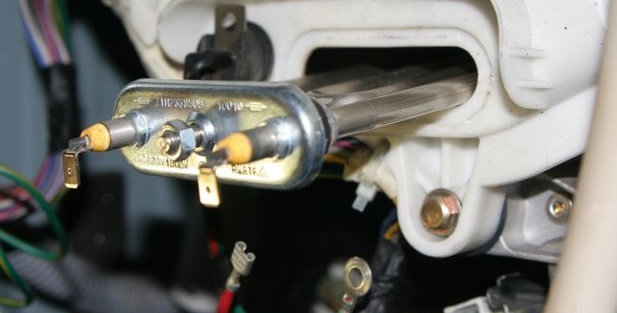
- Disconnect the wiring.
- Set the multimeter to Resistance mode and set the value to 200 Ohms.
- Connect the multimeter probes to the heater terminals.
- Take readings.
Normally, the multimeter reading should be between 26 and 28. If you see 0, there's a short circuit. If you see 1, a winding inside the device has broken. In either case, you can't fix it yourself—professional repair is required. Next, check to see if the component's casing is punctured. To do this, set the multimeter to buzzer mode and place the probes on the casing. A beeping sound indicates a current leak, and the component will need to be replaced.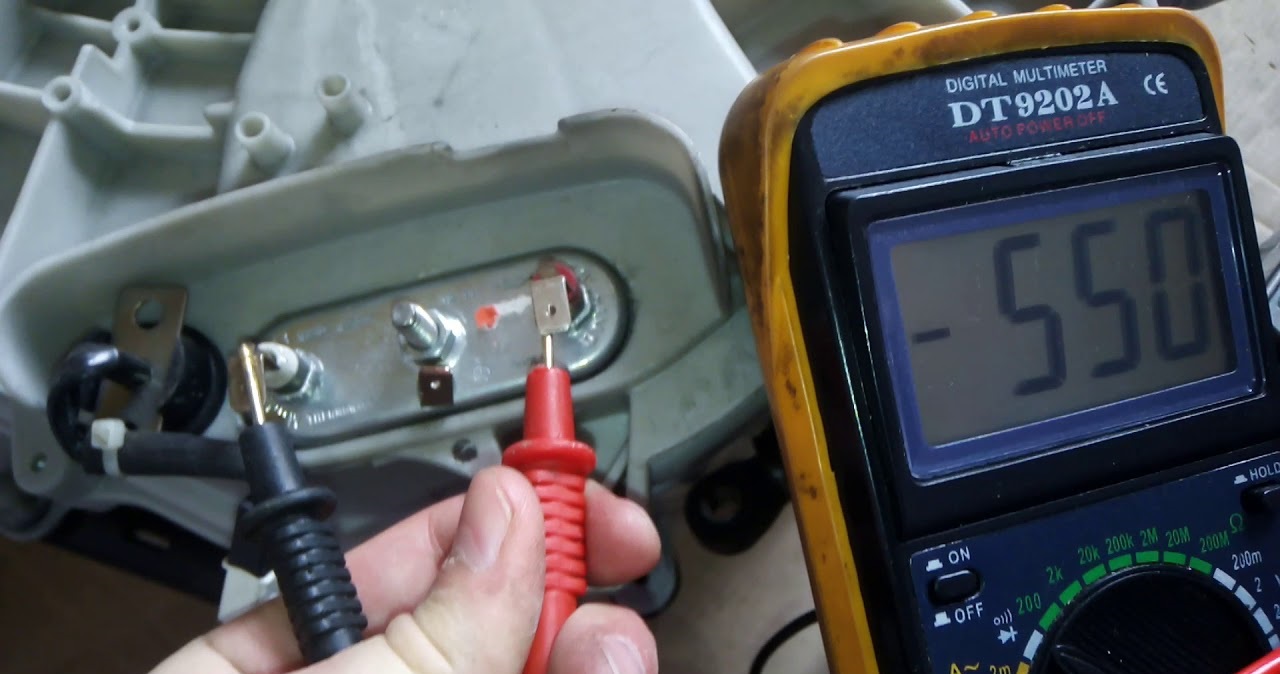
To replace the heating element, you need to remove the old part. To do this, loosen the central nut and disconnect the thermistor. What to do if the rubber gasket has swollen and is preventing the unit from being disconnected:
- Lubricate the gasket with WD-40 aerosol lubricant;
- after 15-20 minutes remove the remaining substance;
- gradually rocking the heater, remove it from the groove.
You can select the correct new part based on the markings on it or the washing machine's serial number. The easiest way is to bring the old heating element to the store and ask a salesperson to select a similar one. Before installing the part, it is recommended to clean the mounting surface of any deposits and scale. To reassemble the washing machine after repair, perform the same steps in reverse order.
Interesting:



1 reader comment
Add a comment
Headings
Washing machine repair




For buyers




For users


Dishwasher




They called me, and it turned out to be a Samsung washing machine. It was heating the water to a boil, even though I set it to 30 degrees. The heating element was working. I replaced the temperature sensor, even though the original one was missing, and installed a different one. It worked, and then I left. Then the owner of the washing machine called and said it was the same old story. I went, removed the circuit board, and checked. Nothing happened. They said it was the temperature sensor, but they couldn't find the original one. We'll see what happens.