
What is better, a washer-dryer or a separate dryer?
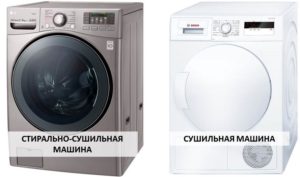 After abandoning the traditional method of hanging laundry on clothespins, homeowners are faced with a real dilemma: a washer-dryer or a separate dryer. The former attracts with its versatility and space savings, while the latter promises greater efficiency and capacity. Which of the manufacturers' offerings should you choose to avoid wasting your money? Understanding each type of appliance will help resolve this dilemma. Full details are below.
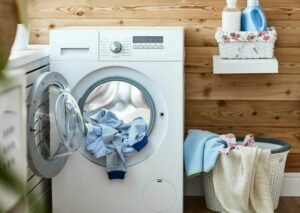
Multifunctional unit
At first glance, it might seem like a better idea to buy a two-in-one machine—a dryer and a tumble dryer in a single, multi-functional machine. But it's far from perfect: you can't simply switch modes and get both clean and dry clothes. You'll have to put up with a few unpleasant nuances.
- High energy consumption. The washing machine turns into a dryer with an additional heating element. However, its power is inferior to that of a water heater, so heating the air consumes significantly more electricity. As a result, the energy efficiency class drops from A-A+++ to the expensive-to-maintain B and C.
- Poor drying quality. A lot of energy is expended on drying, yet a multi-function machine still can't boast of quality. The explanation is simple: the machine is designed for washing, and the dryer is just an additional feature.
- Timer drying. Drying isn't the main function of a washing machine, so machines are often equipped with a rudimentary drying program based on cycle duration. The user must set the program time at their own risk, which can lead to laundry being over-dried or under-dried. However, this problem is gradually being addressed, as manufacturers have begun to integrate residual moisture indicators into the system.
- Capacity discrepancy. The main drawback of tumble dryers, which makes them impractical and inconvenient to use, is that washing requires less space in the drum, while drying requires more. For example, if a washing machine's maximum load is 8 kg, the dryer's maximum load is 4 kg. The user is left with the option of dividing the washed clothes into two groups and drying them in two batches. Another option is to wash them in smaller batches. This is possible, but not always cost-effective.
The capacity of the machine during drying is usually 2 times less than in washing mode.
It's also a common misconception that multifunctional machines are less reliable due to their complex design. In fact, these statistics are not the fault of the washing machine/tumble dryer itself, but rather of its careless owners. Service technicians note that these units often break down due to carelessness on the part of their owners. More specifically, when the manufacturer's maximum capacity is exceeded during drying.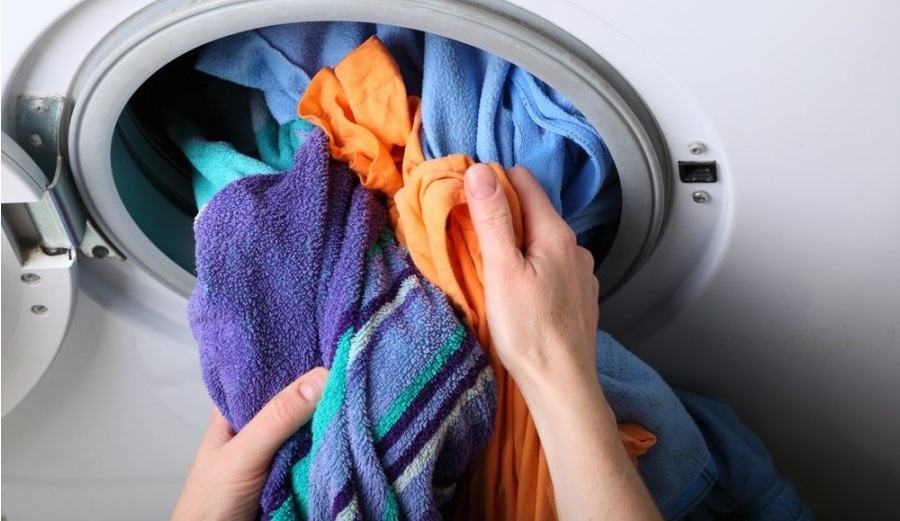
Multifunctional models are compact and inexpensive, but they're not as user-friendly as they seem. Therefore, it's worth considering an alternative: standalone dryers.
Equipment for drying clothes
Externally, dryers resemble washing machines. However, unlike their competitors, dryers are designed specifically for drying clothes, so they have a more sophisticated design and appropriate accessories. If you examine the drum, you'll quickly see the obvious advantages.
- Larger diameter. On average, tumble dryers are 2.5 times larger than their washing machine counterparts, as they require more space for optimal ventilation.
- Special surface. High-quality drying requires even distribution of laundry across the drum walls, smoothing, and unimpeded airflow into the fabric structure. This is achieved through special perforation of the surface and other intricacies and nuances of the drum.
- Interior lighting. Using the lighting, the machine's owner can monitor the drying progress of the laundry.
Individual dryers start at $180–$200, while multi-function machines can be found for $150.
The separate machine also wins in the number of programs offered by the system. Typically, a standard dryer has more than ten settings with varying duration and intensity of hot air exposure. Thus, the user can select a cycle for synthetics, cotton, sportswear, wool, outerwear, or even a quick-dry cycle. Additional options will also please the user, including steam treatment, an ironing effect, and wrinkle prevention.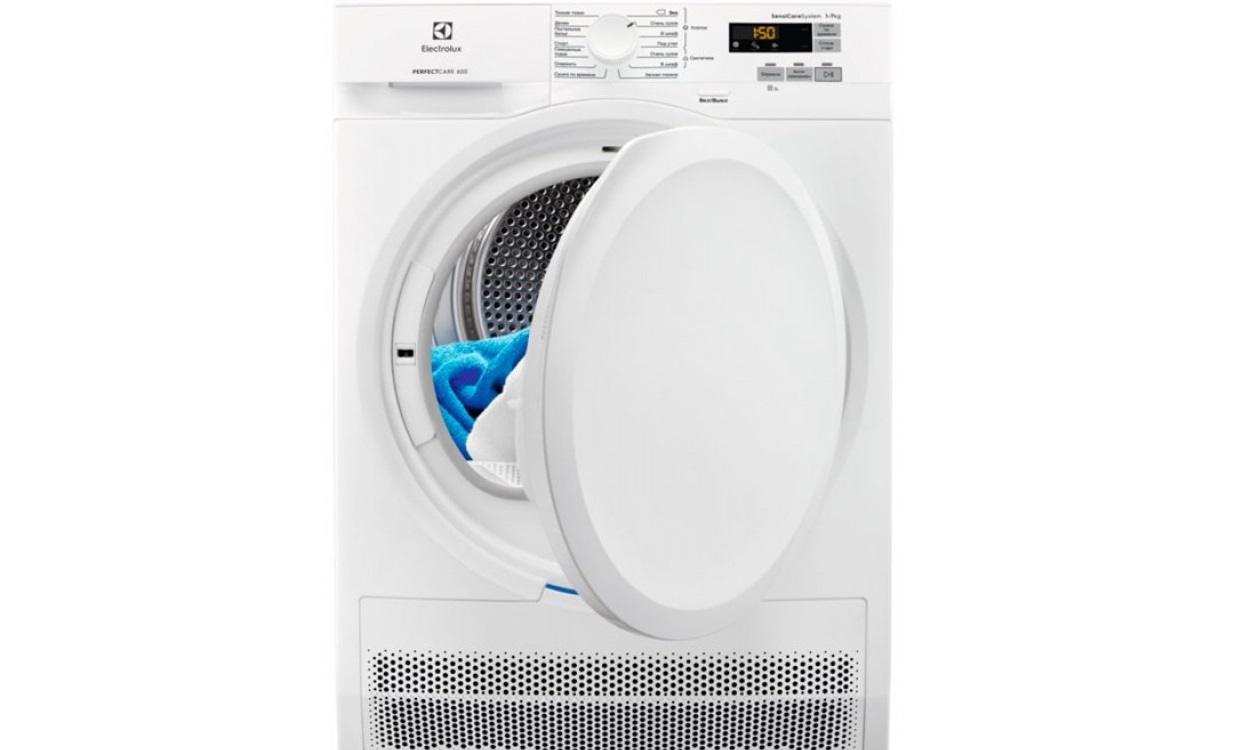
Dryers often come with special baskets and other accessories to reduce the risk of drying shoes, textile bags, stuffed animals, and delicate items. These dryers also feature modern features, such as a digital display, delayed start, child safety lock, or remote control via smartphone.
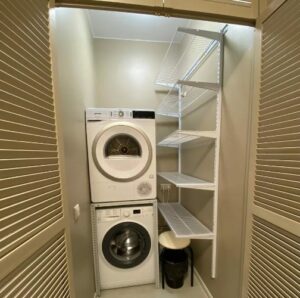
The main advantage of a tumble dryer is its specialization. If a comprehensive approach to drying clothes is important, it's the best option. However, it does have its drawbacks: the high price and the need to find available space. The latter issue can be resolved by choosing a model with stackable installation.
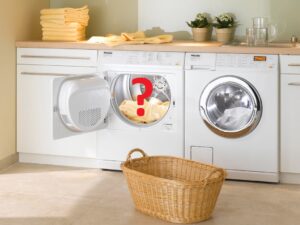
"Two in one" sounds great, but in everyday life, multifunctional machines are clearly inferior to their direct competitors. More expensive and bulky tumble dryers handle drying more efficiently and easily, without the added risk and hassle of wet laundry that doesn't fit in the drum. The question remains: what's more important: savings, comfort, or gentle care for your laundry.
Interesting:



Readers' comments
Headings
Washing machine repair




For buyers




For users


Dishwasher




Add a comment