
Washing machine with hair removal function
 If you have a dog or cat in your home, everything around you is bound to be covered in pet hair. Their clothes are no exception – the lint clings to the fabric and, when washed, inevitably settles in the washing machine. The more frequently you wash clothes, the higher the risk of clogs and machine breakdowns. Constantly cleaning a washing machine from clogs is difficult, and it might seem like a machine with a pet hair removal feature would be the answer. We'll explain in more detail whether such models exist and what their advantages are.
Do such machines exist?
Dealing with pet hair at home is very difficult – static electricity causes the hairs to cling tightly to the fibers. It's even more challenging in a washing machine, as the lint doesn't wash down the drain, but settles at the bottom of the drum, clogs the pressure switch tube, and blocks the pump impeller. The result can be disastrous – the machine stops working and your clothes are dirty.
There are two options: constantly clean your washing machine or purchase a special smart model capable of independently removing stuck-on hair. The effectiveness of the latter hasn't been officially confirmed, but they're said to be effective. A prime example of such an advanced "assistant" is the Beko WKB 61041 PTMSC.
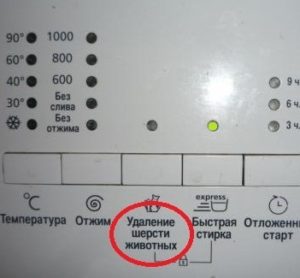
The WKB 61041 PTMSC's pet hair removal feature is responsible for removing pet hair. The manufacturer claims this feature removes residual hair from clothing through an enhanced wash cycle. Once activated, the system adds a soak and an extra rinse to the cycle. The washing machine uses 30% more water, removes lint more effectively, and washes the appliance itself.
The pet hair removal function adds a soak and an extra rinse to the selected cycle.
In addition to hair removal, the Beko WKB 61041 PTMSC offers: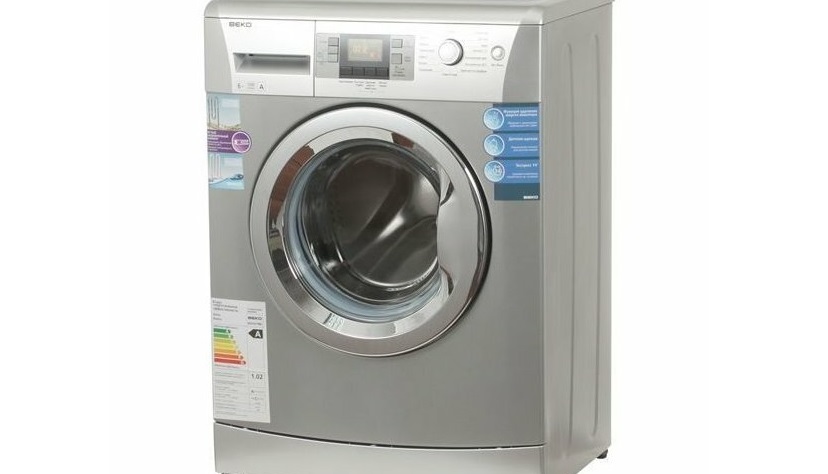
- convenient installation thanks to the removable cover;
- simultaneous washing of up to 6 kg of dry laundry;
- electronic control and digital display;
- spin up to 1000 rpm;
- 16 programs;
- 24-hour delayed start timer.
The BEKO WKB 61041 PTMSC front-loading washing machine also boasts partial leak protection, a child lock, and balance and foam control. Features include self-cleaning and a scale-resistant Hi-Tech heating element. The washing machine features a unique silver body, a 30 cm diameter loading door, and excellent energy consumption and washing efficiency.
We monitor the cleanliness of the filter
If you can't test the effectiveness of a Beko or other modern machine with a hair removal feature, you'll have to take a different approach. In other words, regularly clean the drum of hair, preventing it from clogging the insides of the machine. This isn't difficult, but you need to know where most of the debris accumulates in the drum.
Most often, all the hair washed off your clothes ends up in the dust filter. This is a plastic spiral-shaped attachment designed to trap foreign objects and debris, preventing them from reaching the pump. To clean the "spiral," follow these steps:
- disconnect the washing machine from communications, electricity and water supply;
- move the unit slightly away from the wall, and then tilt the equipment back (so that the front legs are raised 5-7 cm from the floor);
- find the technical hatch door behind which the trash filter is hidden (usually located in the lower right corner of the case);
- Using a flat-head screwdriver, pry up the hatch door, press the plastic retaining clips and remove the panel;
- place a basin under the trash filter;
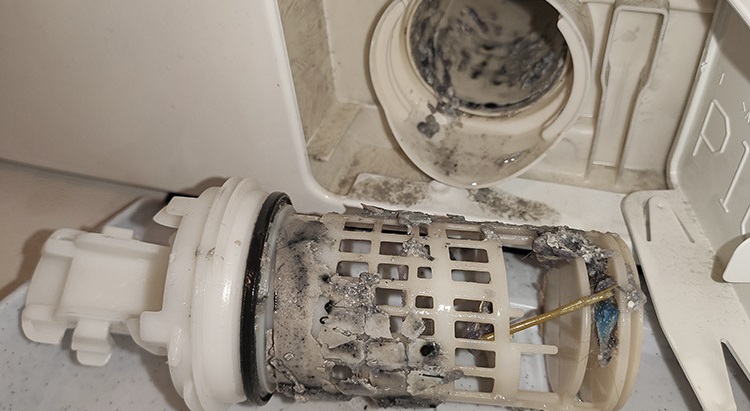
- remove the emergency drain tube and drain the remaining water from the washing machine;
- carefully unscrew the debris filter, turning it counterclockwise;
Be prepared for dirty water to pour out of the filter when you unscrew it!
- inspect the filter and begin cleaning it (if necessary, soak it in a lemon solution, treat it with soap and a toothbrush, and then rinse it under the tap);
- assess the contamination of the hole cleared from the filter (the dirt stuck to the walls is cleaned off);
- shine a flashlight into the hole and inspect the pump impeller (if hair and wool are tangled around the blades, remove the “ball” with your hand or a wire).
The cleaned debris filter is returned to its designated "nest." Tighten it clockwise until it stops, then close the hatch, empty the basin, and lower the washing machine back into place, connecting it to the power supply. Be sure to run a test cycle by turning on a quick wash or rinse. If you notice leakage, the coil is not tightened properly and you need to repeat the procedure.
Level sensor tube
Hair that gets into the washing machine also tends to settle in the pressure switch tube. This "neighborhood" causes the pressure switch to malfunction, which significantly impacts wash quality. In the best-case scenario, the washing machine draws less or slightly more water; in the worst-case scenario, it refuses to wash and displays an error message.
The water level sensor is cleaned as follows:
- disconnect the washing machine from the power supply;
- unscrew the bolts holding the top cover;
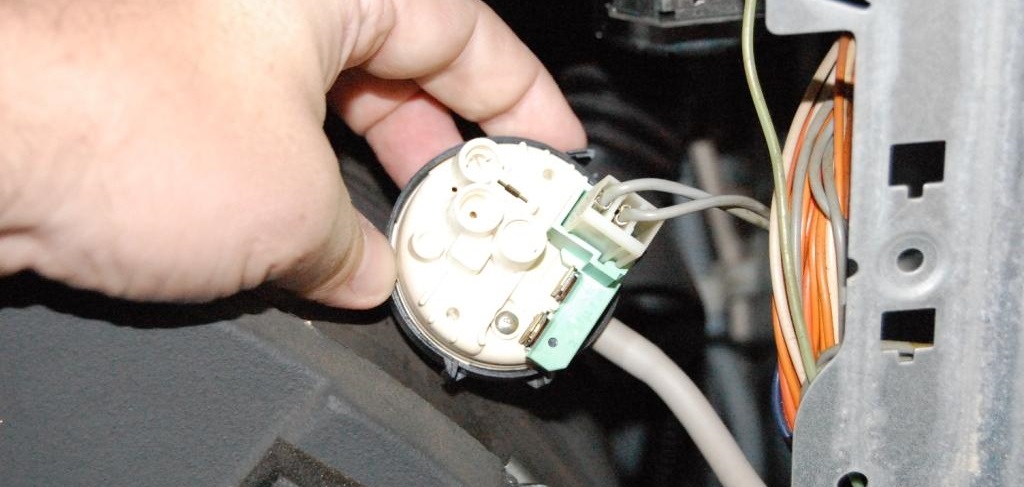
- we find the pressure switch – a black plastic “washer” located on the right;
- we unhook the sensor from the fasteners and pull the tube out of the tank;
- We disconnect the hose from the sensor and blow it out.
All that's left to do is replace the sensor, secure the lid, plug in the washing machine, and run a test cycle. If the error disappears and the drum fills, the cleaning process was successful.
Interesting:


Readers' comments
Headings
Washing machine repair




For buyers




For users


Dishwasher




Add a comment