
My Samsung washing machine won't fill with water.
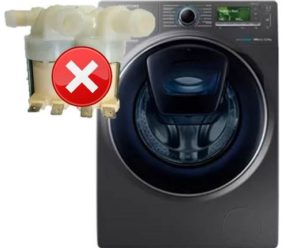 One day, after starting a wash cycle, you might notice that your Samsung washing machine isn't filling with water. This "symptom" can indicate both minor, short-term glitches and serious problems. Let's figure out what might be wrong and where to begin troubleshooting your machine.
What could have happened?
So, when deciding to fix the problem yourself, first of all, it's worth understanding why the washing machine isn't filling with water. It could be a simple kink in the inlet hose, or damage to the “brain” of the washing machine – the control board. There are several typical reasons, let's look at the main ones.
- Inlet valve defect. A malfunction with the element can be noticed even before the machine fails. Initially, the powder will not be completely flushed from the tray—this is a warning sign of valve damage. To check its functionality, apply 220 volts to the solenoid valve. If the element closes (a distinctive click will indicate this), everything is working properly. It's important to check both valves. If both elements fail to respond to the applied voltage, the valves need to be replaced.
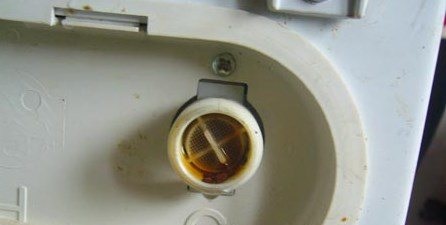
- Clogged inlet screen. Often, water won't fill because the filter screen is clogged. In this case, the machine takes a long time to fill, making a distinctive buzzing noise.
- The coarse filter is clogged. Cleaning the filter element will help resolve the issue.
- The pressure switch, which controls the water level in the system, is faulty. Checking the sensor's functionality is fairly simple. Disconnect the pressure switch tube and blow into the wire. You should hear one or two clicks. If the element remains silent, the level sensor will need to be replaced. Fabric fibers can become lodged in the pressure switch wire, and if the machine has not been used for a long time, its cavity can become covered in webs. In such cases, blowing through the pressure switch will restore its functionality.
- Control module problems. Resistors on the control board typically burn out. If this is indeed the cause, you may not need to replace the entire unit; instead, you can repair the board by installing new resistors. This repair is quite complex and is best left to an experienced technician.
- The hose running from the water level sensor to the washing machine's tank is damaged. Over time, it loses its seal and begins to leak air.
- A loose door closure. This is a common problem, not a malfunction. If the door isn't locked, the washing machine's "brain" doesn't initiate the water fill.
- Pump failure. A burnt-out drain pump may prevent water from entering your washing machine. Replacing the pump will resolve the issue. While repairing the pump is an option, it's best to leave this work to a professional.
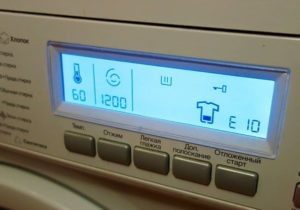
If your Samsung washing machine is equipped with a display, it will show an error code corresponding to the malfunction.
If you see a fault code on the screen, refer to the user manual. By interpreting the error, you can narrow down the possible causes of damage.
We make a decision
If your newly purchased and installed washing machine won't fill with water, don't try to repair it yourself. It's best to avoid touching the machine altogether and instead contact a service center for a full warranty diagnosis and repair.
If your washing machine has been working reliably for several years and suddenly stops filling with water, you'll have to troubleshoot the problem yourself (unless you want to overpay a technician). First, make sure there's water in the water supply; it's possible the water supply to your home has simply been turned off. Then, check to see if the shutoff valve is open. Finally, inspect the inlet hose. If no defects were found during inspection of the external elements of the washing machine, you will have to remove the cover and work with the internal parts of the unit.
Where to start?
If you decide to fix the problem yourself, you should disconnect the power to the machine and turn off the water supply valve. These are important safety precautions that must not be ignored. If the washing machine does not fill with water and you hear a buzzing sound, you should:
- Make sure that the shut-off valve is open, if so, be sure to turn off the valve before starting work;
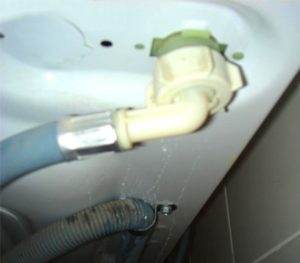
- disconnect the inlet hose from the washing machine and drain any remaining water;
- Make sure that the hose is free of defects and is not kinked.
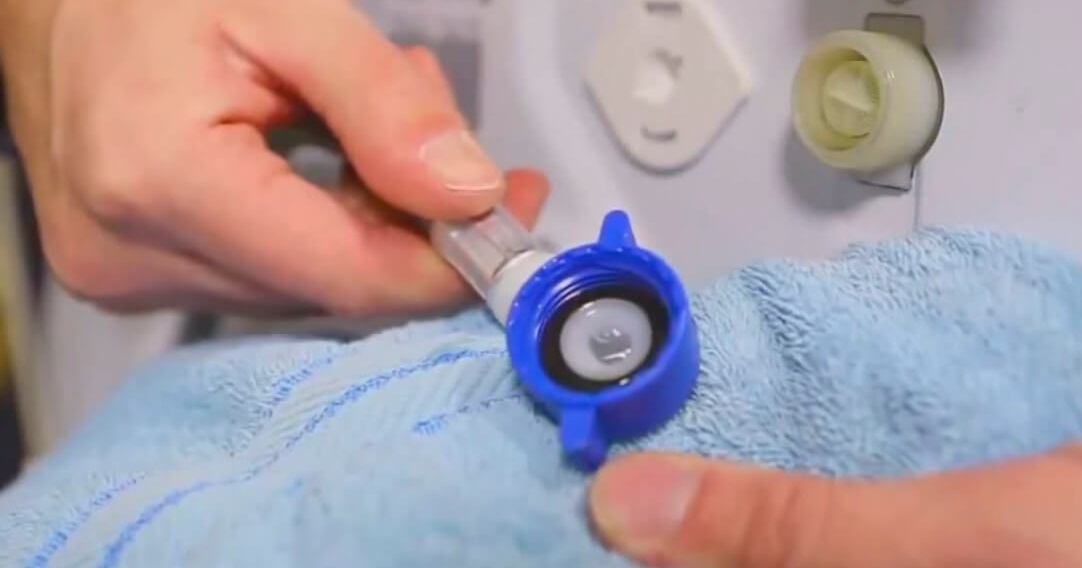
These steps should be taken first if you notice that there's no water intake. If everything appears fine and nothing is obstructing the machine, you'll need to check the filter mesh. The filter surface is located in the inlet hose. The mesh often becomes clogged. To inspect it, you need to:
- unscrew the inlet hose from the washing machine body;
- Inspect the valve system; this is where the mesh is inserted. The filter has a special indentation; grasp it with pliers and pull the filter surface out;
- clean the mesh, rinse under running water;
- Install the filter back using pliers.
Next, you should check the coarse filter. It's usually installed after the faucet. To inspect this mesh, you'll need a pair of wrenches. One should hold the connection to the valve, and the other should unscrew the bolt. Then, place a container underneath and open the faucet. Water will flow, and the force of this flow will clean the filter.
Opening the case
Washing machine repairs are often expensive, so many users try to fix the problem themselves. For example, a water inlet valve, supposedly made in Italy, costs $5. A repair shop will charge around $50 for its replacement.
In fact, repairmen often inflate the price, although the components for washing machines are not that expensive.
In most cases, a faulty water inlet valve is the cause of a machine not filling. The procedure for replacing the inlet valve is as follows:
- de-energize the washing machine, close the shut-off valve;
- Disconnect the hoses from the valves (they are located on the back wall of the housing). Remember that water will accumulate in the hoses and will need to be drained into a separate container;
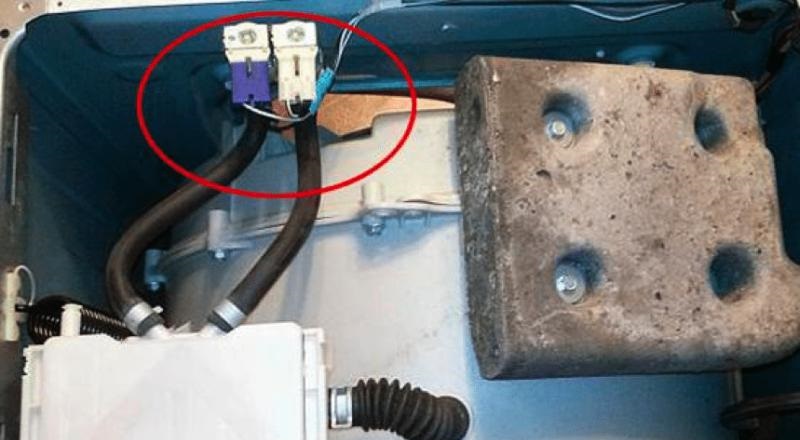
- remove the top cover of the washing machine by unscrewing the fixing bolts;
- Take a photo of the valve wiring diagram. You can remember the location, as the coil wire connectors are usually brightly colored. Then disconnect the wiring;
- Using pliers, remove the fasteners from each of the 4 hoses. Be sure to note their orientation. It should be understood that water can also accumulate in them, so it is better to prepare a dry cloth in advance;
- unscrew the screw that secures the valve;
- remove the inoperative solenoid valve from the housing;
- install the new part into the bracket and secure it with a bolt;
- reconnect the previously removed hoses and secure them with clamps;
- connect the coil wiring;
- put the “top” of the automatic machine on and secure the cover with screws;
- Connect the hoses to the new water inlet valve.
After the washing machine is plugged in, the shut-off valve is opened. Then, a test wash is run. If everything is done according to the instructions, the machine should work properly.
Interesting:



Readers' comments
Headings
Washing machine repair




For buyers




For users


Dishwasher




Add a comment