
Samsung washing machine won't drain
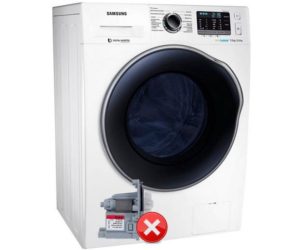 Quite often, washing machines freeze during a wash cycle with a full tank of water, unable to drain. There could be several reasons for this, from a clogged drain hose to a broken control module. If you lack the energy and inclination, it's best to entrust the repair to a professional. If you don't want to overpay, you can try to fix the problem yourself. Let's look at what to do if your Samsung washing machine won't drain, where to begin troubleshooting, and how to replace parts if necessary.
Trivial situations
If you decide to fix the problem yourself, you need to make sure there really is a problem. In some cases, a full drum of water may not indicate a problem at all. This applies to the following situations:
- Some Samsung washing machine modes pause the wash cycle when the drum is full. For example, this may occur when selecting the "Wool" or "Silk" program. Before sounding the alarm, check to see if one of the delicate modes has been selected.
- The drain hose is kinked. You should check the drain hose to see if it's kinked. If so, the problem is easy to fix—straighten the tube;
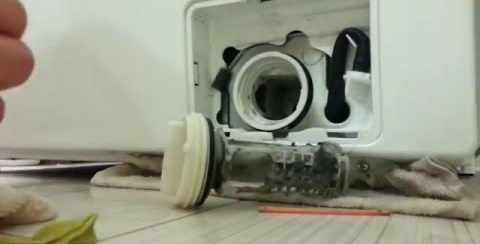
- Clogged debris filter. The filter element's function is to trap debris and prevent it from entering the drain pump. When clogged, the filter will not allow water to drain properly. What should you do in this case? Unscrew the debris filter (located on the front wall of the washing machine, in the lower corner, behind a special door or panel) and rinse its surface.
- A clogged drain pipe or trap. Sometimes the problem isn't with the washing machine at all, but with the house's plumbing. It's easy to check: disconnect the drain hose from the drain pipe or trap and point the end of the hose into the bathtub. Then start the wash cycle and wait until the draining process is complete. If water begins to drain freely, the clogged pipe or trap is indeed present. You can clear it yourself or call a plumber.
If none of the above solutions solve the problem, then there's damage. You'll need to partially disassemble the washing machine to identify the fault. Where should you begin a more thorough inspection?
It will have to be repaired
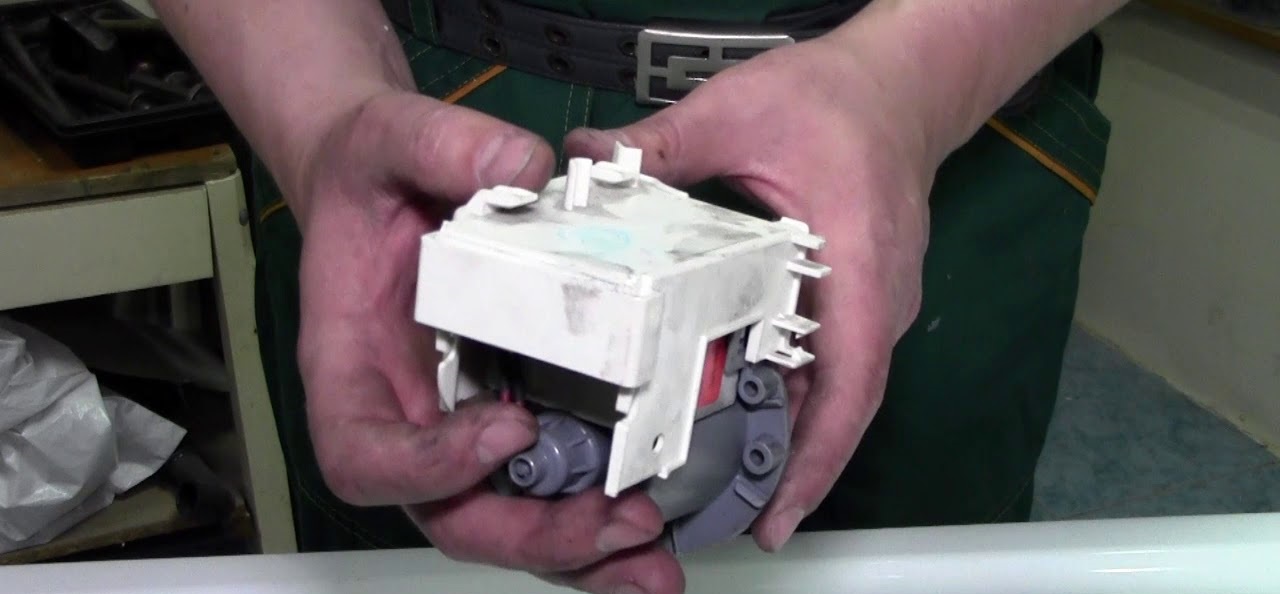
In some situations, we are talking specifically about the failure of a specific element. Often (in about 90% of cases), the reason for the inability to remove waste water from the washing machine tank is a breakdown of the drain pump. If the pump burns out, the fluid won't be pumped out. Only removing and replacing the pump will help.
Another problem could be clogged hoses. These clogs can be caused by ordinary debris or poor-quality detergent. Only a professional can clear clogged hoses, as this requires completely disassembling the machine.
The most unpleasant situation is when the problem lies in the control module.
If the washing machine's control unit malfunctions, it doesn't transmit the command to the drain pump to pump out the liquid from the drum. In this case, it's best to entrust the repair to professionals, as messing with the washing machine's internals without experience with electronics is not recommended; it could only make the situation worse.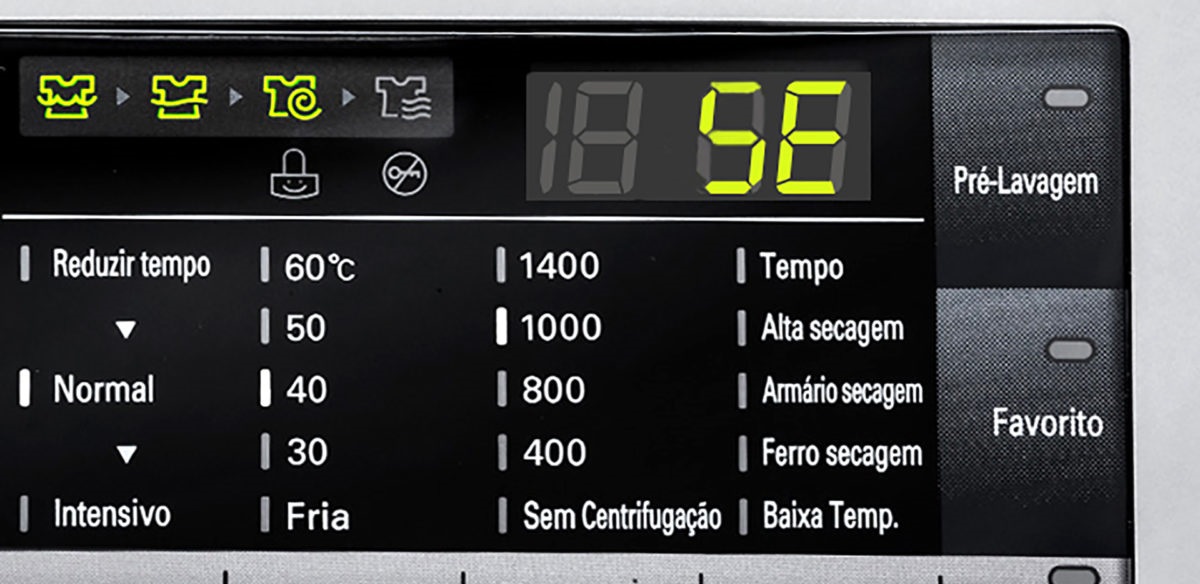
If a Samsung washing machine detects a system malfunction, it will notify you of the problem by displaying an error code. The display will show one of the following codes: 5E (SE), E2, or 5C. Washing machines without a display will indicate the problem by flashing the indicator light.
The machine may also freeze with a full tank due to a defective pressure switch. The water level sensor also needs to be replaced. If this component is the problem, the machine will display code 1E (IE), E7, or 1C (IC). Therefore, many factors can cause the washing machine to not drain. Be patient and check certain parts of the machine for damage.
Checking and replacing the pump
As mentioned earlier, the most common cause of water not draining from the tank is a damaged pump. Therefore, it makes sense to start by diagnosing the drain pump. What should you do to check this part? The steps are as follows:
- de-energize the washing equipment;
- disconnect the machine from the communication outlets;
- unscrew the debris filter, drain the remaining water from the system;
- move the unit away from the wall;
- Place the SMA on its side, having covered the floor with a blanket beforehand;
- Using a screwdriver, unscrew the bottom (if the washing machine has one);
- inspect the drain pipe for damage, feel it for small foreign objects inside;
- loosen the hose clamp, disconnect the tube from the pump;
- Unscrew the bolts securing the drain pump, disconnect the wires connected to it, and remove the pump;
- disconnect the pipe from the tank, rinse the cavity of the pipe under running water;
- Remove the pump from the volute. To do this, you will need to unscrew all the mounting bolts;
- Inspect the drain pump impeller. It's possible a hair or piece of cloth is tangled around it. Clean it.
If no mechanical damage to the pump is detected, the pump should be checked with a multimeter.
The tester is switched to voltage measurement mode, its probes are placed against the pump contacts. If the multimeter screen displays “1” or “0”, the element has burned out and needs to be replaced. You should buy a pump suitable for the washing machine model and install it in place.
Interesting:
Readers' comments
Headings
Washing machine repair




For buyers




For users


Dishwasher




Add a comment