Noise from the washing machine when spinning at high speeds
Sometimes a washing machine starts making a loud noise while spinning. This could be due to faulty components, small objects getting caught in the housing, or improper installation. The owner or repair technician should figure out why the noise is occurring during the high-speed spin cycle and fix the problem.
Causes of loud noise
If your washing machine starts making loud noises and moving around during the high-speed spin cycle, don't delay in investigating and resolving the problem, otherwise it will worsen and lead to appliance failure. First, you can try to determine the cause of the noise yourself. Loud noises can be caused by:
objects that end up in the drum and hit the glass of the hatch, such as buttons, fasteners, patches;
foreign bodies stuck in the space between the drum and the tank;
transport bolts not removed during installation of the washing machine;
worn bearings that caused the drum rotation axis to shift;
unadjusted feet of the device or lack of pads under them;
instability of the drum counterweight;
faulty damper.
Important! Washing machines are often installed on tiled floors. In such cases, rubber mats should be placed underneath them. Another option is to provide rubber pads under the feet.
Screws intended for transportation
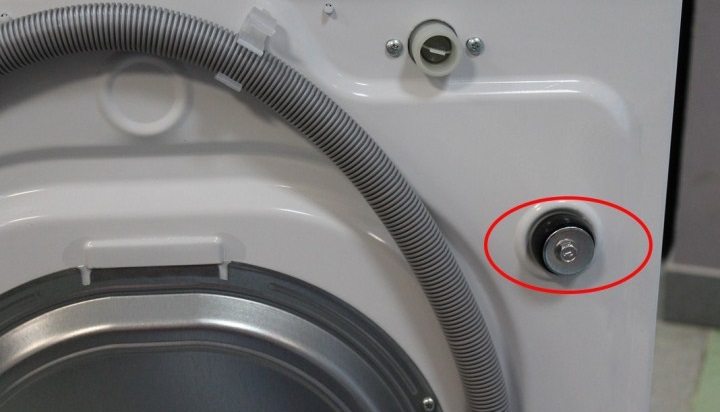
When transporting washing machines, their tanks are secured with special bolts to prevent damage to the appliance before it is put into operation. Sometimes, when installing washing machines, inexperienced technicians overlook the transport bolts and forget to remove them.
As a result, the appliance starts making a loud noise the first time it's turned on and spinning. Therefore, experts recommend checking for loose bolts, usually located on the back of the machine, before using it. To do this, you need to:
disconnect the device from communications.
position it so as to facilitate access to the back wall.
check to see if it has any large-headed screws.
If any are found, unscrew them.
Once the test is complete, the appliance can be returned to its designated location. It's then reconnected to the power supply. You can begin washing.
Is the machine level?
Sometimes a washing machine makes noise because it's placed on an uneven surface. Vibrations occur during operation, causing the appliance to bounce. This is especially noticeable on slippery floors.
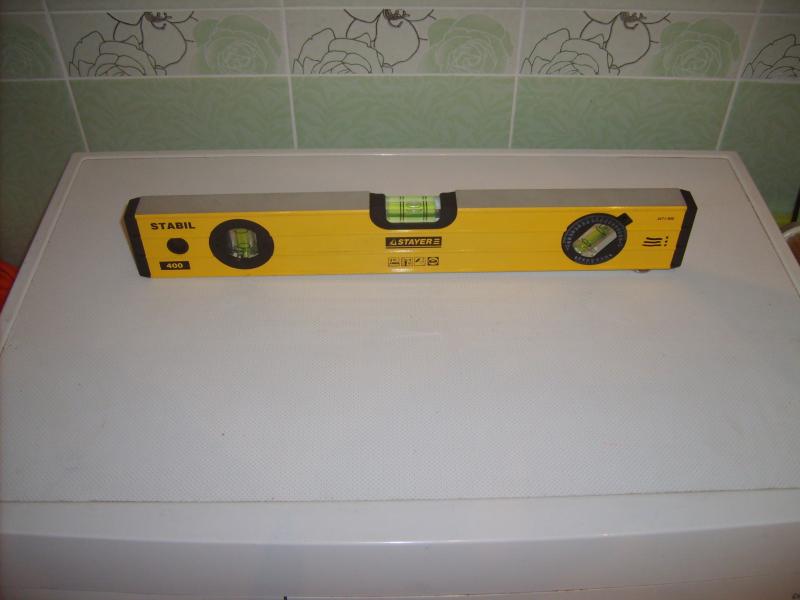
The solution is to adjust the feet, secure them with locking nuts, and use rubber pads. To level the cabinet, use a spirit level. Sometimes the washing machine is built into a cabinet or a wall niche. In such situations, correcting the problem can be difficult.
The bearing unit is worn out
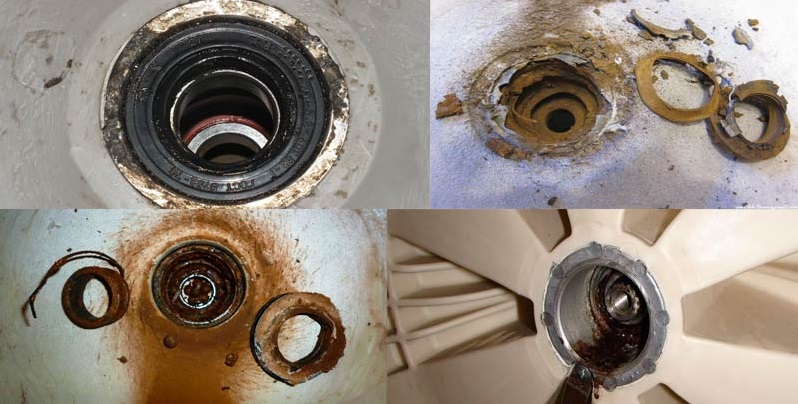
Bearing wear can have several causes. The most common are overloading the drum and long periods of use. If a washing machine is used for more than 5 years, the bearing assembly inevitably wears out. To prevent premature failure, follow the manufacturer's recommended load capacity and instructions.
When determining the drum load, it is worth focusing on the weight of wet items, as they are significantly heavier than dry ones.
To check the bearings, technicians unplug the washing machine, open the door, rotate the drum from side to side, and vigorously rock it. If a squealing noise is detected, the problem is repaired.
Foreign body in the tank
Small items, such as buttons, coins, and bra underwires, can fall into the drum during washing. Sometimes they are washed away automatically. Otherwise, you'll have to remove them manually to prevent the drum from puncturing the tub wall. To remove foreign objects, follow these steps:
turn off the device;
pull out the powder receptacle;
the water is drained through a waste filter;
the washing machine is lowered onto its left side;
loosen the clamp through the bottom and remove the pipe;
The object that has fallen inside is removed through the hole that has opened in the tank.
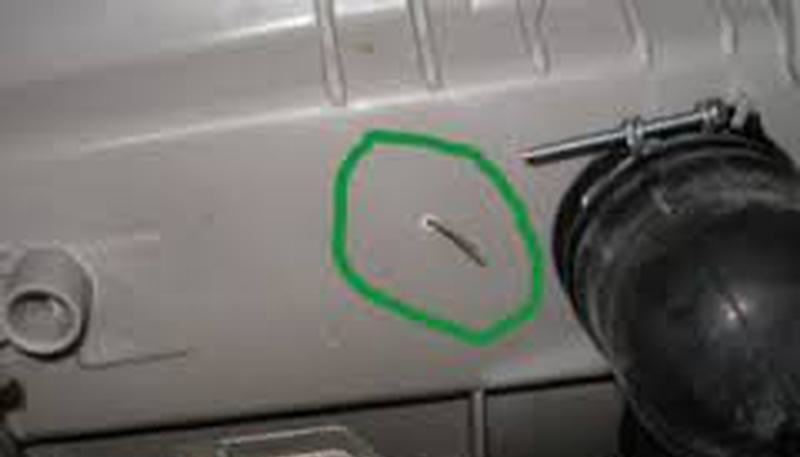
In washing machine models equipped with a drip tray, foreign objects are removed through the heating element openings. The heating element must be removed correctly, taking care not to damage the rubber seal.
Something happened to the counterweight.
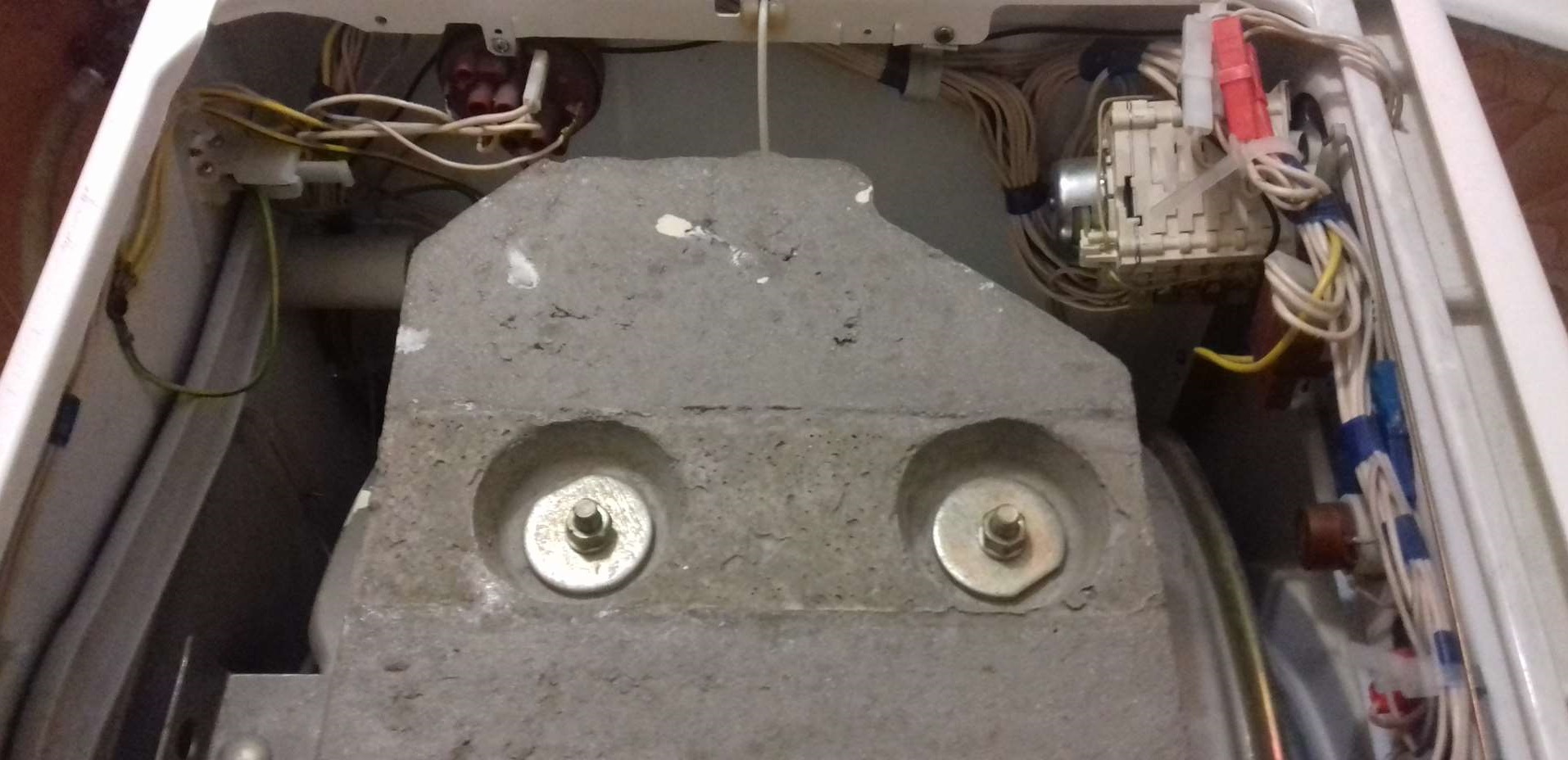
In some cases, a washing machine makes noise because the upper counterweight has become loose. It becomes loose due to vibration. To fix the problem, remove the cover of the switched-off machine and check the condition of the mount and counterweight. If necessary, they can be tightened.
If the stone breaks, the weight is replaced. Steel or cast iron can be used instead of concrete, even if they are 1.5 kg heavier. They have a longer service life. However, excessive weight increases the load on the dampers and reduces their service life, so avoid using a "stone" that weighs 3 kg or more more than the original weight.
The damper has failed
If the shock absorber is faulty, the centrifugal force is not dampened as effectively. The washing machine wobbles and makes a knocking noise. The solution is to replace the shock absorber. This is done as follows:
turn off the device;
pull out the detergent compartment;
the washing machine is lowered onto its left side;
The faulty damper is inspected through the bottom. It can be identified by the presence of rust and grease leaks.
Experts recommend replacing shock absorbers in pairs. This involves removing the plastic clips, screws, and then the faulty components. New ones are installed in their place. This repair eliminates noise when the machine is running at high speeds and extends its lifespan.

 Sometimes a washing machine starts making a loud noise while spinning. This could be due to faulty components, small objects getting caught in the housing, or improper installation. The owner or repair technician should figure out why the noise is occurring during the high-speed spin cycle and fix the problem.
















Add a comment